All I Want for Christmas is Data: Thoughts on Holidays in the Bush

In this series, we explore the unique experiences of field ecologists conducting research in remote field stations during the holiday season. Through personal stories and reflections, our contributors share what it’s like to conduct scientific work in remote, biodiverse environments, where the challenges of research intersect with the spirit of the holidays. From the solitude of secluded field stations to unexpected festive moments in the … Continue reading All I Want for Christmas is Data: Thoughts on Holidays in the Bush

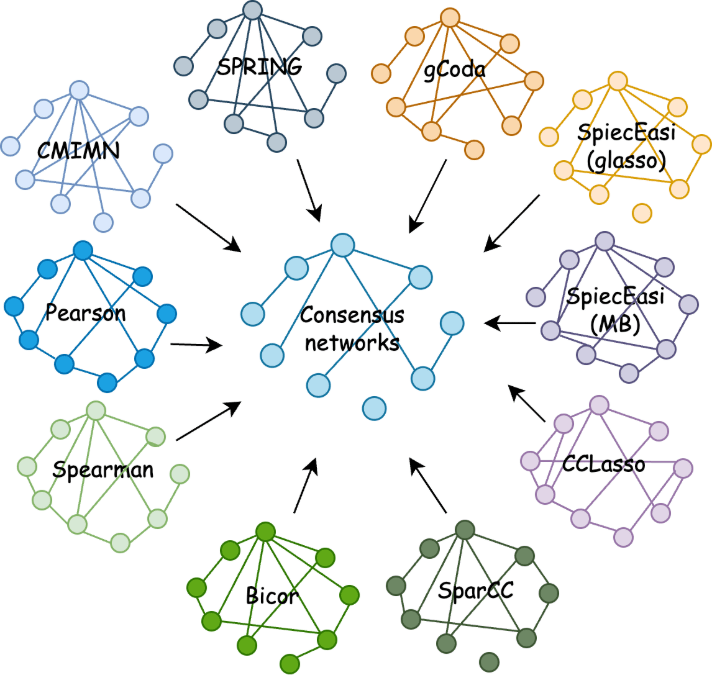
CMiNet: Building Reliable Microbiome Networks Through Consensus. 

Post provided by Rosa Aghdam I am a scientist at the Solís-Lemus Lab at the University of Wisconsin–Madison, working at the intersection of microbiome networks and computational biology. My research focuses on understanding the invisible world inside and around us. Microbial communities form intricate social systems, and my goal is to build tools that help researchers study those systems more clearly and more reliably. You … Continue reading CMiNet: Building Reliable Microbiome Networks Through Consensus. 

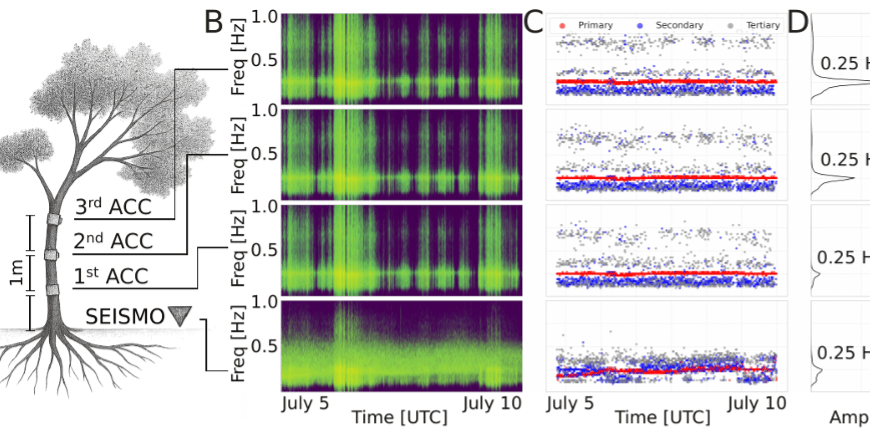
Listening to trees: uncovering the seismic fingerprint of wind-induced tree sway

Post provided by Josefine Umlauft. We are a group of geophysicists, mathematicians, and ecologists who normally speak quite different scientific languages. This project brought us together through a shared curiosity: could the instruments and analytical tools originally developed for studying earthquakes also help us understand how trees move in the wind? The result, The Seismic Fingerprint of Wind-Induced Tree Sway, grew out of conversations between … Continue reading Listening to trees: uncovering the seismic fingerprint of wind-induced tree sway

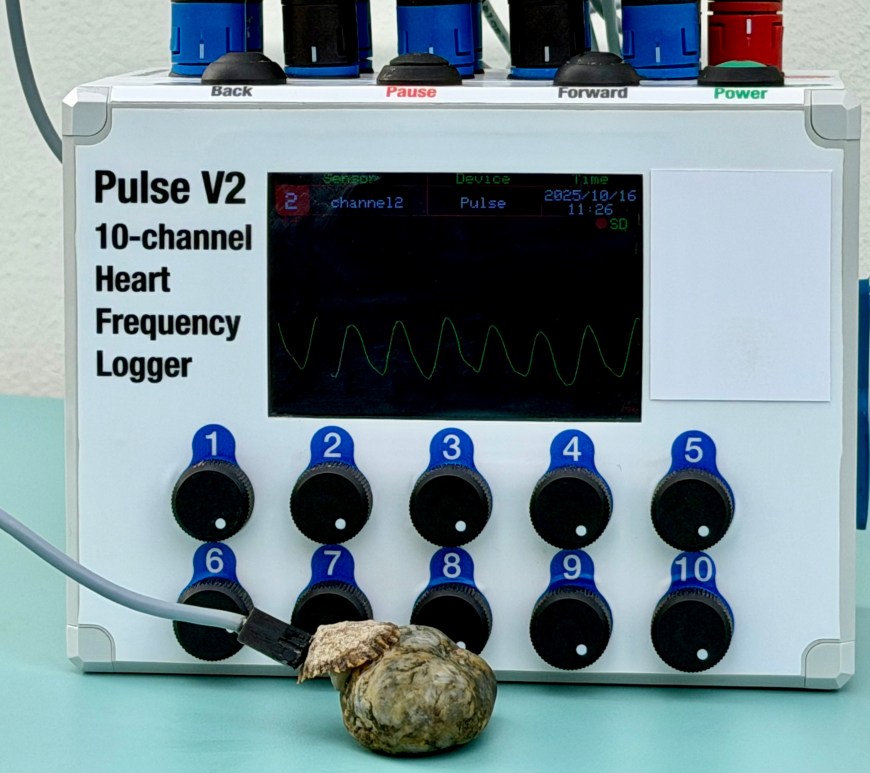
Peering through the shell: tracking stress with heartbeats

Post provided by Lima F. P.; Pereira F. L.; Loureiro B.; Humet M.; Seabra R. How can we tell when an animal is stressed, long before it dies? For marine invertebrates like mussels, limpets, oysters, or crabs, one of the clearest signals comes from their hearts. Heart rate can vary in response to changes in the environment (such as temperature or oxygen), offering a non-invasive … Continue reading Peering through the shell: tracking stress with heartbeats

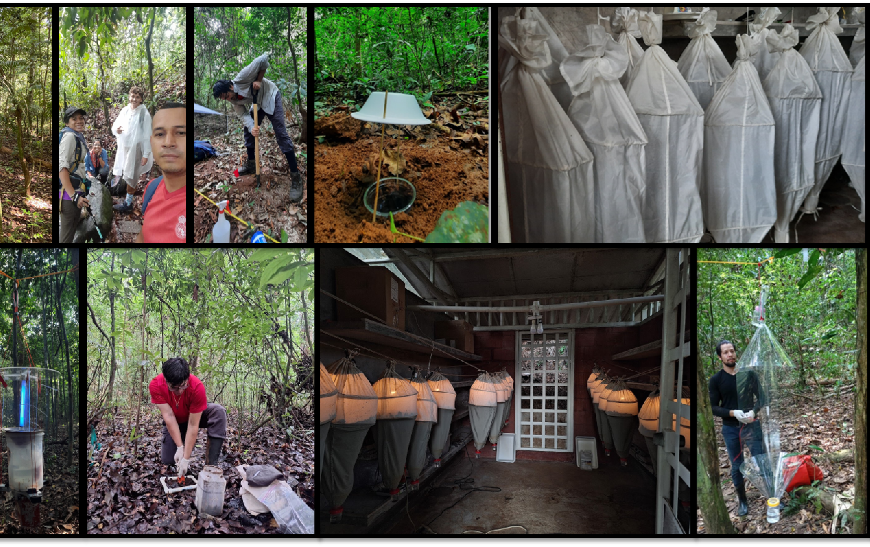
10,000 Arthropods in a Hectare: What We Found Crawling, Flying, and Hiding in Panama’s Rainforest

Post provided by Daniel Souto-Vilarós. I’m a molecular ecologist who currently works as a postdoctoral researcher at the University of Utah, with a long-standing obsession with biodiversity. While much of my work has focused on plant-pollinator interactions, this project took me down a very different path: into the leaf litter, soil, and night sky of a tropical forest to try and find out how many … Continue reading 10,000 Arthropods in a Hectare: What We Found Crawling, Flying, and Hiding in Panama’s Rainforest

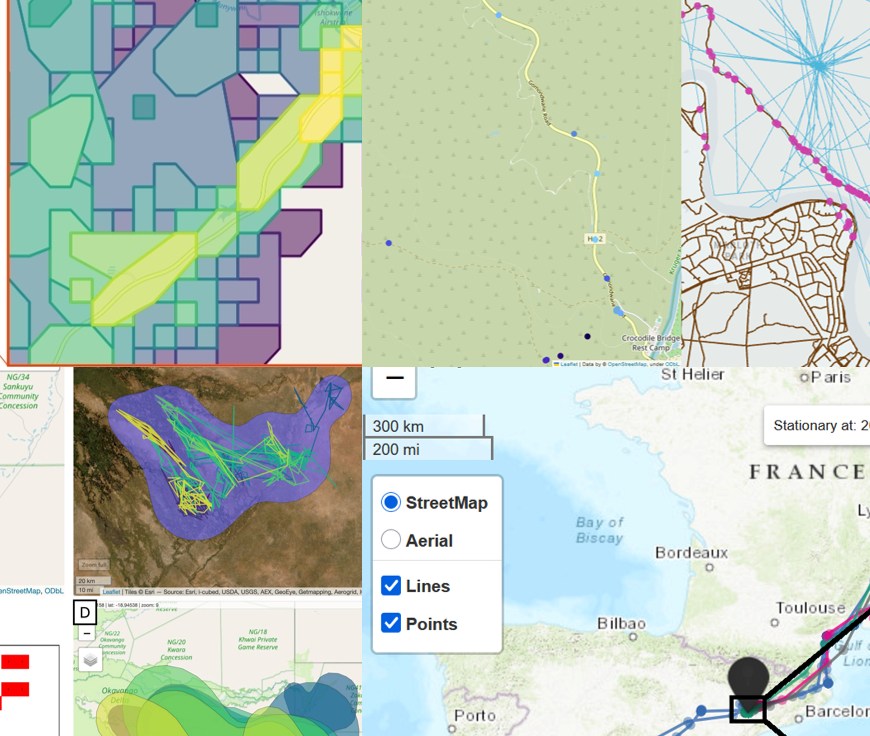
Citizen scientist coders for wildlife conservation – a MoveApps story

Post provided by Andrea Kölzsch. I am a movement ecologist and have until recently worked as a PostDoc at the Max Planck Institute of Animal Behavior in Radolfzell, Germany. My research focusses, on the one hand, on the tracking of waterbird movement, but in a more general capacity on the empowering of ecologists to gain knowledge from complex data. The background story of our presently … Continue reading Citizen scientist coders for wildlife conservation – a MoveApps story

No training necessary: Shark tracking simplified

Post provide Chinmay Keshava Lalgudi. Drone imagery offers an efficient way to gather data on mobile animals. Drones are used for population surveys, creating 3D models of habitat, and even studying how animals move and behave in their environment. While collecting this data is relatively easy, manually annotating it is painstaking and slow. Analysing drone imagery can often mean spending hours in front of a … Continue reading No training necessary: Shark tracking simplified

Can we identify animal behaviours from camera traps without training new AI models?

Post provided by Gaspard Dussert. My name is Gaspard Dussert, and I am a PhD student at the Université Lyon 1, working in the Laboratory of Biometry and Evolutionary Biology (LBBE). My research combines artificial intelligence (AI) with ecology, focusing on automating wildlife monitoring from camera trap images. Camera traps are motion-activated cameras placed in the wild. They are incredibly powerful tools in ecology, helping … Continue reading Can we identify animal behaviours from camera traps without training new AI models?

Improved order selection method for hidden Markov models: a case study with movement data.

Post provided by Fanny Dupont. About the first author My PhD focuses on animal movement and the impact of vessels on Arctic marine mammals (lab website). Specifically, I develop statistical tools to analyse narwhal (Monodon monoceros) behaviour and assess the effects of increased shipping on marine ecosystems. I am co-supervised by Dr. Marie Auger-Méthé (University of British Columbia) and Dr. Marianne Marcoux (Fisheries and Oceans … Continue reading Improved order selection method for hidden Markov models: a case study with movement data.

Capturing diversity below the species level using HyRAD : a nuclear-DNA enrichment-based capture method (HyRAD) applied to environmental DNA.

Post provided by Stéphanie Manel. Why use HyRAD for eDNA capture? Traditional population genetics approaches require sampling tissue from individuals, which is problematic in aquatic environments where specimen collection is often challenging. Filtering water allows researchers to collect environmental DNA (eDNA), genetic material shed by organisms into their surroundings. Unlike approaches targeting a single DNA barcode, HyRAD allows for the capture of multiple nuclear DNA … Continue reading Capturing diversity below the species level using HyRAD : a nuclear-DNA enrichment-based capture method (HyRAD) applied to environmental DNA.