Processing visual survey data with sampley

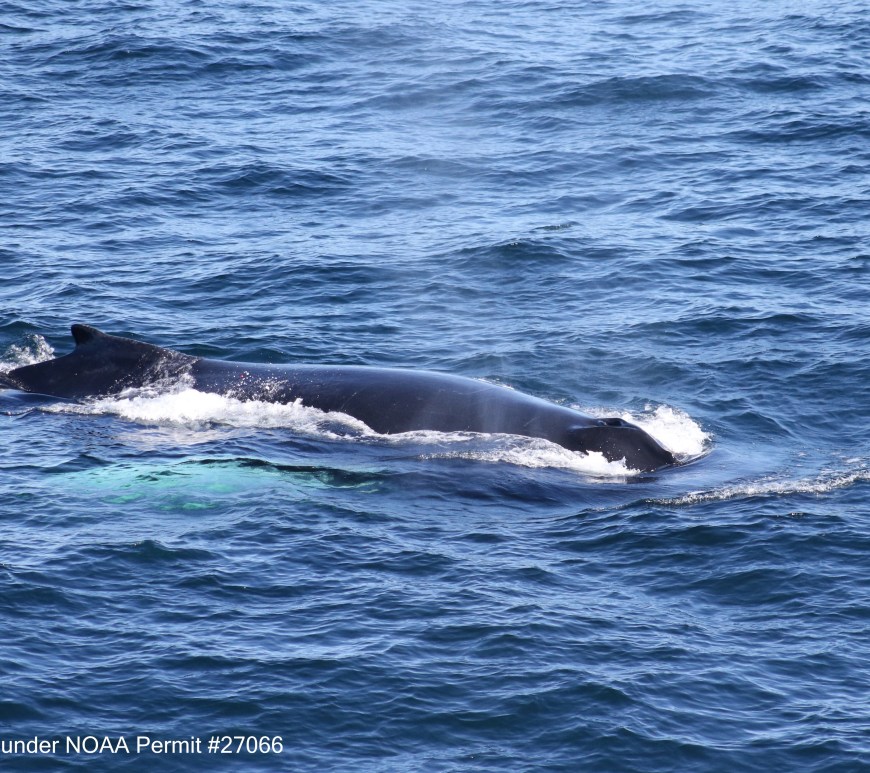
Post provided by Jonathan Syme Picture this idyllic scene: You’re on a research vessel that is steadily making its way through the vast blue sea, surveying back and forth along a set of transect lines, its track recorded by a GPS. Through your binoculars, you see a column of spray, an arching back, a fluke that rises high above the water, then disappears. You call … Continue reading Processing visual survey data with sampley

Can extinction risk be reliably estimated even with limited data?

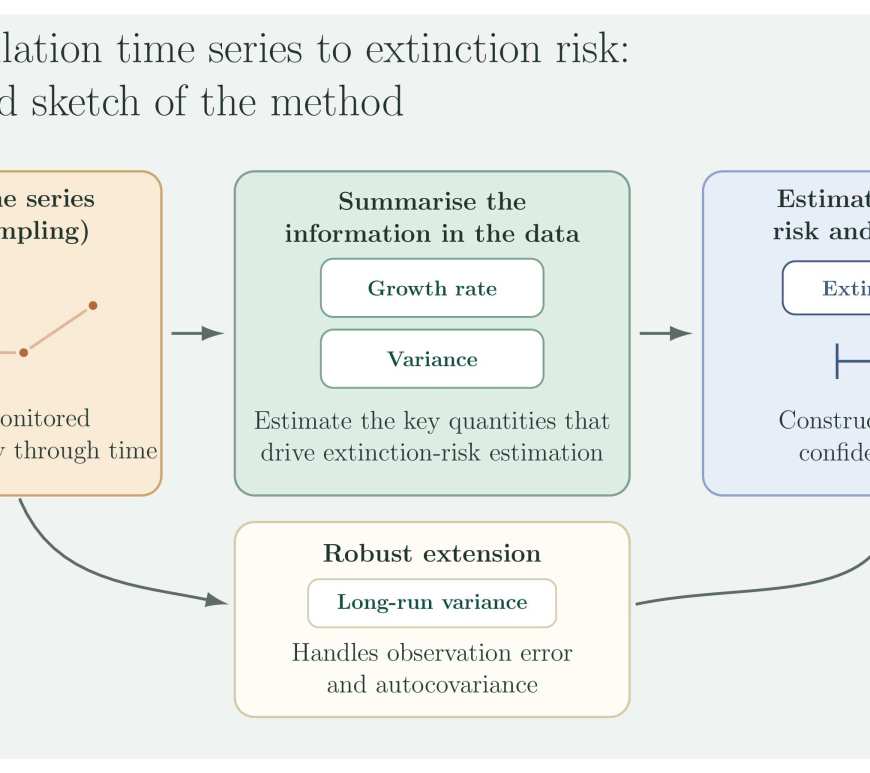
Post provided by Hiroshi Hakoyama. Rethinking extinction probability as a conservation endpoint Thinking about conservation in terms of species extinction as an endpoint underpins how priorities are set in the IUCN Red List and CITES. At their core, these frameworks are about deciding which populations or taxa should be prioritised for conservation effort. Yet Population Viability Analysis (PVA), which aims to quantify extinction probability itself, … Continue reading Can extinction risk be reliably estimated even with limited data?

A longer read on microbes: Why bigger fragments matter in Earth’s harshest habitats

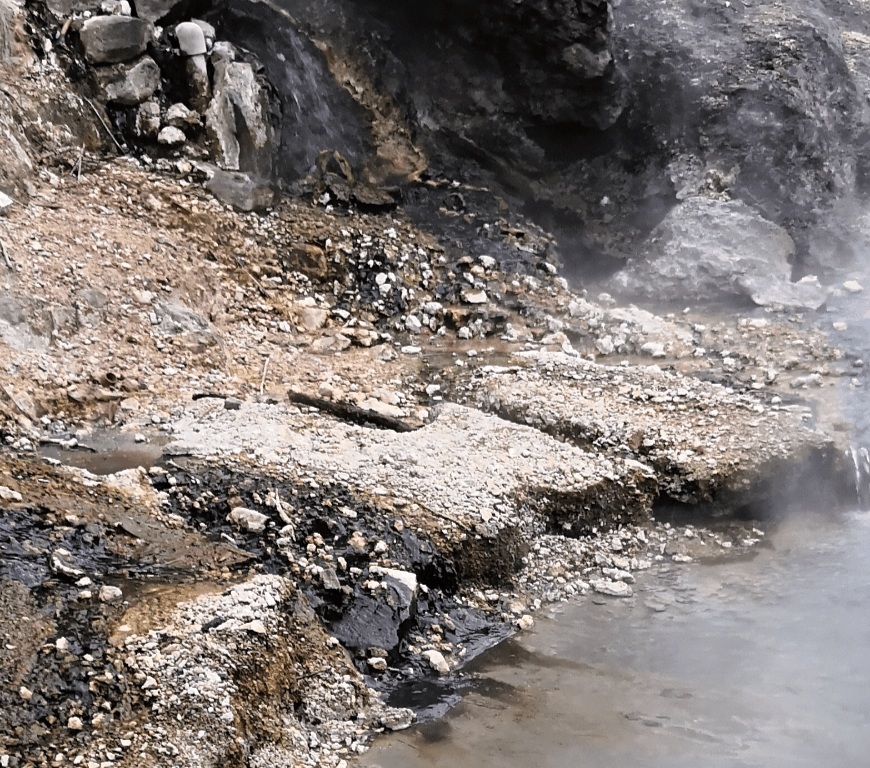
Post provided by Xi Peng When I first started analysing metagenomic data from cold seeps and hot springs, I didn’t expect to spend quite so much time staring at confusing lines of code and fragmented sequences. Yet these digital traces—broken fragments of DNA scattered across a matrix of microbial complexity—hold the fingerprints of life in Earth’s most extreme habitats. In this work, we developed an … Continue reading A longer read on microbes: Why bigger fragments matter in Earth’s harshest habitats

What a national marine dataset taught us about the power of quality control and collaboration

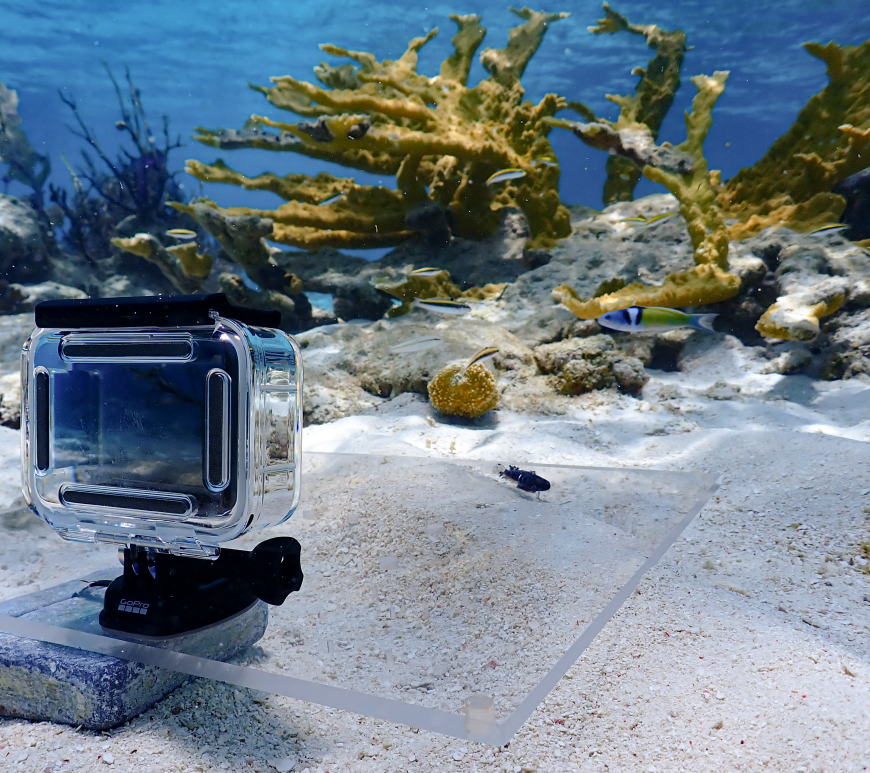
Post provided by Brooke Bond (Gibbons) Ecologists often dream about big datasets—Combining observations from multiple studies across space and time could reveal patterns that would otherwise be impossible to detect. But anyone who has tried to merge datasets from different sources knows the reality is often less glamorous. My first job involved synthesising Baited Remote Underwater Video (BRUV) datasets from across Australia. BRUV systems use … Continue reading What a national marine dataset taught us about the power of quality control and collaboration

Building the Infrastructure for Reproducible Biodiversity Science

BIEN 4.2: A Reproducible Standard for Global Plant Biodiversity Data Post provided by the BIEN Working Group For hundreds of years, biologists have carefully collected information on plants, animals, and other organisms and have created and maintained enormous libraries of physical specimens from all around the globe. Specimens are collected with all kinds of information– often there’s a physical example, but beyond that, scientists record … Continue reading Building the Infrastructure for Reproducible Biodiversity Science

As above, so below: a perspective into the application of land-forest monitoring methods for the assessment of marine animal forests

Post provided by Torcuato Pulido Mantas I am a postdoctoral researcher in Marine Biology and Ecology at the Department of Life and Environmental Sciences (DiSVA), Polytechnic University of Marche, where I work in the Zoology Lab (link: https://www.instagram.com/zoomardisva/). We focus on understanding how climate change affects benthic marine organisms, developing new methods for marine environmental monitoring, and promoting effective conservation strategies for vulnerable habitats and … Continue reading As above, so below: a perspective into the application of land-forest monitoring methods for the assessment of marine animal forests

Detecting and classifying animal calls from audio data using animal2vec

Post provided by Julian Schäfer-Zimmermann An introduction for people lacking a machine-learning background We provide a non-technical explanation of the animal2vec framework, including its capabilities and potential for usage in animal behavior, ecology, and conservation research. This summary is intended as a starting point for people lacking a technical background (e.g., field biologists) interested in understanding how the system works and what makes it unique … Continue reading Detecting and classifying animal calls from audio data using animal2vec

Seeing the Hearing: How 3D Photogrammetry Reveals Directional Hearing in Animals

Post provided by Karsten Vesterholm I’m a Postdoc in the Sound and Behaviour research group at the Department of Biology at the University of Southern Denmark, where I work in the Bat Echolocation Lab. We are particularly interested in understanding how bats use directional hearing as part of their echolocation. Direction of hearing is determined primarily by the shape and orientation of the outer ear … Continue reading Seeing the Hearing: How 3D Photogrammetry Reveals Directional Hearing in Animals

We impersonated predators and prey to study trophic interactions. It was quite fun, but mostly, it worked

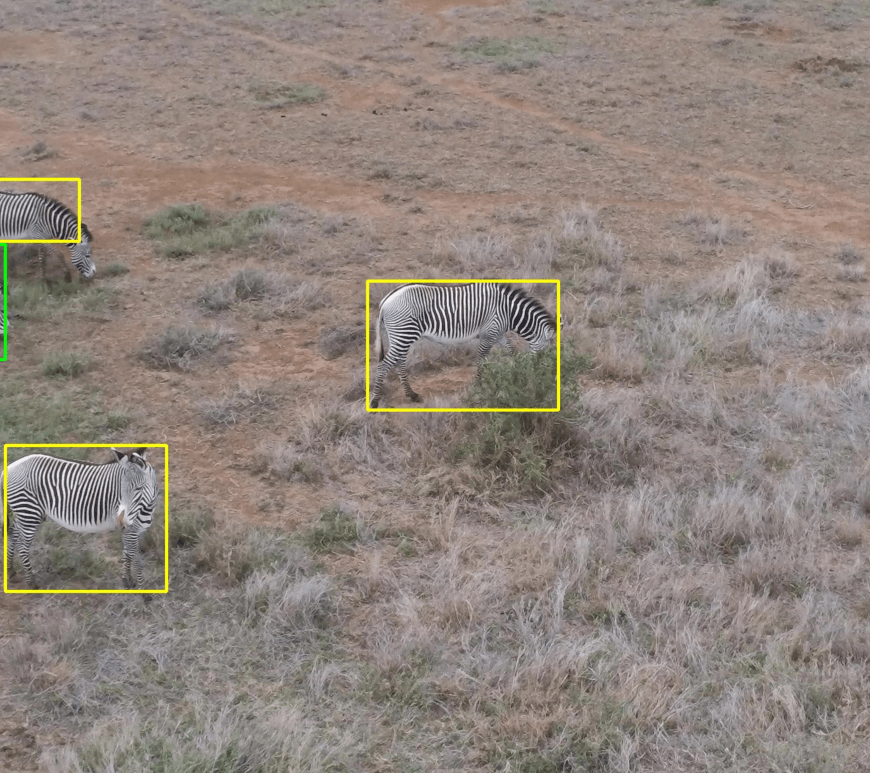
Post provided by David Bolduc and Frederic Dulude-de Broin Most people have played some form of tag during childhood – games where certain players try to catch others, who in turn may be able to take refuge in designated areas, or who must collect a flag or another item to win the game. These games are fun and engaging perhaps because they tap into some … Continue reading We impersonated predators and prey to study trophic interactions. It was quite fun, but mostly, it worked

10,000 Arthropods in a Hectare: What We Found Crawling, Flying, and Hiding in Panama’s Rainforest

Post provided by Daniel Souto-Vilarós. I’m a molecular ecologist who currently works as a postdoctoral researcher at the University of Utah, with a long-standing obsession with biodiversity. While much of my work has focused on plant-pollinator interactions, this project took me down a very different path: into the leaf litter, soil, and night sky of a tropical forest to try and find out how many … Continue reading 10,000 Arthropods in a Hectare: What We Found Crawling, Flying, and Hiding in Panama’s Rainforest