The Ecology of Dance

Post provided by Chloe Robinson

Dance has been part of human culture for millennia. Some scholars refer to dance as a specific language, dependent on the space and time in which it exists and dependent on the power structures that rule in that time. April 29th marks International Dance Day; a day initiated in 1982 by the International Dance Committee of the UNESCO International Theatre Institute to commemorate the birthday of Jean-Georges Noverre, a distinguished French choreographer.
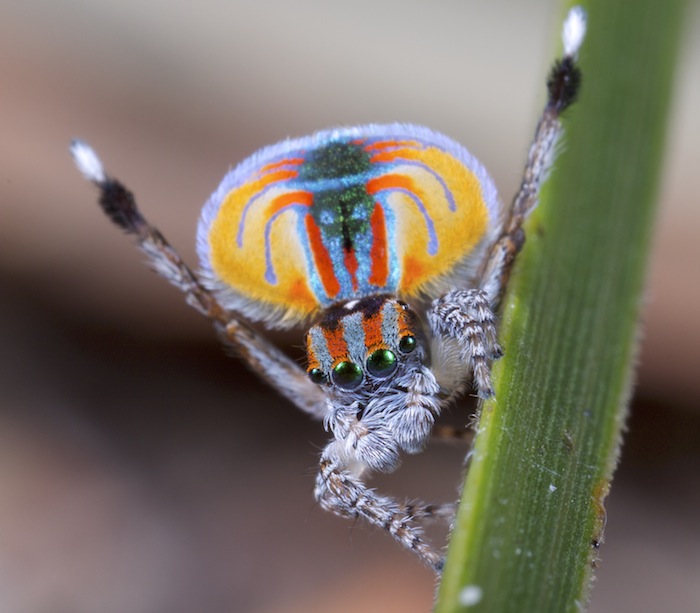
Male Maratus volans peacock spider. Picture credit: Jürgen Otto.

For humans, dance is considered a sacred ritual, sometimes a form of communication and sometimes an important social and courtship activity. A recent study has even linked the innate ability to dance with greater survival rates in prehistoric times. However, for certain species of wild animal, dance-like behaviours are crucial for communication and mating. In this blog, I am going to highlight the evolutionary foundations of dance in wild animals and explore some of the ways that dance is used in ecology.

Continue reading “The Ecology of Dance”

Earth Day 2020: Monitoring Biodiversity for Climate Action

Post provided by Chloe Robinson

The demands of a growing human population are putting increasing pressure on the Earth’s natural systems and services. Dubbed the ‘Anthropocene’, we are currently living in a period where human actions are directly altering many earth processes, including atmospheric, geologic, hydrologic and biospheric processes. Climatic change and the resulting consequences, including rising temperatures, changing precipitation (i.e. rainfall, snow etc) and increase in frequency of storm events, represent the biggest challenge to our future and the life-support ecosystems that make our world habitable.

Artist’s interpretation of global climate change. Photo credit: Pete Linforth/Pixabay.

In 1970, Earth Day was launched as a modern environmental movement and a unified response to an environment in crisis. Earth Day has provided a platform for action, resulting in the creation of the Environmental Protection Agency (EPA), The Clean Air, Clean Water and Endangered Species Acts in the US and more globally. This year, 22 April marks the 50th anniversary of Earth Day, and the number one environmental crisis theme which needs immediate attention is ‘Climate Action’. Many of our ecosystems on earth are degrading at an alarming pace and we are currently experiencing a species loss at a rate of tens or hundreds of times faster than in the past. 

Continue reading “Earth Day 2020: Monitoring Biodiversity for Climate Action”

Anacapa Toolkit: Automating the Cataloguing of Biodiversity

Post provided by Emily Curd

Imagine that you want to catalogue all of the biodiversity (all of the living organisms) from a particular location; how many trained experts would that require? How many person hours would it take to collect and identify all of the rare, well-disguised, and microscopic organisms? How many of these organisms would have to be removed from the environment and taken back to a lab for taxonomic analysis.

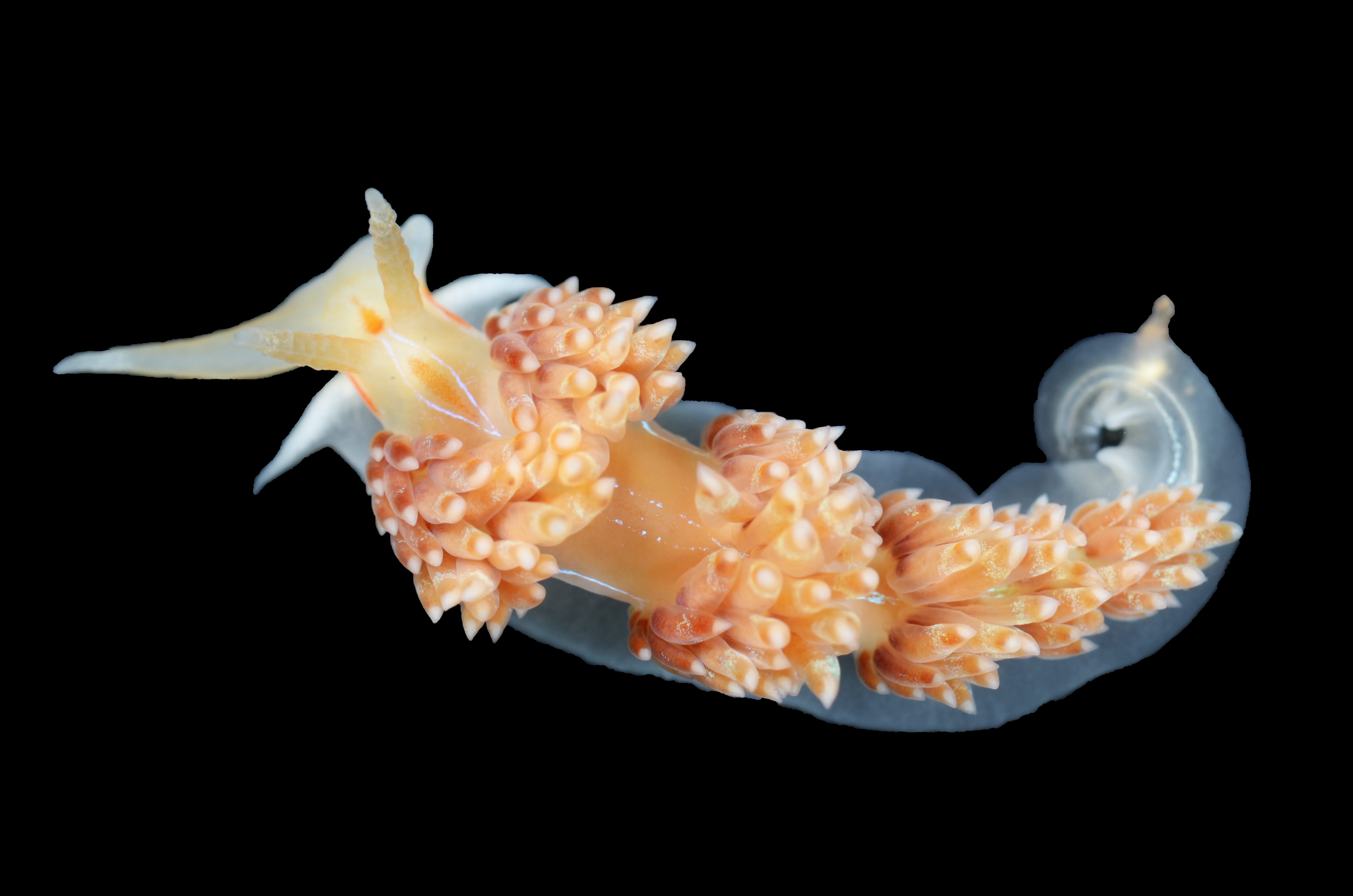
With eDNA, you can survey the presence of this gorgeous opalescent nudibranch without capturing or even touching it.
©Natural History Museum of Los Angeles County — Amanda Bemis & Brittany Cumming

Although there is no substitute for human expertise, we have begun using the traces of DNA that organisms leave behind (e.g. excretions, skin and hair cells) in the environment to catalogue biodiversity. These traces of DNA, referred to as environmental DNA, can persist in the environment for minutes or can persist for centuries depending on where they end up. This field of environmental DNA (eDNA) is rapidly becoming an effective tool to complement surveys of biodiversity, both past and present.

Continue reading “Anacapa Toolkit: Automating the Cataloguing of Biodiversity”

H.A.P.P.Y: How Are People Preventing Yearning in Academia?

Post provided by Chloe Robinson

Academia and university culture in general are high-paced, demanding environments to work and study in. In the UK alone, a Unihealth study identified that 80% of students studying in higher education experienced stress and anxiety. Similarly, staff and faculty are currently under tremendous pressure and the effects are apparent. A study for the Higher Education Policy Institute revealed that university counselling referrals have risen by three-quarters between 2009 and 2015. So it’s hardly surprising that universities are being coined primary ‘anxiety machines’.

Credit: Ramdlon (pixabay.com).

A multitude of factors can cause the kinds of stress being experienced by so many in universities. Unmanageable workloads, lack of permanent contracts, research exploitation, discrimination, sexism, lack of sufficient support and supervision, pressure to be successful and high competition are just some of the reasons. University bosses state they are aware of the issues and are actively working to improve well-being in institutions, but a lot still remains to be done to tackle the issues.

Continue reading “H.A.P.P.Y: How Are People Preventing Yearning in Academia?”

International Women’s Day 2020: Retaining Girls and Women in STEM

Post provided by Chloe Robinson

Girls and women make up half of the world’s population and therefore contribute to half of the talent and potential on our planet. Despite representing 3.9 billion people, women are yet to receive the equal rights and opportunities which are currently provided to men. As of 2014, 143 out of 195 countries guarantee equality of women and men in their constitutions, but in practice this is rarely achieved for women.  

Gender equality symbol.

International Women’s Day is a global day celebrating the social, economic, cultural and political achievements of women. The day also marks a call to action for accelerating women’s equality. This year, the theme is #EachforEqual, highlighting that an equal world is an enabled world. One of the key missions for this theme is forging inclusive workplaces so women can thrive’. This is particularly important for retaining women in STEM fields. Ultimately this mission needs to start in schools, because girls as young as 10 are reported to feel ‘out of place‘ in STEM subjects.

This blog post features some of the initiatives aiming to retain girls in STEM fields and shines a light on how far we have to go before girls and women are treated and represented equally in STEM.

Continue reading “International Women’s Day 2020: Retaining Girls and Women in STEM”

The Evolution of Love

Post provided by Chloe Robinson

The sending of letters under the pen name ‘St. Valentine’ began back in the middle ages as a way of communicating affection during the practice of courting. Fast forward to 2020 and Valentine’s Day is a day for celebrating romance, but now it typically features the exchange of gifts and cards between lovers.

Credit: Pixabay

Continue reading “The Evolution of Love”

Methods behind the Madness: Ecology at the Poles

Post provided by Chloe Robinson, Crystal Sobel and Valerie Levesque-Beaudin

Aurora Borealis in the polar north. Photo: Noel Bauza, Pixabay

For those of us in the Northern Hemisphere, the coldest months of the year are upon us. A combination of post-holiday ‘blues’ and the cold, dark mornings make the daily trudge to work all that less inspiring. Recent snow storms in locations such as Newfoundland (Canada), have made it nearly impossible for many people to leave their homes, let alone commute to work. Now cast your mind to a little over 2,000 km north of Newfoundland and imagine the challenges faced with carrying out a job during the coldest, darkest months of the year.

As with every other biome on the planet, polar biomes contain a variety of different species, from bugs to baleen whales. To better understand the different species at our poles, scientists need to collect ecological data, but this is far from a walk in the park.

Iceberg in the Gerlache Strait, Antarctica. Photo: Liam Quinn, flikr.

With the year 2020 marking 200 years since the discovery of Antarctica and the Centenary of ‘vital’ Scott Polar Research Institute (Cambridge, UK), we wanted to highlight some of the polar research published in the journal, featuring challenges faced and current research being undertaken at the poles.

Continue reading “Methods behind the Madness: Ecology at the Poles”

Celebrating World Soil Day 2019: DNA Metabarcoding Uncovers Tropical Forest Soil Microbiomes

Post provided by KATIE M. MCGEE

Tropical forest in Costa Rica ©Katie M. McGee

How much do you think about the world beneath your feet? Soil is essential for life on earth and provides many ecosystem services, including carbon storage and providing habitats for billions of organisms. But one third of our global soils are already degraded and are at risk of further degradation from human activities, such as unsustainable farming practices, industrial activities, mining and other non-environmentally friendly practices. In 2002, the International Union of Soil Sciences (IUSS) marked the 5th December as World Soil Day, to celebrate the importance of soil as a critical component of the natural system and as a vital contributor to human well-being.

Bats aren’t just for Halloween: Insectivorous Bats in North America

Post provided by CHLOE ROBINSON (@CVROBINSON92)

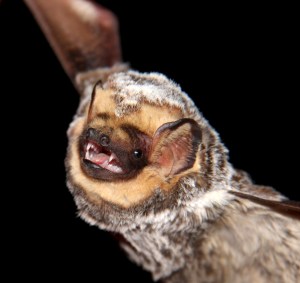
The Hoary bat (Lasiurus cinereus) is the most widespread bat in the US. ©Veronica Zamora-Gutierrez

Hello! This is my first post as Blog Editor for Methods in Ecology and Evolution and I’m thrilled to be starting with an exciting, thought-provoking topic in the wake of Halloween. But first, let me introduce myself. I currently work as a Postdoctoral Fellow and Project Manager in the Hajibabaei Lab at the Centre for Biodiversity Genomics (University of Guelph, ON, Canada) and my undergraduate and postgraduate degrees are both from Swansea University (UK). My research background is largely focused around the application of environmental DNA (i.e. free DNA found in natural environments) to detect and monitor aquatic species and answer ecological questions through both single-species detection and DNA metabarcoding.

At the moment, I’m working on the STREAM project, which combines community-based monitoring with DNA metabarcoding to gain a better understanding of freshwater health across Canada. One of my favourite parts about being in this position is the opportunity to get involved with other research being conducted in the Hajibabaei Lab. This is how I branched out into the wonderful world of bat ecology. Continue reading “Bats aren’t just for Halloween: Insectivorous Bats in North America”