A brief history about the R package ‘metan’

Post provided by Tiago Olivoto

Este post também pode ser lido em Português

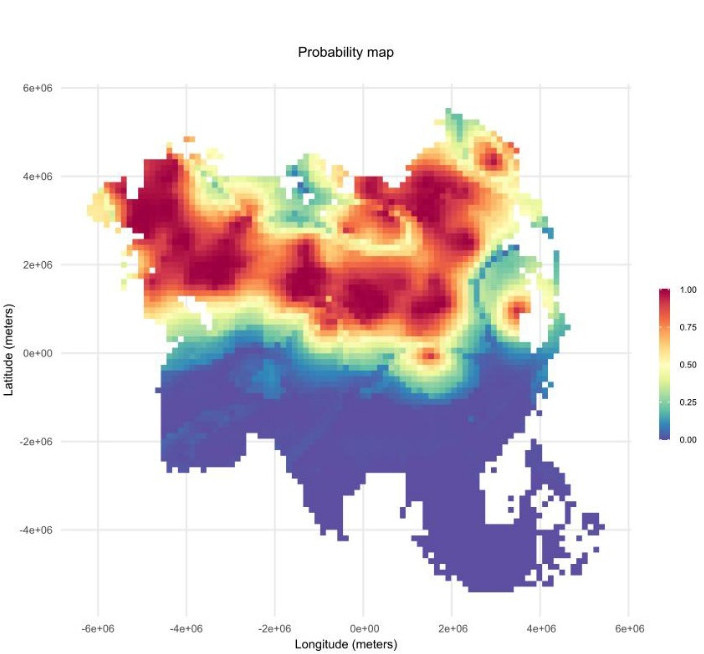
In our recent paper in Methods in Ecology and Evolution, Alessandro Lúcio and I describe a new R package, metan, for multi-environment trial analysis. Multi-environment trials are a kind of trial in plant breeding programs where several genotypes are evaluated in a set of environments. Analyzing such data requires the combination of several approaches including data manipulation, visualization and modelling. The latest stable version of metan (v1.5.1) is now on CRAN. So, I want to share the history about my first foray into using R, creating an R package, and submitting a paper to a journal that I’ve never had submitted before.

Continue reading “A brief history about the R package ‘metan’”

An interview with the editors of “Population Ecology in Practice”: Part I

Post provided by Daniel Caetano

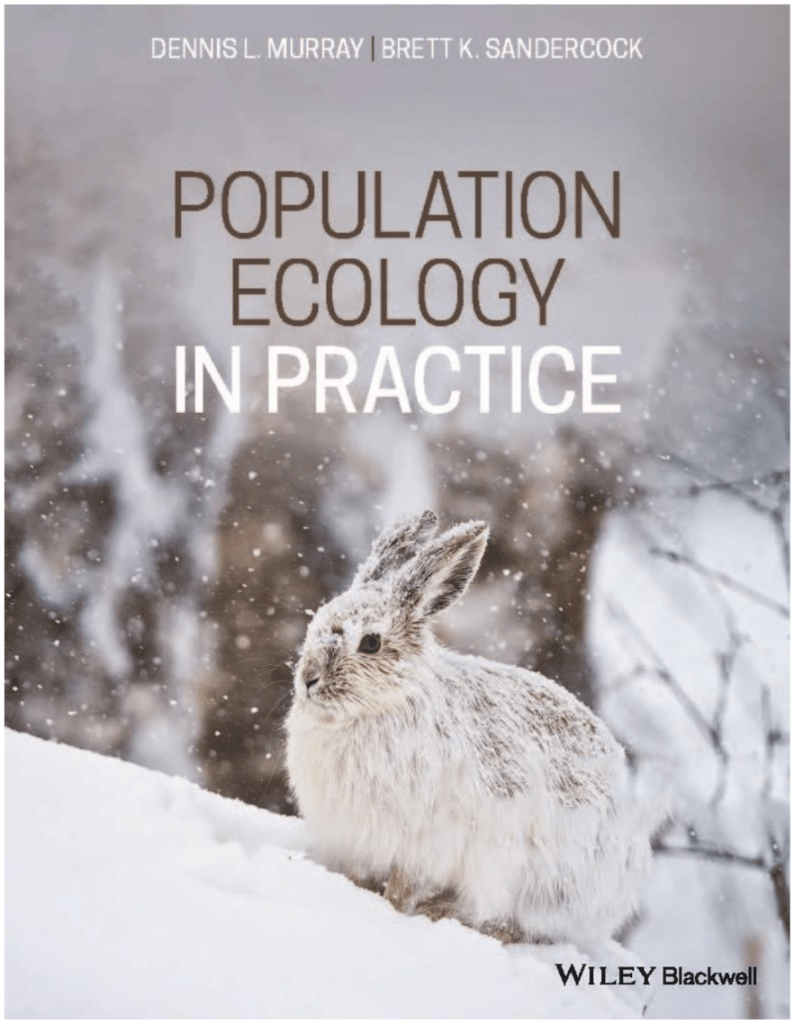
Today we bring the first part of an interview with Dennis Murray and Brett Sandercock about their brand new book in population ecology methods: “Population Ecology in Practice.” The editors were kind enough to share some interesting backstage information with us.

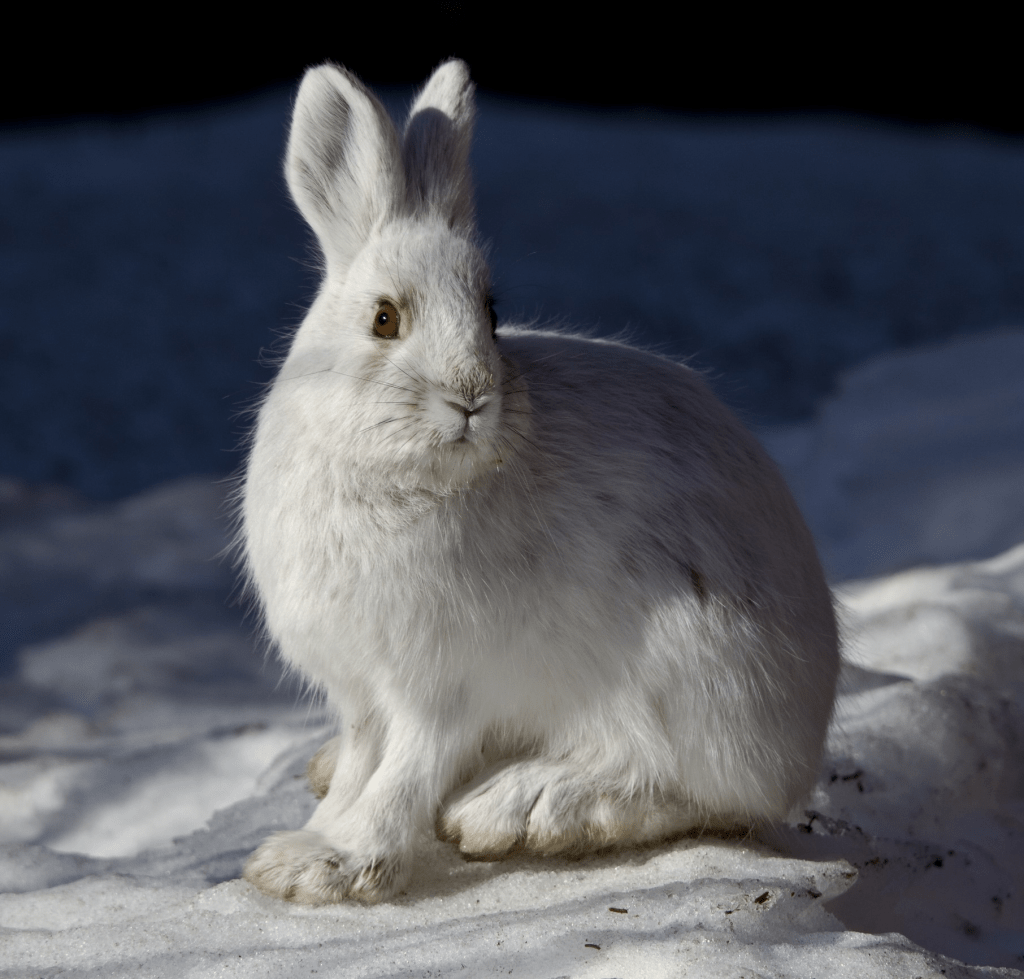
Snowshoe hare in winter

Population Ecology in Practice introduces a synthesis of analytical and modelling approaches currently used in demographic, genetic, and spatial analyses. Chapters provide examples based on real datasets together with a companion website with study cases and exercises implemented in the R statistical programming language.

Stay tuned for the second part of this interview, where we talk about some of the challenges of editing a large book and the editors share essential advice for anyone looking into leading such a project!

Continue reading “An interview with the editors of “Population Ecology in Practice”: Part I”

The Ecology of Dance

Post provided by Chloe Robinson

Dance has been part of human culture for millennia. Some scholars refer to dance as a specific language, dependent on the space and time in which it exists and dependent on the power structures that rule in that time. April 29th marks International Dance Day; a day initiated in 1982 by the International Dance Committee of the UNESCO International Theatre Institute to commemorate the birthday of Jean-Georges Noverre, a distinguished French choreographer.

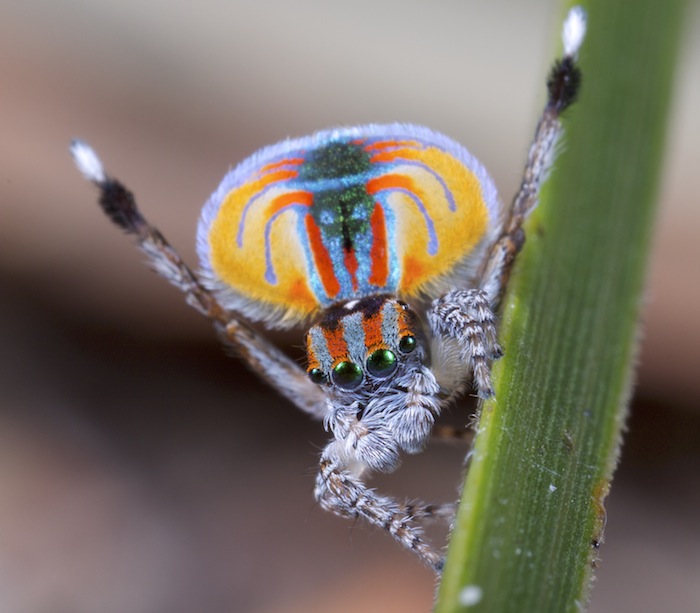
Male Maratus volans peacock spider. Picture credit: Jürgen Otto.

For humans, dance is considered a sacred ritual, sometimes a form of communication and sometimes an important social and courtship activity. A recent study has even linked the innate ability to dance with greater survival rates in prehistoric times. However, for certain species of wild animal, dance-like behaviours are crucial for communication and mating. In this blog, I am going to highlight the evolutionary foundations of dance in wild animals and explore some of the ways that dance is used in ecology.

Continue reading “The Ecology of Dance”