In this series, we explore the unique experiences of field ecologists conducting research in remote field stations during the holiday season. Through personal stories and reflections, our contributors share what it’s like to conduct scientific work in remote, biodiverse environments, where the challenges of research intersect with the spirit of the holidays. From the solitude of secluded field stations to unexpected festive moments in the wild, this series highlights the resilience and dedication of ecologists and evolutionary biologists working in these remarkable regions of the world. Here, doctoral researcher Gabriella Santini reflects on celebrating the festive season deep in Kenya’s Maasai rangelands, where the pulse of lion movements, community life, and holiday traditions come together in the Mara and Amboseli.
Post provided by Gabriella Santini.
For the past two festive seasons, my holidays have been spent out in the bush, gathering firsthand data for my doctoral project on human-lion interactions in Kenya’s Maasailand. I looked at the drivers of livestock predation and how pastoral communities respond to these events, combining ethological observations of lion behaviour with ethnographic research. My field sites are shared between the Maasai Mara and Amboseli. In 2023, I spent the holidays in the Mara, and in 2024, in Amboseli.
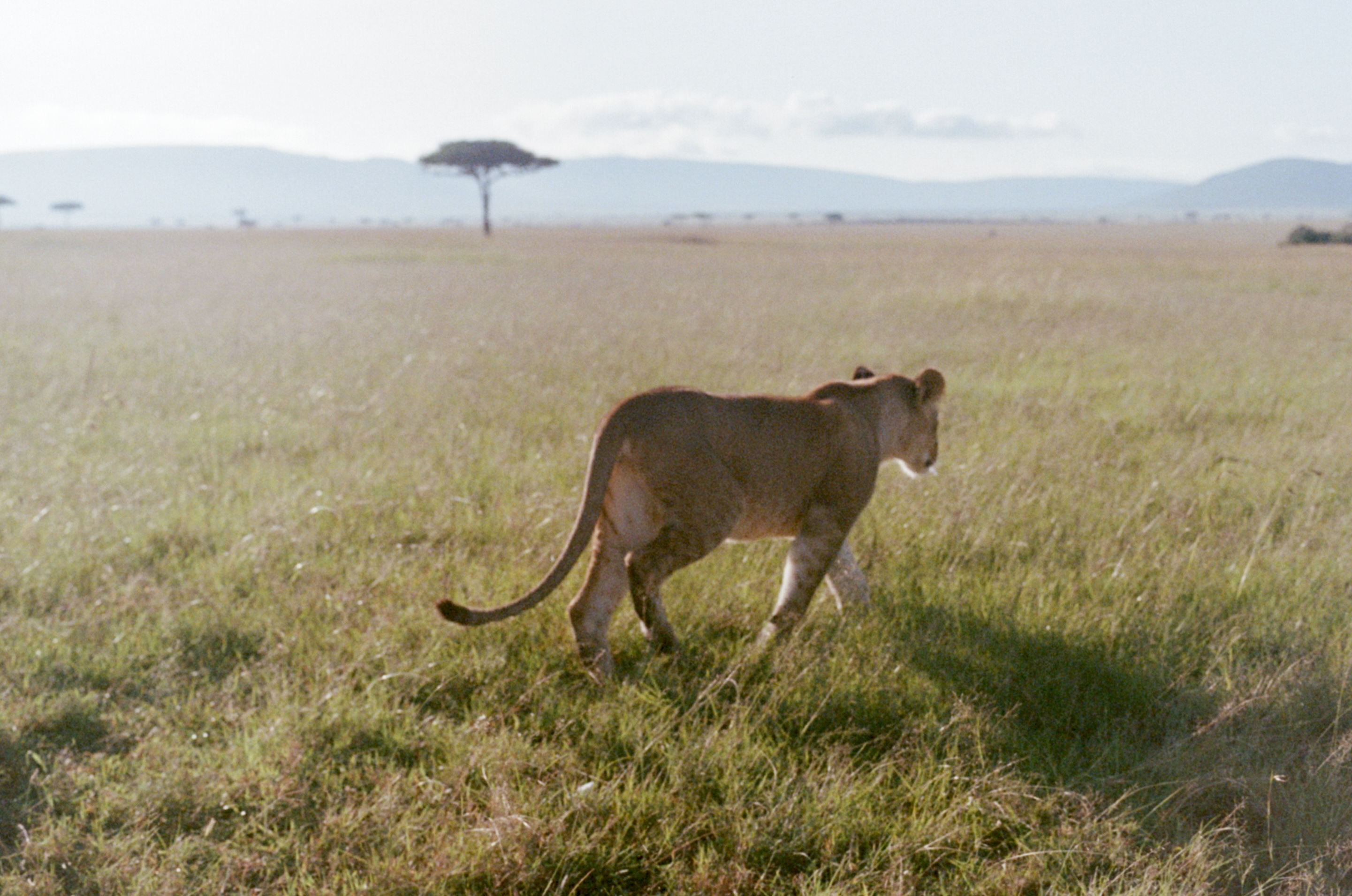
It was just my research assistant and I, camping in the bush with a small team of community rangers who kindly welcomed us into their remote outposts.
I found that the best time to study how communities respond to predation incidents is during the holiday season. December’s short rains lure lions onto community lands as they follow migratory prey, just as children return home from school and take up livestock herding duties. This convergence of movement and responsibility brings a spike in predation incidents, making the holiday period unexpectedly rich for field data.
There’s another advantage to festive fieldwork: when the university department closes for the season, the flood of emails and meetings disappears. With fewer distractions, I could finally settle into the rhythms of research, tracking lions, engaging with herding families, and immersing myself in the pulse of the daily routine.
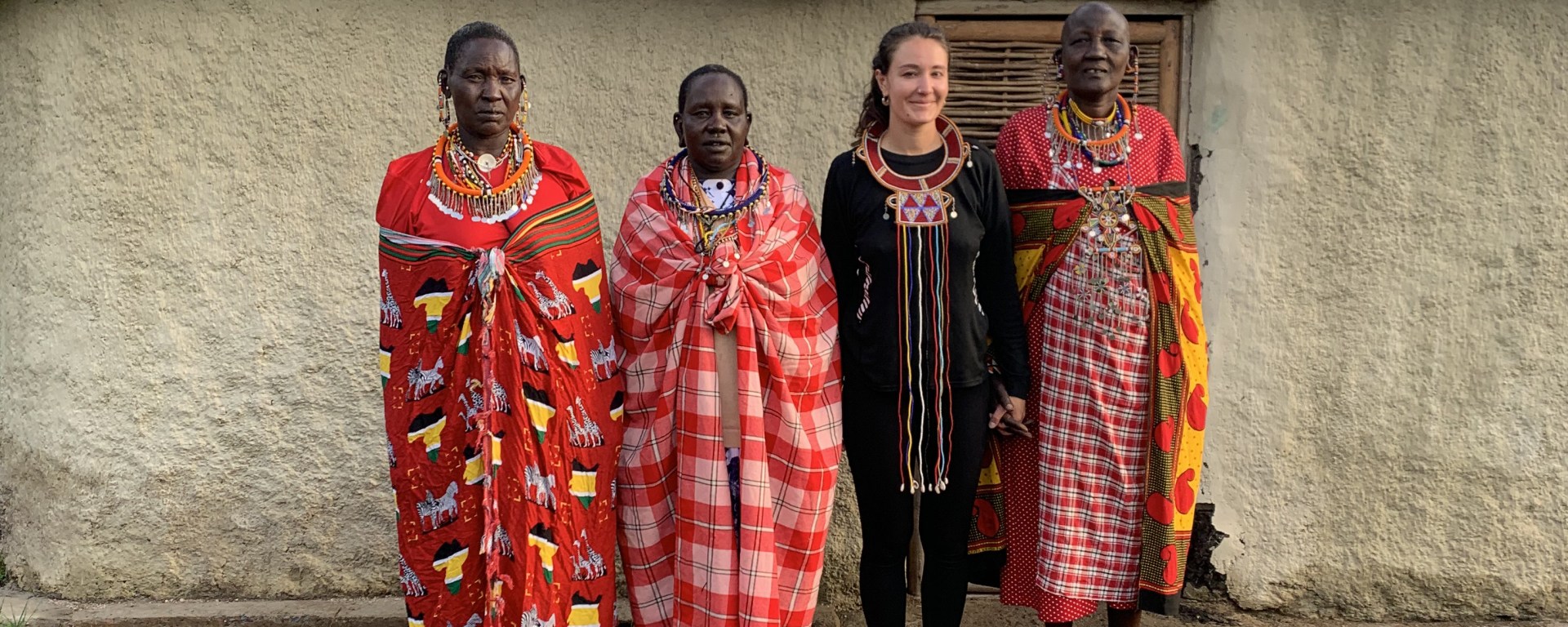
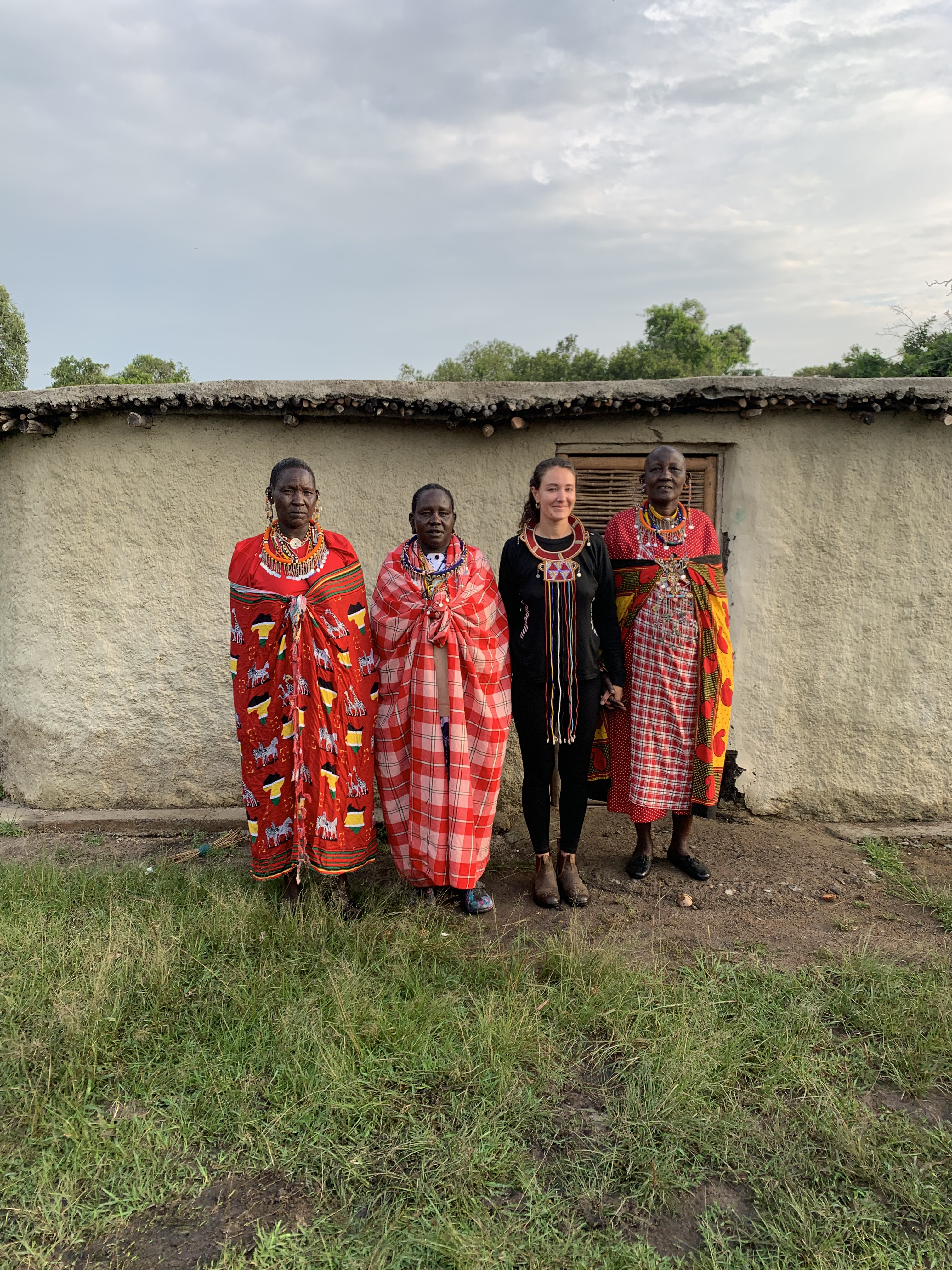
I was also eager to understand how people experience this time of year. The holidays gave me access to a different side of my field site: intimate family moments, when people return home for a few days to rest and spend time with loved ones. Time in the bush during the festive season showed me what a boma [traditional Maasai settlement] feels like when it is full of people, how communities mark Christmas in their own way, and how these celebrations fit into the wider seasonal rhythm of the rangeland.
But being far from home and family during this time felt isolating. While loved ones shared pictures of feasts and friends posted their New Year’s celebrations on social media, the sense of FOMO was real. Being a lone researcher, without a field base or nearby colleagues from a similar background, magnified the solitude. Yet, I found solace and warmth among my Maasai friends and neighbours.
In fact, I had no shortage of invitations for Christmas dinner. People I’d come to know through my research wanted to be sure I wasn’t spending the day alone. Several households invited me for Orpul on Christmas day, a traditional Maasai feast of meat (typically sheep or goat). While Christmas is not as widely celebrated in Kenya as it is in the UK, many families still mark the day by going to church and sharing a special meal. Slaughtering an animal for important occasions is customary and draws relatives and neighbours together, turning these meals into meaningful social gatherings. For me, they became a crucial chance to become a familiar face, share updates on my research, and hear all the latest stories about lion attacks, often woven into vivid childhood memories.
But holidays in the field aren’t days off; if the elusive animal you are studying makes an appearance on Christmas Day or New Year’s Eve, you have to be there. As my Maasai research assistant would joke, “The lions don’t take a break on Christmas!”
Last December in Amboseli, my assistant and I were getting calls about lion attacks almost daily. Over time, we built a dense network of herders and rangers who would alert us whenever lions were seen near livestock or attacking herds. When we’d arrive on the scene to document events, we often found youths there, waiting for rangers or other community members for back up. Children herding cattle is a declining trend overall, but it resurges during the school holidays. Children are given responsibilities as Maasai, so they do not forget their roots, and so that the full‑time herders can take a break and celebrate Christmas with their own families.
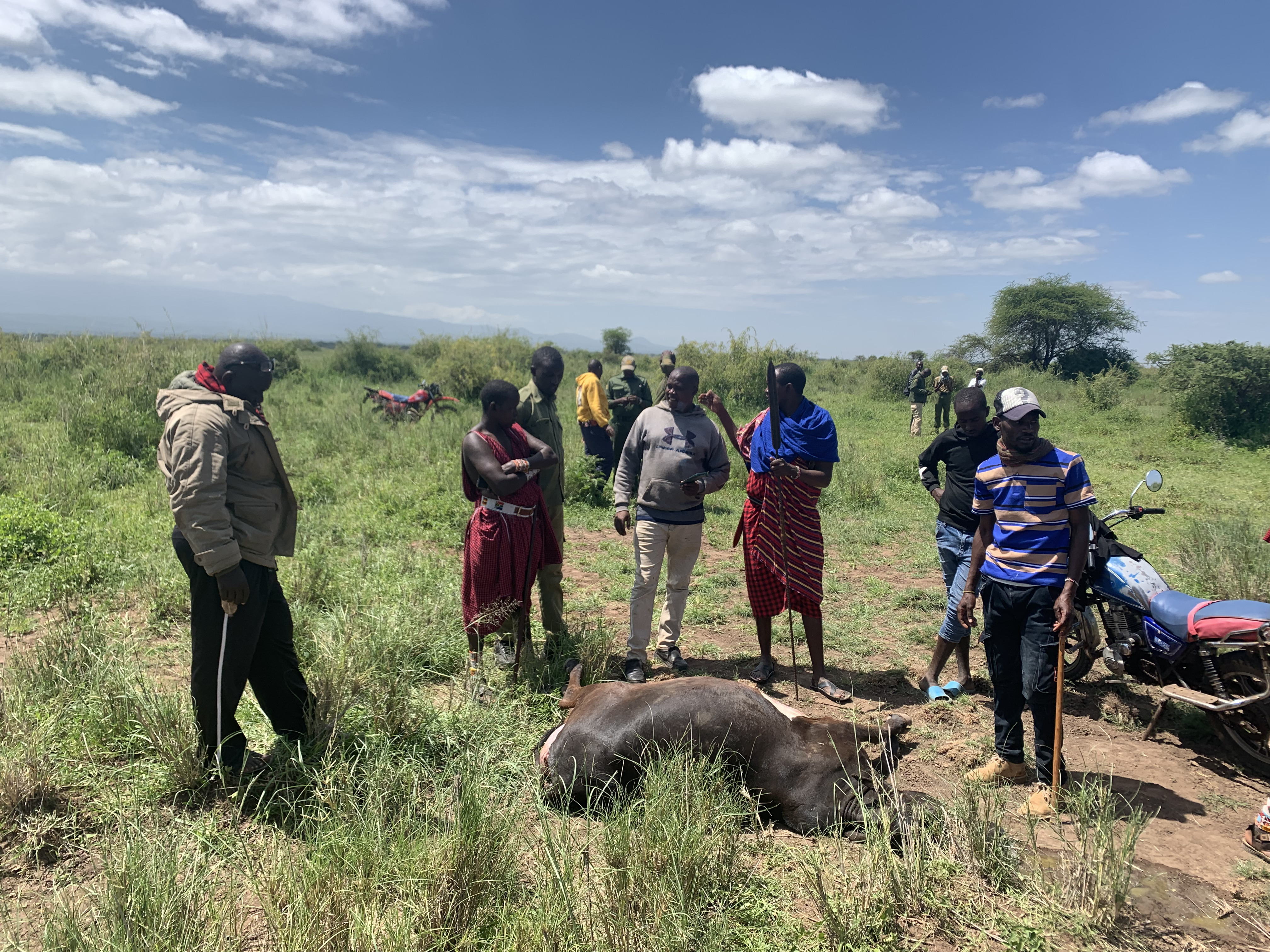
Children herding livestock, however, increases the risk of depredation. This is well known among lion conservationists in the region, and awareness campaigns try to sensitise livestock owners to the danger. Yet old habits die hard. People understand the heighten risk of having their cattle looked after by children. In fact, many of my interlocutors openly linked predation events to the fact that children had been in charge of the cattle that day. Still, for various reasons, from cultural to financial, it is often more convenient to have children herd, and many households are willing to accept the risk. Doing fieldwork at this time of year, when many other researchers have left for the holidays, is precisely when these peculiar, hard‑to‑capture dynamics become visible.
In the end, it was absolutely worth spending time in the field over the holidays. Not only did it give me valuable opportunities to become a familiar face in the villages and talk about my research with local residents, it also generated unique insights into human–wildlife dynamics that I might otherwise have missed. One of my thesis chapters is dedicated to these holiday-period observations, showing how child herding shapes lions’ propensity to hunt livestock.
Fieldwork in remote places during the festive season isn’t easy, especially when the holidays are often the only chance to spend quality time with family. Yet the warmth of the community hosting you, and those hard‑won data points make the sacrifice feel worthwhile. To truly understand landscape dynamics, you need to spend lots of time in the field, across seasons, following how ecological and social rhythms shift over the year, and that can mean giving up a great deal and letting the line between work and life blur.
This year, as I wrap up my doctoral research, I’m spending the holidays at home. It feels a little strange to be back with family after two festive seasons in the field. I’m excited to be with them again, and they’ve certainly missed me, but I know I’ll miss celebrating out on the rangeland, with the lions, and with my Maasai friends.
Post edited by Sthandiwe Nomthandazo Kanyile.
 Methods Blog