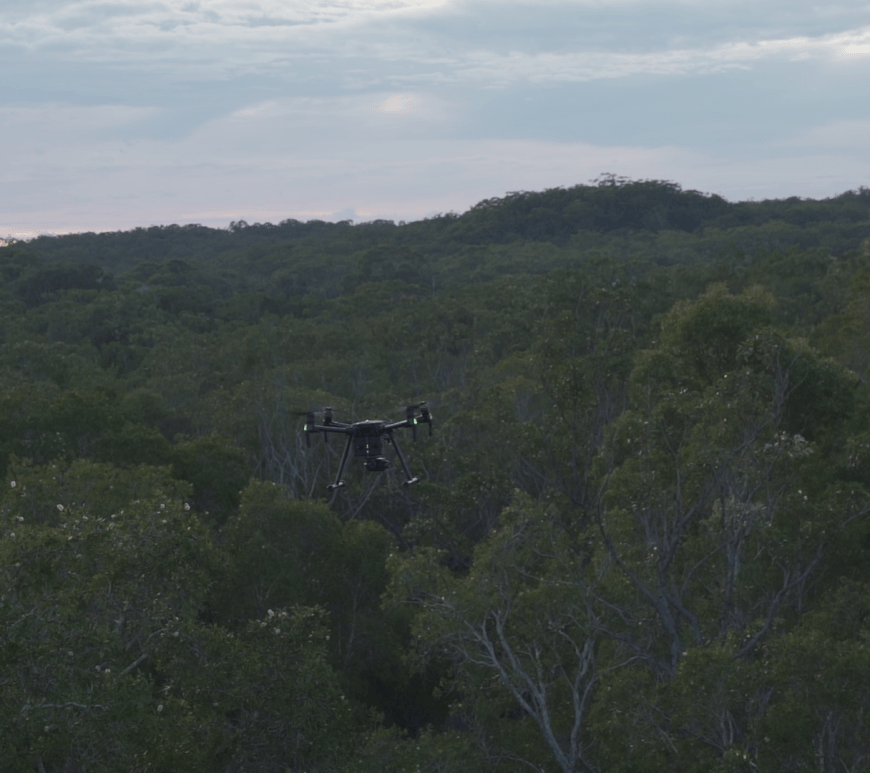
Kal Backman: Human inspired deep learning to locate and classify terrestrial and arboreal animals in thermal drone surveys

Throughout March, we are featuring articles shortlisted for the 2025 Robert May Prize. The Robert May Prize is awarded by the British Ecological Society each year for the best paper in Methods in Ecology and Evolution written by an early career author. Kal Backman’s article ‘Human inspired deep learning to locate and classify terrestrial and arboreal animals in thermal drone surveys‘ is one of those shortlisted for the award. About … Continue reading Kal Backman: Human inspired deep learning to locate and classify terrestrial and arboreal animals in thermal drone surveys
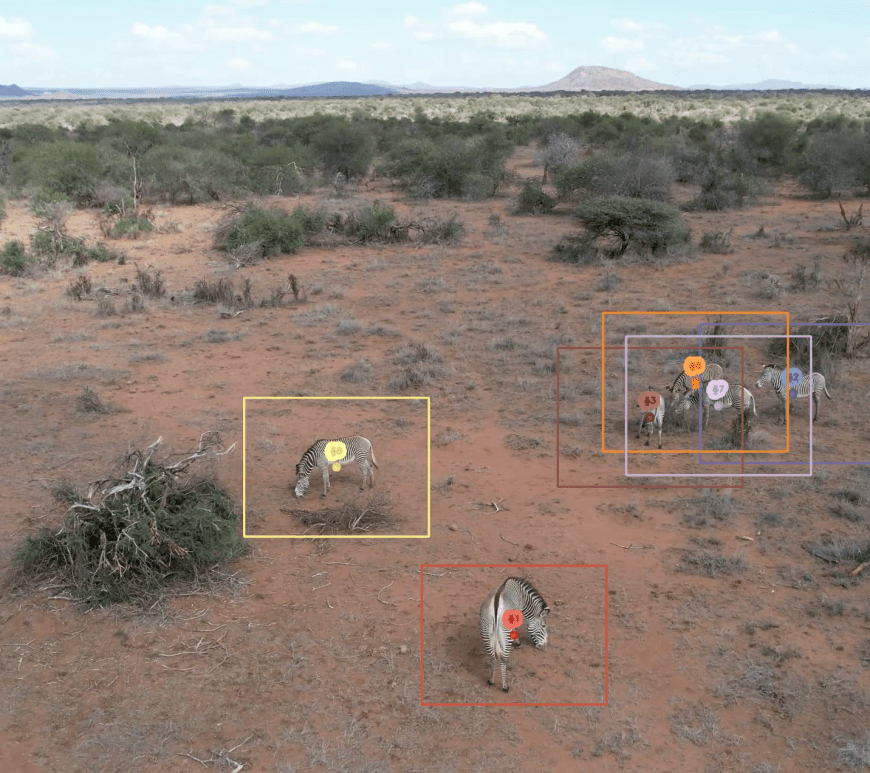
Winner! Jenna Kline: Studying collective animal behaviour with drones and computer vision

Throughout March, we are featuring articles shortlisted for the 2025 Robert May Prize. The Robert May Prize is awarded by the British Ecological Society each year for the best paper in Methods in Ecology and Evolution written by an early career author. Jenna Kline’s article ‘Studying collective animal behaviour with drones and computer vision‘ is the winner of the award. Read all shortlisted articles here. About the paper What is … Continue reading Winner! Jenna Kline: Studying collective animal behaviour with drones and computer vision

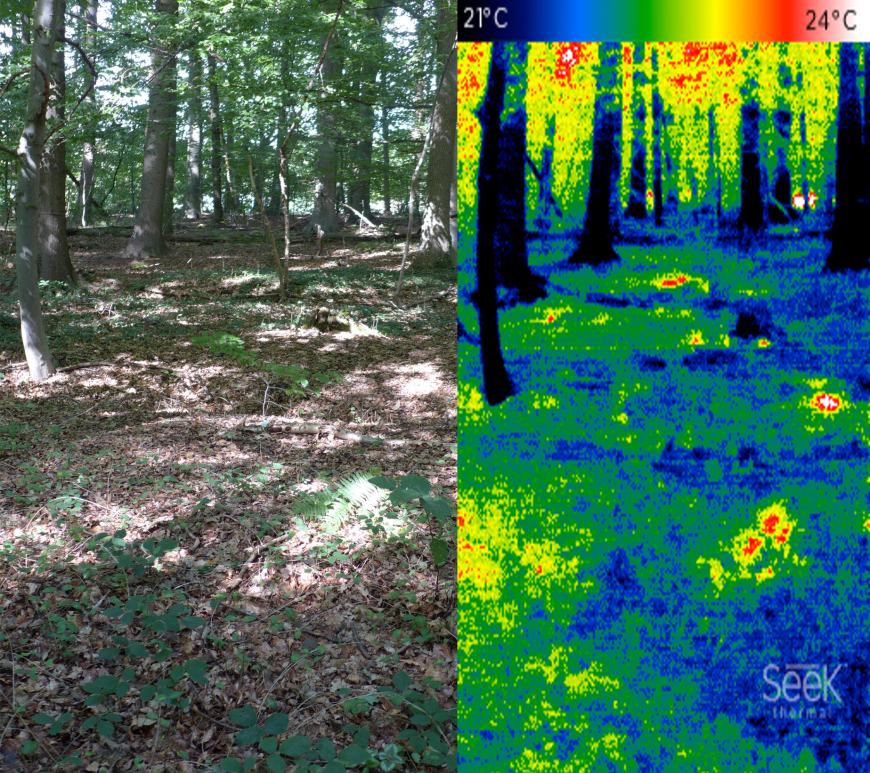
Pieter Sanczuk: Continuous quantification of forest microclimate temperatures in space and time using fibre-optic technology

Throughout March, we are featuring articles shortlisted for the 2025 Robert May Prize. The Robert May Prize is awarded by the British Ecological Society each year for the best paper in Methods in Ecology and Evolution written by an early career author. Pieter Sanczuk’s article ‘Continuous quantification of forest microclimate temperatures in space and time using fibre-optic technology‘ is one of those shortlisted for the award. About the paper What … Continue reading Pieter Sanczuk: Continuous quantification of forest microclimate temperatures in space and time using fibre-optic technology

Or Ben-Zvi: The Benthic Underwater Microscope imaging PAM (BUMP): A non-invasive tool for in situ assessment of microstructure and photosynthetic efficiency

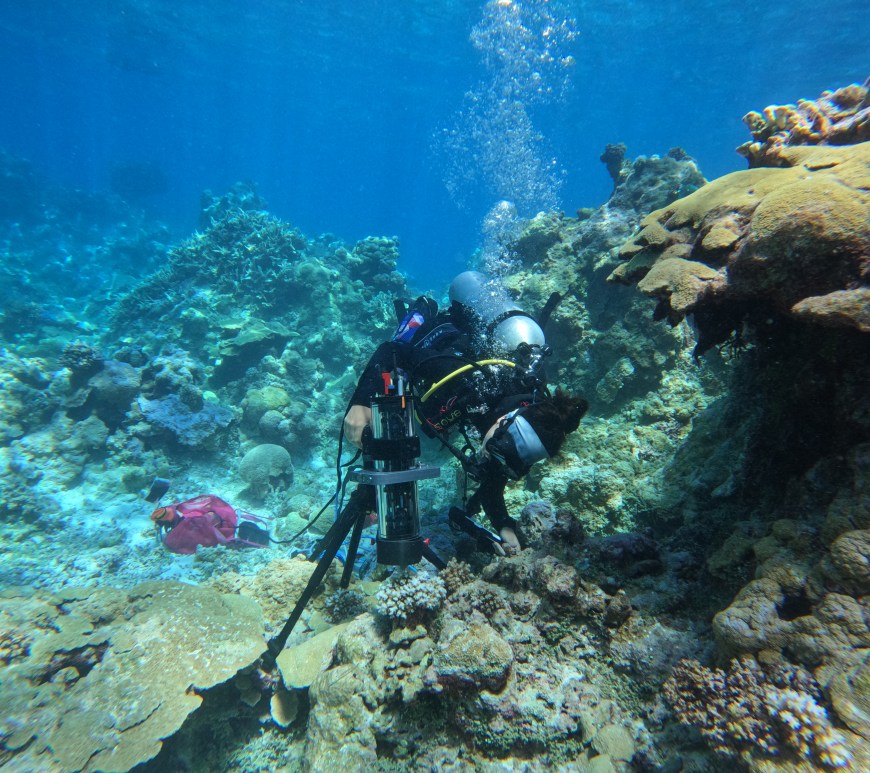
Throughout March, we are featuring articles shortlisted for the 2025 Robert May Prize. The Robert May Prize is awarded by the British Ecological Society each year for the best paper in Methods in Ecology and Evolution written by an early career author. Or Ben-Zvi’s article ‘The Benthic Underwater Microscope imaging PAM (BUMP): A non-invasive tool for in situ assessment of microstructure and photosynthetic efficiency‘ is one of those shortlisted for the … Continue reading Or Ben-Zvi: The Benthic Underwater Microscope imaging PAM (BUMP): A non-invasive tool for in situ assessment of microstructure and photosynthetic efficiency

Reflections from IBAC 2025: bioacoustics, community, and scientific insights

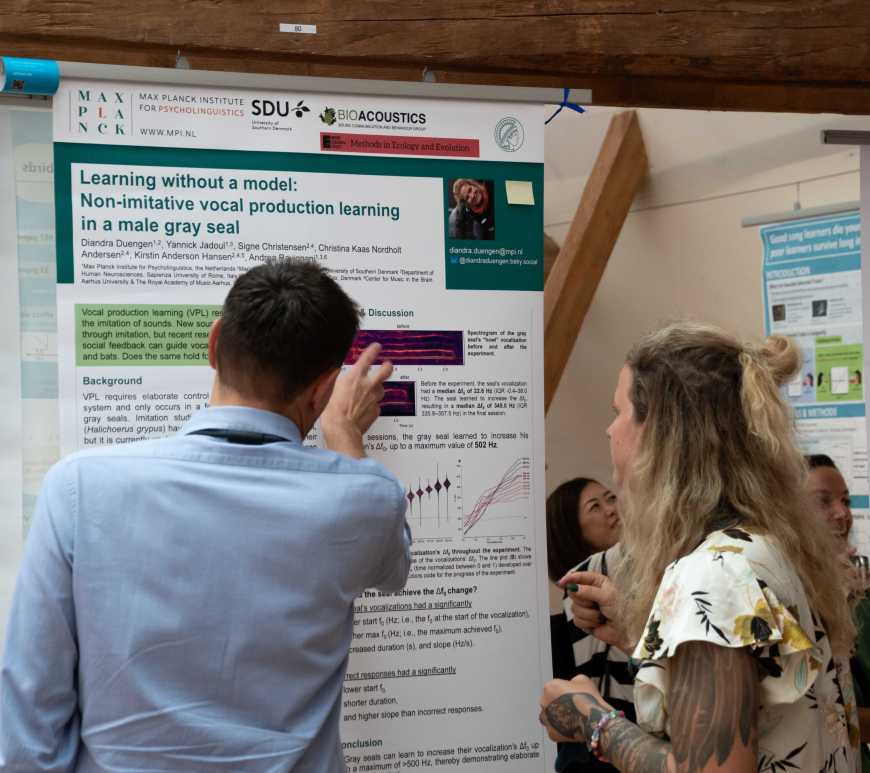
Post provided by Diandra Duengen What is IBAC? In 2025, the biennial meeting of the International Bioacoustics Society (IBAC) took place in Kerteminde, Denmark, the country in which the society was originally founded. IBAC’s aim is “[…] to promote international participation throughout the entire field of bioacoustical activity.” Since IBAC was founded in 1969, 27 bioacoustic symposia and congresses in 13 different countries have been … Continue reading Reflections from IBAC 2025: bioacoustics, community, and scientific insights

2025 Robert May prize shortlist: Methods Ecology and Evolution’s award for early career researchers

The Robert May Prize is awarded by the British Ecological Society each year for the best paper in Methods in Ecology and Evolution written by an early career author. With entries spanning the 16th Volume of the journal, our Senior Editors carefully shortlisted the following 10 papers: Or Ben-Zvi: The Benthic Underwater Microscope imaging PAM (BUMP): A non-invasive tool for in situ assessment of microstructure and photosynthetic efficiency Pieter Sanczuk: … Continue reading 2025 Robert May prize shortlist: Methods Ecology and Evolution’s award for early career researchers

estar: An R package to measure ecological stability

Post provided by Ludmilla Figueiredo Nature is very dynamic: forests transform through the seasons and regrow after fire, insect plagues happen with little to no forewarning, and animals like the Fernandina giant tortoise and the leopard-spotted fish come back from the dead decades after apparent extinction. Some of these changes are part of the natural behaviour of these systems, but some are a response to … Continue reading estar: An R package to measure ecological stability

Integrating multi-gene barcodes with deep learning to classify snails

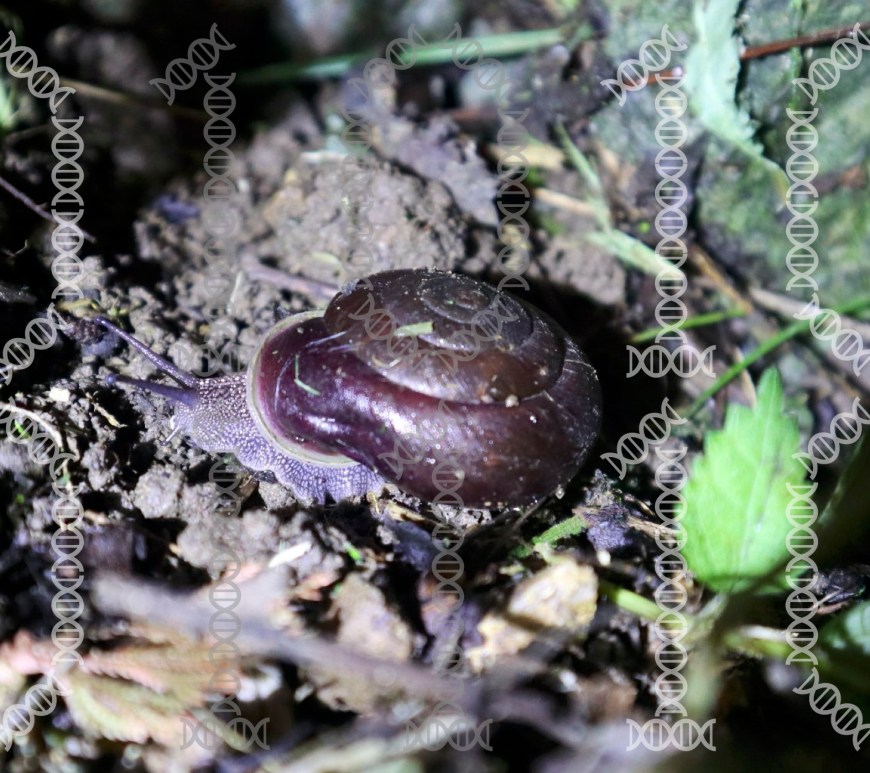
Post provided by Bin Ye Gastropoda animals, such as land, freshwater, and sea snails, have diverse forms and unique life histories, making them an excellent window for exploring biodiversity. In the era of accelerated integration of artificial intelligence and ecology, we have developed the SnailBaLLsp intelligent classification model, aiming to use innovative algorithms to solve traditional classification problems and better serve species identification and evolutionary … Continue reading Integrating multi-gene barcodes with deep learning to classify snails

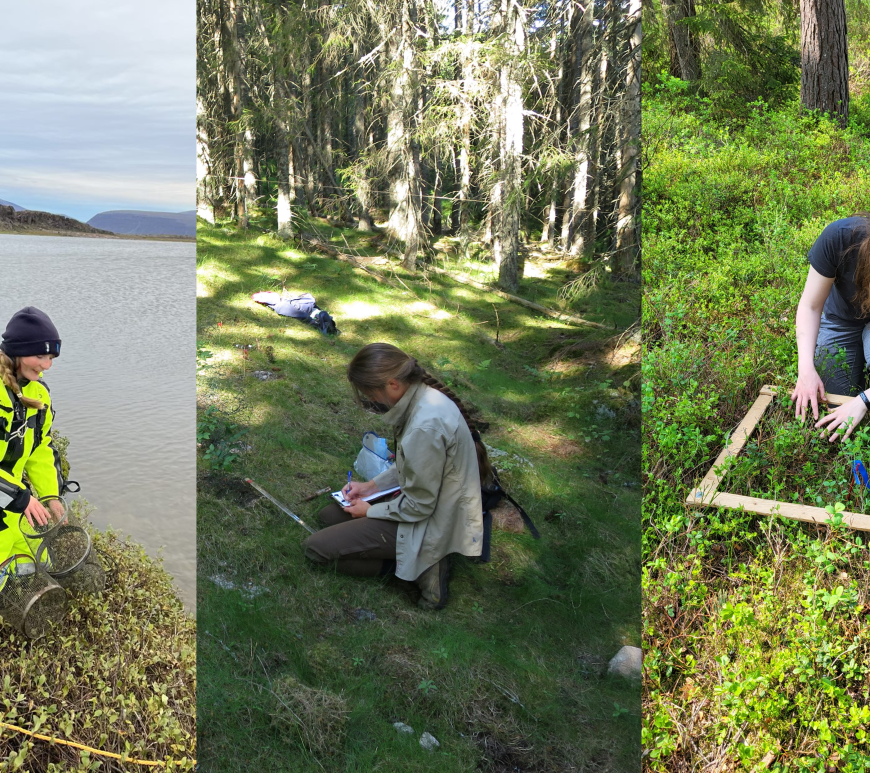
A short guide for effective field data collection

Post provided by Faith Jones, Helen Spence-Jones, and Caroline Greiser Fieldwork is the foundation of ecological science. From observational and monitoring studies, to experiments done in complex real-world conditions, to ground-truthing models: we can’t hope to understand ecology if we don’t actually check what is happening in nature. The love of being outdoors has also attracted many of us to careers in ecology: fieldwork remains … Continue reading A short guide for effective field data collection

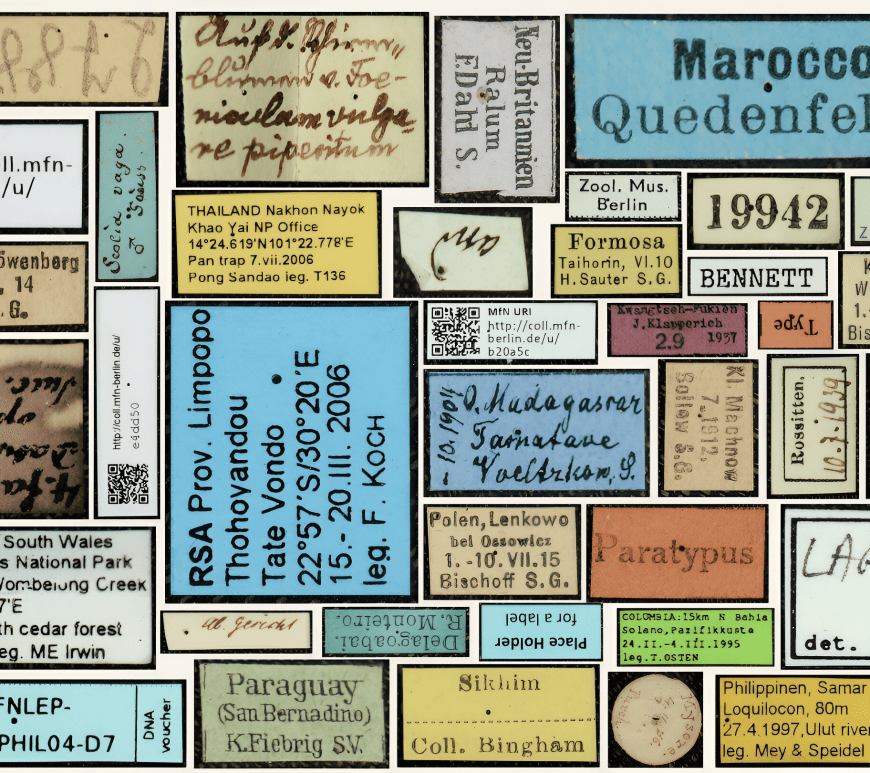
From Trowels to TensorFlow: Bridging the Gap Between Ancient Past and Digital Future

Post provided by Margot Belot If you had asked me a few years ago what I would be doing today, I probably would have told you I’d be digging up ancient artefacts somewhere or cataloguing them in a museum. My background is in Archaeology and Art History; for a long time, my world revolved around the tactile nature of physical objects, carefully handling, describing, and … Continue reading From Trowels to TensorFlow: Bridging the Gap Between Ancient Past and Digital Future