Predictability or pondering prediction

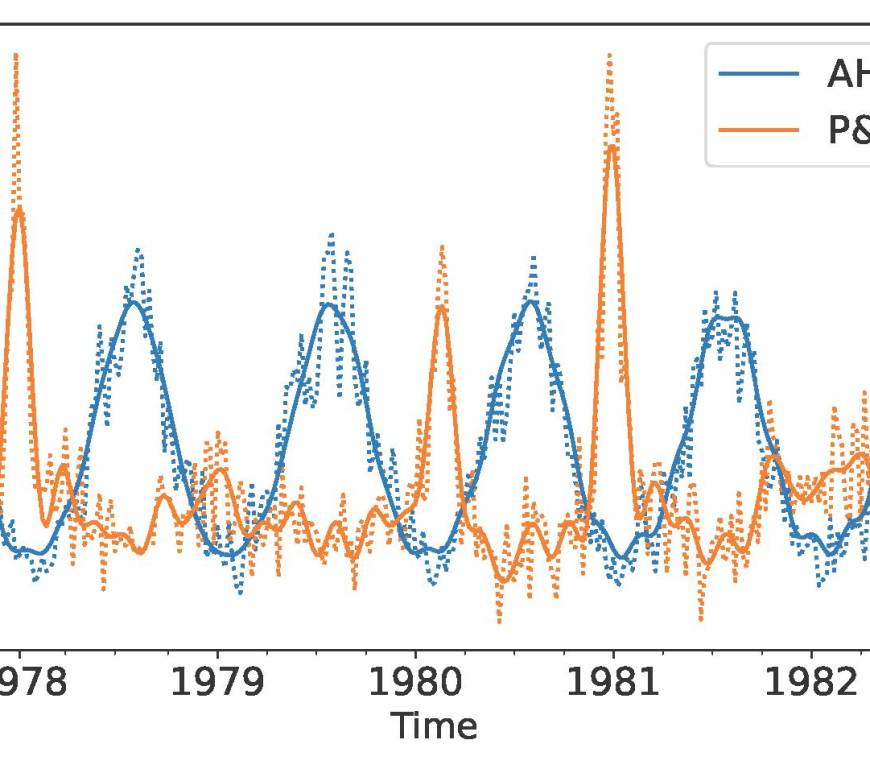
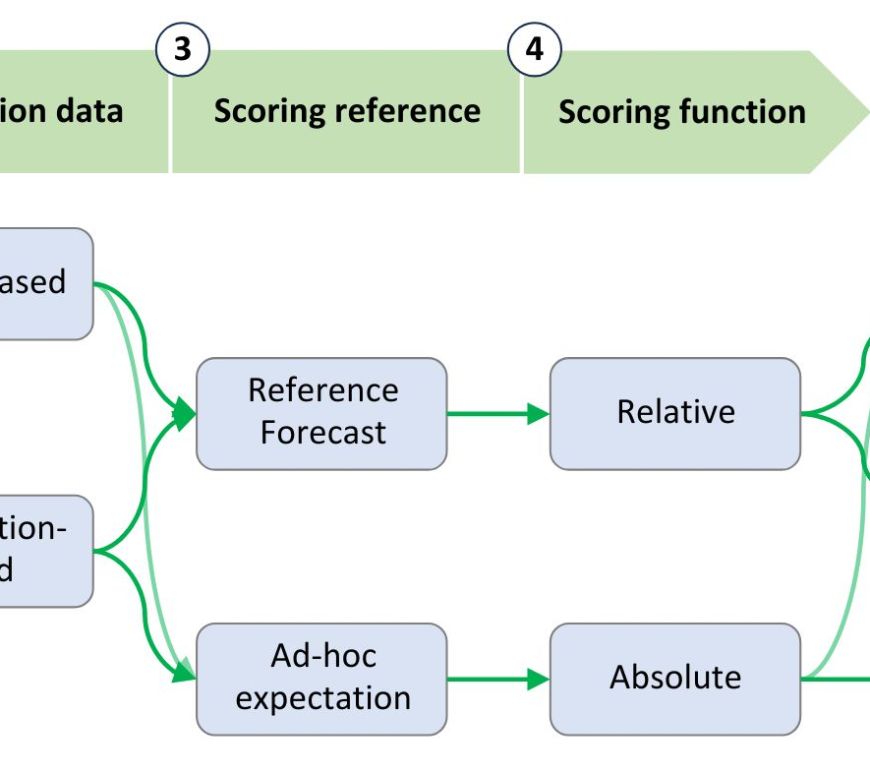
Post provided by Marieke Wesselkamp At the beginning of this project, we often found ourselves contemplating on the evolution of various environmental systems – some vast and global, others local. These were, for example, the trajectory of elephant populations in the Southern African Kruger national park over the next decades, the change in plant species composition on the roof the neighbour’s garage over the months, … Continue reading Predictability or pondering prediction

Simple, intuitive tool for population management decision-making

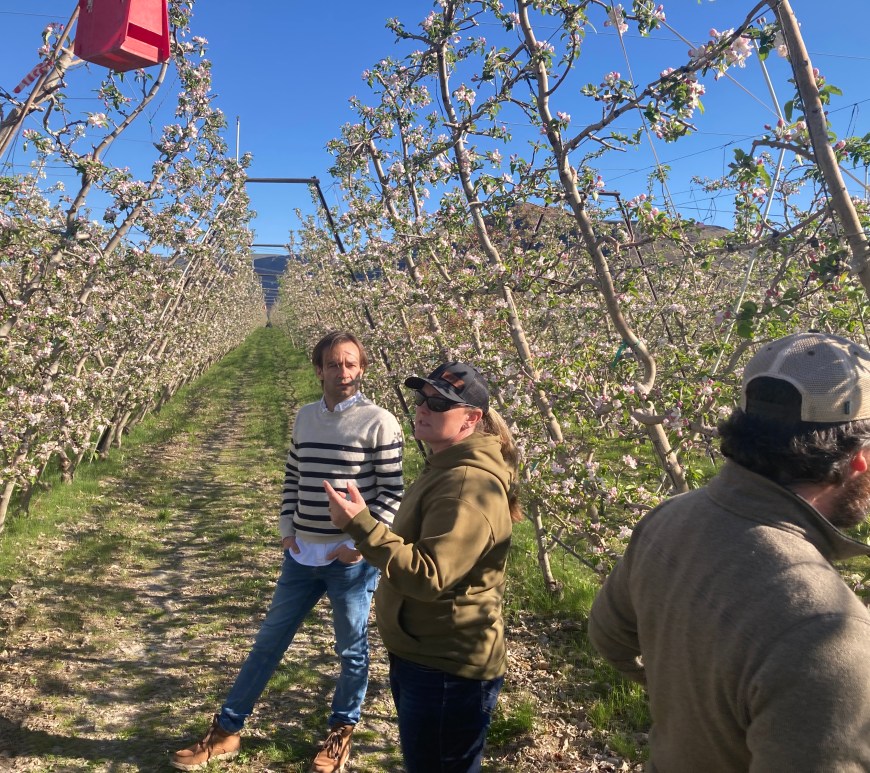
Post provided by Izzy McCabe Predictions of insect populations from phenology models and sampling can help growers manage pests and beneficial insects on their farms. Phenology models relate accumulated heat units after winter to pest development and thereby inform timing of control actions, while sampling relies on regular on-site data collection (daily, weekly, etc.) to measure pest population densities and estimate potential damage. A drawback … Continue reading Simple, intuitive tool for population management decision-making

Improved order selection method for hidden Markov models: a case study with movement data.

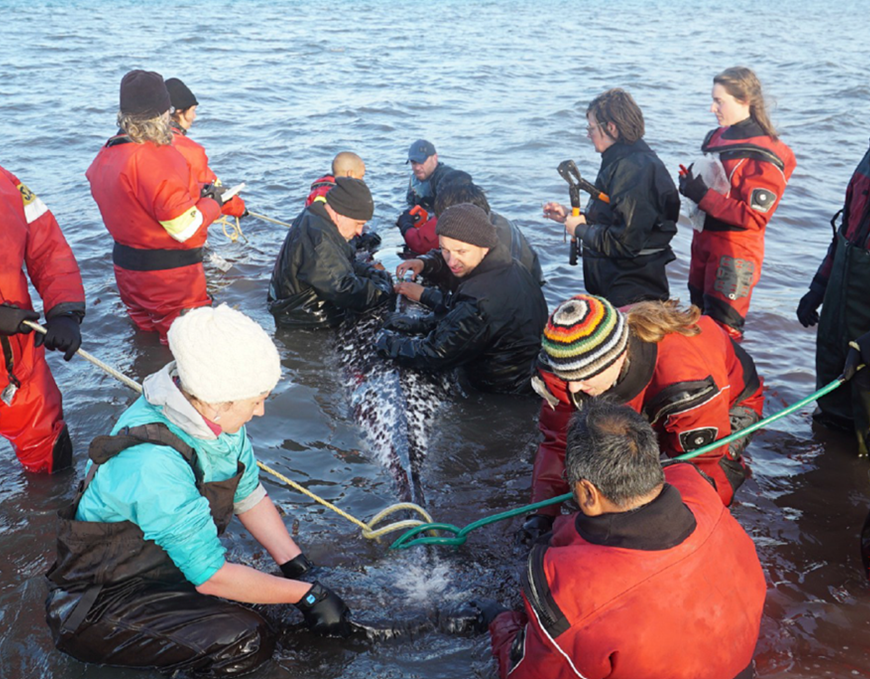
Post provided by Fanny Dupont. About the first author My PhD focuses on animal movement and the impact of vessels on Arctic marine mammals (lab website). Specifically, I develop statistical tools to analyse narwhal (Monodon monoceros) behaviour and assess the effects of increased shipping on marine ecosystems. I am co-supervised by Dr. Marie Auger-Méthé (University of British Columbia) and Dr. Marianne Marcoux (Fisheries and Oceans … Continue reading Improved order selection method for hidden Markov models: a case study with movement data.

Capturing diversity below the species level using HyRAD : a nuclear-DNA enrichment-based capture method (HyRAD) applied to environmental DNA.

Post provided by Stéphanie Manel. Why use HyRAD for eDNA capture? Traditional population genetics approaches require sampling tissue from individuals, which is problematic in aquatic environments where specimen collection is often challenging. Filtering water allows researchers to collect environmental DNA (eDNA), genetic material shed by organisms into their surroundings. Unlike approaches targeting a single DNA barcode, HyRAD allows for the capture of multiple nuclear DNA … Continue reading Capturing diversity below the species level using HyRAD : a nuclear-DNA enrichment-based capture method (HyRAD) applied to environmental DNA.

The Ground Beneath Their Feet: Listening in on Africa’s wildlife using seismic sensors

Post provided by René Steinmann Hi, I’m a geophysicist by training, but I’ve recently shifted my focus from studying the solid Earth to some of its living inhabitants. I now work at the intersection of geophysics, wildlife biology, and machine learning. My recent research brings together these seemingly distant worlds in a project that’s all about listening—not to singing birds, but to the subtle vibrations … Continue reading The Ground Beneath Their Feet: Listening in on Africa’s wildlife using seismic sensors

Tracking animals with particles

Post provided by Edward Lavender, Andreas Scheidegger, Carlo Albert, Stanisław W. Biber, Janine Illian, James Thorburn, Sophie Smout, Helen Moor. It’s morning on Scotland’s west coast. In the Firth of Lorn, the deep-blue water sparkles in the early sunlight. Heading south, I glance back across the sea, taking in the snow-speckled mountains beyond. Two hundred metres below, I know the seascape is just as rugged. … Continue reading Tracking animals with particles

The photo that got away: Camera traps may monitor less space than we think

Post provided by Brendan Carswell. Brendan (he/him/his) is currently a PhD student in Biology at the University of Calgary in the Weaving Wildlife and Land Based Knowledges lab. This paper, however, came from Brendan’s Masters work at the Memorial University of Newfoundland and Labrador in the Wildlife Evolutionary Ecology Lab. Motivation Our research team is interested in facilitating inclusive and accessible wildlife management across Canada. … Continue reading The photo that got away: Camera traps may monitor less space than we think

From lab tanks to river banks: taking fish cognition research into the wild

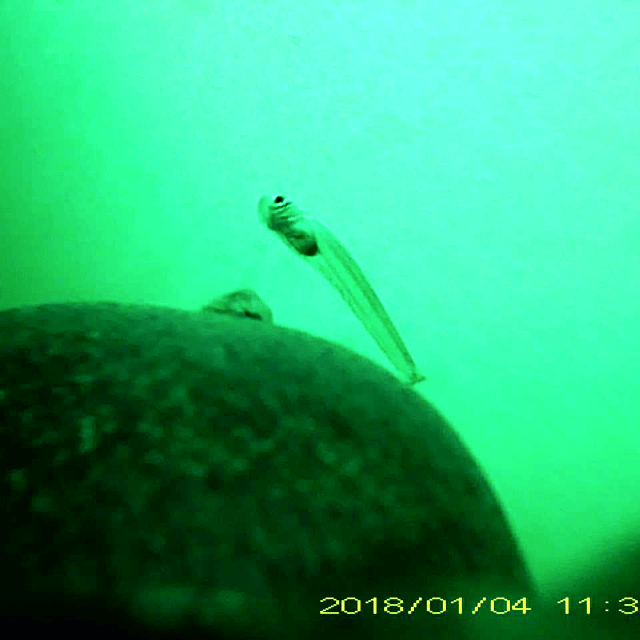
Post provided by Catarina Vila Pouca This post is also available in Portuguese Hello there! My name is Catarina Vila Pouca and I study how and why animals behave and learn in different ways. I have had a passion for sharks and swimming for as long as I can remember, and so in my career I have mostly focused on sharks and fish. My latest … Continue reading From lab tanks to river banks: taking fish cognition research into the wild

From a frustrated undergraduate to a motivated PhD: The story of YOLO-Behaviour for automated behavioural coding from videos

Post provided by Alex Chan Hoi Hang, PhD student, Centre for the Advanced Study of Collective Behaviour, University of Konstanz The story of this project can be traced back to 2019, as a second-year undergraduate in biological sciences at Imperial College London, UK, where I took an animal behaviour course. For one of the hands-on sessions, Dr. Julia Schroeder (who later became my undergraduate and … Continue reading From a frustrated undergraduate to a motivated PhD: The story of YOLO-Behaviour for automated behavioural coding from videos

Addressing observational biases in data-driven approaches of zoonotic hazard prediction

Post provided by Andrea Tonelli Over the past five decades, more than half of emerging infectious diseases in humans originated from animals, with zoonotic pathogens posing a growing threat to global health. Shifts in land use, climate change, direct use of wildlife and biodiversity loss all influence human exposure to pathogens of wild animals, shaping the likelihood of zoonotic spillover events. In the wake of … Continue reading Addressing observational biases in data-driven approaches of zoonotic hazard prediction