Into the Swarm-Verse: quantifying collective motion across species and contexts

Post provided by Marina Papadopoulou Authors We are three researchers interested in collective animal behaviour. Marina Papadopoulou is a postdoctoral researcher at Tuscia University in Italy, Simon Garnier is a Professor at the New Jersey Institute of Technology (USA), and Andrew King is an Associate Professor at Swansea University (UK). As a Greek-French-Welsh team with empirical, mathematical, and computational backgrounds in different study systems, we … Continue reading Into the Swarm-Verse: quantifying collective motion across species and contexts

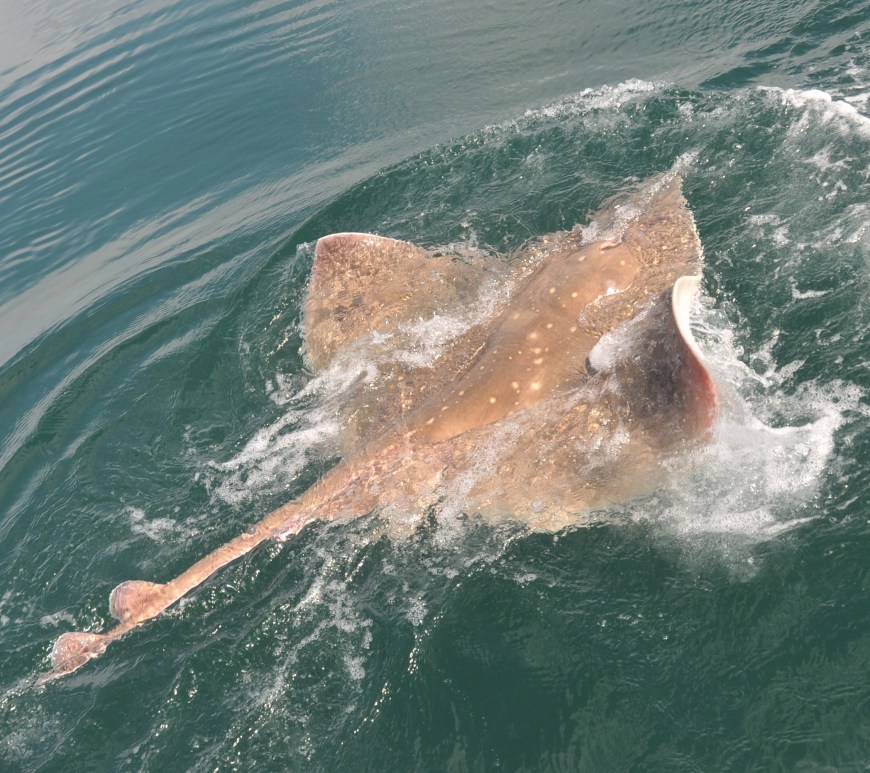
Avoiding Confusion: Modelling Image Identification Surveys with Classification Errors

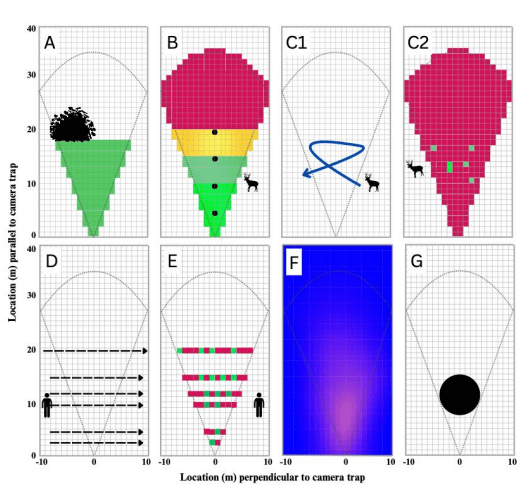
Post provided by Jon Barry We are a group comprised of statisticians, ecologists and a computer scientist. Back in 2021 when this work started, we were all employed at the Centre for Environment, Fisheries and Aquacultural Science (Cefas) at Lowestoft, U.K. Since then, Robert, our computer scientist, has ‘jumped ship’ (no pun intended) to the Alan Turing Institute. We were aware that AI image recognition … Continue reading Avoiding Confusion: Modelling Image Identification Surveys with Classification Errors

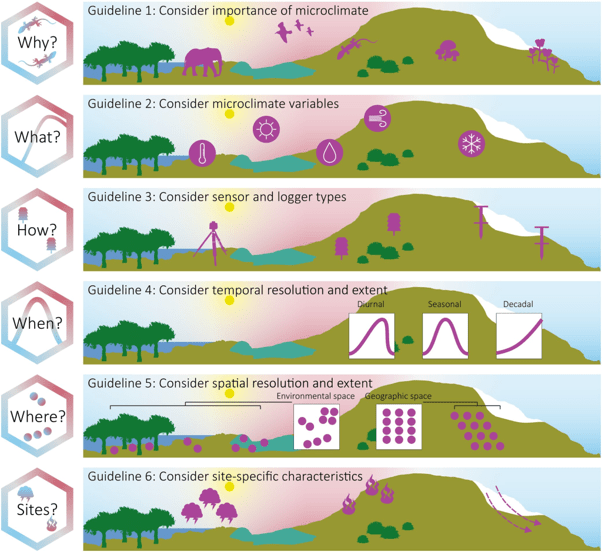
Ten practical guidelines for microclimate research in terrestrial ecosystems

Post provided by  Jonas Lembrechts. Blogpost adapted from: http://www.the3dlab.org: Ten practical guidelines | The 3D lab Ecologists and biogeographers are increasingly recognizing the critical role of microclimate in addressing a wide range of research questions. Consequently, many researchers are incorporating microclimate sensors into their studies. While deploying these sensors might seem straightforward—simply plugging them in and collecting data—there are numerous important factors to consider. Until … Continue reading Ten practical guidelines for microclimate research in terrestrial ecosystems

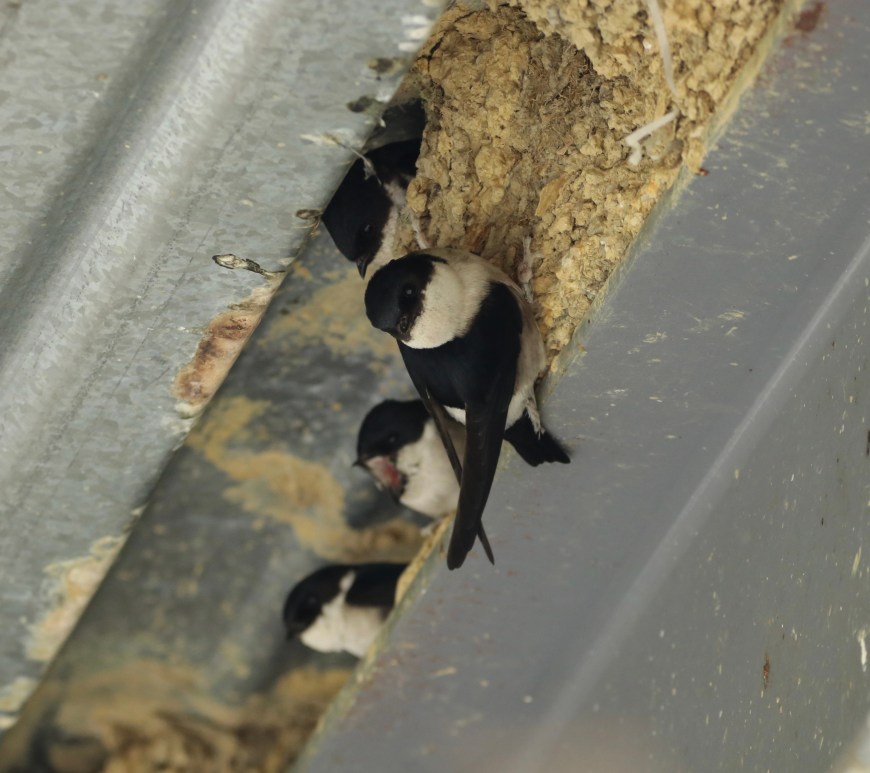
Look inside: a handy tool for casting the enclosed nest structure of birds

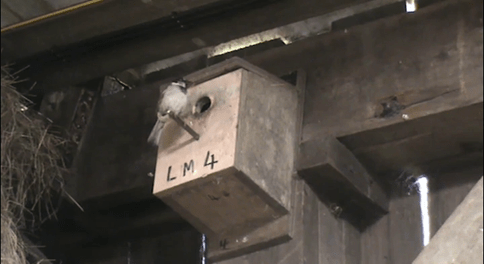
Post provided by Jing-Chia Guo. To understand something, we often describe its appearance and shape: The ball is round, the can is cylinder, and the pillow is kind of rectangle. However, most natural creatures are irregular in shape, so it’s difficult for people to quantify or define them. Sometimes, scientists are even unable to get their hands on the objects they need, and that is … Continue reading Look inside: a handy tool for casting the enclosed nest structure of birds

For worse and for better: the complicated marriage between biologging and wild animal welfare

Post provided by Michaël Beaulieu A cold Encounter in the Wild When talking about animal welfare to scientists who commonly use biologging tools to monitor the behaviour or physiology of wild animals in an ecological or conservation context, I have noticed that the first thing that usually comes to mind for them is the unwanted impact that biologging may have on animal welfare. Much has … Continue reading For worse and for better: the complicated marriage between biologging and wild animal welfare

Key Concepts in Ecology: Competition 

This blog post on ‘Competition’ is part of the BES ‘Key Concepts in Ecology’ series, designed to help ecologists in learning the key topics in ecology! Take a look at the full series for a list of key topics you might typically find in an ecology textbook, each providing a quick introduction to the topic, and a list of suggested papers for students to refer … Continue reading Key Concepts in Ecology: Competition 

ToxTrac: A free and user-friendly animal tracking software

Post provided by Magnus Andersson Animal tracking software no longer has to be costly or require advanced computational science skills to operate. Over the last decade, a significant number of free animal tracking software options have been released. However, many of these options suffer from infrequent updates and demand considerable computational expertise to utilize effectively. To address this issue, the creators of ToxTrac launched the … Continue reading ToxTrac: A free and user-friendly animal tracking software

Key Concepts in Ecology: Adaptations to variable environments 

This blog post on ‘Adaptations to variable environments’ is part of the BES ‘Key Concepts in Ecology’ series, designed to help ecologists in learning the key topics in ecology! Take a look at the full series for a list of key topics you might typically find in an ecology textbook, each providing a quick introduction to the topic, and a list of suggested papers for … Continue reading Key Concepts in Ecology: Adaptations to variable environments 

The buzzOmeter: Recording buzzing insects in motion

Post provided by Marta Skowron Volponi Has the buzzing sound of a wasp flying past your ear ever made you recoil in fear of being stung? What if these buzzes are a warning display aimed at potential predators, just like the bees’ and wasps’ bright colouration that sends a message: “don’t touch me, I’m dangerous”? Or perhaps they are audio messages meant for other wasps? … Continue reading The buzzOmeter: Recording buzzing insects in motion

Using citizen science photos to perform phenological studies

Post provided by Yves P. Klinger (he/him)

Photos collected by citizen scientists are a rich source of information that is still relatively unexplored. Phenology, the study of recurring biological events, could make use of photos taken by citizen scientists at different times, but accessing and preparing the plethora of publicly available data is challenging. In this post, Yves P. Klinger describes the motivation behind developing a workflow for using citizen science photos for phenological research, as featured in the paper “iPhenology – using open-access citizen science photos to track phenology at continental scale”.

Continue reading “Using citizen science photos to perform phenological studies”