Editor Recommendation: Accounting for Genetic Differences among Unknown Parents in Microevolutionary Studies
Post provided by Laura Graham
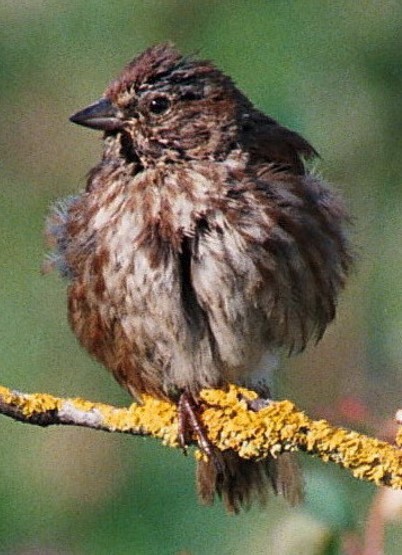
Understanding how wild populations respond and adapt to environmental change is a key question in evolutionary biology. To understand this, we need to be able to separate genetic and environmental effects on phenotypic variation. Statistical ‘animal models’, which can do just this, have revolutionised the field of quantitative genetics. A lack of full knowledge of individual pedigrees can lead to severe bias in quantitative genetic parameter estimates though – particularly when genetic values for focal traits vary non-randomly in unknown parents.
In the Journal of Animal Ecology ‘How To…’ paper “Accounting for genetic differences among unknown parents in microevolutionary studies: how to include genetic groups in quantitative genetic animal models”, the extent of this bias is highlighted. Matthew Wolak and Quantitative Ecology 2018 keynote speaker Jane Reid show how genetic group methods – a technique developed in agricultural science – can be employed to minimise it. Continue reading “Editor Recommendation: Accounting for Genetic Differences among Unknown Parents in Microevolutionary Studies”


 Methods Blog