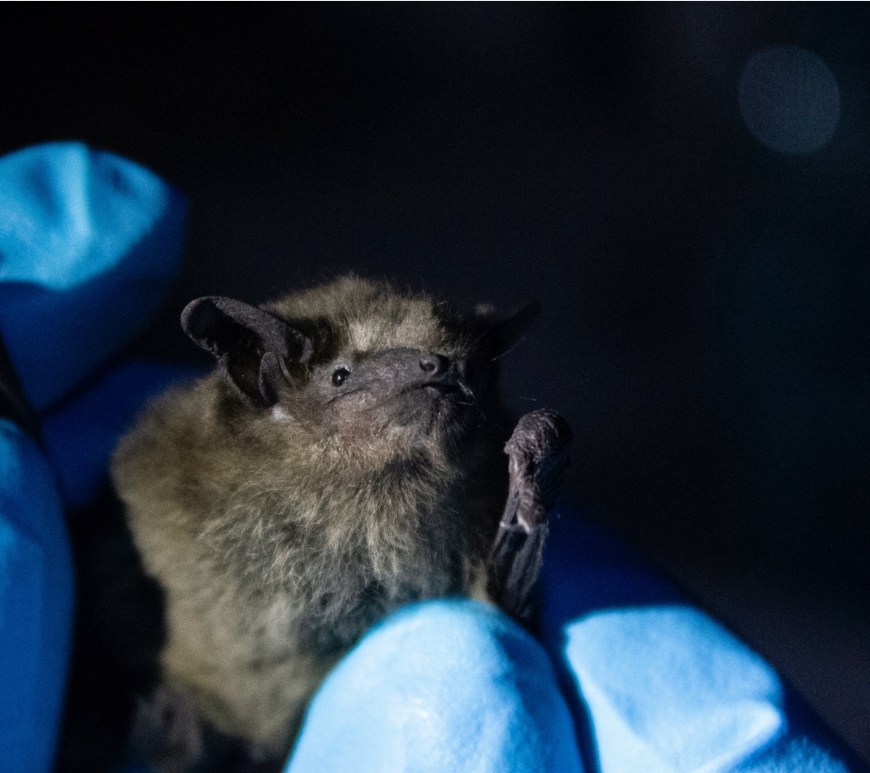
Teaching Models to Listen to Bats: The Story Behind BSG-BATS

Post provided by Katarina Meramo Bats are extraordinary animals. They fly, echolocate, and navigate in absolute darkness, and produce some of the most complex acoustic signals in the mammalian world. They pollinate, disperse seeds, control insect populations, and quietly hold ecosystems together. Yet, despite their importance, monitoring bats – particularly across large spatial and temporal scales – remains remarkably challenging. Over the past decade, bioacoustic … Continue reading Teaching Models to Listen to Bats: The Story Behind BSG-BATS

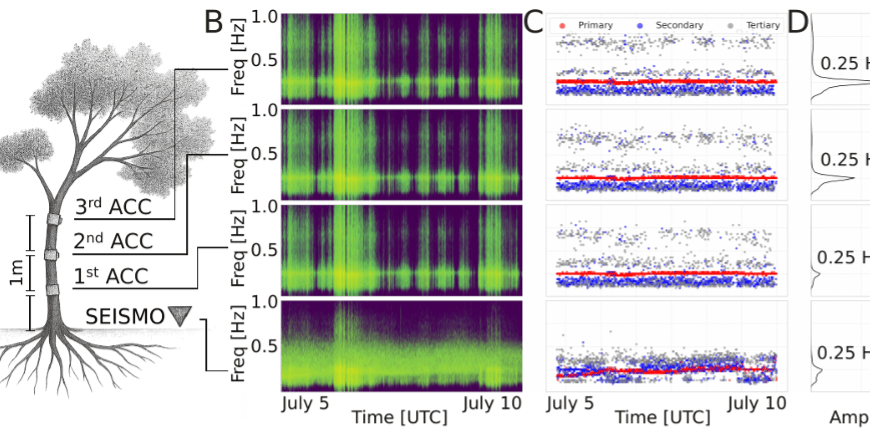
Listening to trees: uncovering the seismic fingerprint of wind-induced tree sway

Post provided by Josefine Umlauft. We are a group of geophysicists, mathematicians, and ecologists who normally speak quite different scientific languages. This project brought us together through a shared curiosity: could the instruments and analytical tools originally developed for studying earthquakes also help us understand how trees move in the wind? The result, The Seismic Fingerprint of Wind-Induced Tree Sway, grew out of conversations between … Continue reading Listening to trees: uncovering the seismic fingerprint of wind-induced tree sway

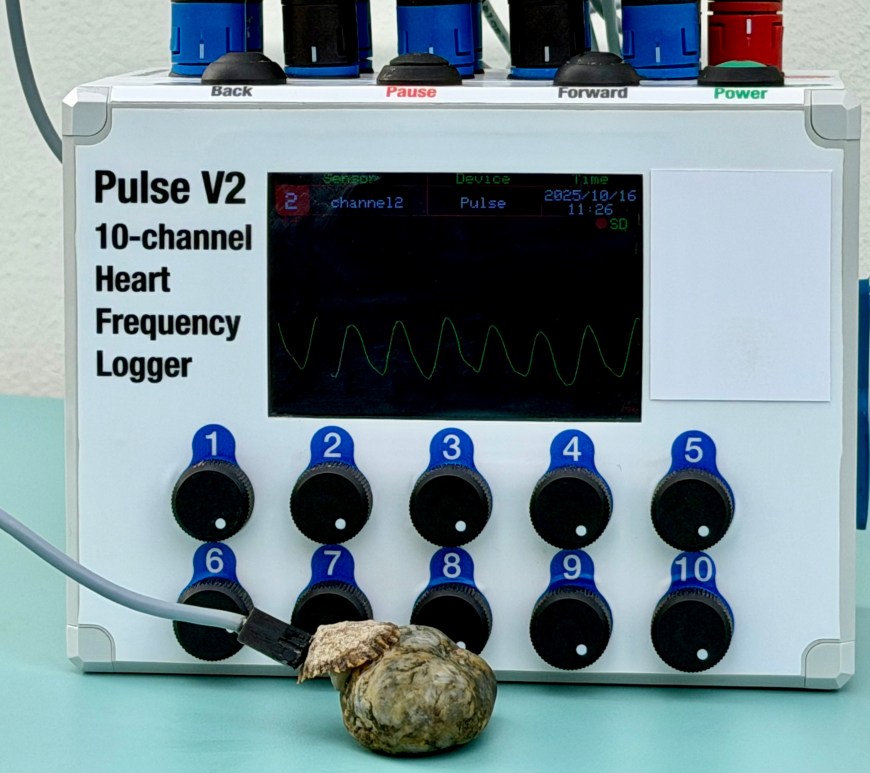
Peering through the shell: tracking stress with heartbeats

Post provided by Lima F. P.; Pereira F. L.; Loureiro B.; Humet M.; Seabra R. How can we tell when an animal is stressed, long before it dies? For marine invertebrates like mussels, limpets, oysters, or crabs, one of the clearest signals comes from their hearts. Heart rate can vary in response to changes in the environment (such as temperature or oxygen), offering a non-invasive … Continue reading Peering through the shell: tracking stress with heartbeats

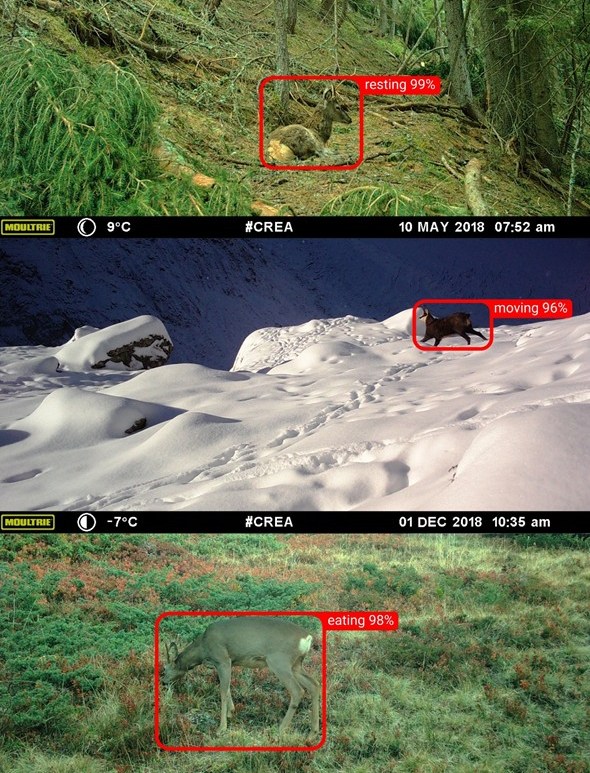
Can we identify animal behaviours from camera traps without training new AI models?

Post provided by Gaspard Dussert. My name is Gaspard Dussert, and I am a PhD student at the Université Lyon 1, working in the Laboratory of Biometry and Evolutionary Biology (LBBE). My research combines artificial intelligence (AI) with ecology, focusing on automating wildlife monitoring from camera trap images. Camera traps are motion-activated cameras placed in the wild. They are incredibly powerful tools in ecology, helping … Continue reading Can we identify animal behaviours from camera traps without training new AI models?

Supporting safe and equitable access to field research

To celebrate Pride Month 2025, we are excited to share a series of blogs and podcasts highlighting useful articles and resources for LGBTQIA+ ecologists and researchers. In each post, the authors behind these resources explain what they are, how they came to produce them, and why they are important. In this post, Elizabeth shares fieldwork advice for researchers with marginalized identities. Post provided by Elizabeth N. … Continue reading Supporting safe and equitable access to field research

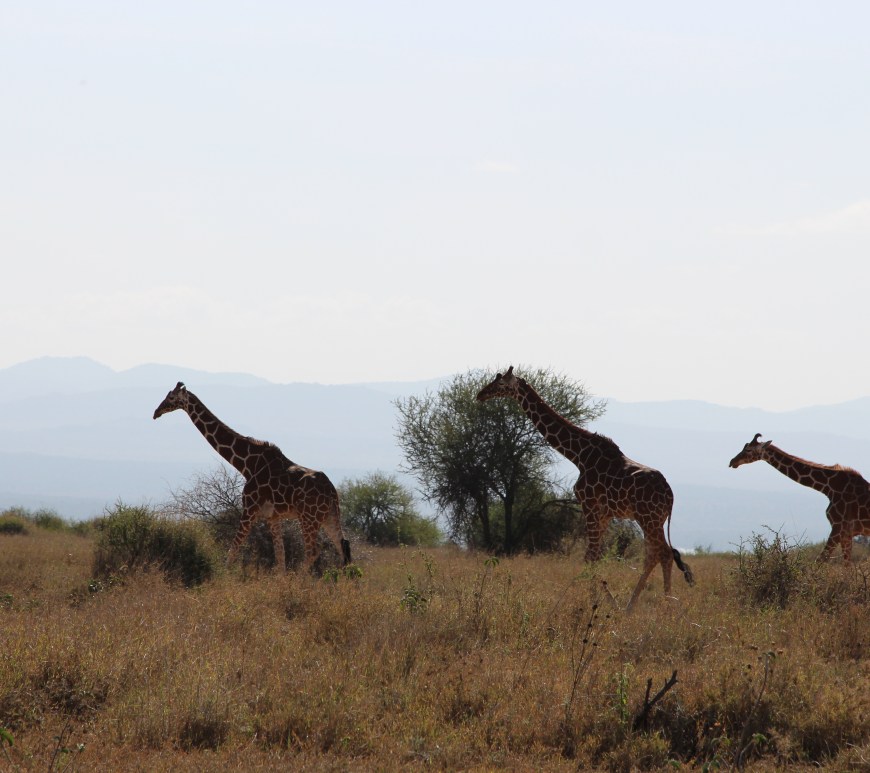
The Ground Beneath Their Feet: Listening in on Africa’s wildlife using seismic sensors

Post provided by René Steinmann Hi, I’m a geophysicist by training, but I’ve recently shifted my focus from studying the solid Earth to some of its living inhabitants. I now work at the intersection of geophysics, wildlife biology, and machine learning. My recent research brings together these seemingly distant worlds in a project that’s all about listening—not to singing birds, but to the subtle vibrations … Continue reading The Ground Beneath Their Feet: Listening in on Africa’s wildlife using seismic sensors

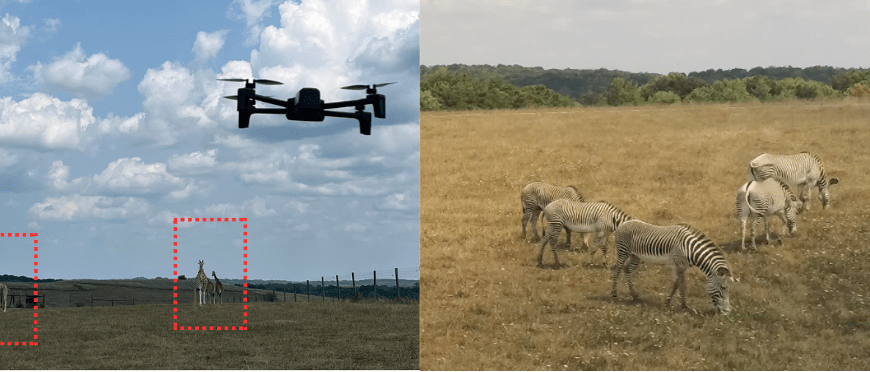
From Kenya to Ohio – the inspiration for WildWing: an open-source, autonomous and affordable unmanned aerial system for animal behavioural video monitoring

Post provided by Jenna Kline, PhD Candidate, Department of Computer Science and Engineering, The Ohio State University, Columbus, OH, USA The story of the WildWing project began in 2022 when I enrolled in the Experiential Introduction to Imageomics course. For the fieldwork component of the course, I travelled to the Mpala Research Centre in Laikipia, Kenya. My course project advisors, Dr Tanya Berger-Wolf and Dr … Continue reading From Kenya to Ohio – the inspiration for WildWing: an open-source, autonomous and affordable unmanned aerial system for animal behavioural video monitoring

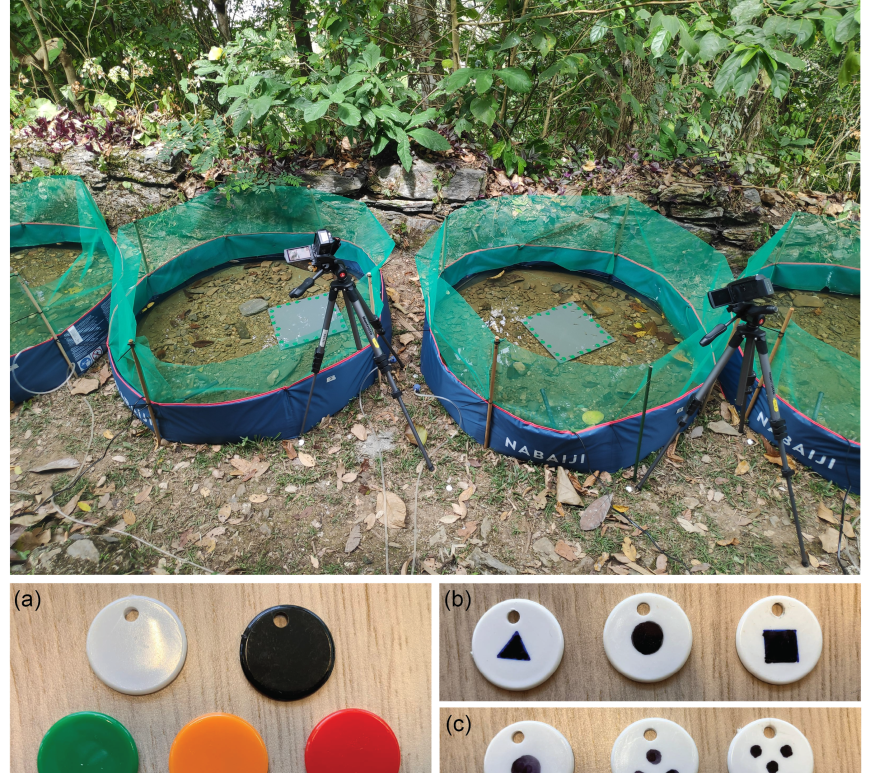
From lab tanks to river banks: taking fish cognition research into the wild

Post provided by Catarina Vila Pouca This post is also available in Portuguese Hello there! My name is Catarina Vila Pouca and I study how and why animals behave and learn in different ways. I have had a passion for sharks and swimming for as long as I can remember, and so in my career I have mostly focused on sharks and fish. My latest … Continue reading From lab tanks to river banks: taking fish cognition research into the wild

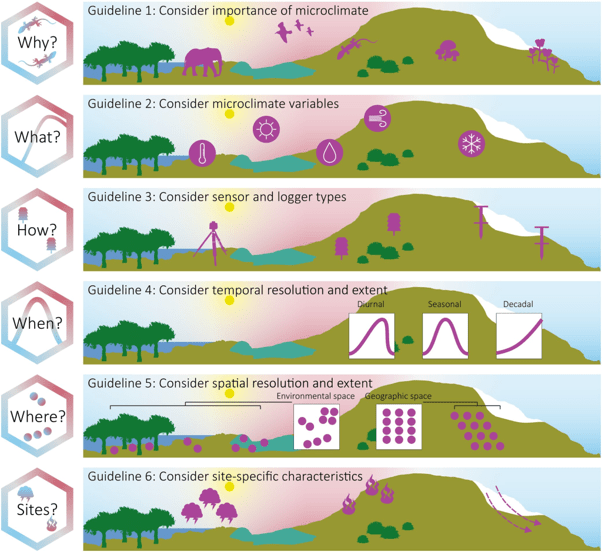
Ten practical guidelines for microclimate research in terrestrial ecosystems

Post provided by  Jonas Lembrechts. Blogpost adapted from: http://www.the3dlab.org: Ten practical guidelines | The 3D lab Ecologists and biogeographers are increasingly recognizing the critical role of microclimate in addressing a wide range of research questions. Consequently, many researchers are incorporating microclimate sensors into their studies. While deploying these sensors might seem straightforward—simply plugging them in and collecting data—there are numerous important factors to consider. Until … Continue reading Ten practical guidelines for microclimate research in terrestrial ecosystems

Look inside: a handy tool for casting the enclosed nest structure of birds

Post provided by Jing-Chia Guo. To understand something, we often describe its appearance and shape: The ball is round, the can is cylinder, and the pillow is kind of rectangle. However, most natural creatures are irregular in shape, so it’s difficult for people to quantify or define them. Sometimes, scientists are even unable to get their hands on the objects they need, and that is … Continue reading Look inside: a handy tool for casting the enclosed nest structure of birds