Commissioning Excellence: Insights from Hooman Latifi, Commissioning Editor for Methods

Hi there! I’m Hooman Latifi, an Associate Professor of Ecological Remote Sensing. With an academic background in Forest Inventory, Remote Sensing and Aerial Photogrammetry at diverse universities in Germany and Iran, I am currently affiliated with the Dept. of Photogrammetry and Remote Sensing of the K. N. Toosi University of Technology, the oldest technical university in Iran. My main research line focuses on using satellite … Continue reading Commissioning Excellence: Insights from Hooman Latifi, Commissioning Editor for Methods

Welcoming our new Methods in Ecology and Evolution Associate Editors

Methods in Ecology and Evolution is delighted to announce 13 new Associate Editors who have joined the Editorial Board following our latest open call across all seven BES journals Dr Timo AdamUniversity of Copenhagen, Denmark My research focuses on the development, implementation, and application of innovative statistical methods for stochastic processes, particularly hidden Markov models and their flexible extensions. I am particularly interested in statistical … Continue reading Welcoming our new Methods in Ecology and Evolution Associate Editors

Do-it-yourself fishing and climate scenario experiments with a marine ecosystem model

Post provided by Michael Heath, Tom Doherty,  Jack Laverick & Douglas Speirs

Herring is a planktivorous fish species. Credit: Atle Grimsby.

World Fisheries Day, celebrated on November 21, is dedicated to highlighting the critical importance of healthy ocean ecosystems and to ensure sustainable stocks of fisheries in the world. Pressure to find ecologically sustainable strategies for harvesting food from the sea is getting ever stronger, especially in the face of changing climate. However, the question is complex because the harvestable species live in a complex food web where everything is directly or indirectly connected to everything else. Models for carrying out scenario analyses on the impact of fisheries management options on food webs are usually the preserve of trained experts.

In this blog post, Michael Heath of the University of Strathclyde guides us through how using a new marine modelling package and online app, published in their recent Methods in Ecology and Evolution paper ‘StrathE2E2: An R package for modelling the dynamics of marine food webs and fisheries.’, makes these analyses easily accessible to anyone with just basic website skills.

Continue reading “Do-it-yourself fishing and climate scenario experiments with a marine ecosystem model”

Trash Talking: Every Litter Bit Hurts

Post provided by Chloe Robinson

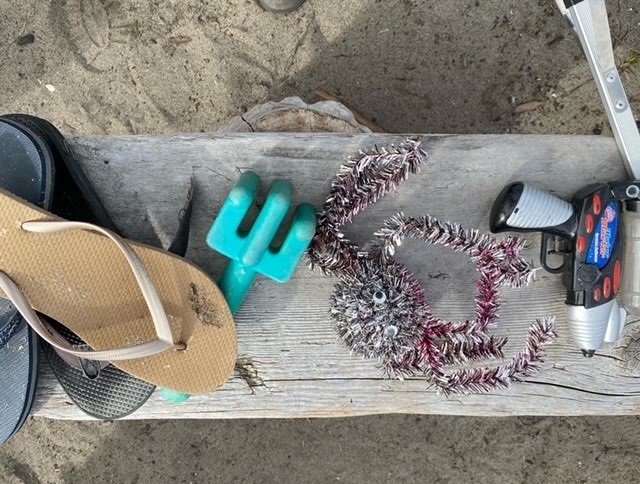
Trash collected from a beach clean at Buccaneer Bay Provincial Park, BC in collaboration with Pender Harbour Ocean Discovery Station (PODS) and the Loon Foundation. Picture credit: Jessica Scott.

It is no surprise that COVID-19 has changed the course of a substantial number of things in the world since the start of the pandemic. One of the most understated impacts is the devastating reversal of many years’ worth of fighting plastic pollution. In the wake of International Coast Cleanup Day and World Environmental Health Day, Associate Editor Dr. Chloe Robinson will be discussing the impacts of marine litter and plastic pollution on marine life and how the Great Canadian Shoreline Cleanup program is working to stop the leak of litter and plastic pollution into the ocean.

Continue reading “Trash Talking: Every Litter Bit Hurts”

International Bat Appreciation Day: Giving thanks to the real superheroes of the sky

Post provided by Chloe Robinson

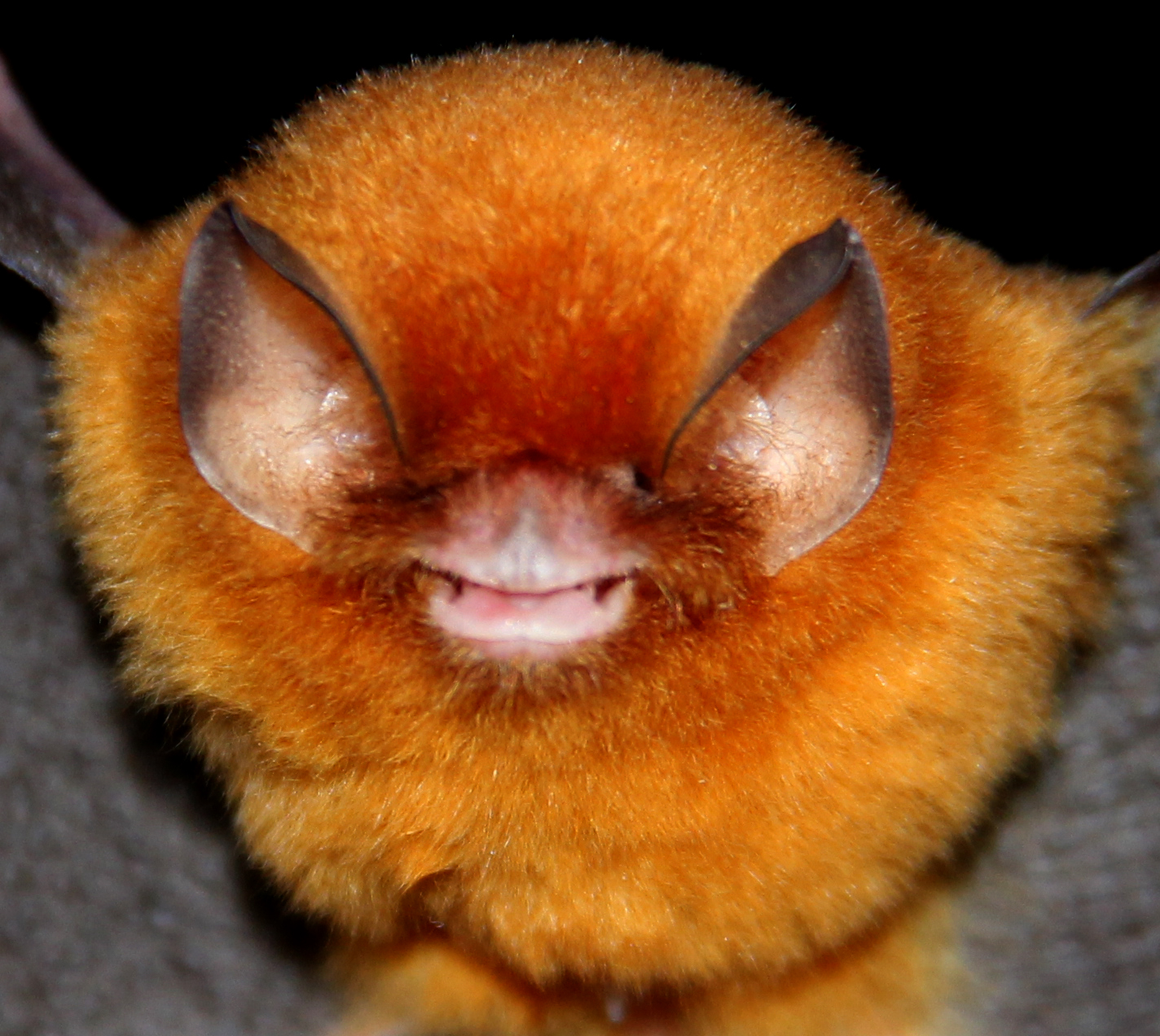
Mexican greater funnel-eared bat (Natalus mexicanus). Credit: Veronica Zamora-Gutierrez.

Bat Conservation International (BCI), founded in 1982, aims to conserve bats and their habitats through a combination of education, conservation, and research. Bats worldwide contribute towards controlling pests, create rich fertilizer for landowners, and pollinate fruit and flowers. BCI introduced International Bat Appreciation Day to increase awareness about bats and what they do for our environment.

In this post, associate editor Chloe Robinson will be summarising the various MEE published methods for bat monitoring and how technological developments have allowed us to further look and listen into the lives of these incredible creatures.

Continue reading “International Bat Appreciation Day: Giving thanks to the real superheroes of the sky”

International Day of Forests: Generation Restoration

Post provided by Chloe Robinson

Credit: Food and Agriculture Organization of the United Nations.

Forests, across all ecozones and in all shapes and sizes, are essential for life on earth. Around 80% of the world’s land-based biodiversity call forests home and over 1 billion people, including more than 2,000 Indigenous cultures, rely on forests for food, shelter, energy and income. As with many other ecosystems, forests worldwide are under increasing threat from human activities, with the current rate of deforestation estimated at 13 million hectares per year.

Continue reading “International Day of Forests: Generation Restoration”

International Women’s Day 2021: Top Women-Led Posts from 2020

Post provided by Chloe Robinson

Picture credit: Chloe Robinson.

“A challenged world is an alert world. Individually, we’re all responsible for our own thoughts and actions – all day, every day.” This is a quote from the International Women’s Day 2021 website, where this year, the campaign theme is #ChooseToChallenge.

International Women’s Day is a global day celebrating the social, economic, cultural and political achievements of women. The day also marks a call to action for accelerating women’s equality. This year, Associate Editor Chloe Robinson has selected her top four women-led Methods in Ecology and Evolution blog posts from 2020 and highlights the author’s contributions to the MEE blog.

Continue reading “International Women’s Day 2021: Top Women-Led Posts from 2020”

World Wetlands Day: Wetlands and Water

Post provided by Chloe Robinson

World Wetlands Day 2021 shines a spotlight on wetlands as a source of freshwater and encourages actions to restore them and stop their loss. Credit: Ramsar.org.

It doesn’t come as a surprise that healthy wetland systems are linked with freshwater quality. Wetlands form vital habitats for global biodiversity, help combat climate change through storage of carbon and offer defenses against flooding. Freshwater resources, including wetlands, are under increasing pressure from over-abstraction, pollution and habitat destruction among other threats, which is directly contributing to the current global freshwater crisis that threatens people and our planet.

February 2nd each year is World Wetlands Day, which aims to raise global awareness about the vital role of wetlands. This year, the 2021 campaign highlights the contribution of wetlands to the quantity and quality of freshwater on our planet. Water and wetlands are connected in an inseparable co-existence that is vital to life, our well-being, and the health of our planet. In this blog post, Associate Editor Chloe Robinson, will explore why wetlands are so important and the new DNA-based methods being used to monitor wetland health.

Continue reading “World Wetlands Day: Wetlands and Water”

World Fisheries Day 2020: Cleaning up the Act of Salmon Fisheries?

Post provided by Ben Whittaker and Hannah L. Harrison

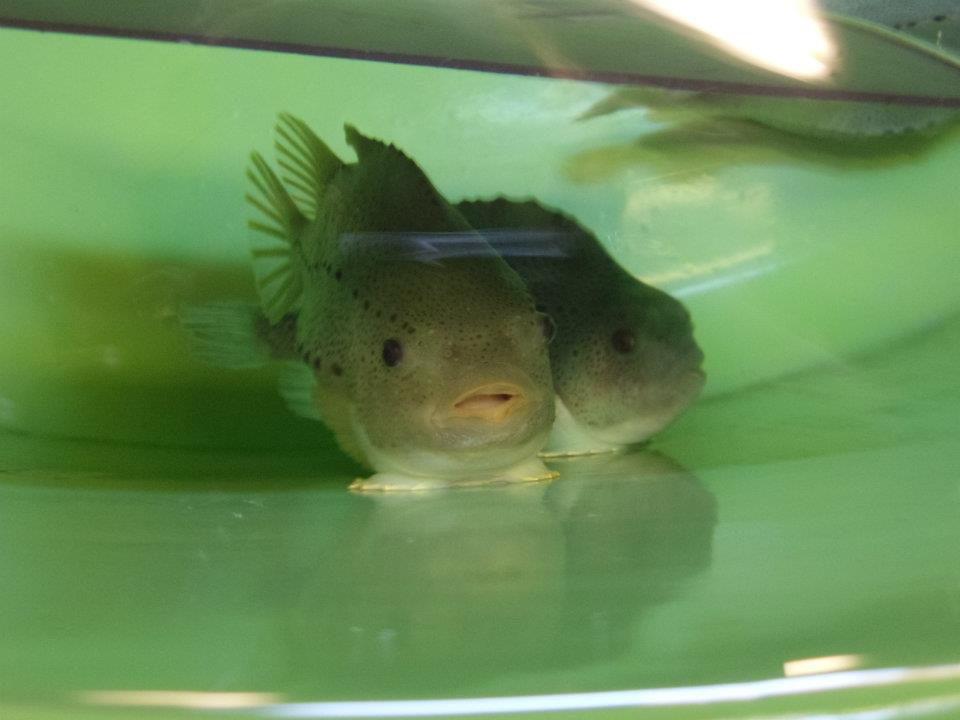
Juvenile lumpfish in hatchery facility. Credit: Emily Costello (UK).

World Fisheries Day is celebrated annually on 21st November, to reflect on the ever-increasing knowledge about fishing, fishers, coastal communities, and the status of the oceans and fish stocks. This year, the Canadian Wildlife Federation are highlighting their work towards ending the current practice of salmon aquaculture, via the gradual phasing out of open-pen finfish aquaculture (OPFA) to prevent further negative impacts of the practice on wildlife and marine habitats. One of the major impacts of salmon aquaculture on wildlife, is the transmission of sea lice to wild salmonid populations, which has resulted in mass mortalities of wild fish. The most efficient control method to reduce sea-lice in farms is arguably the deployment of cleaner fish, however, there is little information on how this widely used method impacts individual welfare and worldwide sustainability of cleaner fish stocks. In this blog post, Dr Ben Whittaker and Dr Hannah L. Harrison, discuss the current status of cleaner fish fisheries.

Continue reading “World Fisheries Day 2020: Cleaning up the Act of Salmon Fisheries?”

International LGBTQ+ STEM Day 2020: Promoting Visibility of LGBTQ+ People in STEM

Post provided by Chloe Robinson

Picture credit: Chloe Robinson.

November 18th, 2020 marks International LGBTQ+ STEM Day, which aims to celebrate lesbian, gay, bisexual, transgender, queer + (LGBTQ, “+”= plus other sexes, gender identities, and sexual orientations) people in all different STEM (science, technology, engineering, and mathematics) fields. This specific date is symbolic of the 60th anniversary of American astronomer and gay activist Frank Kameny’s US Supreme Court fight against workplace discrimination, a fight that continues today in many countries worldwide. To mark this day, Associate and Blog Editor, Dr. Chloe Robinson, who is openly lesbian, has put together a blog post, with contributions from other LGBTQ+-identifying MEE Associate Editors, to discuss the current state of LGBTQ+ visibility in STEM.

Continue reading “International LGBTQ+ STEM Day 2020: Promoting Visibility of LGBTQ+ People in STEM”