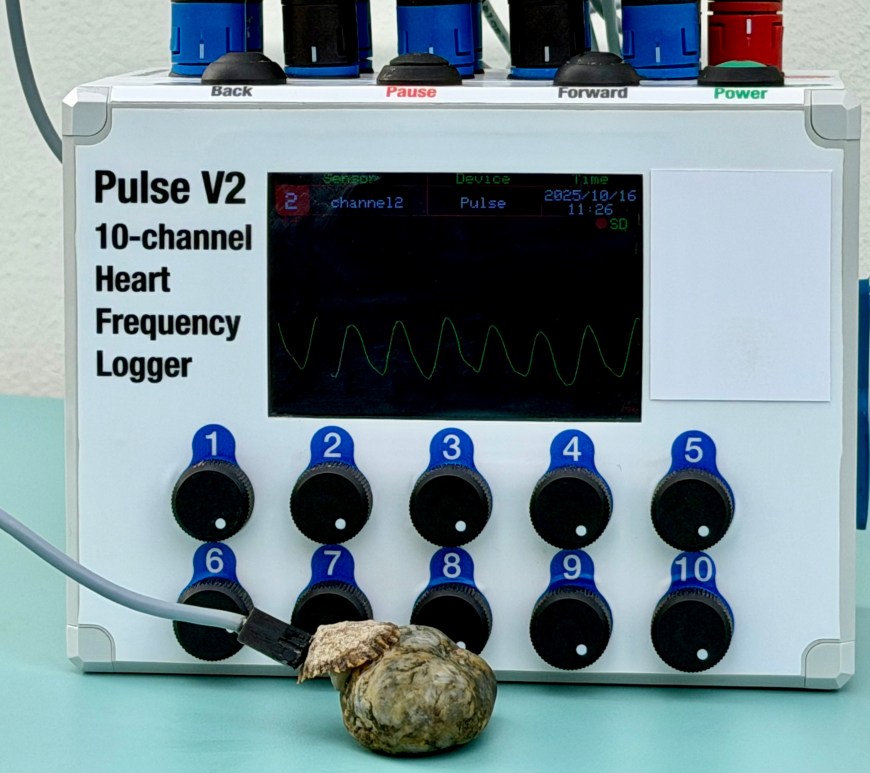
Peering through the shell: tracking stress with heartbeats

Post provided by Lima F. P.; Pereira F. L.; Loureiro B.; Humet M.; Seabra R. How can we tell when an animal is stressed, long before it dies? For marine invertebrates like mussels, limpets, oysters, or crabs, one of the clearest signals comes from their hearts. Heart rate can vary in response to changes in the environment (such as temperature or oxygen), offering a non-invasive … Continue reading Peering through the shell: tracking stress with heartbeats

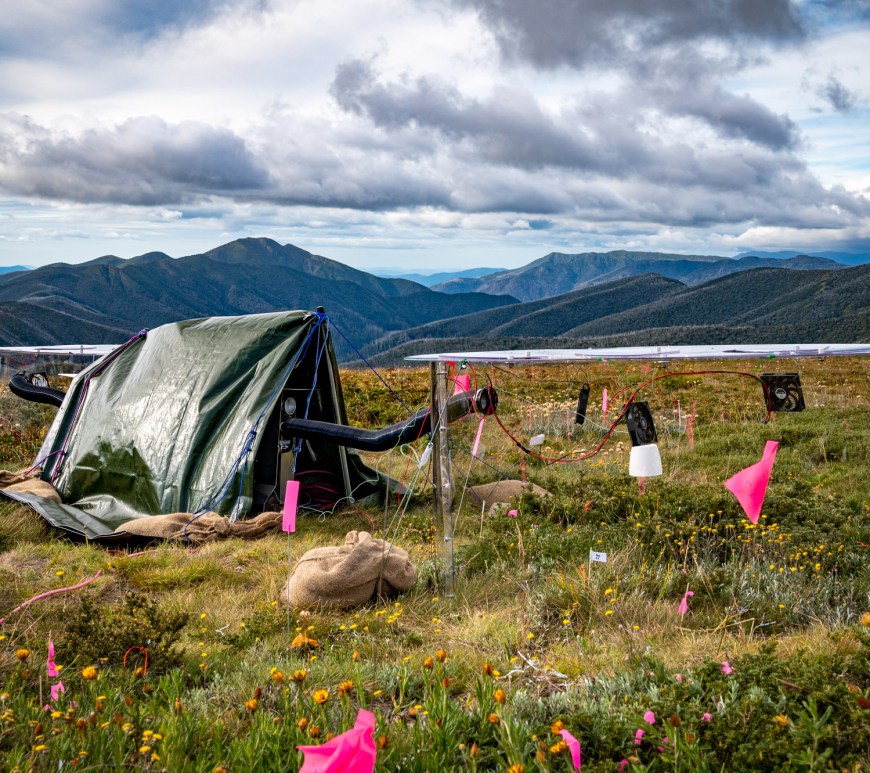
Making heatwaves in the wild: lessons from extreme fieldwork

Post provided by Pieter Arnold, Xuemeng Mu, James King We are a team of ecologists in Australia with keen interest in how plants and ecosystems will respond to climate change. Conducting research on the effects of forecasted climate change, and particularly extreme events like heatwaves, is extremely challenging to do in the field. We had to first convince ourselves that it would be possible to … Continue reading Making heatwaves in the wild: lessons from extreme fieldwork

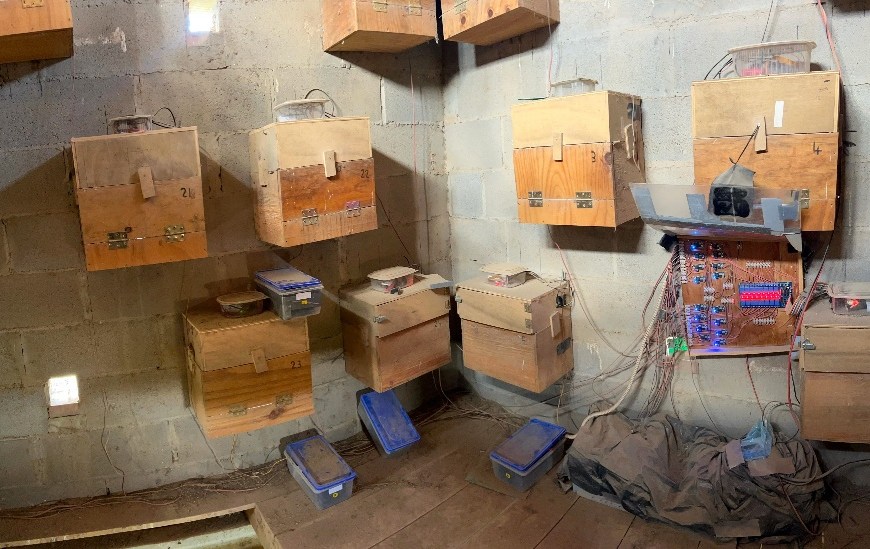
Smart cameras in the wild: A centralised solar-powered Raspberry Pi system for automated animal observation and environmental monitoring

Post provided by Marçal Pou-Rossell Many studies of animal behaviour – especially parental care – rely on short, fragmented observations. Whether due to battery limitations, human resources, or remote field conditions, collecting continuous data throughout an entire reproductive cycle is often just not feasible. As a result, key behaviours can go undocumented, and our understanding of how animals make decisions across time remains incomplete. We … Continue reading Smart cameras in the wild: A centralised solar-powered Raspberry Pi system for automated animal observation and environmental monitoring

Capturing diversity below the species level using HyRAD : a nuclear-DNA enrichment-based capture method (HyRAD) applied to environmental DNA.

Post provided by Stéphanie Manel. Why use HyRAD for eDNA capture? Traditional population genetics approaches require sampling tissue from individuals, which is problematic in aquatic environments where specimen collection is often challenging. Filtering water allows researchers to collect environmental DNA (eDNA), genetic material shed by organisms into their surroundings. Unlike approaches targeting a single DNA barcode, HyRAD allows for the capture of multiple nuclear DNA … Continue reading Capturing diversity below the species level using HyRAD : a nuclear-DNA enrichment-based capture method (HyRAD) applied to environmental DNA.

Expanding Our View: The Benthic Observation Survey System (BOSS).

Post provided by Brooke Gibbons. Marine scientists often rely on underwater cameras to survey seabed habitats, but traditional methods come with limitations—small fields of view, restricted coverage, and logistical constraints. Enter the Benthic Observation Survey System (BOSS): a new wide-field, self-righting drop-camera system that significantly expands our ability to survey and map the seafloor. The Need for Better Benthic Surveys Most existing platforms use downward … Continue reading Expanding Our View: The Benthic Observation Survey System (BOSS).

From Kenya to Ohio – the inspiration for WildWing: an open-source, autonomous and affordable unmanned aerial system for animal behavioural video monitoring

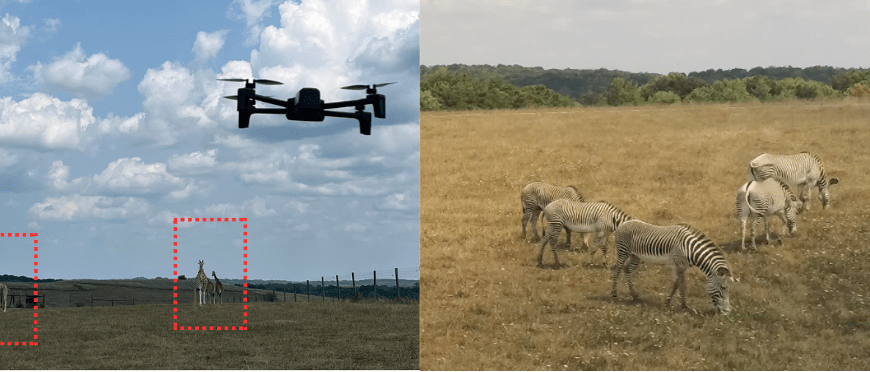
Post provided by Jenna Kline, PhD Candidate, Department of Computer Science and Engineering, The Ohio State University, Columbus, OH, USA The story of the WildWing project began in 2022 when I enrolled in the Experiential Introduction to Imageomics course. For the fieldwork component of the course, I travelled to the Mpala Research Centre in Laikipia, Kenya. My course project advisors, Dr Tanya Berger-Wolf and Dr … Continue reading From Kenya to Ohio – the inspiration for WildWing: an open-source, autonomous and affordable unmanned aerial system for animal behavioural video monitoring

Look inside: a handy tool for casting the enclosed nest structure of birds

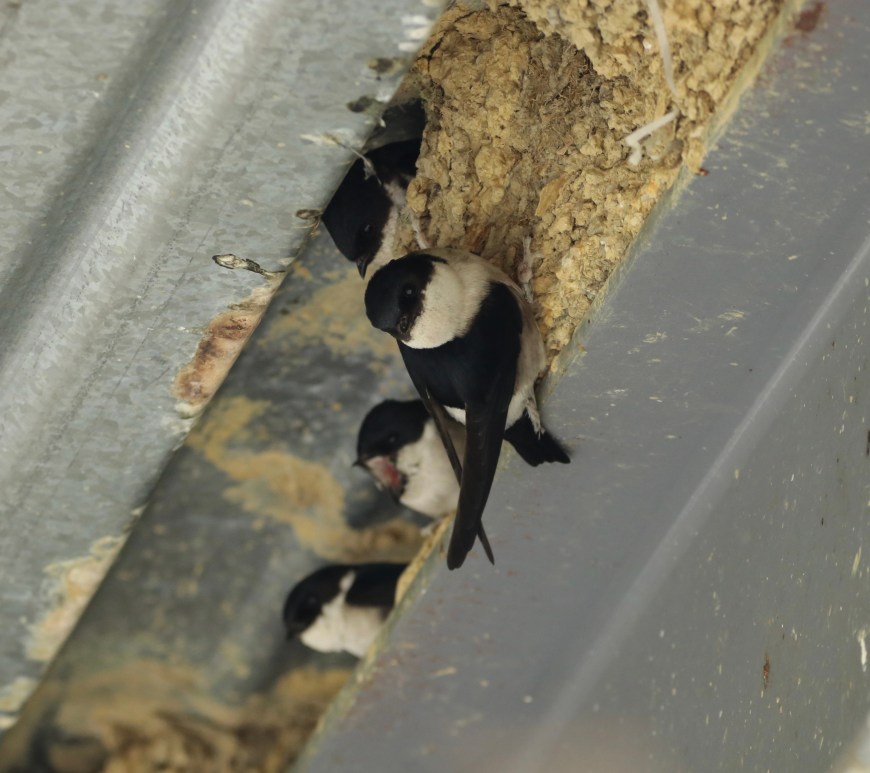
Post provided by Jing-Chia Guo. To understand something, we often describe its appearance and shape: The ball is round, the can is cylinder, and the pillow is kind of rectangle. However, most natural creatures are irregular in shape, so it’s difficult for people to quantify or define them. Sometimes, scientists are even unable to get their hands on the objects they need, and that is … Continue reading Look inside: a handy tool for casting the enclosed nest structure of birds

Bringing UV into the Light: A New Tool for Monitoring Ultraviolet Light Exposure Over Time

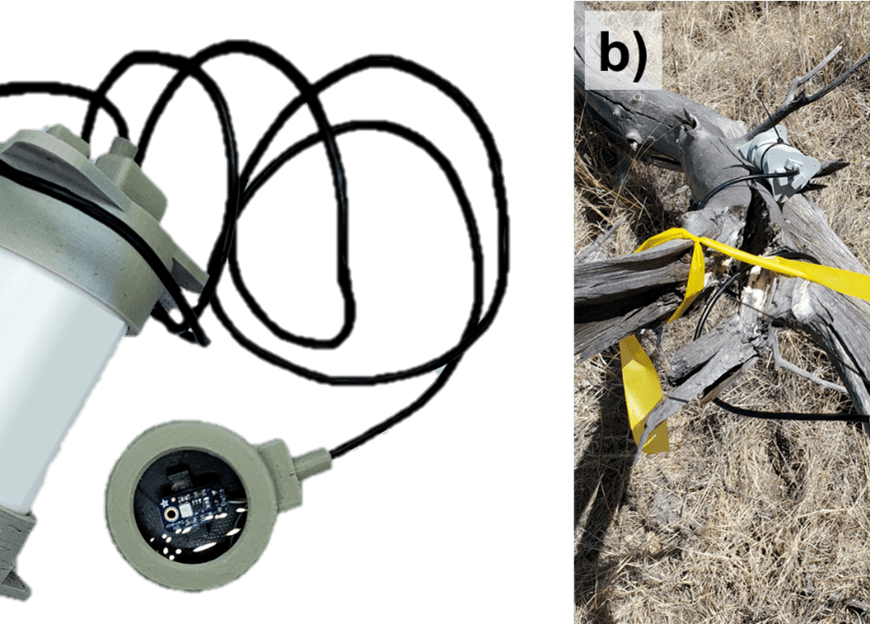
Post provided by Matthew Lattanzio. Hello there! My name is Matthew Lattanzio, and I am an Associate Professor at Christopher Newport University where I study how reptiles and amphibians interact with and respond to environmental variability. I grew up as a nature enthusiast, and so it is exciting to still carry that curiosity through to my career, constantly challenging myself and my students to think … Continue reading Bringing UV into the Light: A New Tool for Monitoring Ultraviolet Light Exposure Over Time

The buzzOmeter: Recording buzzing insects in motion

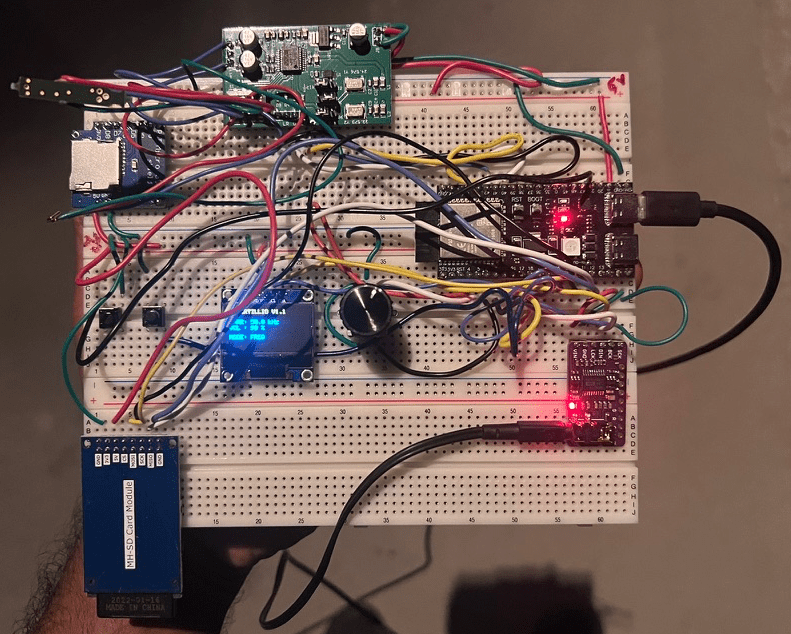
Post provided by Marta Skowron Volponi Has the buzzing sound of a wasp flying past your ear ever made you recoil in fear of being stung? What if these buzzes are a warning display aimed at potential predators, just like the bees’ and wasps’ bright colouration that sends a message: “don’t touch me, I’m dangerous”? Or perhaps they are audio messages meant for other wasps? … Continue reading The buzzOmeter: Recording buzzing insects in motion

AnimalTA: an easy-to-use program for tracking and analysing animal movement

Post provided by Violette Chiara and Sin-Yeon Kim There are many tools available to track and analyse animal movement. In this post, Violette Chiara and Sin-Yeon Kim share insights on how AnimalTA fills the niche of an accessible, user-friendly software for video analysis. Why AnimalTA? AnimalTA is a new tool to track and analyse animal movement in digital videos. When we began to develop AnimalTA, … Continue reading AnimalTA: an easy-to-use program for tracking and analysing animal movement