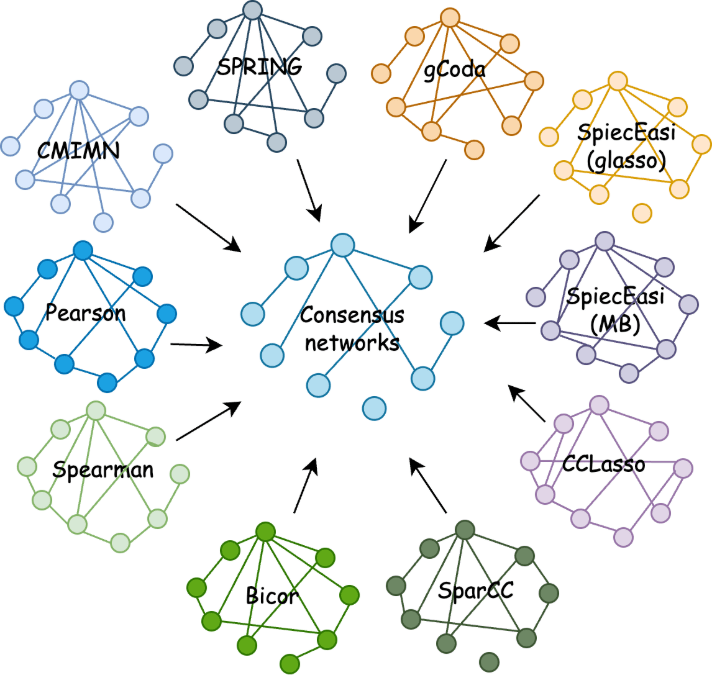
CMiNet: Building Reliable Microbiome Networks Through Consensus. 

Post provided by Rosa Aghdam I am a scientist at the Solís-Lemus Lab at the University of Wisconsin–Madison, working at the intersection of microbiome networks and computational biology. My research focuses on understanding the invisible world inside and around us. Microbial communities form intricate social systems, and my goal is to build tools that help researchers study those systems more clearly and more reliably. You … Continue reading CMiNet: Building Reliable Microbiome Networks Through Consensus. 

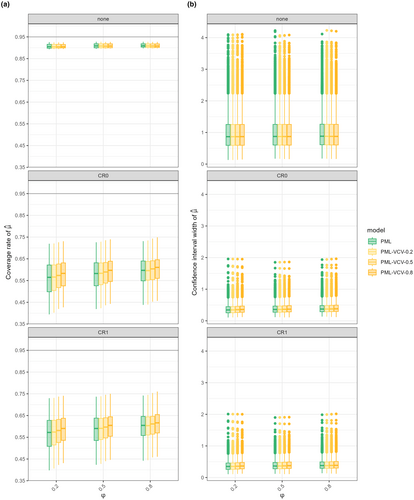
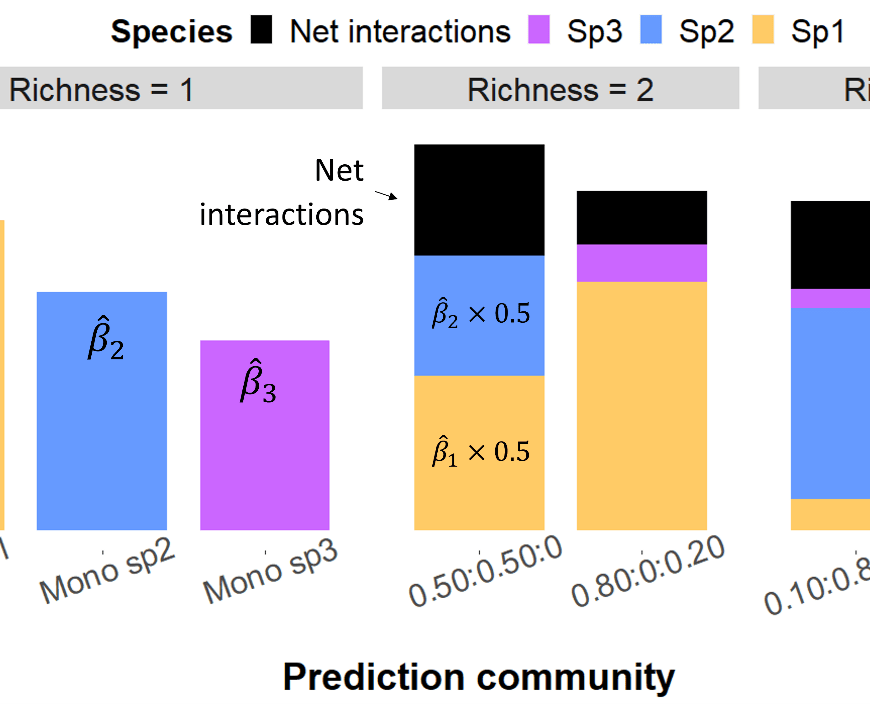
Modelling approaches in meta-analysis: from sandwich estimators to correlated hierarchical models

Post provided by Coralie Williams Conducting a meta-analysis involves a series of decisions, from choosing what data to extract to selecting the outcome measure. But then comes the model specification – how should it be formulated? At its simplest, a meta-analysis can be expressed as a simple linear regression model where the outcome is an effect size (yi), which is a quantitative measure derived from … Continue reading Modelling approaches in meta-analysis: from sandwich estimators to correlated hierarchical models

Simple, intuitive tool for population management decision-making

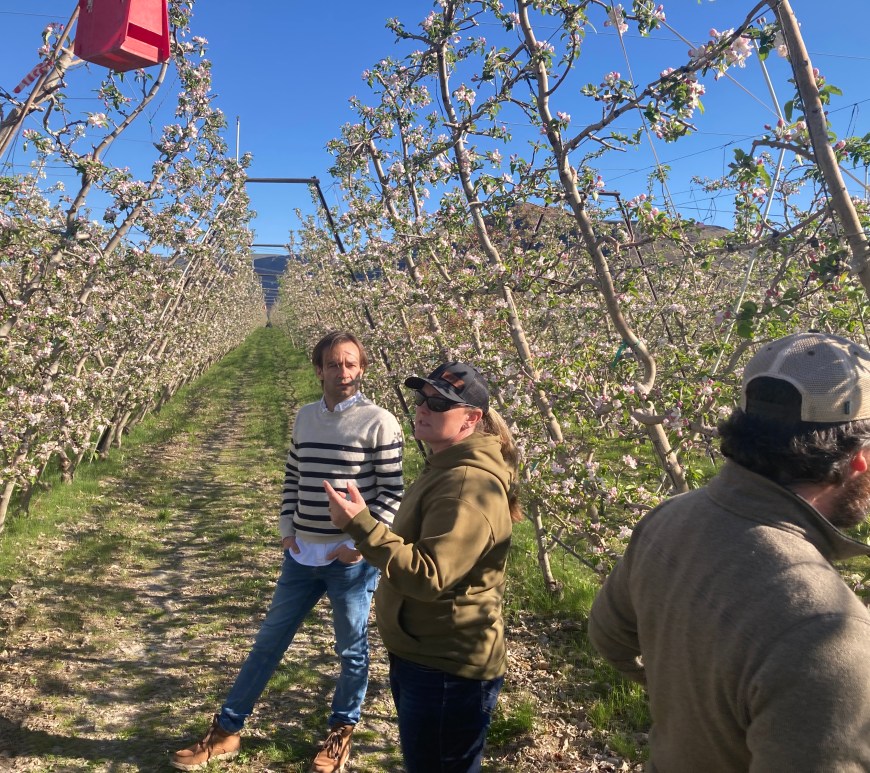
Post provided by Izzy McCabe Predictions of insect populations from phenology models and sampling can help growers manage pests and beneficial insects on their farms. Phenology models relate accumulated heat units after winter to pest development and thereby inform timing of control actions, while sampling relies on regular on-site data collection (daily, weekly, etc.) to measure pest population densities and estimate potential damage. A drawback … Continue reading Simple, intuitive tool for population management decision-making

Unde Venis Species? RRphylogeography, a new accurate method finds the area of origin of species

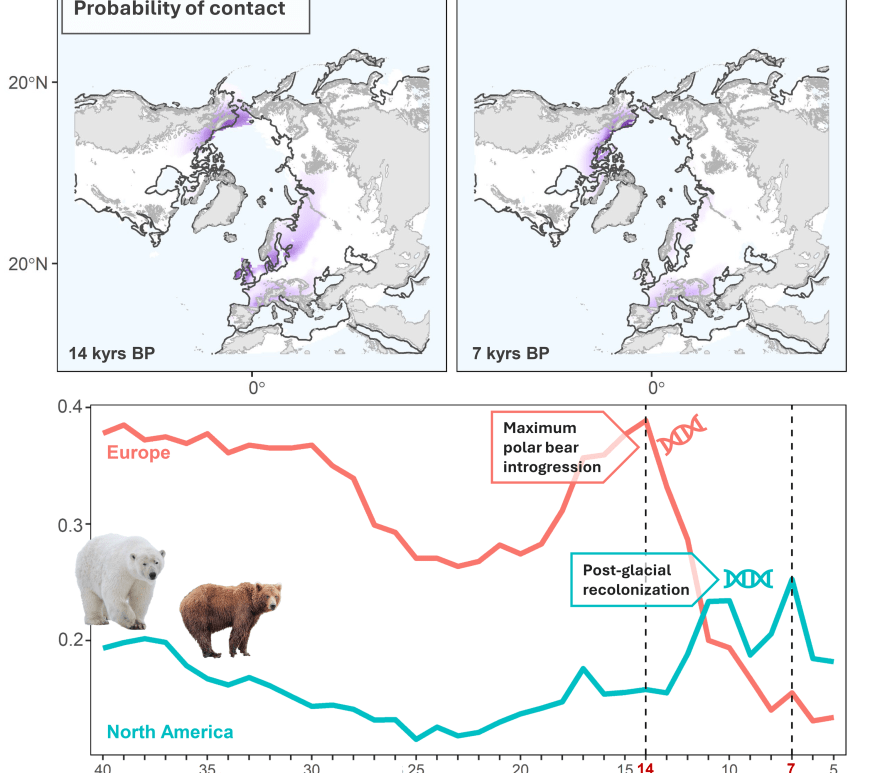
Post provided by Pasquale Raia (he/him), Alessandro Mondanaro (he/him) and Silvia Castiglione (she/her) Quo Vadis? Latin for Where Are You Going? was a huge 1951 box office hit produced by Metro Goldwyn Mayer. The film (which is based on an 1896 book wrote by the Polish novelist Henryk Sienkiewicz) was set in ancient Rome during Nero’s reign and is credited for saving MGM from bankruptcy … Continue reading Unde Venis Species? RRphylogeography, a new accurate method finds the area of origin of species

Into the Swarm-Verse: quantifying collective motion across species and contexts

Post provided by Marina Papadopoulou Authors We are three researchers interested in collective animal behaviour. Marina Papadopoulou is a postdoctoral researcher at Tuscia University in Italy, Simon Garnier is a Professor at the New Jersey Institute of Technology (USA), and Andrew King is an Associate Professor at Swansea University (UK). As a Greek-French-Welsh team with empirical, mathematical, and computational backgrounds in different study systems, we … Continue reading Into the Swarm-Verse: quantifying collective motion across species and contexts

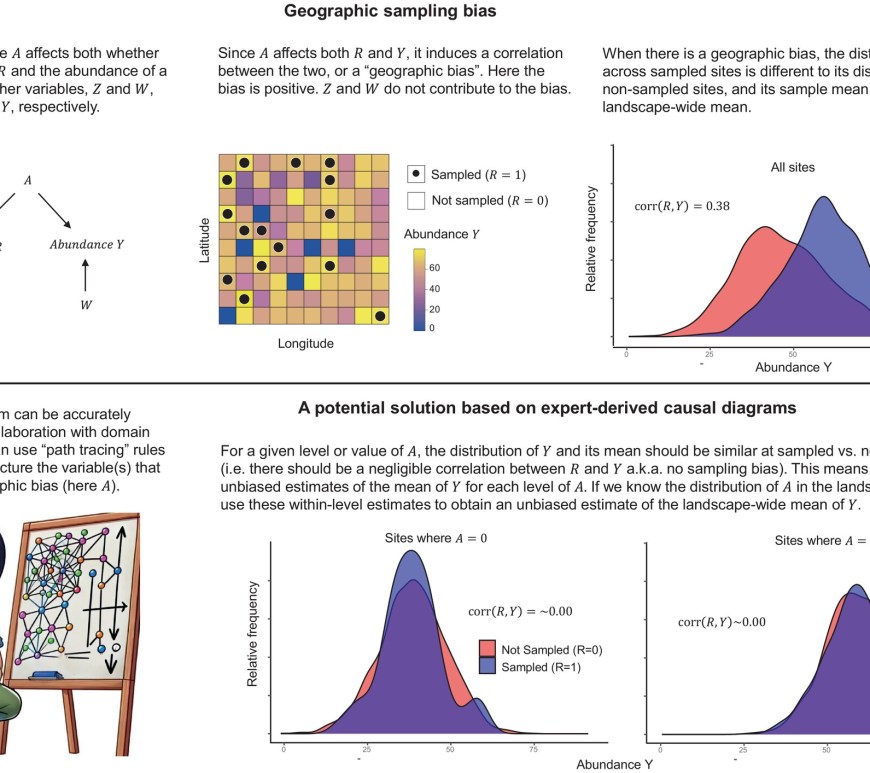
It is only by understanding what causes sampling bias that we can correct it

Post provided by Rob J. Boyd Colleagues and I recently published a paper in MEE, and its title might induce a bit of head scratching: “Using causal diagrams … to correct geographic sampling biases in biodiversity monitoring data” (Boyd et al., 2025). If you’re familiar with causal inference, you might be wondering, “What have causal diagrams got to do with sampling biases?” And if you’re … Continue reading It is only by understanding what causes sampling bias that we can correct it

Heat waves reconstructed!

Post provided by Loke von Schmalensee For many decades, humans have tried to understand how to process continuous signals for our convenience. As a result, numerous innovative methods have been developed for recording, compressing, restoring, and transforming (and more) continuous signals. Consider, for instance, the relationship between signal processing and music: it comes into play directly through the recording of sound waves, and indirectly via … Continue reading Heat waves reconstructed!

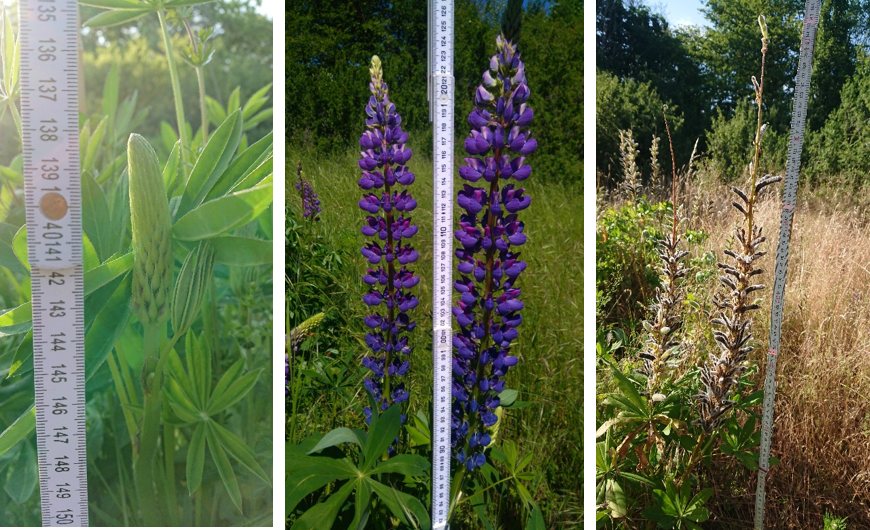
Using citizen science photos to perform phenological studies

Post provided by Yves P. Klinger (he/him)

Photos collected by citizen scientists are a rich source of information that is still relatively unexplored. Phenology, the study of recurring biological events, could make use of photos taken by citizen scientists at different times, but accessing and preparing the plethora of publicly available data is challenging. In this post, Yves P. Klinger describes the motivation behind developing a workflow for using citizen science photos for phenological research, as featured in the paper “iPhenology – using open-access citizen science photos to track phenology at continental scale”.

Continue reading “Using citizen science photos to perform phenological studies”

wingen: mapping genetic diversity using moving windows

Post provided by Anusha Bishop (she/her)

Global biodiversity loss and increased availability of genomic-scale data has motivated a growing interest in conserving genetic diversity. To do so, we need tools that help us understand how genetic diversity is distributed. In pursuit of this, we have developed a new method for creating maps of genetic diversity using spatial moving windows, which we have implemented in the R package wingen.

Continue reading “wingen: mapping genetic diversity using moving windows”

ENphylo: A new method to model the distribution of extremely rare species

Post provided by Pasquale Raia (he/him), Alessandro Mondanaro (he/him), Mirko Di Febbraro (he/him), Marina Melchionna (she/her) and Silvia Castiglione (she/her) Back in 2001 Sally Duncan, a quite prolific science writer, published on Science Findings, one of the Oregon-based Pacific Northwest Research Station’s public resources, an exquisitely assembled report focusing on a fundamental issue in ecology, the definition, perception and meaning of ecological rarity. To ecologists … Continue reading ENphylo: A new method to model the distribution of extremely rare species