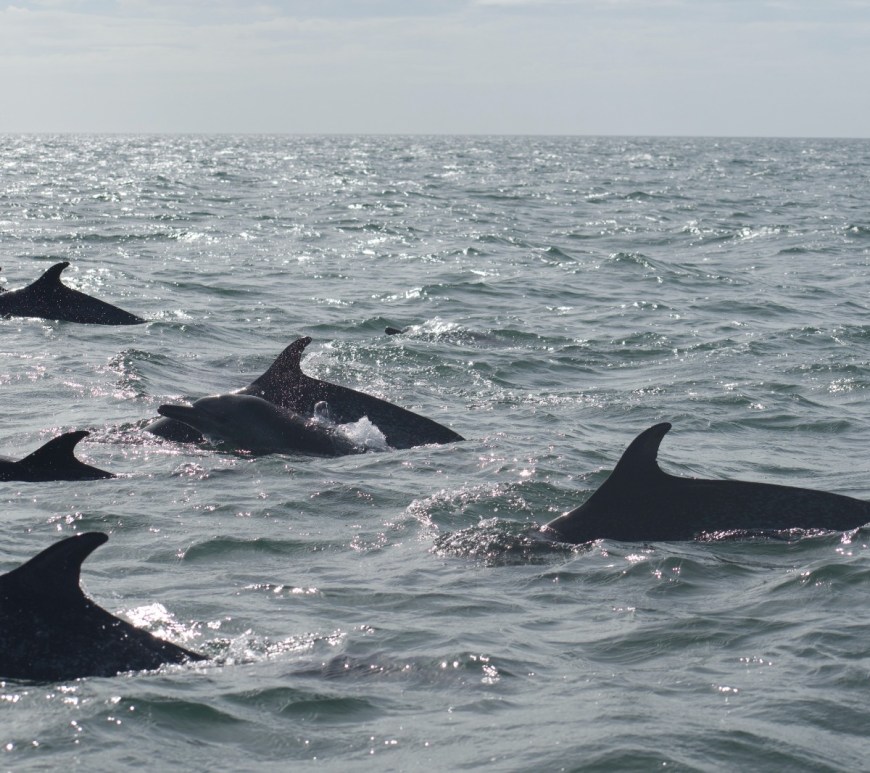
Capturing diversity below the species level using HyRAD : a nuclear-DNA enrichment-based capture method (HyRAD) applied to environmental DNA.

Post provided by Stéphanie Manel. Why use HyRAD for eDNA capture? Traditional population genetics approaches require sampling tissue from individuals, which is problematic in aquatic environments where specimen collection is often challenging. Filtering water allows researchers to collect environmental DNA (eDNA), genetic material shed by organisms into their surroundings. Unlike approaches targeting a single DNA barcode, HyRAD allows for the capture of multiple nuclear DNA … Continue reading Capturing diversity below the species level using HyRAD : a nuclear-DNA enrichment-based capture method (HyRAD) applied to environmental DNA.

The Ground Beneath Their Feet: Listening in on Africa’s wildlife using seismic sensors

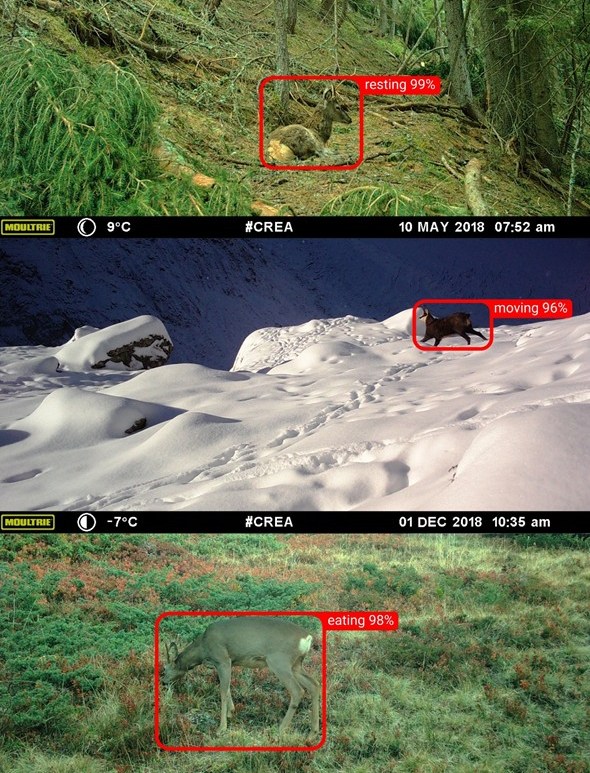
Post provided by René Steinmann Hi, I’m a geophysicist by training, but I’ve recently shifted my focus from studying the solid Earth to some of its living inhabitants. I now work at the intersection of geophysics, wildlife biology, and machine learning. My recent research brings together these seemingly distant worlds in a project that’s all about listening—not to singing birds, but to the subtle vibrations … Continue reading The Ground Beneath Their Feet: Listening in on Africa’s wildlife using seismic sensors

Tracking animals with particles

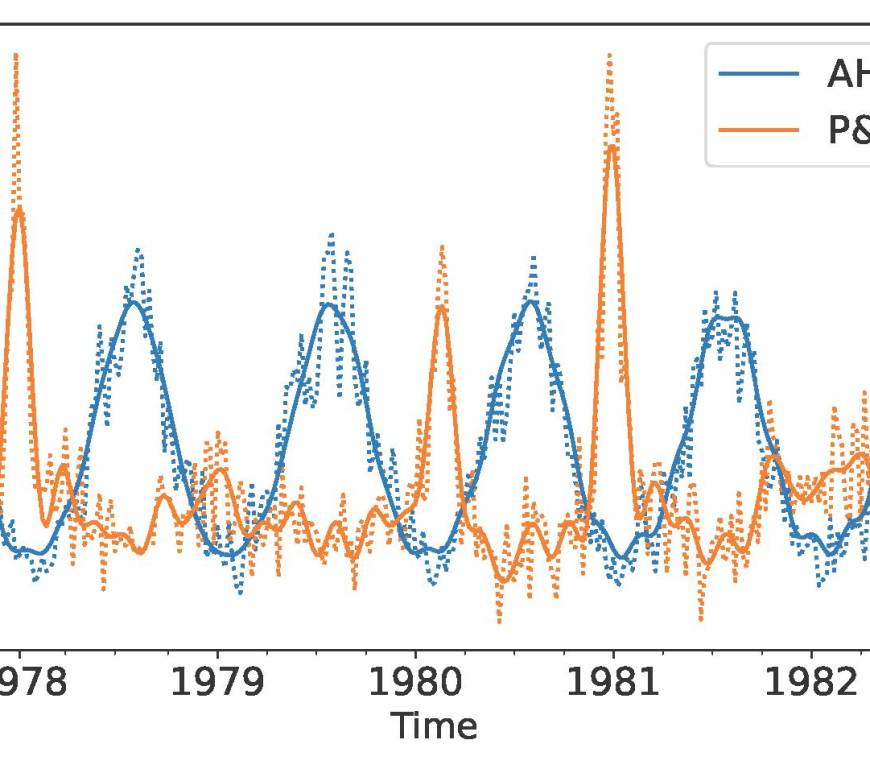
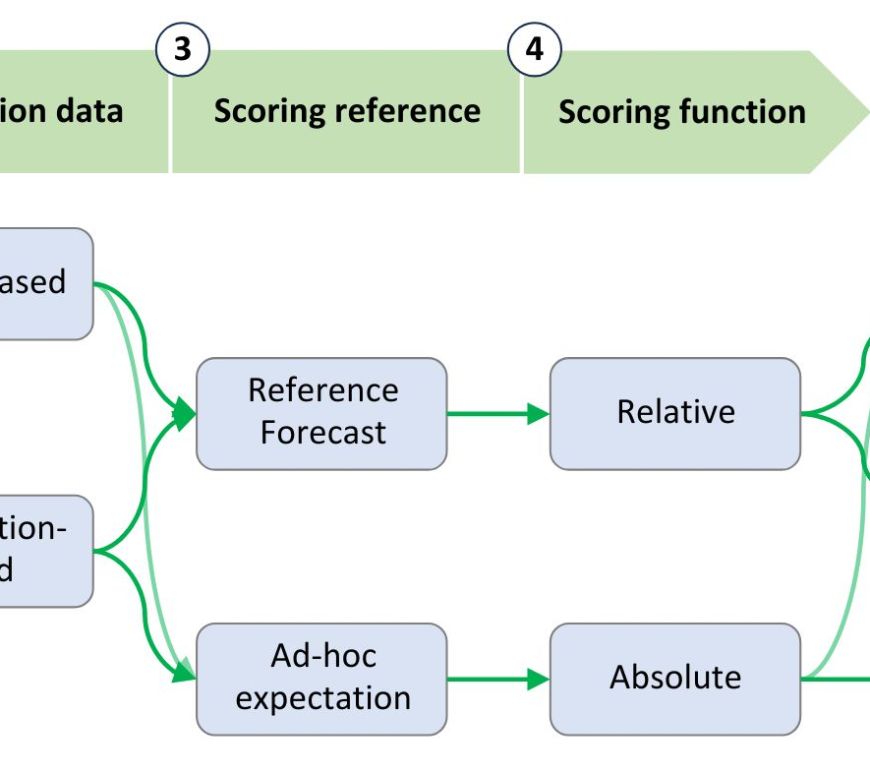
Post provided by Edward Lavender, Andreas Scheidegger, Carlo Albert, Stanisław W. Biber, Janine Illian, James Thorburn, Sophie Smout, Helen Moor. It’s morning on Scotland’s west coast. In the Firth of Lorn, the deep-blue water sparkles in the early sunlight. Heading south, I glance back across the sea, taking in the snow-speckled mountains beyond. Two hundred metres below, I know the seascape is just as rugged. … Continue reading Tracking animals with particles

Our May Issue is out now!

This issue contains the latest methods in ecology and evolution. Read to find out about this month’s featured articles and the article behind our cover! Featured Impact of acoustic index parameters on soundscape comparisons Ecoacoustic indices are often used to characterise specific aspects of the acoustic environment. For several commonly used indices, the impacts of the parameter settings and sampling regimes on output values have … Continue reading Our May Issue is out now!

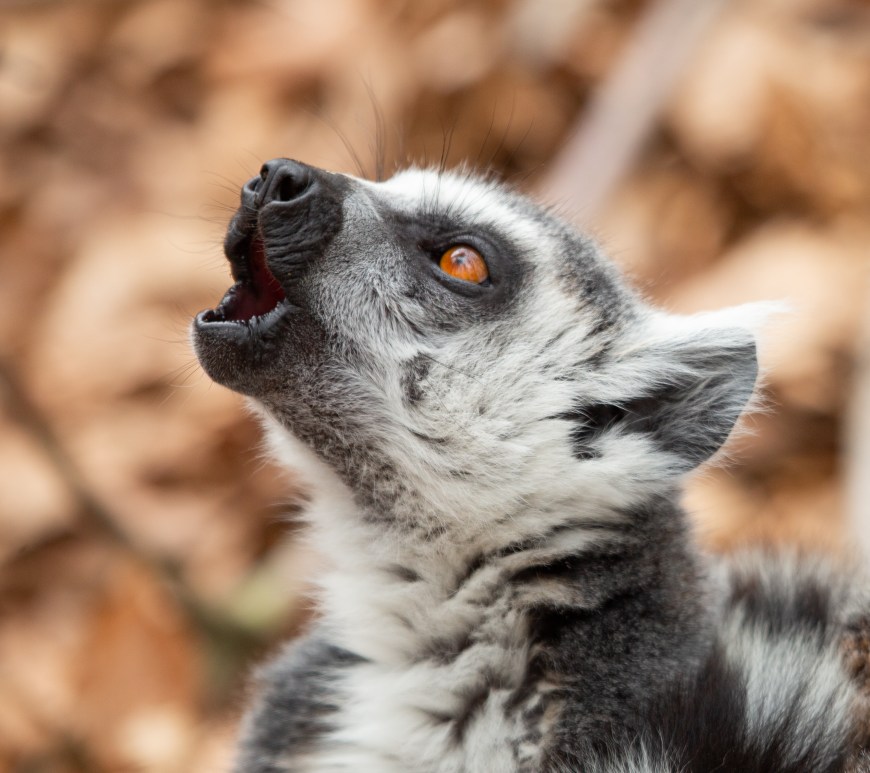
The best of both worlds: a predictive home range model for colonial animals combining biological realism with minimal data requirements.

Post provided by Holly Niven. I’m Holly, an ecology PhD student at the University of Glasgow, with a background in mathematics and physics. My research is in quantitative ecology, with a current focus on investigating the exposure of animals to disturbances in their environment and understanding the drivers of their population dynamics.  What are home ranges and why are they useful? Home ranges (HRs) describe … Continue reading The best of both worlds: a predictive home range model for colonial animals combining biological realism with minimal data requirements.

Robert May Prize 2024: Winner announced for early career researcher award

We’re excited to announce Maëlis Kervellec as the winner of the 2024 Robert May Prize, celebrating the best article in the journal by an author at the start of their career. Winner: Maëlis Kervellec Research: ‘Bringing circuit theory into spatial occupancy models to assess landscape connectivity‘ About the research One of the wonders of ecological research is seeing clever innovations that bridge theoretical concepts with real-world conservation … Continue reading Robert May Prize 2024: Winner announced for early career researcher award

Expanding Our View: The Benthic Observation Survey System (BOSS).

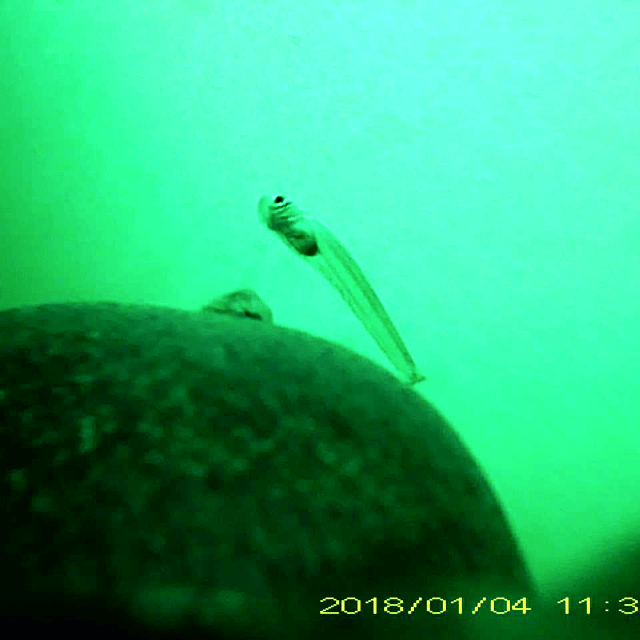
Post provided by Brooke Gibbons. Marine scientists often rely on underwater cameras to survey seabed habitats, but traditional methods come with limitations—small fields of view, restricted coverage, and logistical constraints. Enter the Benthic Observation Survey System (BOSS): a new wide-field, self-righting drop-camera system that significantly expands our ability to survey and map the seafloor. The Need for Better Benthic Surveys Most existing platforms use downward … Continue reading Expanding Our View: The Benthic Observation Survey System (BOSS).

Fay Morland: Including the invisible fraction in whole population studies: A guide to the genetic sampling of unhatched bird eggs

Throughout March and April, we are featuring articles shortlisted for the 2024 Robert May Prize. The Robert May Prize is awarded by the British Ecological Society each year for the best paper in Methods in Ecology and Evolution written by an early career author. Fay Morland’s article‘ Including the invisible fraction in whole population studies: A guide to the genetic sampling of unhatched bird eggs‘ is one … Continue reading Fay Morland: Including the invisible fraction in whole population studies: A guide to the genetic sampling of unhatched bird eggs

Becky Heath: Spatial ecosystem monitoring with a Multichannel Acoustic Autonomous Recording Unit (MAARU)

Throughout March and April, we are featuring articles shortlisted for the 2024 Robert May Prize. The Robert May Prize is awarded by the British Ecological Society each year for the best paper in Methods in Ecology and Evolution written by an early career author. Becky Heath’s article ‘Spatial ecosystem monitoring with a Multichannel Acoustic Autonomous Recording Unit (MAARU)‘ is one of those shortlisted for the award. The … Continue reading Becky Heath: Spatial ecosystem monitoring with a Multichannel Acoustic Autonomous Recording Unit (MAARU)

Our April Issue is out now!

This issue contains the latest methods in ecology and evolution. Read to find out about this month’s featured articles and the article behind our cover! Featured The fallacy of single imputation for trait databases: Use multiple imputation instead The past few years have seen the publication of many new trait databases. However, trait databases usually have many missing data. Biologists have developed several methods to impute … Continue reading Our April Issue is out now!