Creating a research and conservation tool to support pollinator survival

Post provided by Matthias Becher, Grace Twiston-Davies & Juliet Osborne
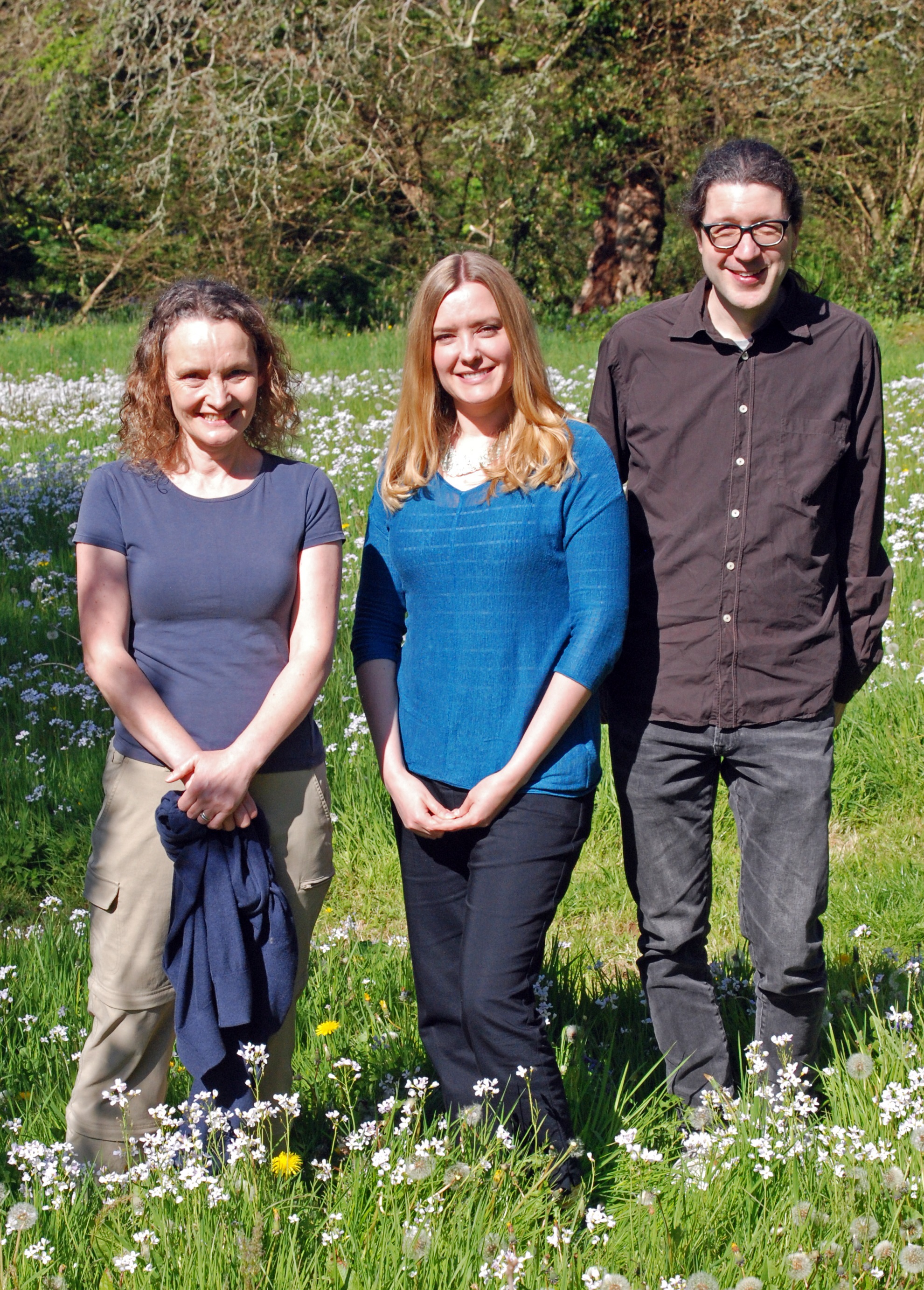
The BEEHAVE Team Osborne Becher and Twiston-Davies. Credit: Pete Kennedy.

Everyone, well, almost everyone, loves honey – that sweet, liquid gold laboriously collected by busy bees from countless little flowers. But of course, much more important than honey or wax or even cosmetic royal jelly products are the pollination services that bees provide to wildflowers and crops. In this blog post, authors Matthias Becher, Grace Twiston-Davies & Juliet Osborne discuss their latest paper published in Methods in Ecology & Evolution, “BEE-STEWARD: a research and decision support software for effective land management to promote bumblebee populations”.

Continue reading “Creating a research and conservation tool to support pollinator survival”

Conservation or Construction? Deciding Waterbird Hotspots

Below is a press release about the Methods in Ecology and Evolution article ‘A comparative analysis of common methods to identify waterbird hotspots‘ taken from Michigan State University.

A mixed flock of waterbirds on the shore of Lake St. Clair. ©Michigan DNR

Imagine your favourite beach filled with thousands of ducks and gulls. Now envision coming back a week later and finding condos being constructed on that spot. This many ducks in one place surely should indicate this spot is exceptionally good for birds and must be protected from development, right?

It depends, say Michigan State University researchers.

In a new paper published in Methods in Ecology and Evolution, scientists show that conservation and construction decisions should rely on multiple approaches to determine waterbird “hotspots,” not just on one analysis method as is often done. Continue reading “Conservation or Construction? Deciding Waterbird Hotspots”

A New Modelling Strategy for Conservation Practice? Ensembles of Small Models (ESMS) for Modelling Rare Species

Post provided by FRANK BREINER, ARIEL BERGAMINI, MICHAEL NOBIS and ANTOINE GUISAN

Rare Species and their Protection

Erythronium dens-canis L. – a rare and threatened species used for modelling in Switzerland. ©Michael Nobis

Rare species can be important for ecosystem functioning and there is also a high intrinsic interest to protect them as they are often the most original and unique components of local biodiversity. However, rare species are usually those most threatened with extinction.

In order to help prioritizing conservation efforts, the International Union for Conservation of Nature (IUCN) has published criteria to categorize the status of threatened species, which are then published in Red Lists. Changes in a species’ geographical distribution is one of the several criteria used to assign a threat status. For rare species, however, the exact distribution is often inadequately known. In conservation science, Species Distribution Models (SDMs) have recurrently been used to estimate the potential distribution of rare or insufficiently sampled species. Continue reading “A New Modelling Strategy for Conservation Practice? Ensembles of Small Models (ESMS) for Modelling Rare Species”