Supporting safe and equitable access to field research

To celebrate Pride Month 2025, we are excited to share a series of blogs and podcasts highlighting useful articles and resources for LGBTQIA+ ecologists and researchers. In each post, the authors behind these resources explain what they are, how they came to produce them, and why they are important. In this post, Elizabeth shares fieldwork advice for researchers with marginalized identities. Post provided by Elizabeth N. … Continue reading Supporting safe and equitable access to field research

The Ground Beneath Their Feet: Listening in on Africa’s wildlife using seismic sensors

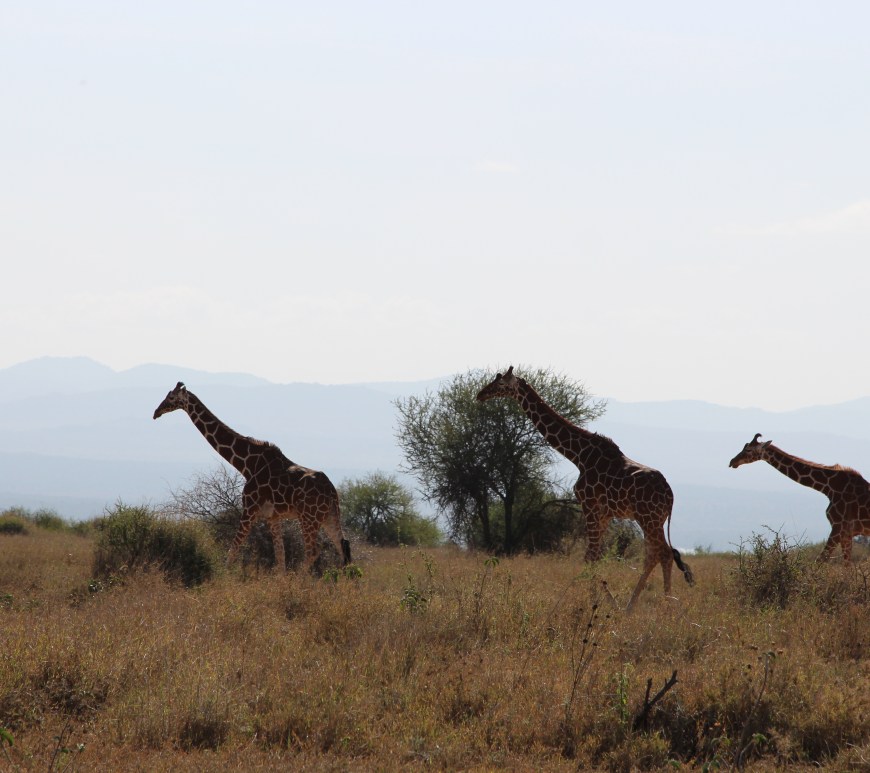
Post provided by René Steinmann Hi, I’m a geophysicist by training, but I’ve recently shifted my focus from studying the solid Earth to some of its living inhabitants. I now work at the intersection of geophysics, wildlife biology, and machine learning. My recent research brings together these seemingly distant worlds in a project that’s all about listening—not to singing birds, but to the subtle vibrations … Continue reading The Ground Beneath Their Feet: Listening in on Africa’s wildlife using seismic sensors

Tracking animals with particles

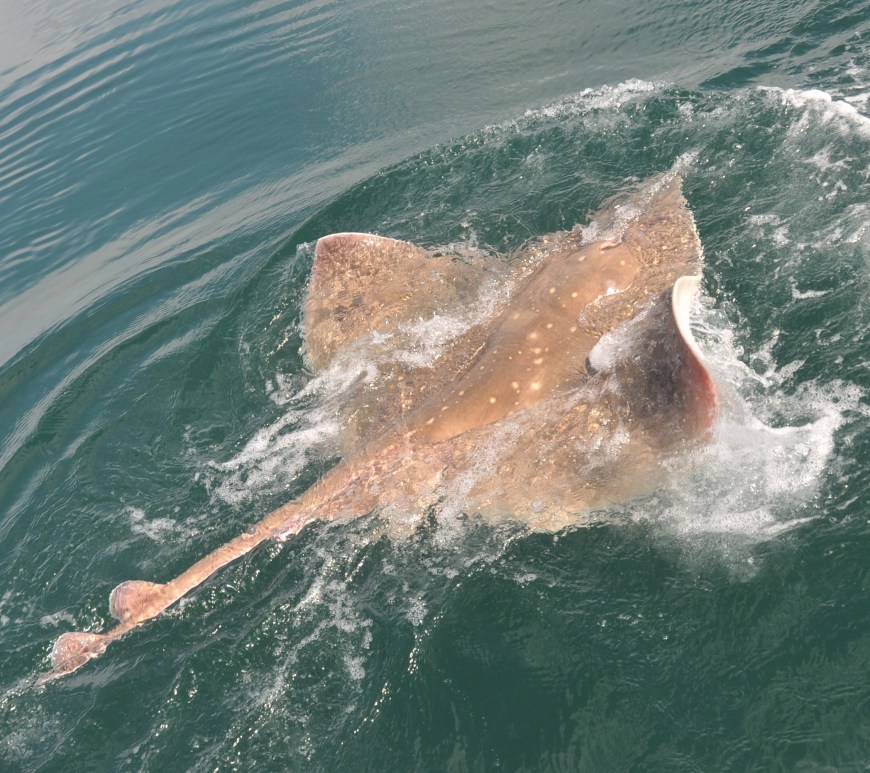
Post provided by Edward Lavender, Andreas Scheidegger, Carlo Albert, Stanisław W. Biber, Janine Illian, James Thorburn, Sophie Smout, Helen Moor. It’s morning on Scotland’s west coast. In the Firth of Lorn, the deep-blue water sparkles in the early sunlight. Heading south, I glance back across the sea, taking in the snow-speckled mountains beyond. Two hundred metres below, I know the seascape is just as rugged. … Continue reading Tracking animals with particles

Expanding Our View: The Benthic Observation Survey System (BOSS).

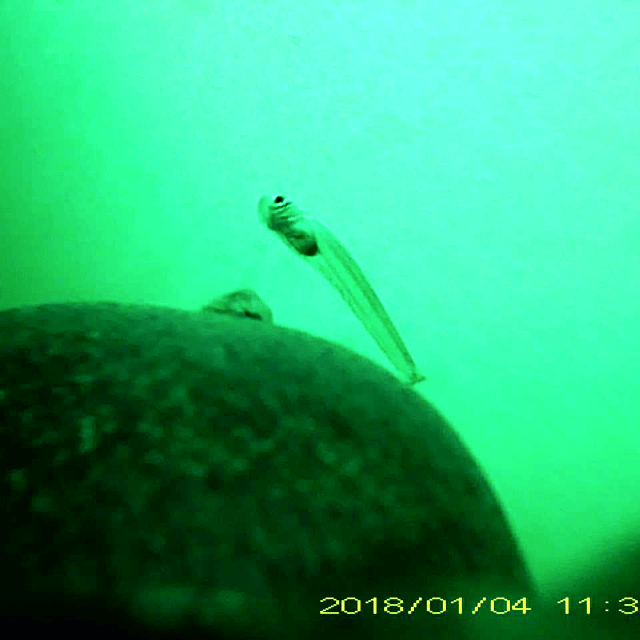
Post provided by Brooke Gibbons. Marine scientists often rely on underwater cameras to survey seabed habitats, but traditional methods come with limitations—small fields of view, restricted coverage, and logistical constraints. Enter the Benthic Observation Survey System (BOSS): a new wide-field, self-righting drop-camera system that significantly expands our ability to survey and map the seafloor. The Need for Better Benthic Surveys Most existing platforms use downward … Continue reading Expanding Our View: The Benthic Observation Survey System (BOSS).

Omar Saif: Fieldwork in conservation organisations–A review of methodological challenges, opportunities and ethics

Throughout March and April, we are featuring articles shortlisted for the 2024 Robert May Prize. The Robert May Prize is awarded by the British Ecological Society each year for the best paper in Methods in Ecology and Evolution written by an early career author. Omar Saif’s article ‘Fieldwork in conservation organisations–A review of methodological challenges, opportunities and ethics‘ is one of those shortlisted for the award. The … Continue reading Omar Saif: Fieldwork in conservation organisations–A review of methodological challenges, opportunities and ethics

Key Concepts in Ecology: Adaptations to variable environments 

This blog post on ‘Adaptations to variable environments’ is part of the BES ‘Key Concepts in Ecology’ series, designed to help ecologists in learning the key topics in ecology! Take a look at the full series for a list of key topics you might typically find in an ecology textbook, each providing a quick introduction to the topic, and a list of suggested papers for … Continue reading Key Concepts in Ecology: Adaptations to variable environments 

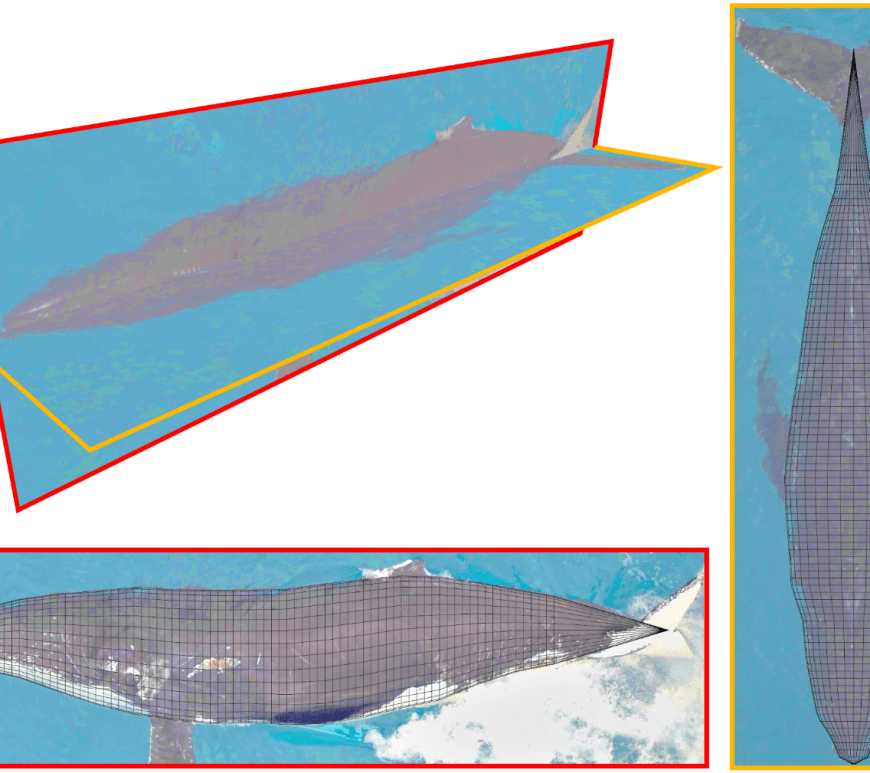
How to weigh a whale

Post provided by Nathan Hirtle (he/him)

A whale’s size not only provides information on its own health, but also the status of the marine ecosystem in which it lives. So how do scientists weigh the biggest creatures on planet? In this blog post, Nathan Hirtle shares insight from his recent paper on measuring the volume of whales using drone images.

Continue reading “How to weigh a whale”

Understanding climate change through animal song

Post provided by Diego Llusia (he/him), Camille Desjonquères (she/her) and Sara Víllen-Peréz (she/her)

Many species produce sound as a means of communication, emitting calls or songs to broadcast information to others in the surrounding area. In this blog post, Diego Llusia, Camille Desjonquères, and Sara Víllen-Peréz discuss their research on recording animal calls and how these soundtracks can be used to help monitor the impacts of climate change. 

Continue reading Understanding climate change through animal song

September 2022 Issue Out Now!

Our September issue is now online! This issue contains 22 articles about the latest methods in ecology and evolution, including methods for using the US National Ecological Observatory Network (NEON), measuring understory vegetation structure, inducing cancer in invertebrates and much more! Read on to find out about this month’s featured articles and the article behind our magical marine cover. National Ecological Observatory Network (NEON) In this … Continue reading September 2022 Issue Out Now!

Assessing impacts of ocean warming on marine fishes

Post provided by Chi-Yun Kuo

Predicting the effects of ocean warming is vital for understanding the likely impacts of climate change on marine ecosystems. In this post, Chi-Yun Kuo shares insights from his recent publication in Methods in Ecology and Evolution which develops a framework for estimating the effects of warming water on communities of marine fishes, and discusses the implications for conservation, food security, and other ecosystem services. 

Continue reading “Assessing impacts of ocean warming on marine fishes”