Monitoring the Distribution and Abundance of Sea Otters
Post provided by Perry Williams
Sea otters (Enhydra lutris) are an apex predator of the nearshore marine ecosystem – the narrow band between terrestrial and oceanic habitat. During the commercial maritime fur trade in the 18th and 19th centuries, sea otters were nearly hunted to extinction across their range in the North Pacific Ocean. By 1911, only a handful of small isolated populations remained.
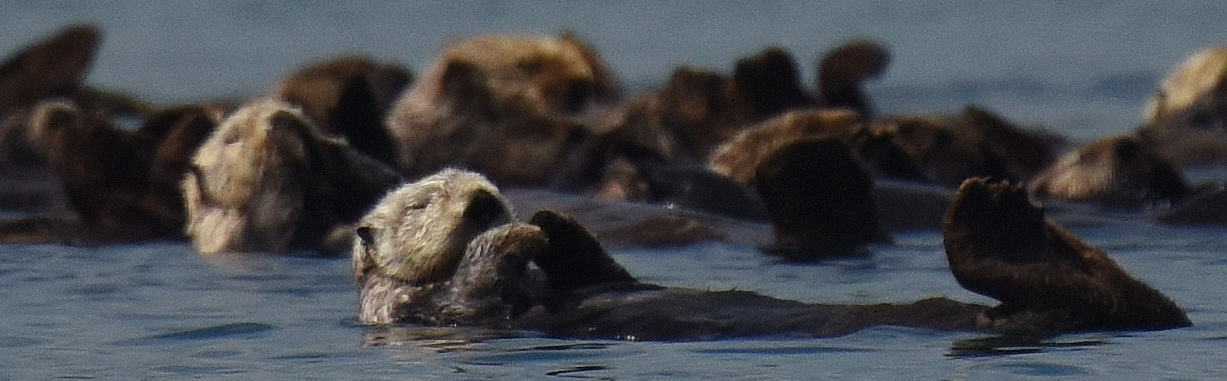
But sea otter populations have recovered in many areas due to a few changes. The International Fur Seal Treaty in 1911 and the Marine Mammal Protection Act (1972) protected sea otters from most human harvest. Wildlife agencies helped sea otter colonisation by transferring them to unoccupied areas. Eventually, sea otters began to increase in abundance and distribution, and they made their way to Glacier Bay, a tidewater glacier fjord and National Park in southeastern Alaska. Continue reading “Monitoring the Distribution and Abundance of Sea Otters”

 Methods Blog