Creating a research and conservation tool to support pollinator survival

Post provided by Matthias Becher, Grace Twiston-Davies & Juliet Osborne
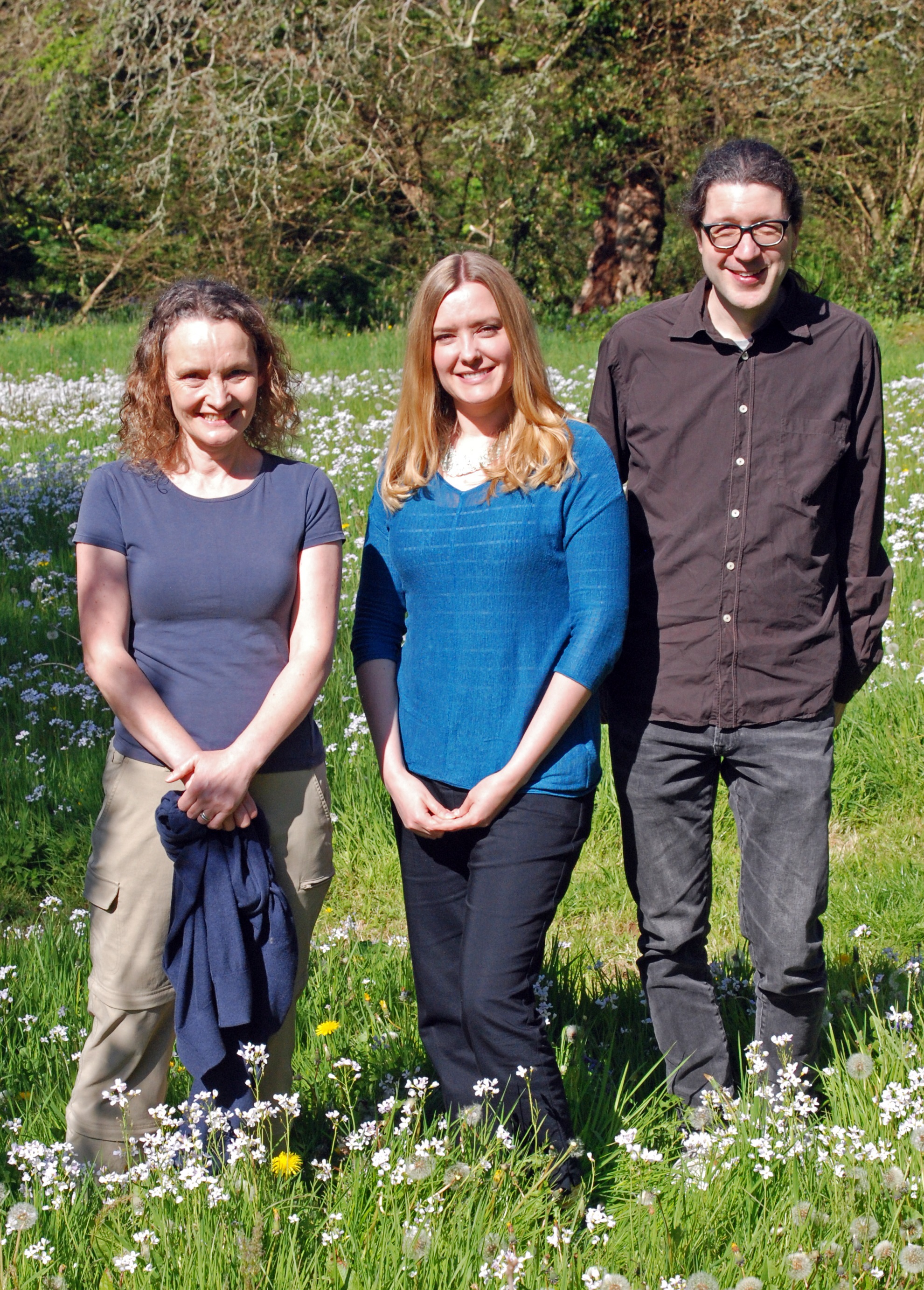
The BEEHAVE Team Osborne Becher and Twiston-Davies. Credit: Pete Kennedy.

Everyone, well, almost everyone, loves honey – that sweet, liquid gold laboriously collected by busy bees from countless little flowers. But of course, much more important than honey or wax or even cosmetic royal jelly products are the pollination services that bees provide to wildflowers and crops. In this blog post, authors Matthias Becher, Grace Twiston-Davies & Juliet Osborne discuss their latest paper published in Methods in Ecology & Evolution, “BEE-STEWARD: a research and decision support software for effective land management to promote bumblebee populations”.

Continue reading “Creating a research and conservation tool to support pollinator survival”

A New Way to Study Bee Cognition in the Wild

Understanding how animals perceive, learn and remember stimuli is critical for understanding both how cognition is shaped by natural selection, and how ecological factors impact behaviour.Unfortunately, the limited number of protocols currently available for studying insect cognition has restricted research to a few commercially available bee species, in almost exclusively laboratory settings. In a new video Felicity Muth describes a simple method she developed with Trenton Cooper, Rene … Continue reading A New Way to Study Bee Cognition in the Wild

National Honey Bee Day 2015

Happy National Honey Bee Day everyone!

As you may know, tomorrow (Saturday 22 August) is National Honey Bee Day in the USA. To mark the day we will be highlighting some of the best papers that have been published on bees and pollinators in Methods in Ecology and Evolution.

You can find out more about National Honey Bee Day (and about bees in general) HERE.

Without further ado though, here are a few of the best Methods papers related to Honey Bees:

Wildebeast graze on the cover of MEE 2.5Honey Bee Risk Assessment

Our Honey Bee highlights begin with Hendriksma et al.’s article ‘Honey bee risk assessment: new approaches for in vitro larvae rearing and data analyses‘. Robust laboratory methods for assessing adverse effects on honey bee brood are required for research into the issues contributing to global bee losses. To facilitate this, the authors of this article recommend in vitro rearing of larvae and suggest some appropriate statistical tools for the related data analyses. Together these methods can help to improve the quality of environmental risk assessment studies on honey bees and secure honey bee pollination. As this article was published over two years ago, it can be accessed for free by anyone.

Continue reading “National Honey Bee Day 2015”