Listening to trees: uncovering the seismic fingerprint of wind-induced tree sway

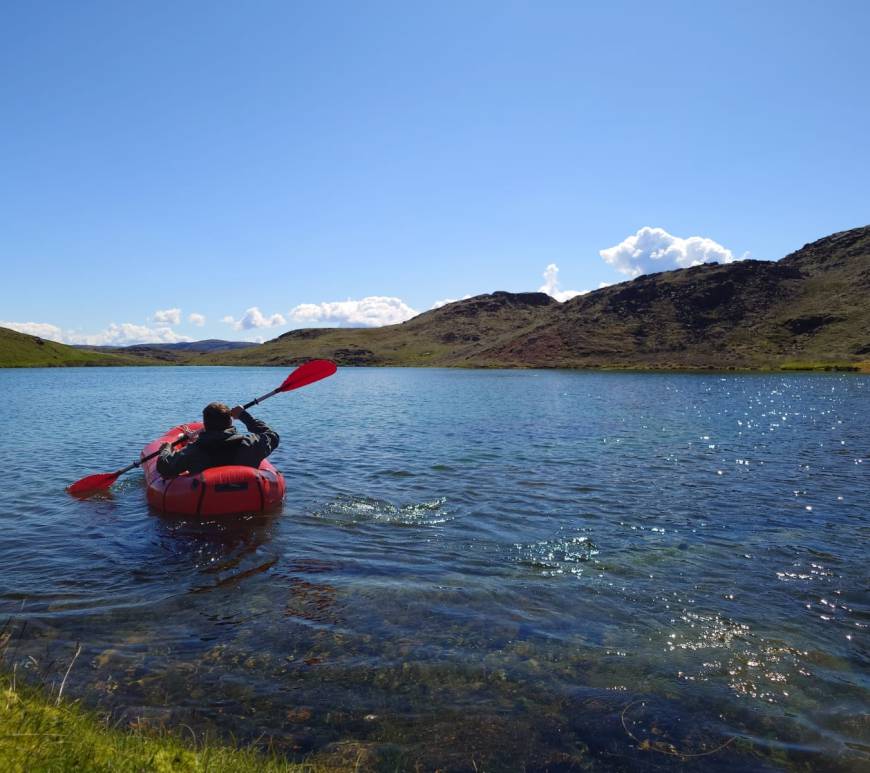
Post provided by Josefine Umlauft. We are a group of geophysicists, mathematicians, and ecologists who normally speak quite different scientific languages. This project brought us together through a shared curiosity: could the instruments and analytical tools originally developed for studying earthquakes also help us understand how trees move in the wind? The result, The Seismic Fingerprint of Wind-Induced Tree Sway, grew out of conversations between … Continue reading Listening to trees: uncovering the seismic fingerprint of wind-induced tree sway

Peering through the shell: tracking stress with heartbeats

Post provided by Lima F. P.; Pereira F. L.; Loureiro B.; Humet M.; Seabra R. How can we tell when an animal is stressed, long before it dies? For marine invertebrates like mussels, limpets, oysters, or crabs, one of the clearest signals comes from their hearts. Heart rate can vary in response to changes in the environment (such as temperature or oxygen), offering a non-invasive … Continue reading Peering through the shell: tracking stress with heartbeats

Our October issue is out now!

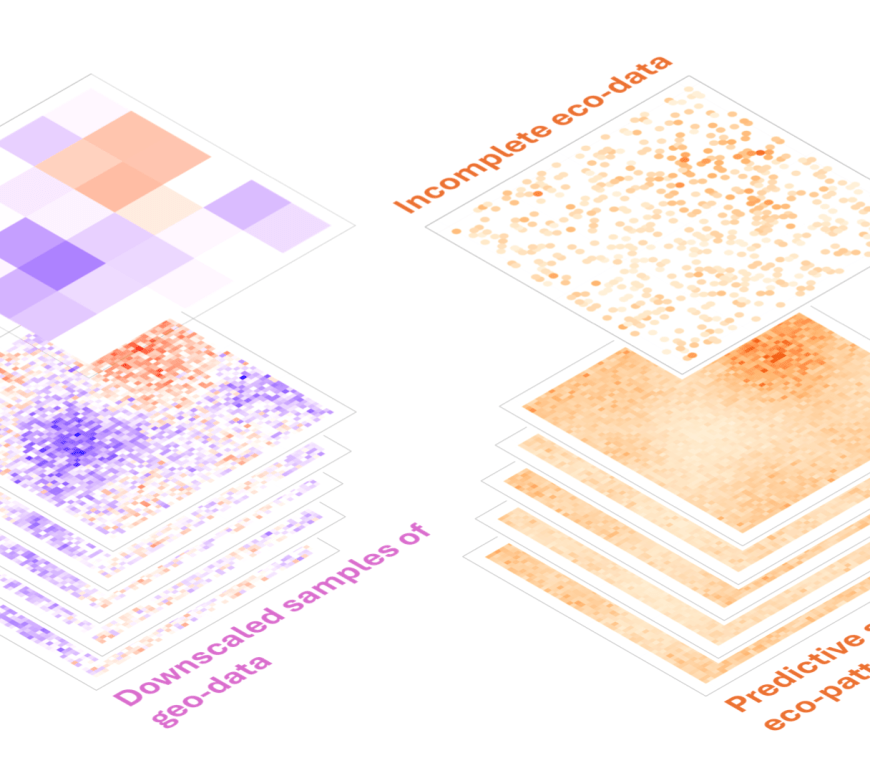
This issue contains the latest methods in ecology and evolution. Read to find out about this month’s featured articles and the article behind our cover! Featured Advancing causal inference in ecology: Pathways for biodiversity change detection and attribution Here, authors address key challenges of biodiversity change detection and conservative causal attribution and propose solutions to overcome barriers in (1) biodiversity and driver data characteristics, (2) detection of change within both data types and (3) linking driver and biodiversity … Continue reading Our October issue is out now!

Our September issue is out now!

This issue contains the latest methods in ecology and evolution. Read to find out about this month’s featured articles and the article behind our cover! Featured DeepDiveR—A software for deep learning estimation of palaeodiversity from fossil occurrences The incompleteness of the fossil record presents a barrier to estimating changes in biodiversity which standard statistical methods struggle to account for. Here authors present DeepDiveR, an R package … Continue reading Our September issue is out now!

Citizen scientist coders for wildlife conservation – a MoveApps story

Post provided by Andrea Kölzsch. I am a movement ecologist and have until recently worked as a PostDoc at the Max Planck Institute of Animal Behavior in Radolfzell, Germany. My research focusses, on the one hand, on the tracking of waterbird movement, but in a more general capacity on the empowering of ecologists to gain knowledge from complex data. The background story of our presently … Continue reading Citizen scientist coders for wildlife conservation – a MoveApps story

No training necessary: Shark tracking simplified

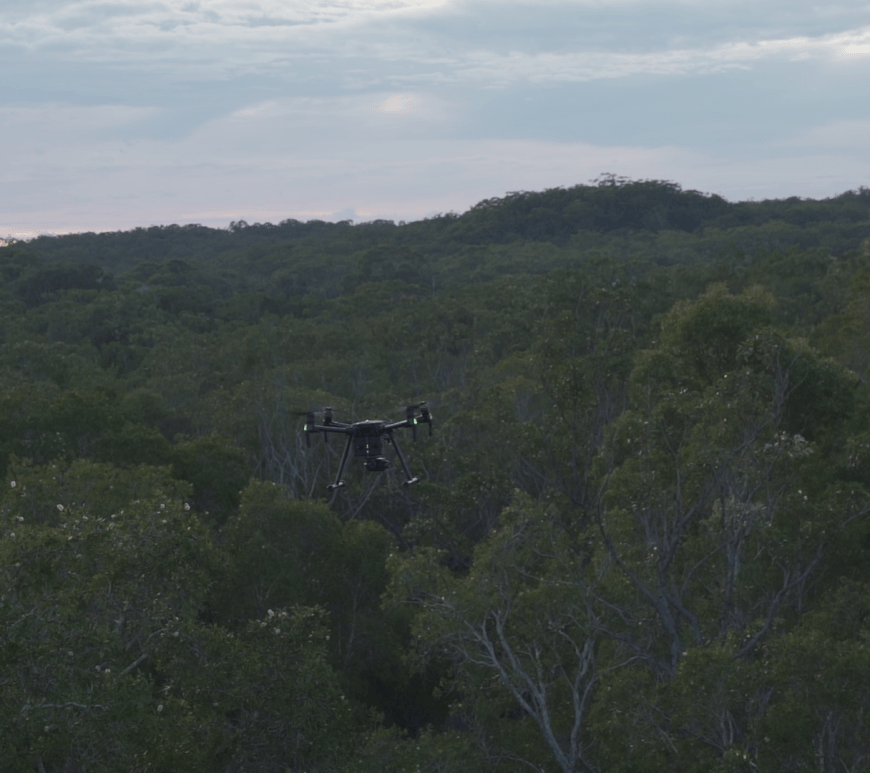
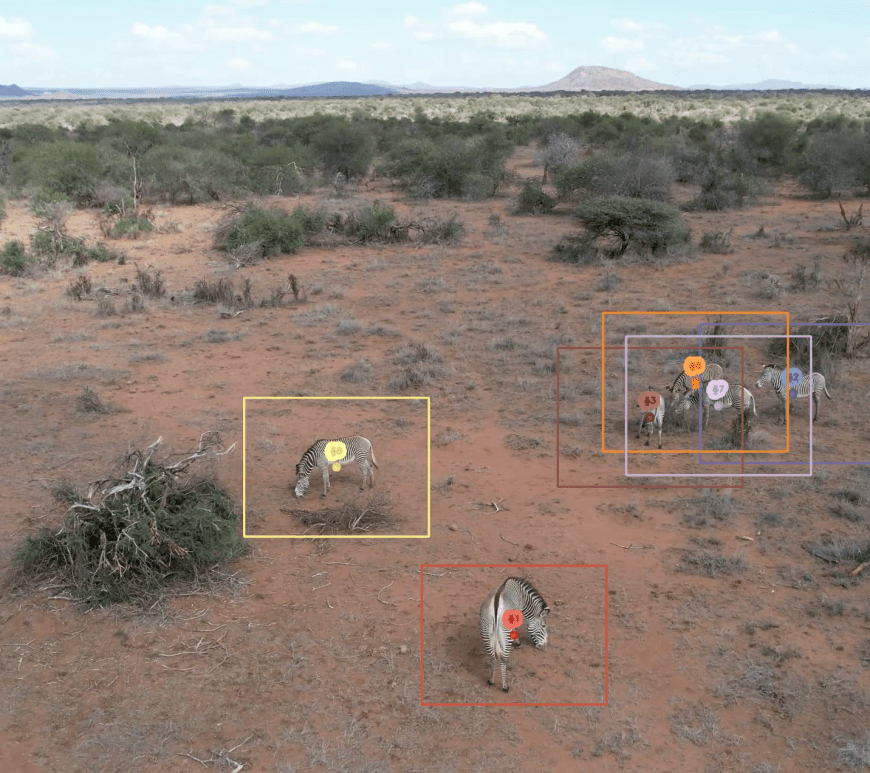
Post provide Chinmay Keshava Lalgudi. Drone imagery offers an efficient way to gather data on mobile animals. Drones are used for population surveys, creating 3D models of habitat, and even studying how animals move and behave in their environment. While collecting this data is relatively easy, manually annotating it is painstaking and slow. Analysing drone imagery can often mean spending hours in front of a … Continue reading No training necessary: Shark tracking simplified

Our August issue is out now!

This issue contains the latest methods in ecology and evolution. Read to find out about this month’s featured articles and the article behind our cover! Featured Empirical ecology to support mechanistic modelling: Different objectives, better approaches and unique benefits Making mechanistic models credible requires empirical studies, but traditional study topics and designs often do not support them well. The models we use for modern problems need … Continue reading Our August issue is out now!

Our July Issue is out now!

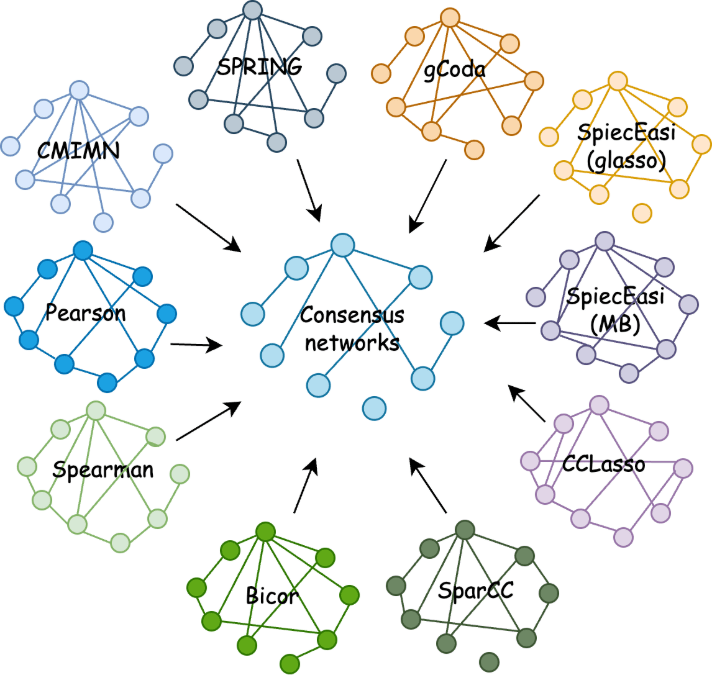
This issue contains the latest methods in ecology and evolution. Read to find out about this month’s featured articles and the article behind our cover! Featured MicroEcoTools: An R package for comprehensive theoretical microbial ecology analysis Authors introduce MicroEcoTools, an R package designed to test ecological framework predictions using microbial community data. It assesses microbial diversity and evaluates the relative impacts of stochastic and deterministic … Continue reading Our July Issue is out now!

False Causes, Meet Attractor Dimension

Post provided by Yair Daon Who am I? I’m Yair Daon, a mathematician-turned-epidemiologist at Bar-Ilan University’s Faculty of Medicine. Most days I stare at time-series curves that claim one thing “drives” another. When those claims are wrong, public-health decisions can drift off course. Our new Methods in Ecology & Evolution paper introduces a fast way to shout “no!” before that happens. A two-minute primer for … Continue reading False Causes, Meet Attractor Dimension

Our June Issue is out now!

This issue contains the latest methods in ecology and evolution, including papers from the special feature Innovation in Practice. Read to find out about this month’s featured articles and the article behind our cover! Featured ECKOchain: A FAIR blockchain‐based database for long‐term ecological data Open data practices in ecology are increasingly accepted, yet primary long-term ecological data remain hard to find. To incentivise open primary ecological … Continue reading Our June Issue is out now!