The Ecology of Dance
Post provided by Chloe Robinson
Dance has been part of human culture for millennia. Some scholars refer to dance as a specific language, dependent on the space and time in which it exists and dependent on the power structures that rule in that time. April 29th marks International Dance Day; a day initiated in 1982 by the International Dance Committee of the UNESCO International Theatre Institute to commemorate the birthday of Jean-Georges Noverre, a distinguished French choreographer.
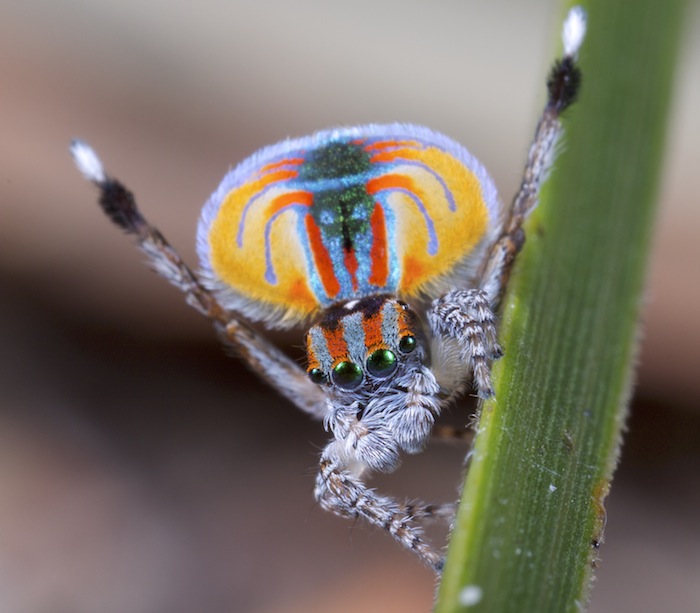
For humans, dance is considered a sacred ritual, sometimes a form of communication and sometimes an important social and courtship activity. A recent study has even linked the innate ability to dance with greater survival rates in prehistoric times. However, for certain species of wild animal, dance-like behaviours are crucial for communication and mating. In this blog, I am going to highlight the evolutionary foundations of dance in wild animals and explore some of the ways that dance is used in ecology.
Continue reading “The Ecology of Dance”

 Methods Blog