Jordan Martin: Covariance reaction norms: A flexible method for estimating complex environmental effects on trait (co)variances

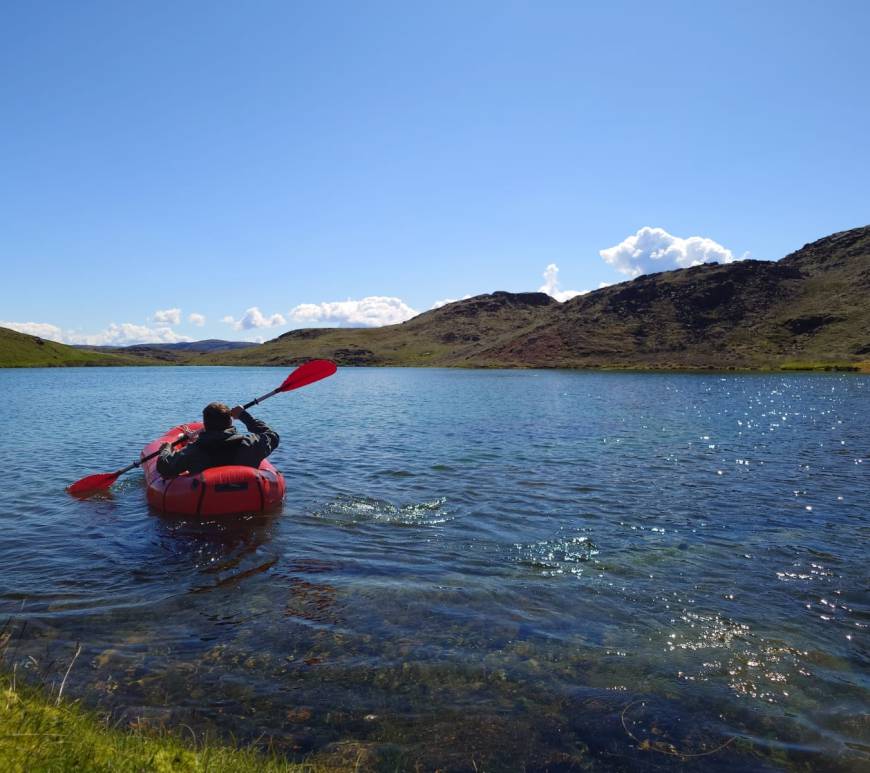
Throughout March, we are featuring articles shortlisted for the 2025 Robert May Prize. The Robert May Prize is awarded by the British Ecological Society each year for the best paper in Methods in Ecology and Evolution written by an early career author. Jordan Martin’s article ‘Covariance reaction norms: A flexible method for estimating complex environmental effects on trait (co)variances‘ is one of those shortlisted for … Continue reading Jordan Martin: Covariance reaction norms: A flexible method for estimating complex environmental effects on trait (co)variances
Jenna Kline: Studying collective animal behaviour with drones and computer vision

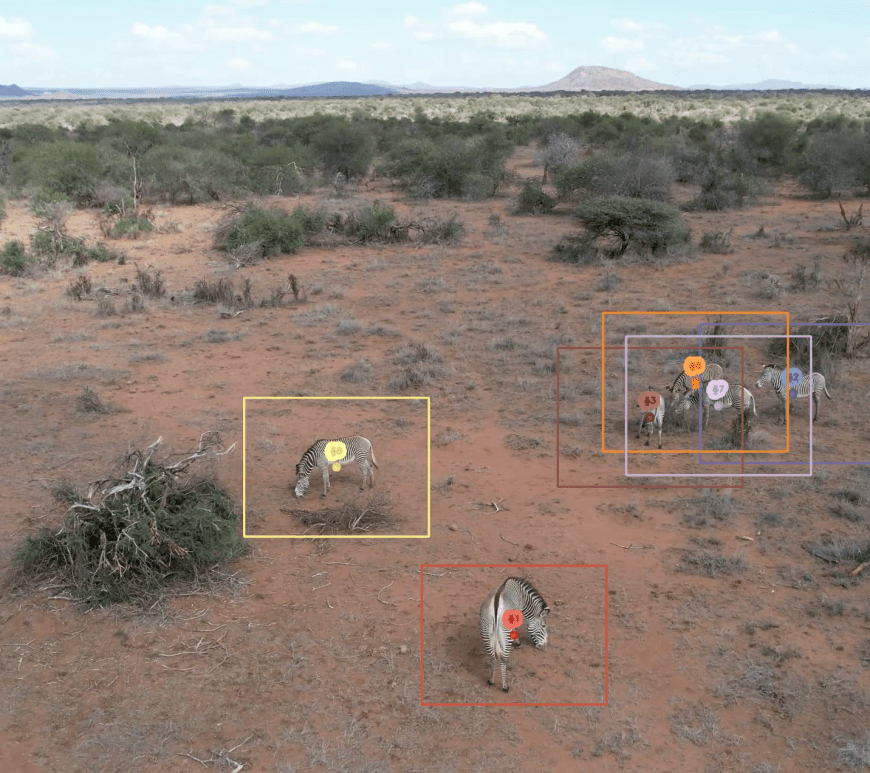
Throughout March, we are featuring articles shortlisted for the 2025 Robert May Prize. The Robert May Prize is awarded by the British Ecological Society each year for the best paper in Methods in Ecology and Evolution written by an early career author. Jenna Kline’s article ‘Studying collective animal behaviour with drones and computer vision‘ is one of those shortlisted for the award. About the paper What is your shortlisted paper … Continue reading Jenna Kline: Studying collective animal behaviour with drones and computer vision

Pieter Sanczuk: Continuous quantification of forest microclimate temperatures in space and time using fibre-optic technology

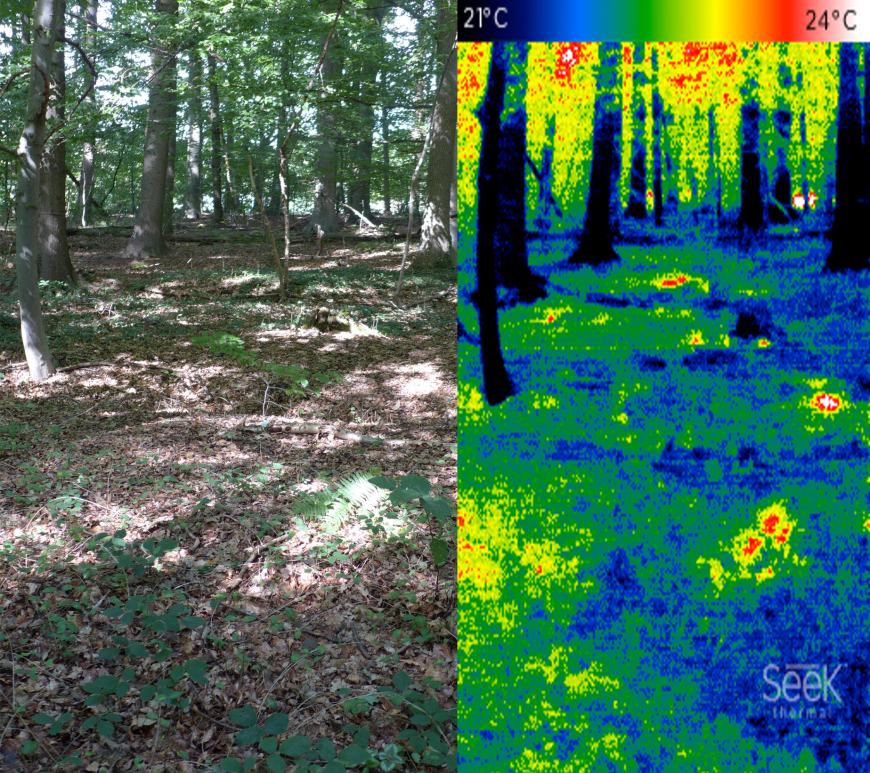
Throughout March, we are featuring articles shortlisted for the 2025 Robert May Prize. The Robert May Prize is awarded by the British Ecological Society each year for the best paper in Methods in Ecology and Evolution written by an early career author. Pieter Sanczuk’s article ‘Continuous quantification of forest microclimate temperatures in space and time using fibre-optic technology‘ is one of those shortlisted for the award. About the paper What … Continue reading Pieter Sanczuk: Continuous quantification of forest microclimate temperatures in space and time using fibre-optic technology

Or Ben-Zvi: The Benthic Underwater Microscope imaging PAM (BUMP): A non-invasive tool for in situ assessment of microstructure and photosynthetic efficiency

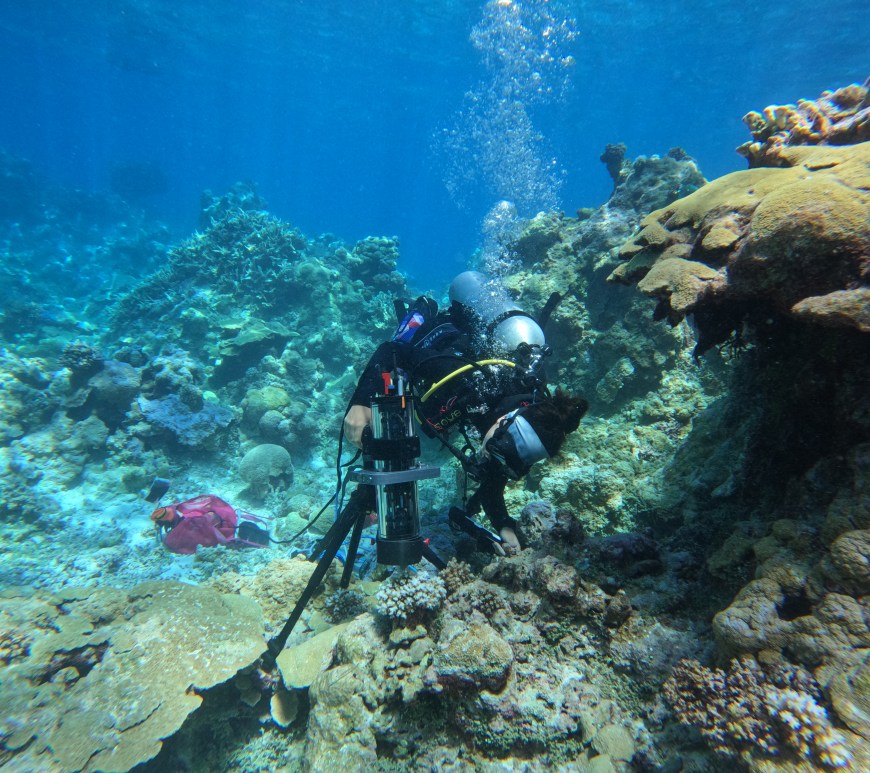
Throughout March, we are featuring articles shortlisted for the 2025 Robert May Prize. The Robert May Prize is awarded by the British Ecological Society each year for the best paper in Methods in Ecology and Evolution written by an early career author. Or Ben-Zvi’s article ‘The Benthic Underwater Microscope imaging PAM (BUMP): A non-invasive tool for in situ assessment of microstructure and photosynthetic efficiency‘ is one of those shortlisted for the … Continue reading Or Ben-Zvi: The Benthic Underwater Microscope imaging PAM (BUMP): A non-invasive tool for in situ assessment of microstructure and photosynthetic efficiency

Modelling and inference for the movement of interacting animals

Post provided by Jordan Milner

Each year Methods in Ecology and Evolution awards the Robert May Prize to the best paper published in the journal by an author at the start of their career. Ten Early Career Researchers made the shortlist for this year’s prize, including Jordan Milner who studied for his PhD at the University of Sheffield in the UK. In this interview, Jordan shares insights on his paper ‘Modelling and inference for the movement of interacting animals’.

Continue reading “Modelling and inference for the movement of interacting animals”

Robert May Prize 2021: Winner Announced

We are delighted to announce David Wilkinson as the winner of the Robert May Prize 2021, awarded to the best paper by an early career researcher in the 2021 volume of Methods in Ecology and Evolution. In this interview, David shares insights on his winning article ‘Defining and evaluating predictions of joint species distribution models’. Congratulations to all the shortlisted authors, whose articles you can read … Continue reading Robert May Prize 2021: Winner Announced

Rhodamine B – a non-toxic biomarker for assessing the distance travelled by rats in urban slums

Post provided by Awoniyi Michael Adedayo Each year Methods in Ecology and Evolution awards the Robert May Prize to the best paper published in the journal by an author at the start of their career. Ten Early Career Researchers made the shortlist for this year’s prize, including Awoniyi Michael Adedayo, who recently defended his PhD from the Federal University of Bahia (UFBA) Brazil. In this … Continue reading Rhodamine B – a non-toxic biomarker for assessing the distance travelled by rats in urban slums

The potential and practice of arboreal camera trapping

Post provided by Jennifer Moore

Each year Methods in Ecology and Evolution awards the Robert May Prize to the best paper published in the journal by an author at the start of their career. Ten Early Career Researchers made the shortlist for this year’s prize, including Jennifer Moore who is a post-doctoral associate at the University of Florida in the USA. In this interview, Jennifer shares insights on her paper ‘The potential and practice of arboreal camera trapping’.

Continue reading “The potential and practice of arboreal camera trapping”

A new graphical interface and toolkit for phylogenetic analyses

Post provided by Daniel Edler

Each year Methods in Ecology and Evolution awards the Robert May Prize to the best paper published in the journal by an author at the start of their career. Ten Early Career Researchers made the shortlist for this year’s prize, including Daniel Edler who is a PhD student at Umeå University in Sweden. In this interview, Daniel shares insights on his paper ‘raxmlGUI2.0: a graphical interface and toolkit for phylogenetic analyses using RAxML’.

Continue reading “A new graphical interface and toolkit for phylogenetic analyses”

Ultrasound for trees? Using focused ultrasound technology as a new method of DNA extraction

Post provided by Hal Holmes

Each year Methods in Ecology and Evolution awards the Robert May Prize to the best paper in the journal by an author at the start of their career. Hal Homes has been shortlisted for their article ‘Focused ultrasound extraction (FUSE) for the rapid extraction of DNA from tissue matrices’. In this blog, Hal discusses how their paper came to be and the future applications of FUSE technology.

Continue reading “Ultrasound for trees? Using focused ultrasound technology as a new method of DNA extraction”