Post provided by Ruairí Donnelly, Israël Tankam, and Alison Scott-Brown
Here in the Epidemiology and Modelling Group at the University of Cambridge, our work is driven by the need to secure food supplies for future generations, particularly for those living in areas of the world already under increasing pressure from climate change and extreme weather conditions, making it harder for small-holders to produce and trade their crops.
Among the many questions we ask, one challenge that we focus on is understanding how destructive plant viruses, like the cassava mosaic and cassava brown-streak viruses, are spread by insects. We recently developed a set of tools for predicting and managing outbreaks of plant viral epidemics – and we demonstrated how they can be used for viral management of cassava, a vital food security crop in sub-Saharan Africa.
Understanding how plant diseases spread is essential if we want to protect crops before outbreaks spiral out of control. For insect-borne plant viruses, that challenge is particularly tricky: transmission depends not just on the pathogen, but on the behaviour and abundance of the insects that carry it.
While researchers have long studied these processes in laboratory assays, translating those measurements into real-world disease risk has remained a major hurdle.
A vital food security crop in sub-Saharan Africa
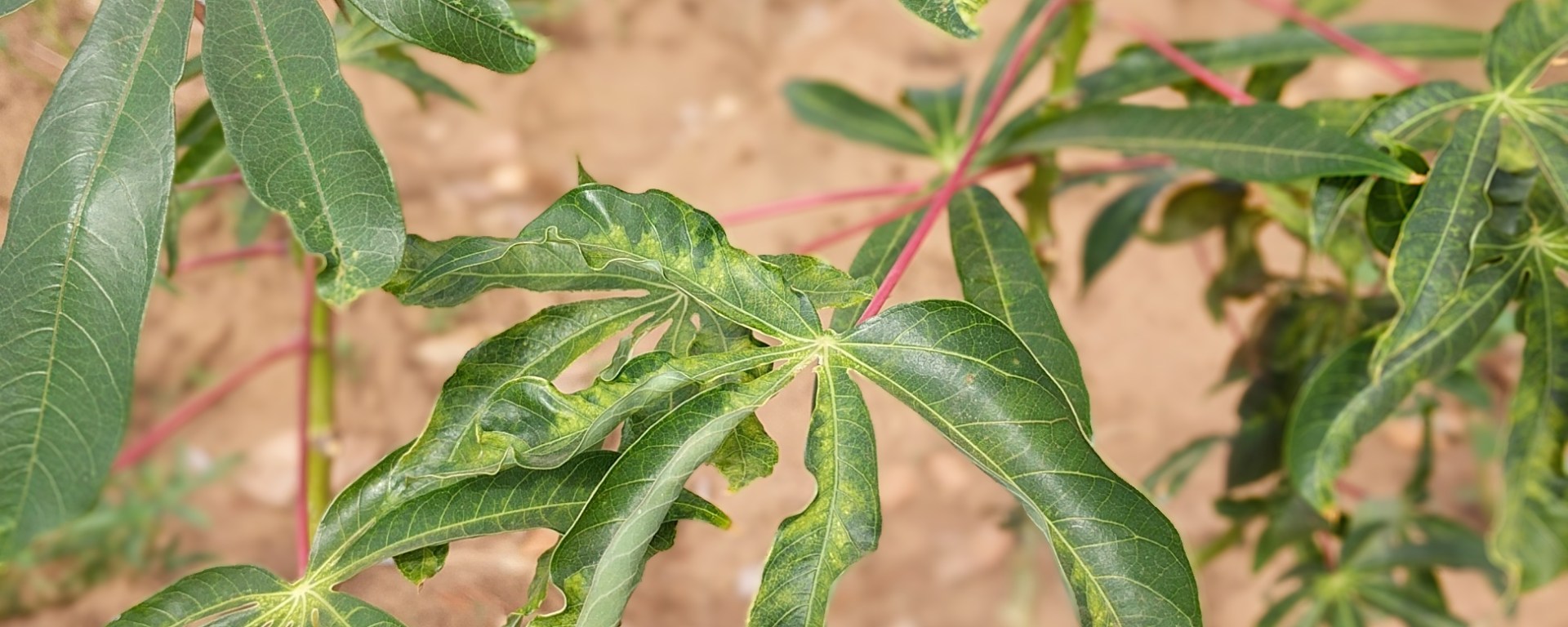
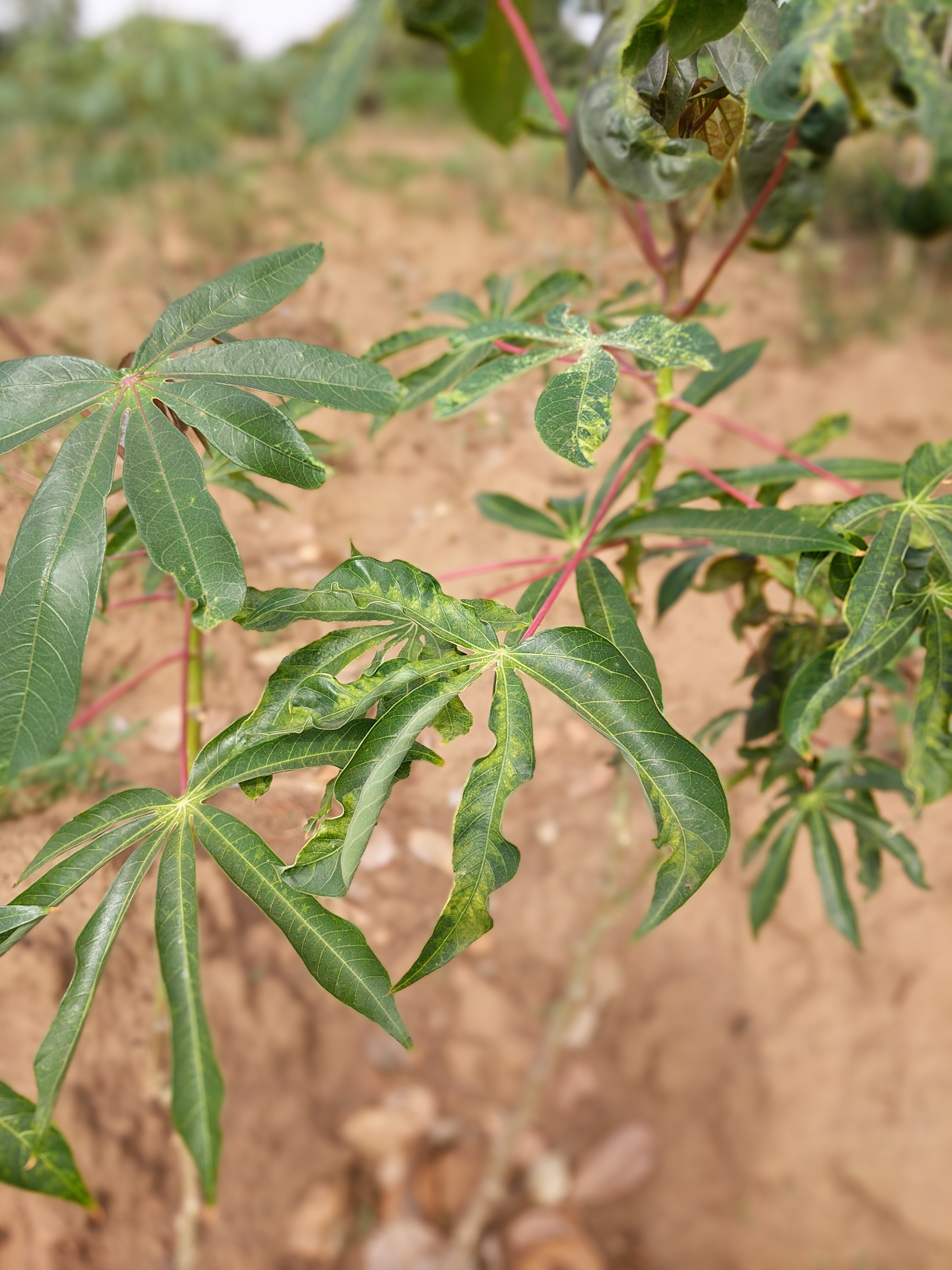
Cassava, a staple food grown widely across sub-Saharan Africa, is severely threatened by diseases such as Cassava Mosaic Disease and Cassava Brown Streak Disease. These diseases don’t spread on their own. Whiteflies act as vectors of the viral pathogens that cause them, moving viruses from plant to plant as they feed.
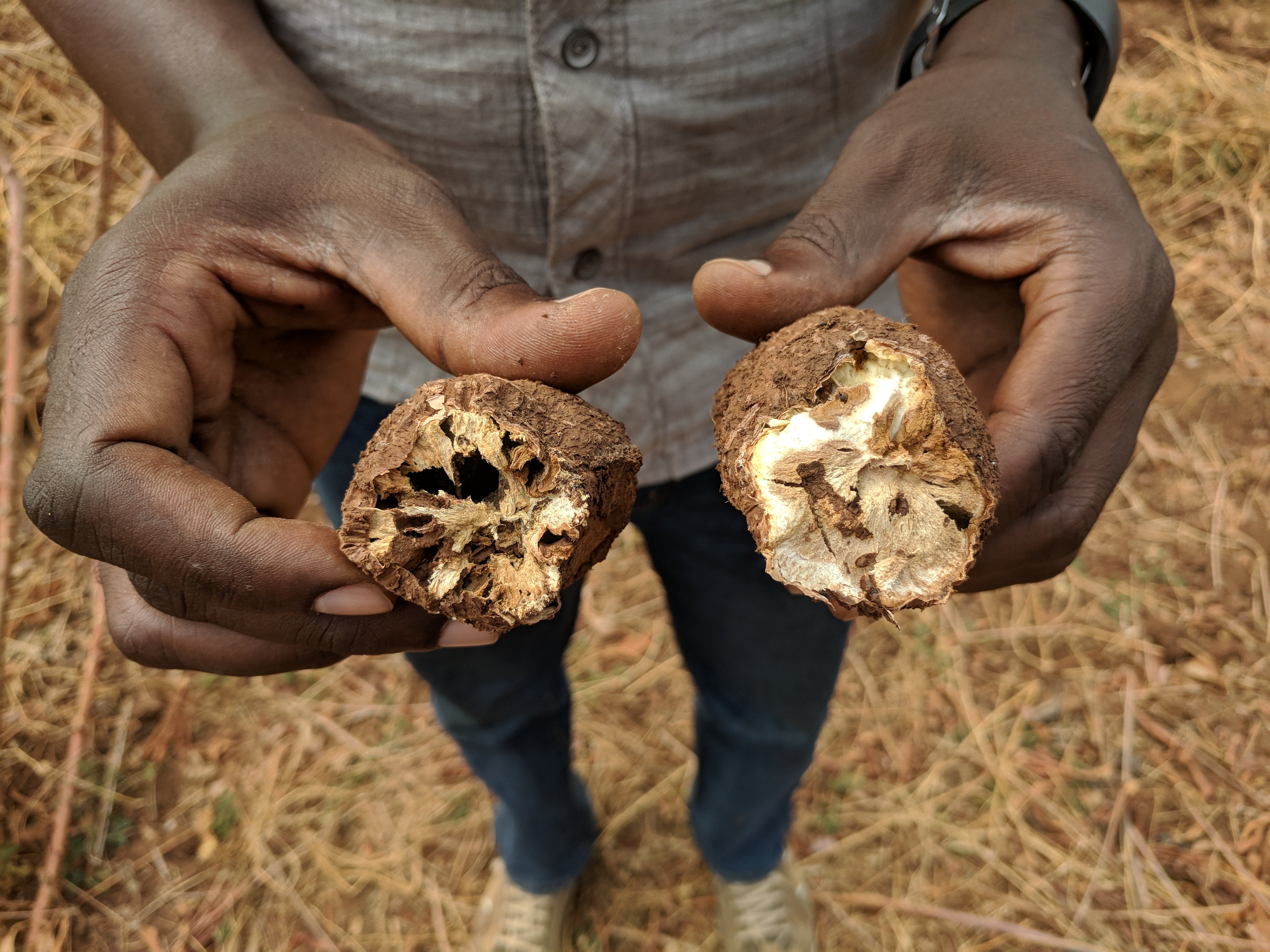
When outbreaks take hold, the consequences can be devastating. The diseases reduce both the quality and quantity of harvested crops, triggering food insecurity and significant economic hardship—with estimated annual crop losses exceeding $1.25 billion in sub-Saharan Africa. For farmers, this can mean losing both income and reliable access to food.
To address this challenge, we developed a new computational approach, combining mathematical and statistical modelling, now available through the EpiPvr (Epidemiology of Plant Virus transmission) R package. This software tool is designed to help researchers and policy-makers understand, predict, and ultimately manage viral disease epidemics in crops like cassava.
A new tool to better predict virus risk
The EpiPvr tool works by using data compiled from experiments where insects are monitored when feeding on healthy and infected plants – the kinds of experiments that plant pathologists have developed and relied on for decades.
Researchers can upload their data, and EpiPvr functions will estimate key factors that influence disease spread, such as how easily insects pick up and pass on infections and how long they stay infectious. Crucially, the package can also predict the risk of local outbreaks following pathogen introductions in the field.
In our recently published study that introduces the EpiPvr tool, we found striking differences between the epidemic capabilities of cassava viruses: we found that the viruses that cause cassava brown streak disease spread poorly from insects to plants, but are dangerous because infected plants are hard to spot. In contrast, the viruses that cause cassava mosaic disease spread easily and cause obvious symptoms in diseased plants, while insects stay infectious for a long time. As a result, the risk of cassava mosaic disease outbreaks is high even when whitefly numbers are low, whereas the risk of cassava brown streak disease outbreaks remains relatively low for whitefly populations until they reach moderate or high levels of abundance.
From transmission estimates to cassava management
While the EpiPvr tool is mainly focused on assessing transmission and epidemic risk, in our follow up study we have explored how these findings should inform disease management. This work introduced ‘CropMix’, a web-based decision support tool designed to help optimise crop variety mixtures in order to maintain high yields when disease-risk is high.
When we ran the CropMix tool using the EpiPvr cassava virus estimates, we found that fields of cassava can be protected from cassava brown streak disease epidemics using mixtures of susceptible and virus-resistant cassava varieties – but only if whitefly numbers are moderate or low. In contrast, there were no mixtures of cassava varieties that could improve upon the protection of yield offered by tolerant or resistant mono-cultures in the face of an epidemic of cassava mosaic disease.
Practical strategies for managing plant diseases
These studies show how modelling tools can guide practical strategies for managing plant diseases. Looking forward, several improvements will allow more accurate forecasts of disease risk and management options under future climate conditions.
EpiPvr is being expanded to predict local cassava brown streak viral outbreak risk across sub-Saharan Africa by combining its estimates with time-varying whitefly data. When whitefly data is unavailable – for example, in future climate scenarios – additional functions will use recent advances in modelling to forecast whitefly data from climate conditions. In addition, CropMix is being upgraded to handle a more extensive range of crop planting patterns that are possible across fields in farms.
In summary, a new set of tools for assessing a wide range of insect-borne plant pathogens is now ready for use. The tools will help design targeted, sustainable interventions to balance effectiveness with farmer needs – an essential step toward long-term crop protection.
Read the full articles here (for EpiPvr) and here (for CropMix).
 Methods Blog