How to spot river-borne diseases with almost no data

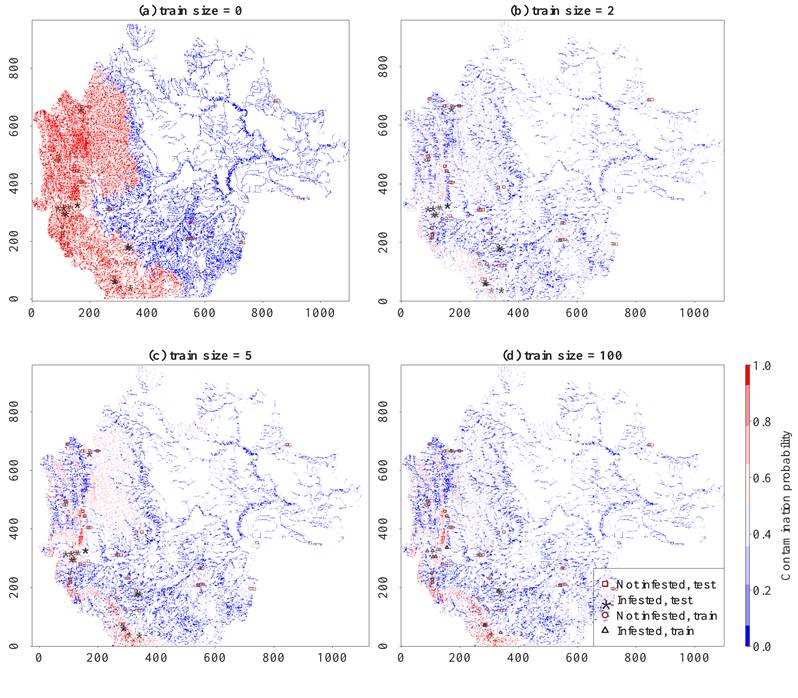
Post provided by Pouria Ramazi When Alberta Environment and Parks brought this problem to our group in 2018, the question was practical. Whirling disease had been detected in Alberta, but testing every stretch of a river was impossible. Could a few scattered fish and worm tests show where the parasite Myxobolus cerebralis was most likely to occur across the Oldman River? I had just begun … Continue reading How to spot river-borne diseases with almost no data

Managing plant viral epidemics – linking insect transmission and epidemic risk

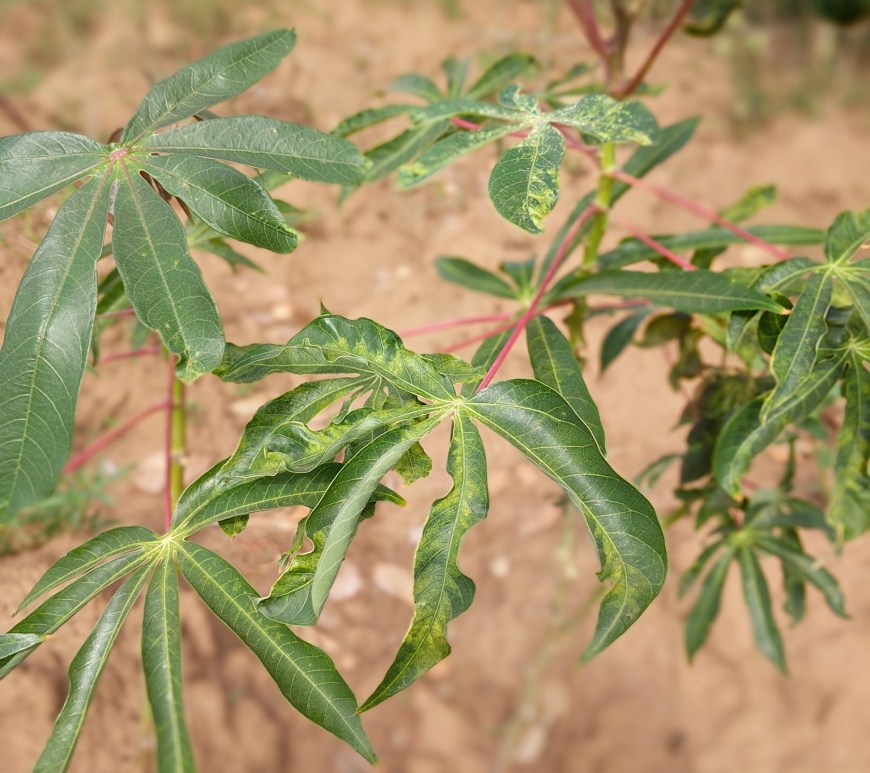
Post provided by Ruairí Donnelly, Israël Tankam, and Alison Scott-Brown Here in the Epidemiology and Modelling Group at the University of Cambridge, our work is driven by the need to secure food supplies for future generations, particularly for those living in areas of the world already under increasing pressure from climate change and extreme weather conditions, making it harder for small-holders to produce and trade … Continue reading Managing plant viral epidemics – linking insect transmission and epidemic risk

False Causes, Meet Attractor Dimension

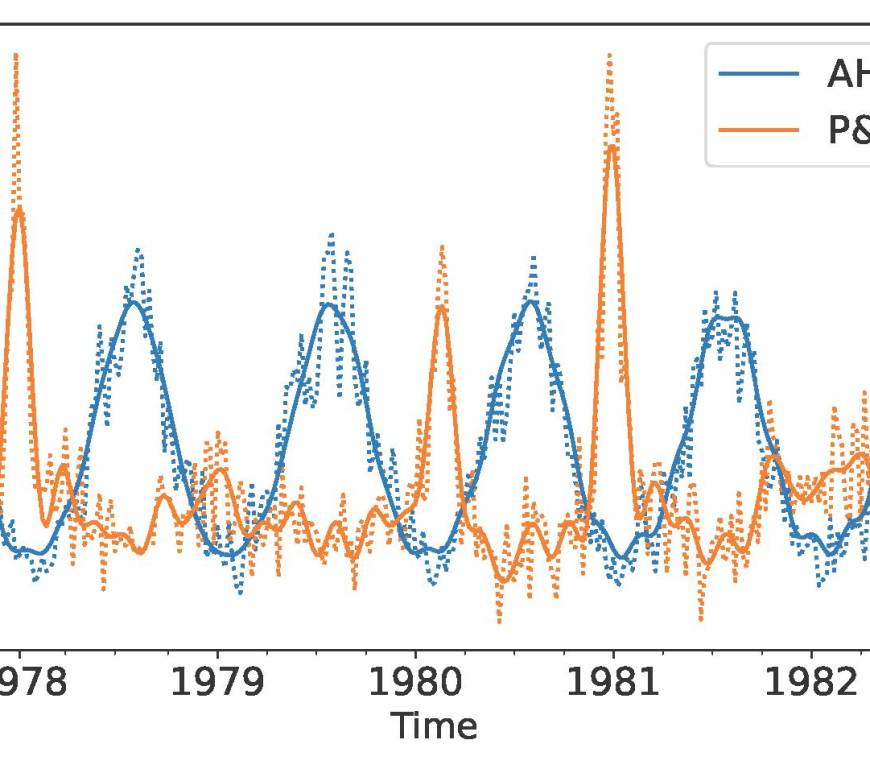
Post provided by Yair Daon Who am I? I’m Yair Daon, a mathematician-turned-epidemiologist at Bar-Ilan University’s Faculty of Medicine. Most days I stare at time-series curves that claim one thing “drives” another. When those claims are wrong, public-health decisions can drift off course. Our new Methods in Ecology & Evolution paper introduces a fast way to shout “no!” before that happens. A two-minute primer for … Continue reading False Causes, Meet Attractor Dimension