Throughout March, we are featuring articles shortlisted for the 2025 Robert May Prize. The Robert May Prize is awarded by the British Ecological Society each year for the best paper in Methods in Ecology and Evolution written by an early career author. Nina Schiettekatte’s article ‘habtools: An R package to calculate 3D metrics for surfaces and objects‘ is one of those shortlisted for the award.
About the paper
What is your shortlisted paper about, and what are you seeking to answer with your research?
Our paper presents the R package habtools, which includes R functions to efficiently calculate complexity and shape metrics from Digital Elevation Models, 3D meshes, and 2D shapes as well as some helper functions to facilitate workflow. The idea behind this package development was to make it easier for ecologists and practitioners to apply standardized methods to quantify the structural complexity of habitats and organisms.
Were you surprised by anything when working on it? Did you have any challenges to overcome?
One complexity metric in particular, fractal dimension, caused a lot of confusion and has been quantified in other work using various scales and methods, not always reporting the methodological details. Since most surfaces are not perfect fractals, the chosen method and scale can have a big influence on the outcome. Nonetheless, fractal dimension remains an ecologically relevant metric, affecting key community aspects such as size distribution and biodiversity. Our recommendations and a function to diagnose the chosen method and scale can help researchers quantify fractal dimension in a streamlined manner and facilitate comparison across future studies.
Credit: Nina Schiettekatte
What is the next step in this field going to be?
The next steps will include improving our understanding of how structural complexity affects biological communities and ecosystem functioning across various ecosystems and quantifying how the shape of surfaces is changing on various scales.
What are the broader impacts or implications of your research for policy or practice?
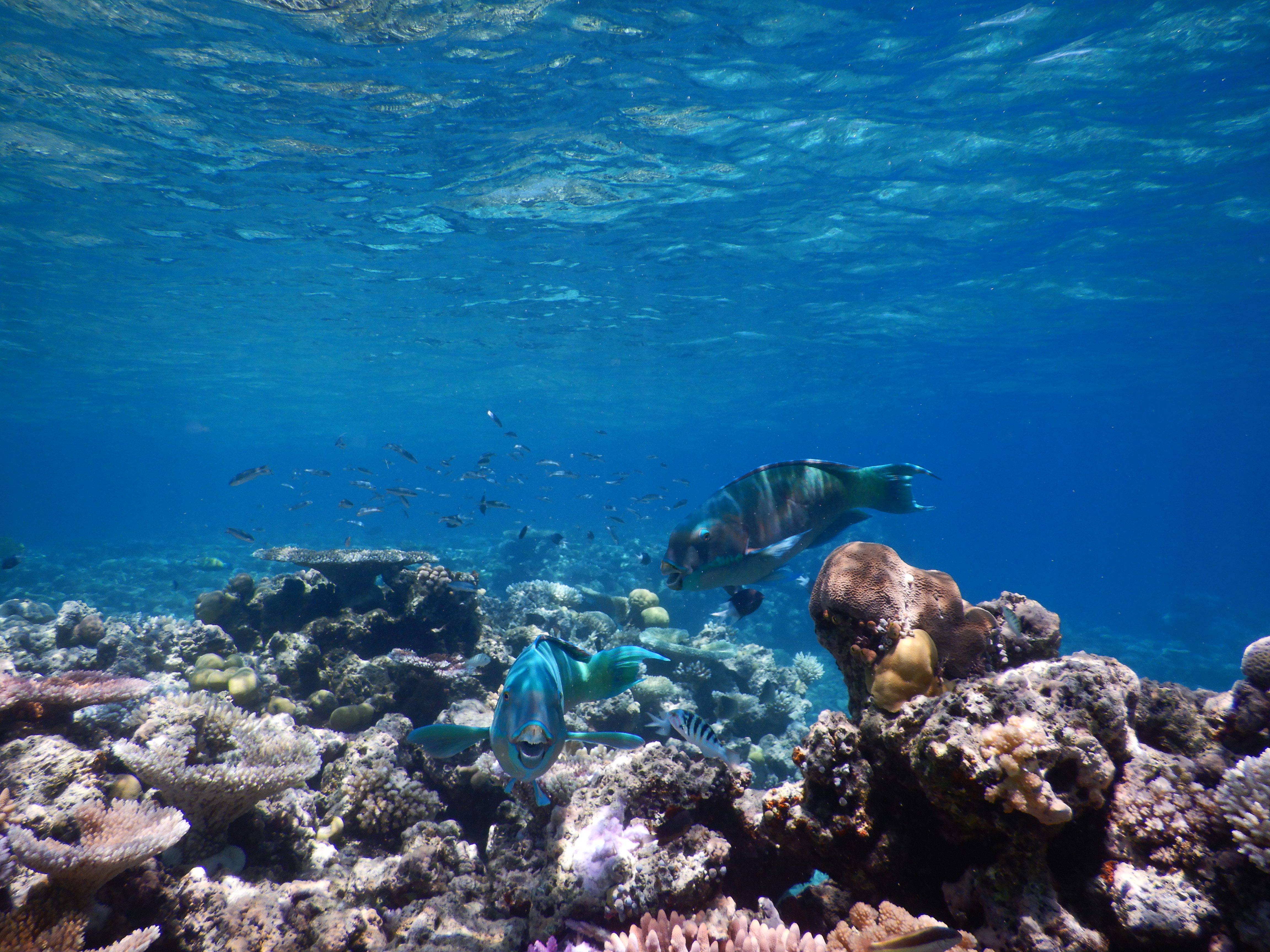
From habitat destruction (e.g. bottom trawling) to the decline of ecosystem engineers due to climate change (e.g. mass coral bleaching), humans are altering the physical structure of habitats across the world, which inevitably affects their inhabitants. We hope that the tools we created can be used to monitor such structural change. Further, our package could be used to compare artificial and natural habitats to inform restoration efforts.
About the author
What is your current position?
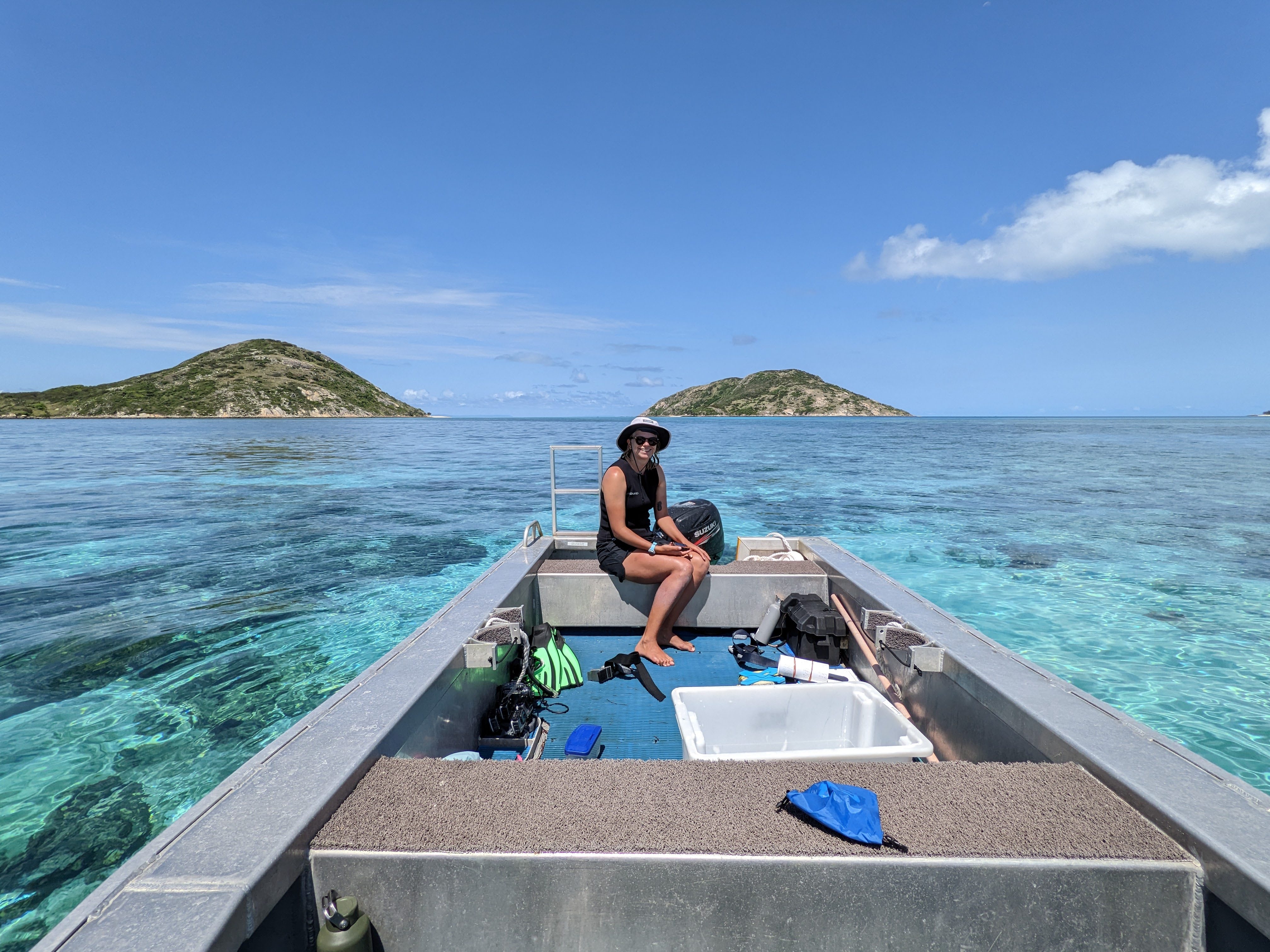
I am currently a postdoctoral researcher, working at the MARE Guia Marine Laboratory, University of Lisbon.
Credit: Marion Chapeau
Have you continued the research your paper is about?
Yes, I am applying the tools we developed to assess the effect of structural complexity in coral reefs on ecosystem functions mediated by fishes. Moreover, I am working on a theoretical framework predicting how biodiversity changes with varying structural complexity.
What one piece of advice would you give to someone in your field?
In an age where AI and pressure to publish accelerates academic research more than ever, taking the time to think deeply about a problem is almost an act of rebellion. Don’t be afraid of being slow.
 Methods Blog