Citizen scientist coders for wildlife conservation – a MoveApps story

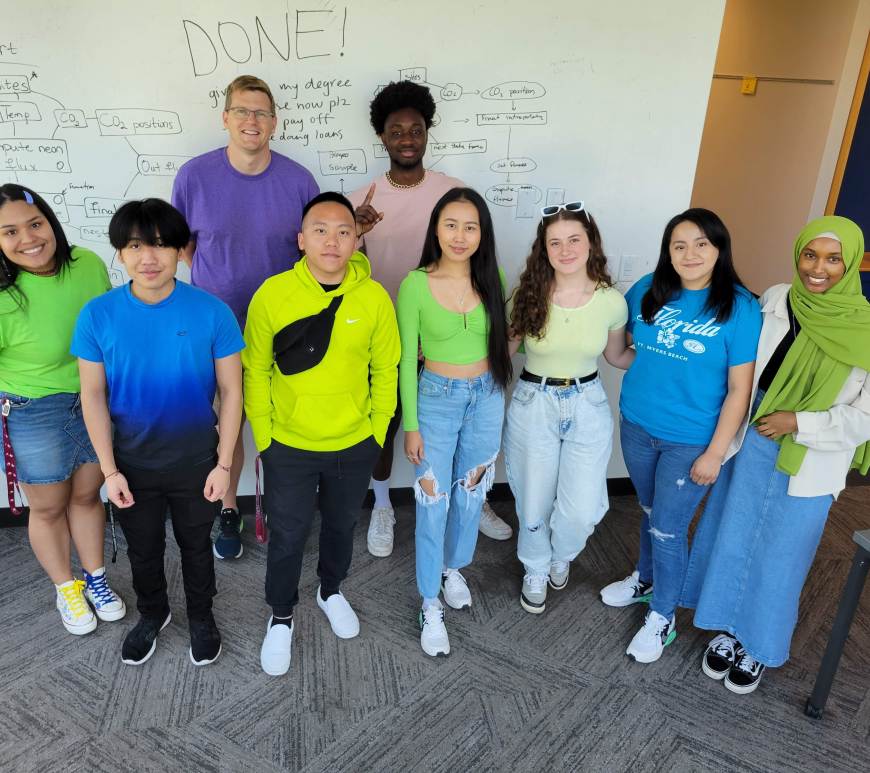
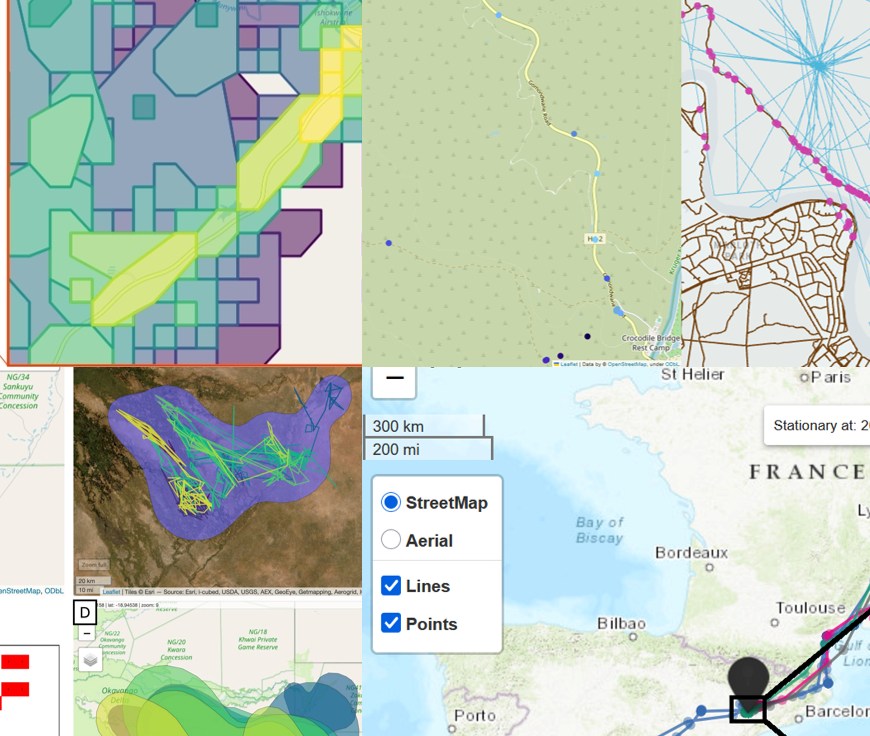
Post provided by Andrea Kölzsch. I am a movement ecologist and have until recently worked as a PostDoc at the Max Planck Institute of Animal Behavior in Radolfzell, Germany. My research focusses, on the one hand, on the tracking of waterbird movement, but in a more general capacity on the empowering of ecologists to gain knowledge from complex data. The background story of our presently … Continue reading Citizen scientist coders for wildlife conservation – a MoveApps story

No training necessary: Shark tracking simplified

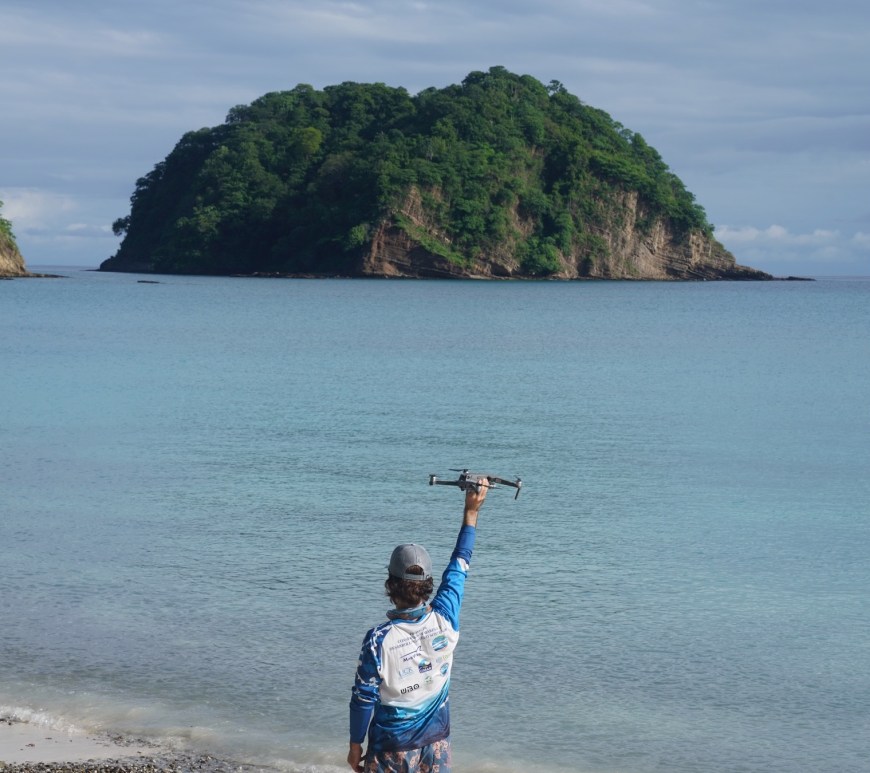
Post provide Chinmay Keshava Lalgudi. Drone imagery offers an efficient way to gather data on mobile animals. Drones are used for population surveys, creating 3D models of habitat, and even studying how animals move and behave in their environment. While collecting this data is relatively easy, manually annotating it is painstaking and slow. Analysing drone imagery can often mean spending hours in front of a … Continue reading No training necessary: Shark tracking simplified

Capturing diversity below the species level using HyRAD : a nuclear-DNA enrichment-based capture method (HyRAD) applied to environmental DNA.

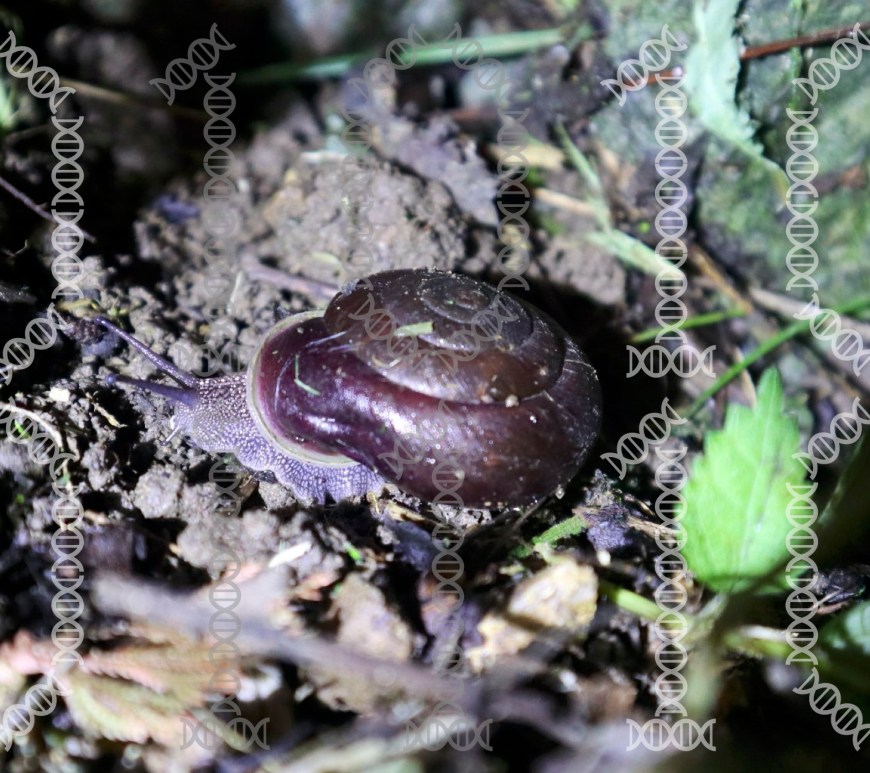
Post provided by Stéphanie Manel. Why use HyRAD for eDNA capture? Traditional population genetics approaches require sampling tissue from individuals, which is problematic in aquatic environments where specimen collection is often challenging. Filtering water allows researchers to collect environmental DNA (eDNA), genetic material shed by organisms into their surroundings. Unlike approaches targeting a single DNA barcode, HyRAD allows for the capture of multiple nuclear DNA … Continue reading Capturing diversity below the species level using HyRAD : a nuclear-DNA enrichment-based capture method (HyRAD) applied to environmental DNA.

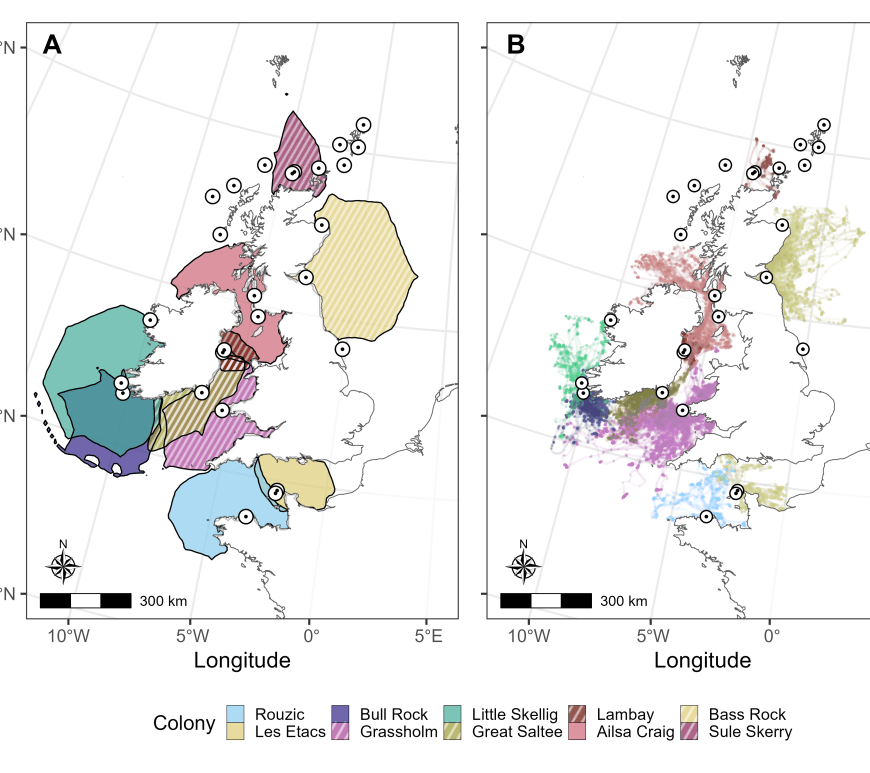
The best of both worlds: a predictive home range model for colonial animals combining biological realism with minimal data requirements.

Post provided by Holly Niven. I’m Holly, an ecology PhD student at the University of Glasgow, with a background in mathematics and physics. My research is in quantitative ecology, with a current focus on investigating the exposure of animals to disturbances in their environment and understanding the drivers of their population dynamics.  What are home ranges and why are they useful? Home ranges (HRs) describe … Continue reading The best of both worlds: a predictive home range model for colonial animals combining biological realism with minimal data requirements.

The photo that got away: Camera traps may monitor less space than we think

Post provided by Brendan Carswell. Brendan (he/him/his) is currently a PhD student in Biology at the University of Calgary in the Weaving Wildlife and Land Based Knowledges lab. This paper, however, came from Brendan’s Masters work at the Memorial University of Newfoundland and Labrador in the Wildlife Evolutionary Ecology Lab. Motivation Our research team is interested in facilitating inclusive and accessible wildlife management across Canada. … Continue reading The photo that got away: Camera traps may monitor less space than we think

Addressing observational biases in data-driven approaches of zoonotic hazard prediction

Post provided by Andrea Tonelli Over the past five decades, more than half of emerging infectious diseases in humans originated from animals, with zoonotic pathogens posing a growing threat to global health. Shifts in land use, climate change, direct use of wildlife and biodiversity loss all influence human exposure to pathogens of wild animals, shaping the likelihood of zoonotic spillover events. In the wake of … Continue reading Addressing observational biases in data-driven approaches of zoonotic hazard prediction

From lost Wood Thrushes to scientific breakthroughs: How a fieldwork challenge sparked a new way to think about occupancy models

Post provided by Vitek Jirinec In 2013, I found myself knee-deep in the marshes and forests of southeastern Virginia, USA, embarking on what would become an unpredictable journey in my career. Fresh into my graduate thesis at the College of William & Mary under the guidance of Matthias Leu, the plan was studying the habitat use of Wood Thrushes—a species that is often researched, but … Continue reading From lost Wood Thrushes to scientific breakthroughs: How a fieldwork challenge sparked a new way to think about occupancy models

Bringing UV into the Light: A New Tool for Monitoring Ultraviolet Light Exposure Over Time

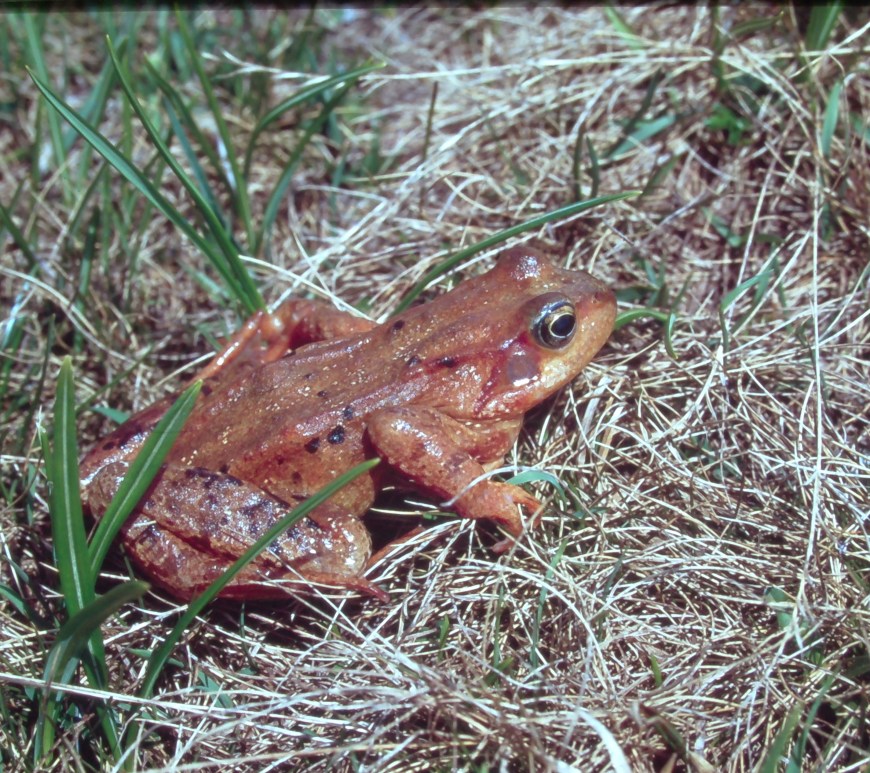
Post provided by Matthew Lattanzio. Hello there! My name is Matthew Lattanzio, and I am an Associate Professor at Christopher Newport University where I study how reptiles and amphibians interact with and respond to environmental variability. I grew up as a nature enthusiast, and so it is exciting to still carry that curiosity through to my career, constantly challenging myself and my students to think … Continue reading Bringing UV into the Light: A New Tool for Monitoring Ultraviolet Light Exposure Over Time

Improving Reporting Standards For Simulation Studies

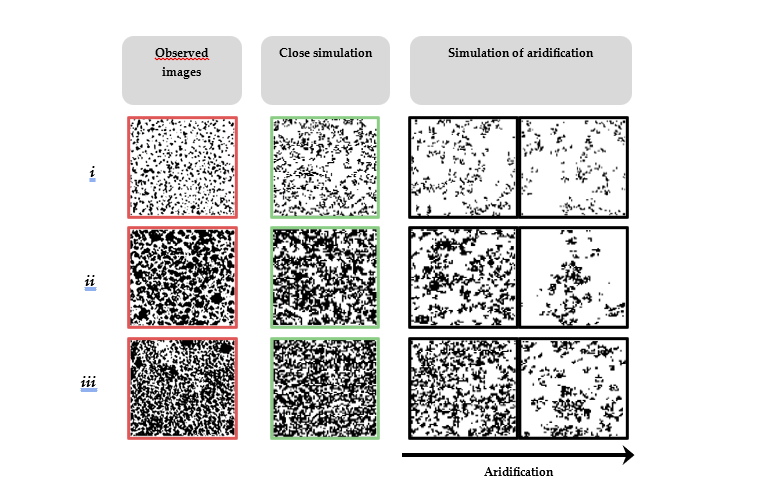
Post provided by Coralie Williams Have you ever wondered if your simulation study could be replicated? The replication crisis has been a hot topic in empirical research for years, but it’s only recently that we’ve started discussing it in statistical method research (Boulesteix et al., 2020; Luijken et al., 2024). Methodological research often relies on simulations – computer experiments that assess how well statistical methods … Continue reading Improving Reporting Standards For Simulation Studies

Introducing ‘Life on the edge’, a new toolbox for predicting population responses to global change

Post provided by Chris Barratt Chris is a Researcher in the Animal Breeding and Genomics group (Centre for Genetic Resources Netherlands) at Wageningen University and Research, and a guest researcher at Naturalis Biodiversity Center in Leiden. Caught somewhere between being a quantitative geneticist, a spatial modeller and a conservationist, he is committed to finding new and interesting ways to integrate genomic data and predictive modelling … Continue reading Introducing ‘Life on the edge’, a new toolbox for predicting population responses to global change