DNA dietary analysis is a non-invasive tool used to identify the food consumed by vertebrates. The method relies on identifying prey DNA in the target animals’ scats. It’s especially useful for marine animals such as seals and seabirds as it is difficult to watch their feeding events.
In the video below, Julie McInnes describes scat collection protocols that she (along with Rachael Alderman, Bruce Deagle, Mary-Anne Lea, Ben Raymond and Simon Jarman) developed to optimise the detection of food DNA in vertebrate scat samples. The authors use the shy albatross to demonstrate their new methods.
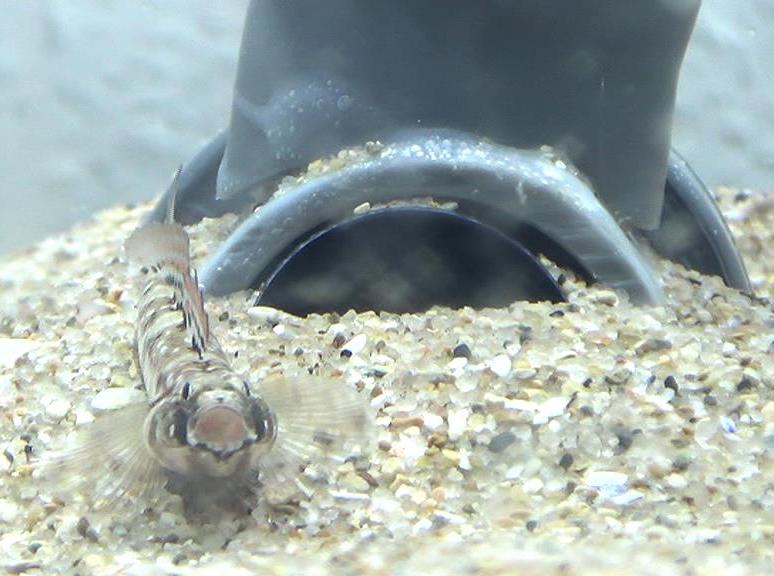
Most people assume that research equipment is expensive and complicated. But, it doesn’t need to be and the noise egg is a perfect example of this. It consists of a watertight container (as used by scuba divers) and the buzzer from a cellphone and does exactly what it says: it produces low frequency noise. This allows researchers to test the effect of noise on underwater life. It is a small, simple and cheap device that anyone can build.
Underwater noise is rapidly increasing due to, for example, boat traffic and offshore wind farms. This can lead to stress for animals and difficulties in communication. Just as people have a hard time communicating in a noisy pub, animals may struggle to get their messages across when background noise is high. A nice description of how animals use sound and how noise may affect this can be found at www.dosits.org
While there is some knowledge on the effect of noise on large aquatic animals, we still know very little about how fish and other small aquatic animals are affected. Such knowledge is vital for management of protected areas. It’s also important to know whether wind farms and boat traffic can affect reproduction in populations of underwater resources such as fish and mussels. The answers to these questions are likely to be species specific, so we’ll need data on a large number of species in different habitats. Continue reading “Testing the Effects of Underwater Noise on Aquatic Animals”
Years of research on the evolution of ancient life, including the dinosaurs, have been questioned after a fatal flaw in the way fossil data are analysed was exposed by scientists from the universities of Reading and Bristol.
Studies based on the apparently flawed method have suggested Earth’s biodiversity remained relatively stable – close to maximum carrying capacity – and hinted many signs of species becoming rapidly extinct are merely reflections on the poor quality of the fossil record at that time.
However, new research by scientists at the University of Reading suggests the history of the planet’s biodiversity may have been more dynamic than recently suggested, with bursts of new species appearing, along with crashes and more stable periods.
Animals feeding at sea inherit a chemical record reflecting the area where they fed, which can help track their movements, according to a new study by scientists from the University of Southampton.
Chemical testing of the source of marine food products could be a powerful tool to help to fight food fraud, maintain healthy sustainable fish stocks or marine protected areas, and ensure consumer confidence in marine eco-labelling. Continue reading “Jellyfish Help Scientists to Fight Food Fraud”
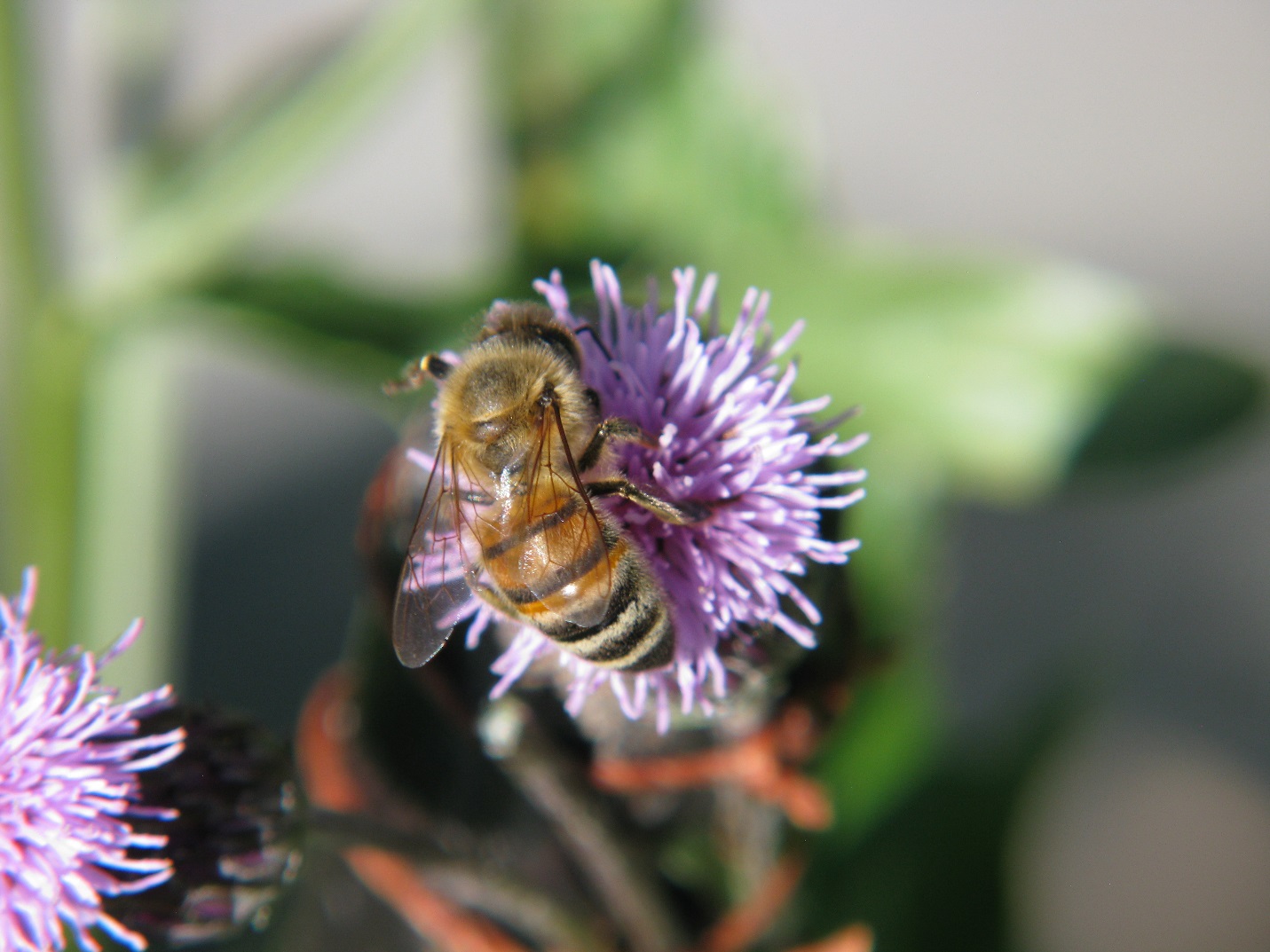
Image from the Canon PowerShot camera with CHDK script ‘Motion Detect Plus’. The thistle flower being visited by ♀ honeybee Apis mellifera L.
Pollinators have fascinated ecologists for decades, and they have traditionally been monitored by on-site human observations. This can be a time-consuming enterprise and – more importantly – species identification and recordings of behaviour have to be registered at the time of observation. This has two complications:
While writing notes, or recording them electronically, the observer cannot continue focusing on the animal or behaviour in question.
Such data then have to be transcribed, with the risk of making transcription errors.
Bringing Monitoring into the 21st Century
Although on-site human observations have predominated, today’s widespread availability of digital monitoring equipment has enabled unique data on flower visitors to be collected. In my research, I have used a time-efficient automated procedure for monitoring flower-visiting animals – namely foraging bumblebees visiting focal white clovers and honeybees visiting thistles.
David Warton (University of New South Wales) interviews interviews Ben Stevenson (University of St Andrews) about his 2015 Methods in Ecology and Evolution paper ‘A general framework for animal density estimation from acoustic detections across a fixed microphone array’. They also discuss what Ben is currently up to, including an interesting new method for dealing with uncertain identification in capture-recapture, published in Statistical Science as ‘Trace-Contrast Models for Capture–Recapture Without Capture Histories’.
Exploring microbial diversity and relating it to ecosystem functions is one of the primary occupations of microbiologists and microbial ecologists worldwide. Unfortunately, recent studies have shown that the microbial census is far from complete and that it is heavily biased towards certain (host-associated) environments. With the Earth’s microbial diversity estimated at an impressive one trillion (1012) taxa, the search continues for new technologies and methodologies that may help us better describe, monitor and preserve the microbial diversity of our planet’s natural and engineered ecosystems.
Scientists at the University of Liverpool have developed a new ‘route planner’ tool that could help conservationists aid the movement of species as they adapt to a changing climate.
The environmental ranges of many animal and plant species are starting to alter with climate change, as temperatures change and force species to migrate to more suitable climes.
To be able to do this successfully, they will need sufficient habitat in their existing range, their future range, and any intermediate areas to enable populations to survive and thrive. Many conservation initiatives to restore habitats and increase connectivity are trying to address this issue. However, existing modelling tools mainly treat the landscape as static, and it is difficult to use these to plan restoration. Continue reading “Creating Bigger, Better and More Joined-up Habitat Networks”





 Methods Blog