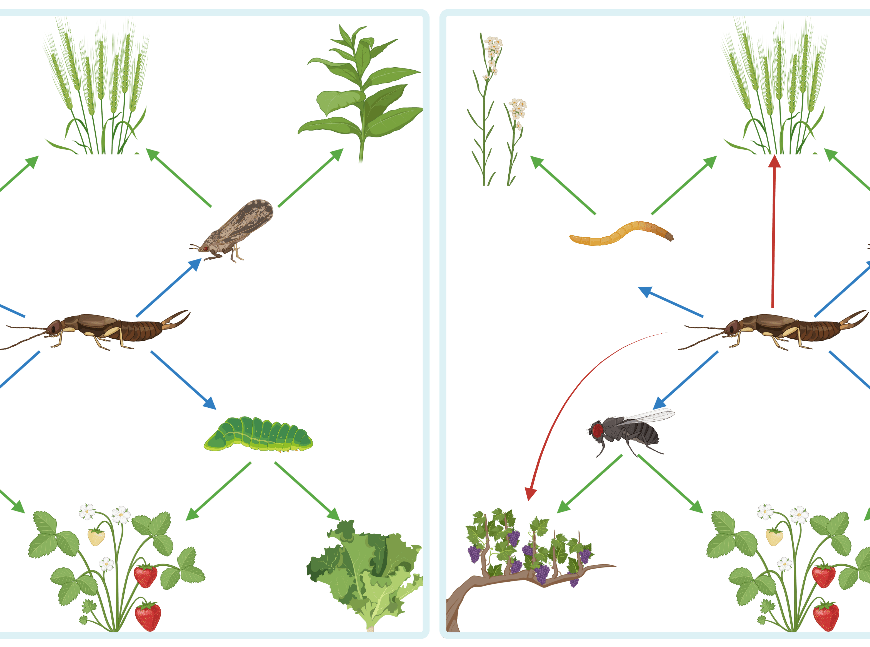
Merging dietary metabarcoding into networks: turning “don’ts” into “dos”
Post provided by Jordan Cuff, Fredric Windsor, Maximillian Tercel, James Kitson and Darren Evans.
Do you spend your days incapacitated by the agony of not knowing how to combine your field-based observational data with your dietary metabarcoding results? Perhaps every time you go to merge them, the horror of conflicting data types and biases causes you to run and hide from the mere thought of analysis. Or maybe the thought of such problems hadn’t even crossed your mind! In this post, Jordan Cuff and co-authors share insight from their recent publication on using dietary metabarcoding in network ecology and how to merge metabarcoding with traditional data types.
Continue reading “Merging dietary metabarcoding into networks: turning “don’ts” into “dos””

 Methods Blog