wingen: mapping genetic diversity using moving windows

Post provided by Anusha Bishop (she/her)

Global biodiversity loss and increased availability of genomic-scale data has motivated a growing interest in conserving genetic diversity. To do so, we need tools that help us understand how genetic diversity is distributed. In pursuit of this, we have developed a new method for creating maps of genetic diversity using spatial moving windows, which we have implemented in the R package wingen.

Continue reading “wingen: mapping genetic diversity using moving windows”
Scant Amounts of DNA Reveal Conservation Clues

Below is a press release about the Methods in Ecology and Evolution article ‘Empowering conservation practice with efficient and economical genotyping from poor quality samples‘ taken from the Stanford Woods Institute for the Environment.

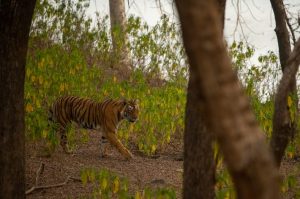
Wild tiger in India. ©Prasenjeet Yadav

The challenges of collecting DNA samples directly from endangered species makes understanding and protecting them harder. A new approach promises cheap, rapid analysis of genetic clues in degraded and left-behind material, such as hair and commercial food products.

The key to solving a mystery is finding the right clues. Wildlife detectives aiming to protect endangered species have long been hobbled by the near impossibility of collecting DNA samples from rare and elusive animals. Continue reading “Scant Amounts of DNA Reveal Conservation Clues”