In a new Methods in Ecology and Evolution podcast, the Senior Editors – Rob Freckleton, Bob O’Hara and Jana Vamosi – discuss the past, present and future of the journal. They talk about what sets it apart from other journals, their favourite articles and the kinds of papers that they would like to see more of. If you’re thinking about submitting to Methods in Ecology and … Continue reading What is Methods in Ecology and Evolution?
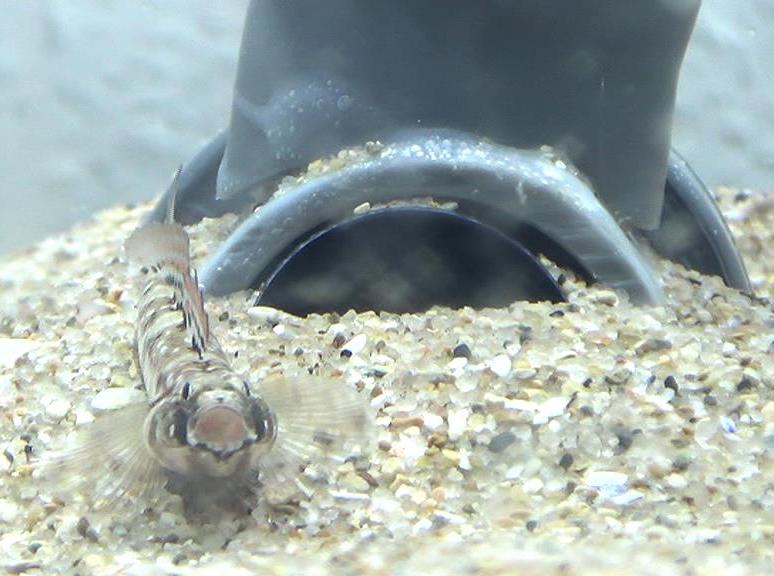
Most people assume that research equipment is expensive and complicated. But, it doesn’t need to be and the noise egg is a perfect example of this. It consists of a watertight container (as used by scuba divers) and the buzzer from a cellphone and does exactly what it says: it produces low frequency noise. This allows researchers to test the effect of noise on underwater life. It is a small, simple and cheap device that anyone can build.
Underwater noise is rapidly increasing due to, for example, boat traffic and offshore wind farms. This can lead to stress for animals and difficulties in communication. Just as people have a hard time communicating in a noisy pub, animals may struggle to get their messages across when background noise is high. A nice description of how animals use sound and how noise may affect this can be found at www.dosits.org
While there is some knowledge on the effect of noise on large aquatic animals, we still know very little about how fish and other small aquatic animals are affected. Such knowledge is vital for management of protected areas. It’s also important to know whether wind farms and boat traffic can affect reproduction in populations of underwater resources such as fish and mussels. The answers to these questions are likely to be species specific, so we’ll need data on a large number of species in different habitats. Continue reading “Testing the Effects of Underwater Noise on Aquatic Animals”
Friday was Endangered Species Day – so this is a good time to reflect on what science and scientists can do to support conservation efforts and to reduce the rate of species extinctions. One obvious answer is that we need to study endangered species to understand their habitat requirements as well as their potential for acclimatization and adaptation to changing environmental conditions. This information is crucial to for the design of informed conservation planning. However, for most endangered species the relevant phenotypes are not known a priori, which leaves the well-intentioned scientist asking “which traits should I measure?”. Transcriptome analysis is often a good way to answer to this question.


 Methods Blog