A Multiple-Part Morphospace

Post provided by Daniel Thomas

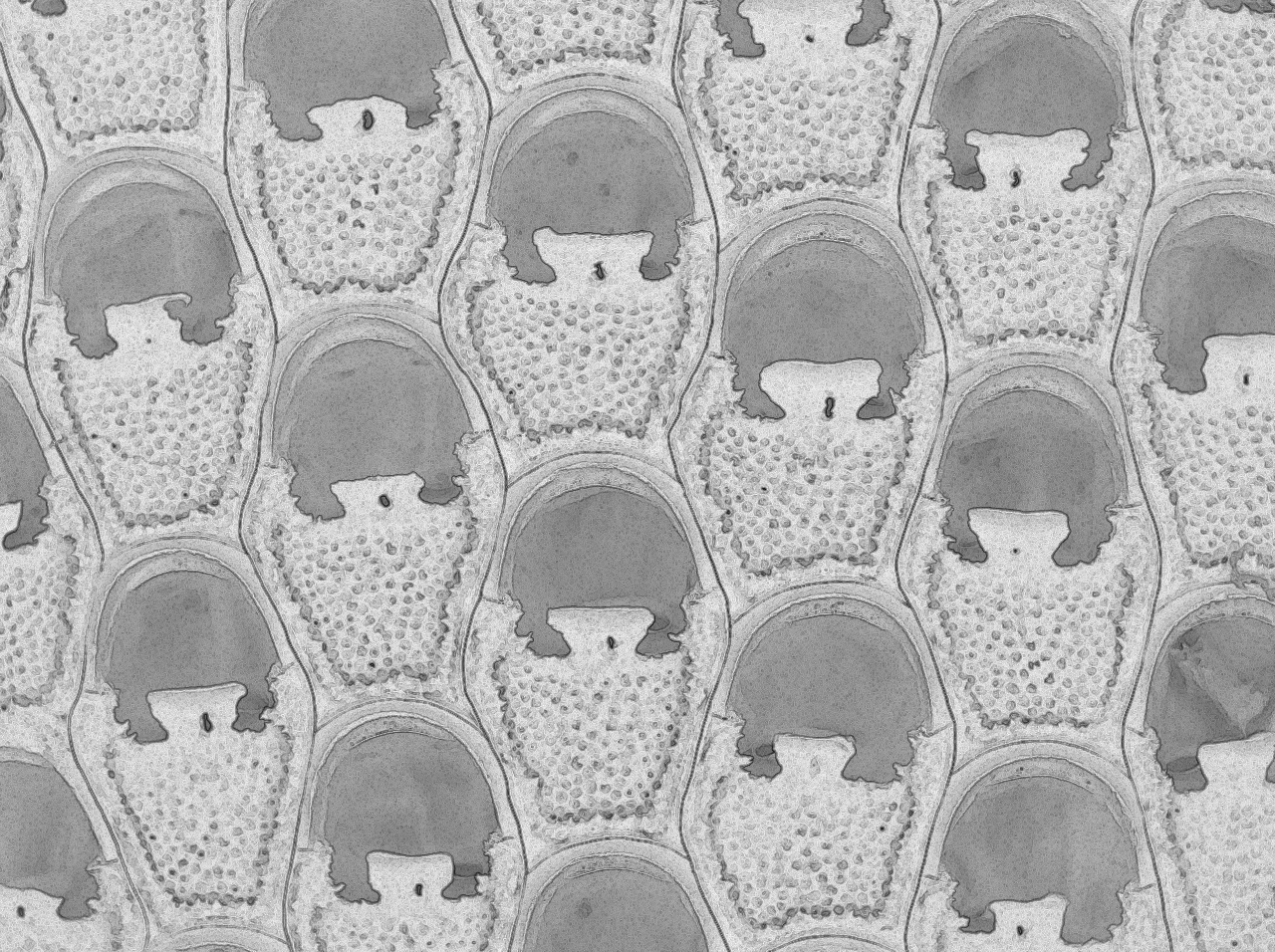
Many biologists dedicate their careers to finding out why life has taken the shape it has. Darwinian natural selection gives us the how, but researchers are deeply interested in why we find particular morphologies amongst certain organisms, when these morphologies arose, and what these morphologies mean for the organisms and the communities in which they reside. In this post, Daniel Thomas (Massey University, New Zealand) describes the philosophy behind the new morphoBlocks package for R. The package is presented in a new paper within the ‘Realising the promise of large data and complex models’ Special Feature for Methods in Ecology and Evolution. Researchers interested in exploring the morphoBlocks package are encouraged to try these three vignettes.

Continue reading “A Multiple-Part Morphospace”

The need to quantify complex shapes

Robert May Prize Shortlisted Article

Post provided by Arthur Porto

Credit: Kjetil Voje

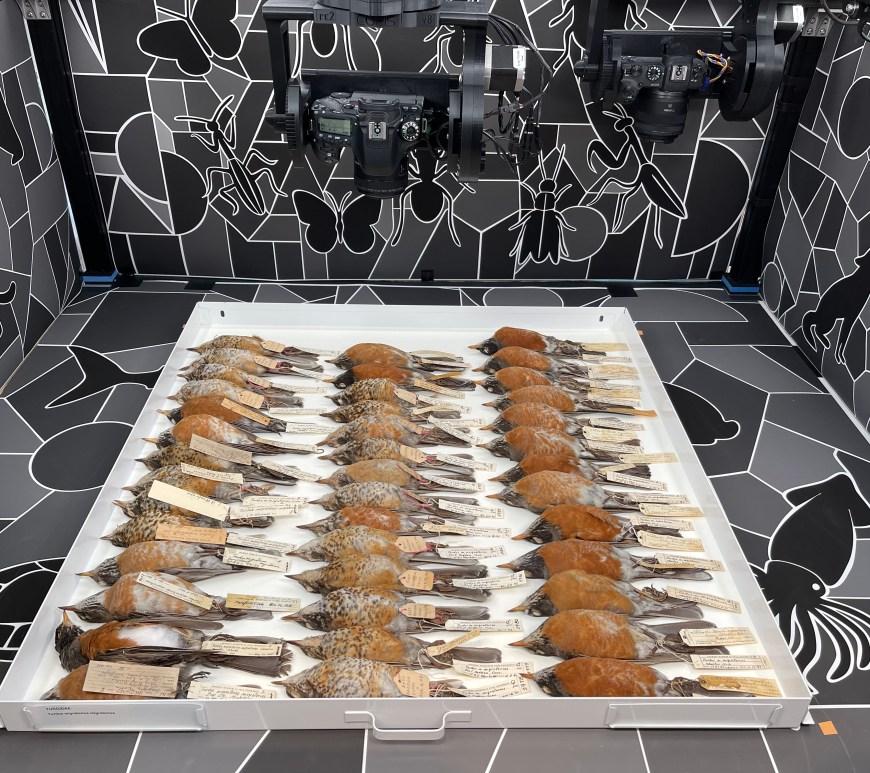
Each year Methods in Ecology and Evolution awards the Robert May Prize to the best paper in the journal by an author at the start of their career. Arthur Porto has been shortlisted for his article ‘ML‐morph: A fast, accurate and general approach for automated detection and landmarking of biological structures in images’. In this blog, Arthur discusses how his paper came to be and describes development of the ML-morph pipeline.

Continue reading “The need to quantify complex shapes”

Exploring Microbial Diversity: From the Sequence to the Cell

Post provided by Ruben Props, Michelle Berry, Marian Schmidt, Frederiek-Maarten Kerckhof, Vincent Denef and Nico Boon

Searching Lake Michigan (USA) for uncharacterized microbial diversity. © Michelle Berry

Exploring microbial diversity and relating it to ecosystem functions is one of the primary occupations of microbiologists and microbial ecologists worldwide. Unfortunately, recent studies have shown that the microbial census is far from complete and that it is heavily biased towards certain (host-associated) environments. With the Earth’s microbial diversity estimated at an impressive one trillion (1012) taxa, the search continues for new technologies and methodologies that may help us better describe, monitor and preserve the microbial diversity of our planet’s natural and engineered ecosystems.

Continue reading “Exploring Microbial Diversity: From the Sequence to the Cell”