International Women’s Day 2021: Top Women-Led Posts from 2020

Post provided by Chloe Robinson

Picture credit: Chloe Robinson.

“A challenged world is an alert world. Individually, we’re all responsible for our own thoughts and actions – all day, every day.” This is a quote from the International Women’s Day 2021 website, where this year, the campaign theme is #ChooseToChallenge.

International Women’s Day is a global day celebrating the social, economic, cultural and political achievements of women. The day also marks a call to action for accelerating women’s equality. This year, Associate Editor Chloe Robinson has selected her top four women-led Methods in Ecology and Evolution blog posts from 2020 and highlights the author’s contributions to the MEE blog.

Continue reading “International Women’s Day 2021: Top Women-Led Posts from 2020”

The worldwide use of wildlife detection dogs – and how they became part of our life

Post provided by Annegret Grimm-Seyfarth

Border Collie Zammy is trained to search for Eurasian otter scat and pond, alpine and great crested newts. Photo: André Künzelmann.

For those not directly working with them, using wildlife detection dogs always sound like a new fancy idea that should be tested somehow. However, this method is neither new nor rare, and people working with wildlife detection dogs often call them their best method in finding their target species. In this post, Annegret Grimm-Seyfarth discusses her paper ‘Detection dogs in nature conservation: A database on their worldwide deployment with a review on breeds used and their performance compared to other methods’, which shows the broad and worldwide applications of wildlife detection dogs.

Continue reading “The worldwide use of wildlife detection dogs – and how they became part of our life”

How to assess seed bank effect in a plant metapopulation

Post provided by Apolline Louvet

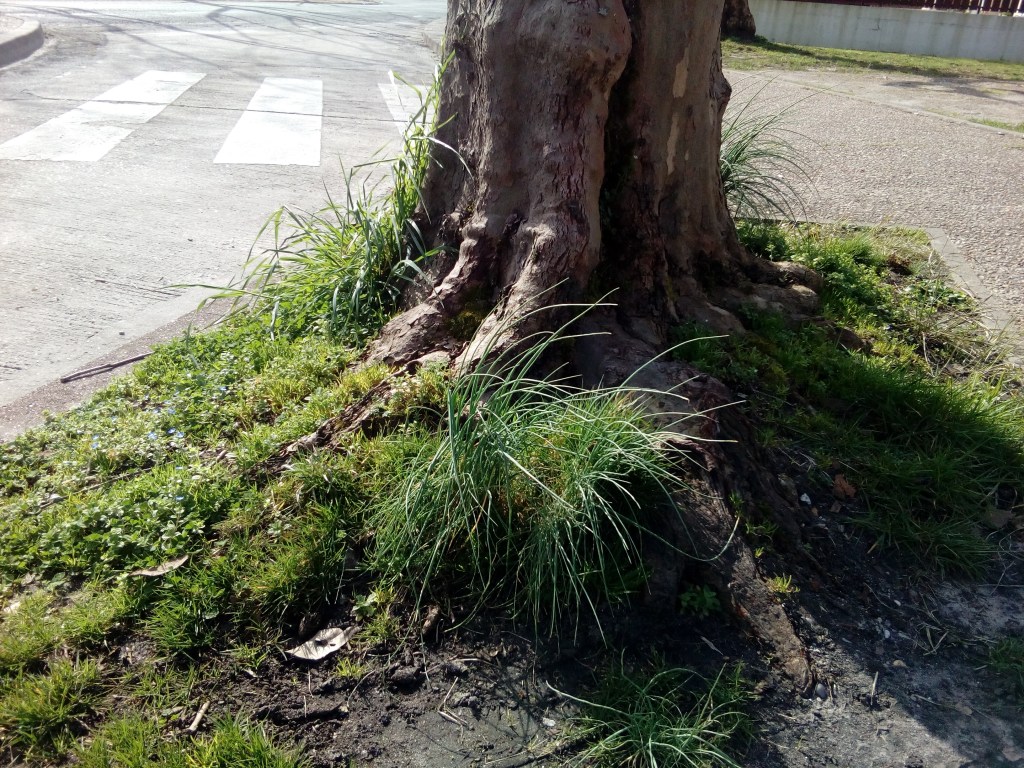
Tree base in an urban area, partly occupied by spontaneous vegetation. Picture credit: Apolline Louvet.

Seed banks play a key role in plant metapopulations, however, detecting seed banks remains challenging. The current method of assessing the effect of seed banks on plant metapopulation dynamics focuses on the presence of standing vegetation. This has direct implications for plant metapopulation models, which require data on the absence of a seed bank to understand plant dynamics.

Our paper, ‘Detecting seed bank influence on plant metapopulation dynamics’ in Methods in Ecology and Evolution, introduces a new metric on plant metapopulations, which assesses the seed bank contribution to the global observed dynamics. In this post, we recall what led us to develop this metric.

Continue reading “How to assess seed bank effect in a plant metapopulation”

What happens to our understanding of functional diversity when we ignore intraspecific trait variability?

Post provided by Mark Wong

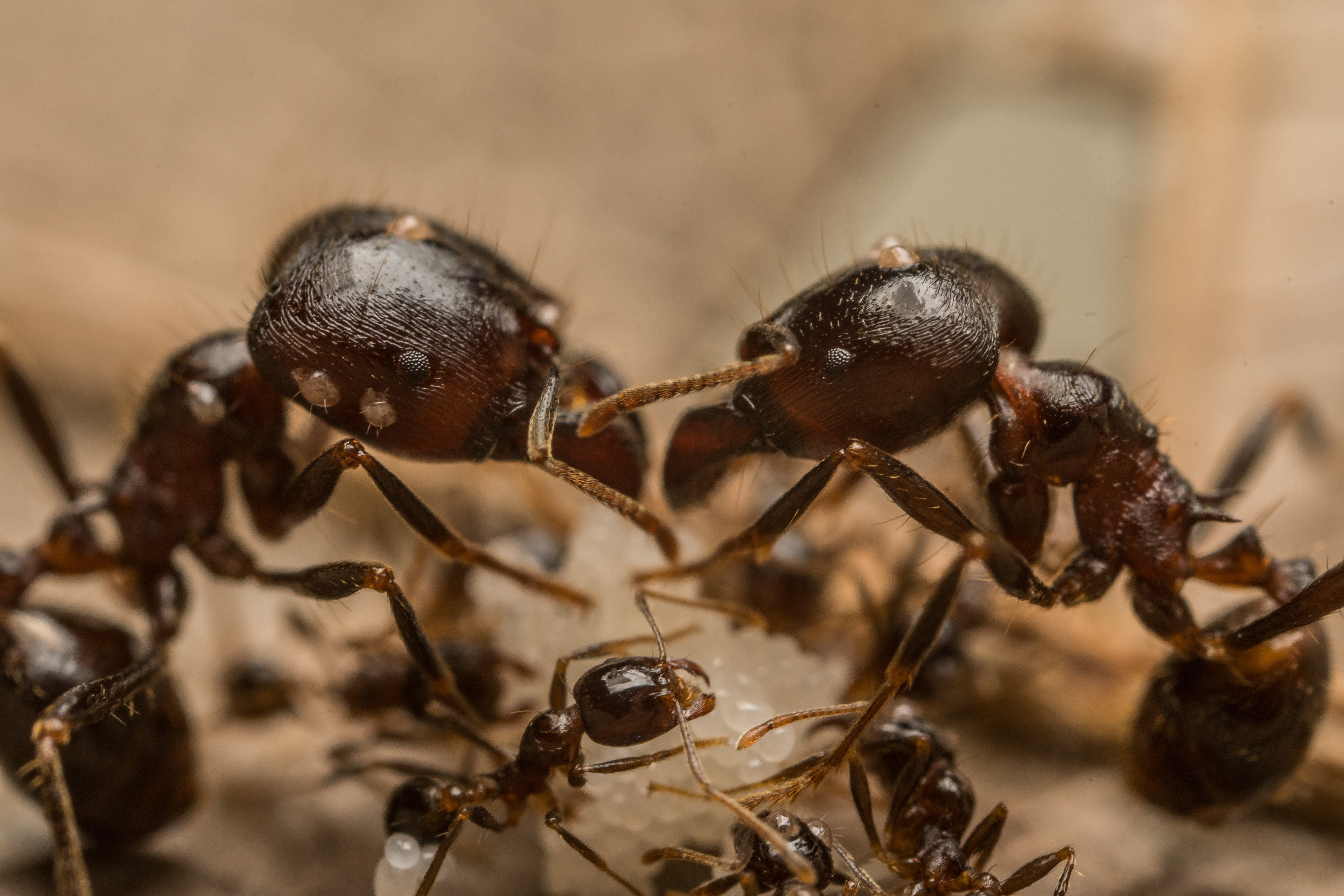
Impressive variability sometimes occurs within a species, such as between these sister ants from the same Carebara sp. colony. Credit: Francois Brassard.

Throw a rock at a conference and you’ll likely hit an ecologist who examines the variation among organisms’ functional traits for one reason or another. From understanding the assembly of communities and their responses to environmental change, to the effects of biodiversity on ecosystem functions, and – well, why not – modelling the global spectrum of ecological form and function, assessments of functional diversity have quickly become the bread and butter of community, ecosystem and macro ecology.

In this blog post, Mark Wong discusses his paper ‘Including intraspecific trait variability to avoid distortion of functional diversity and ecological inference: lessons from natural assemblages’, recently published in Methods in Ecology & Evolution.

Continue reading “What happens to our understanding of functional diversity when we ignore intraspecific trait variability?”

Searching for snow leopards

Post provided by Ian Durbach and Koustubh Sharma

Snow leopard captured via camera trap in Mongolia. Picture credit: Snow Leopard Conservation Foundation/Snow Leopard Trust/Panthera (OR SLCF/SLT/PF).

Snow leopards are notoriously elusive creatures and monitoring their population status within the remote, inhospitable habitats they call home, can be challenging.  In this post, co-authors Ian Durbach and Koustubh Sharma discuss the applications of their Methods in Ecology and Evolution article, ‘Fast, flexible alternatives to regular grid designs for spatial capture–recapture’, for monitoring snow leopard populations.

Continue reading “Searching for snow leopards”

MEDI: Macronutrient Extraction and Determination from Invertebrates

Post provided by Jordan Cuff and Maximillian Tercel

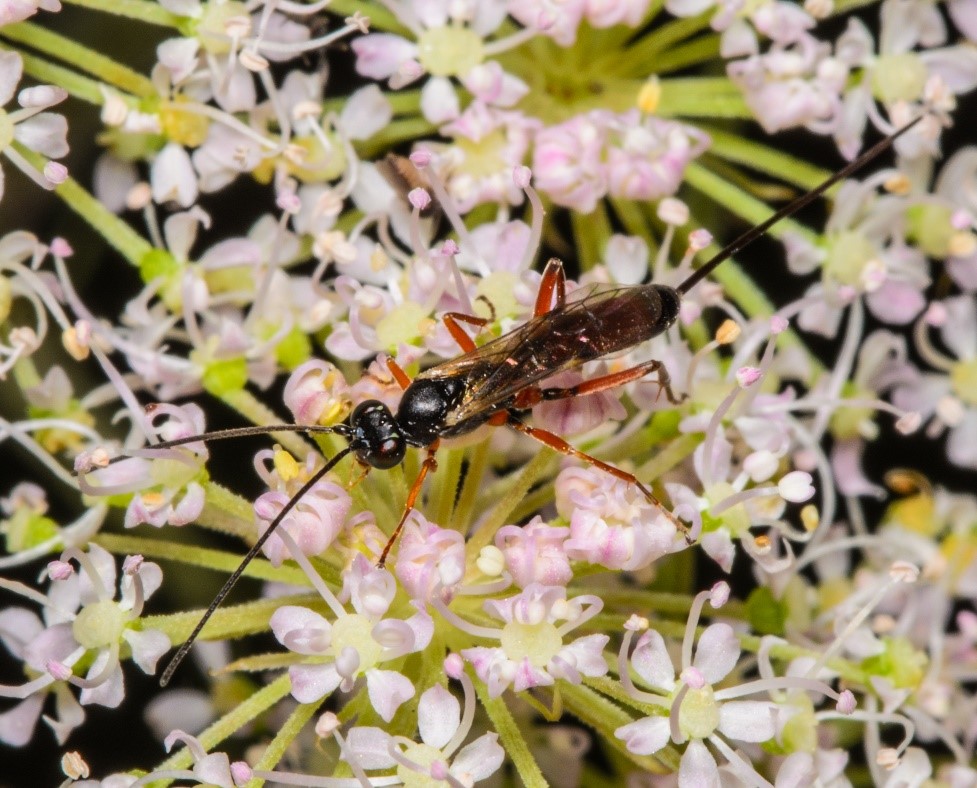
MEDI can be applied to a broad range of small invertebrate specimens, including parasitoid wasps. Credit: Jordan Cuff.

Are you kept awake at night wondering how you would measure the macronutrient content of small invertebrates? Perhaps you have tried but are haunted by the disappointment that you have had to rely on conversion factors, analogues and pooled samples. Get ready to sleep soundly, entomological entrepreneur!

In this blog post, Jordan Cuff and Maximillian Tercel will discuss their latest study published in Methods in Ecology and Evolution, concerning their brand-new method for measuring macronutrient content in invertebrates: MEDI.

Continue reading “MEDI: Macronutrient Extraction and Determination from Invertebrates”

Cover Stories: How many animals do we need to track for a robust distribution analysis?

Post provided by Takahiro Shimada and Mark G. Meekan

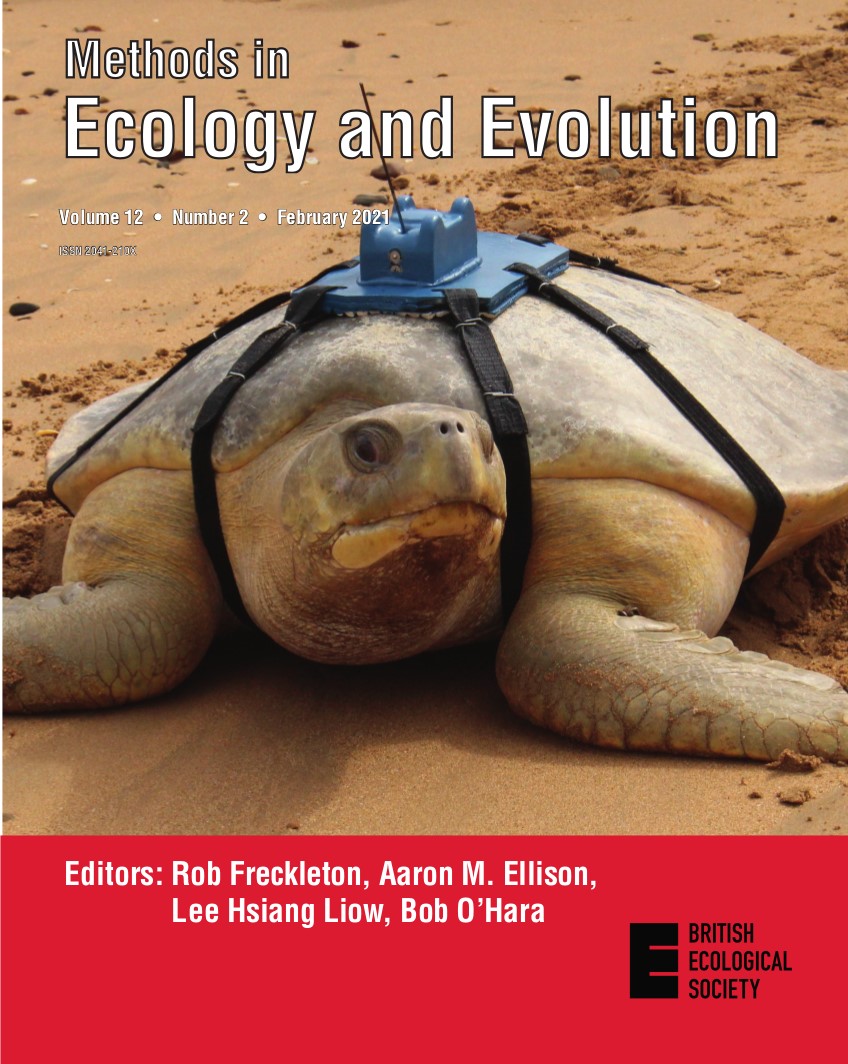
Natator depressus leaving a nesting beach, fitted with an accurate Fastloc-GPS tag. Picture credit: C.J.Limpus.

The cover of our February issue shows a flatback sea turtle (Natator depressus) leaving a nesting beach, fitted with an accurate Fastloc‐GPS tag. In this post, Takahiro Shimada and Mark G. Meekan explain how they analysed turtle tracking data to demonstrate their new method for assessing appropriate sample sizes in the articleOptimising sample sizes for animal distribution analysis using tracking data’.

Continue reading “Cover Stories: How many animals do we need to track for a robust distribution analysis?”

World Wetlands Day: Wetlands and Water

Post provided by Chloe Robinson

World Wetlands Day 2021 shines a spotlight on wetlands as a source of freshwater and encourages actions to restore them and stop their loss. Credit: Ramsar.org.

It doesn’t come as a surprise that healthy wetland systems are linked with freshwater quality. Wetlands form vital habitats for global biodiversity, help combat climate change through storage of carbon and offer defenses against flooding. Freshwater resources, including wetlands, are under increasing pressure from over-abstraction, pollution and habitat destruction among other threats, which is directly contributing to the current global freshwater crisis that threatens people and our planet.

February 2nd each year is World Wetlands Day, which aims to raise global awareness about the vital role of wetlands. This year, the 2021 campaign highlights the contribution of wetlands to the quantity and quality of freshwater on our planet. Water and wetlands are connected in an inseparable co-existence that is vital to life, our well-being, and the health of our planet. In this blog post, Associate Editor Chloe Robinson, will explore why wetlands are so important and the new DNA-based methods being used to monitor wetland health.

Continue reading “World Wetlands Day: Wetlands and Water”

Detecting Diatoms through Kick-net DNA Metabarcoding

Post provided by Dr. Chloe Robinson

Diatoms may be the only organisms to live in houses made of glass, but some species of diatom are far from fragile. Certain groups of diatoms are highly tolerant of poorer water quality and therefore their presence can be diagnostic for freshwater health estimates. A recent study, featuring MEE Associate Editor, Chloe Robinson, investigated whether communities of freshwater diatoms can be collected via kick-net methodology, which is an approach currently used for collecting benthic macroinvertebrates. In this post, Chloe highlights how applying previously optimised freshwater methods can result in a more holistic understanding of freshwater health.

Continue reading “Detecting Diatoms through Kick-net DNA Metabarcoding”

Anniversary Volume 9: Estimating Effective Detection Area of Static Passive Acoustic Data

Post provided by Hanna K Nuuttila

To celebrate the 10th Anniversary of the launch of Methods in Ecology and Evolution, we are highlighting an article from each volume to feature in the Methods.blog. For Volume 9, we have selected ‘Estimating effective detection area of static passive acoustic data loggers from playback experiments with cetacean vocalisations’ by Nuuttila et al. (2018).  In this post, the authors discuss the background and key concepts of the article, and the application of the article for assessing abundance of cetaceans.

Continue reading “Anniversary Volume 9: Estimating Effective Detection Area of Static Passive Acoustic Data”