Disentangling Ecosystem Functions: Our Imagination is the Limit

Post supplied by Tomas Roslin and Eleanor Slade (SPATIAL FOODWEB ECOLOGY GROUP, UNIVERSITY OF OXFORD & LANCASTER UNIVERSITY)

Studies of Action

Studies of ecosystem function are studies of action: of insects pollinating flowers, of predators killing pests – and in our case (well, more often than not) of beetles disposing of dung. To isolate the effects of the critters that we think will matter, we need to selectively include or exclude them. If we think a particular species or species group is responsible for a certain function, then we test this by keeping it in or out of enclosures. If we want to look at effects of species diversity, then we create communities of different species richness.
Research on dung beetles is far from boring. © Kari Heliövaara.

Depending on the target organism, this is sometimes easy and sometimes difficult. But it almost invariably proves to be fun! We enjoy the challenge of inventing new techniques for unravelling ecosystem functions sustained by insects. Working on dung beetles – as we tend to do – can be messy, but it’s definitely never boring.

In targeting ecosystem functions, the real trick is to make the experiments relevant. What we want to understand are the effects of changes occurring in the real world. All too often studies of ecosystem functions have been focused on artificial species pools in artificial settings. To see how we have solved this, we’ll give you a quick look at our dungy portfolio of approaches to date. Continue reading “Disentangling Ecosystem Functions: Our Imagination is the Limit”

Building a Better Indicator

Post Provided by Charlie Outhwaite & Nick Isaac

Nick and Charlie are giving a presentation on ‘Biodiversity Indicators from Occurrence Records’ at the BES Annual Meeting on Wednesday 16 December at 13:30 in Moorfoot Hall. Charlie will also be presenting a poster on Tuesday 15 December between 17:00 and 18:30 on ‘Monitoring the UK’s less well-studied species using biological records‘ in the Lennox Suite.

Biodiversity Indicators are some of the most important tools linking ecological data with government policy. Indicators need to summarise large amounts of information in a format that is accessible to politicians and the general public. The primary use of indicators is to monitor progress towards environmental targets. For the UK, a suite of indicators are produced annually which are used to monitor progress towards the Aichi targets of the Convention on Biological Diversity as well as for European Union based commitments.  However, this is complicated by the fact that biodiversity policy within the UK is devolved to each of the four nations, so additional indicators have been developed to monitor the commitments of each country.

© Dave Colliers
© Dave Colliers

A range of biodiversity indicators exist within this suite covering the five strategic goals of the Convention; which include addressing the causes of biodiversity loss, reducing pressures on biodiversity and improving status of biodiversity within the UK. Within strategic goal C (improve status of biodiversity by safeguarding ecosystems, species and genetic diversity) there are currently 11 “State” indicators that use species data to monitor progress towards the targets underlying this goal. Most existing species based indicators use abundance data from large scale monitoring schemes with systematic protocols. However, there are other sources of data, such as occurrence records, that can offer an alternative if they are analysed using the appropriate methods. This post will discuss the development of species indicators for occurrence records to complement the current UK species based indicators, specifically relating to the C4b priority species indicator and the D1c pollinators indicator. Continue reading “Building a Better Indicator”

High-Res Camera Surveys of Wildlife Colonies: The advantages over traditional approaches

Post provided by ALISTAIR HOBDAY (senior principal research scientist, CSIRO Australia), Tim Lynch (senior research scientist, CSIRO, Australia) and Rachael Alderman (wildlife biologist, Tasmanian Department of Primary Industry, Parks, Water and Environment, Australia).

Cameras and wildlife monitoring

A Gigapan camera setup to record images of an albatross colony. ©Alistair Hobday

Behavioural and ecological research and monitoring of wildlife populations are based on collection of field data. Demographic data, such as breeding frequency, birth rates and juvenile survival, have been critical in understanding population trends for a wide range of species.

Photography has been extensively used by field biologists and ecologists to gather these data and they have been quick to take up improvements in this technology. Many field programmes today use photography either for primary data collection or the communication of results. Advances in digital photography, image storage and transmission, image processing software and web-based dissemination of images have been extremely rapid in recent years, offering ecologists and biologists a range of powerful tools.

Digital imagery has been captured from a wide range of platforms, each of which has various advantages and limitations for biological study. The most remote images are captured from satellite-based sensors, which have been used to assess population abundance of large animals, such as elephant seals, or locate colonies of emperor penguins. Cameras mounted on aircraft can also provide large-scale perspectives but both of these platforms suffer from high cost, operational limitations due to weather, and limited temporal replication. Recent use of drones, while cheaper, still requires a person to be close to the survey location and can only be used in short bursts, typically lasting less than 20 minutes.

Land-based cameras – or those fixed onto animals – can track behaviour closely, but have low sample size as data tends to be collected at the scale of individual or small groups. To improve replication, fleets of remote cameras can be used or multiple images stitched together post hoc to form a montage. However, this increases cost, either for hardware or labour to manually construct panoramas. To date all these camera systems have had limits to their spatial and/or temporal resolution and, therefore, to the number of individuals covered. This restricts biological study at the population level. Continue reading “High-Res Camera Surveys of Wildlife Colonies: The advantages over traditional approaches”

Making the Most of Volunteer Data: Counting the birds and more…

Post provided by Rob Robinson

It’s 6am on a warm spring morning and I’m about to visit the second of my Breeding Bird Survey1 sites. Like 2,500 other volunteers in the UK, twice a year I get up early to record all the birds I see or hear on the two transects in my randomly selected 1km square. Each year I look forward to these mornings almost as much for the comparisons as the actual sightings. Will there be more or fewer sightings of our summer migrants this year? How will numbers in this rolling Norfolk farmland stack up against those I see in urban, central Norwich?

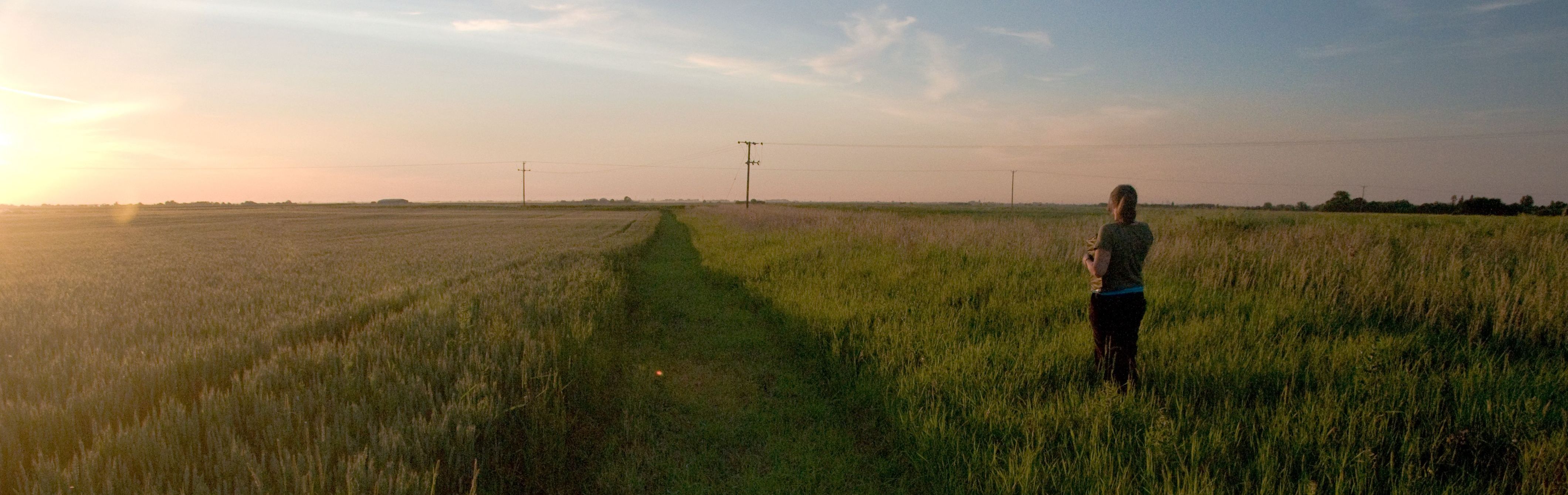
Dawn bird survey in arable farmland. © Rob Robinson/BTO
Dawn bird survey in arable farmland. © Rob Robinson/British Trust for Ornithology (BTO)

The importance of demography

But simply recording these changes is not enough; we need to understand why they occur if action is to be taken. This requires us to quantify the demographic rates (survival, productivity and movements) that underlie them, which in turn requires samples of marked individuals. Simply counting individuals is not enough. Continue reading “Making the Most of Volunteer Data: Counting the birds and more…”

Accompanying Marine Mammals into the Abyss: The Benefits of Electronic Tag Data for Undersea Tracking

Post provided by Christophe Laplanche, Tiago Marques and Len Thomas

1km Deep

Most marine mammal species spend the majority of their lifetime at sea… underwater. Some species (like sperm whales, beaked whales, and elephant seals) can go routinely as deep as 1000m below sea level. To mammals like us, these incredible depths seem uninhabitable. It’s cold, dark, under high pressure (100kg/cm²) and 1km from air! Yet deep-diving marine mammals thrive there and have colonized every deep ocean on the planet. They have developed amazing capabilities for that purpose – including efficient swimming, an advanced auditory system, sonar (in some cases), thermal insulation, extreme breath holding abilities and resistance to high pressure.

How is that possible?

Spending most of their time at depth makes them quite difficult to study. And we have a lot of questions to ask them. How do they balance swimming cost versus food intake? Do they forage cooperatively, in groups? For those with sonar, how does it work? With increasing human activities (oil exploration, military sonar, sea transport, fishing etc.) an important new question arises: how do they cope with us?

Researchers tagging a Cuvier's beaked whale with a DTAG sound tag (soundtags.st-andrews.ac.uk) in the Ligurian Sea (© T. Pusser)
Researchers tagging a Cuvier’s beaked whale with a DTAG sound tag (soundtags.st-andrews.ac.uk) in the Ligurian Sea (© T. Pusser)

Continue reading “Accompanying Marine Mammals into the Abyss: The Benefits of Electronic Tag Data for Undersea Tracking”

Progress and Future Directions for Passive Acoustic Monitoring: Listening Out for New Conservation Opportunities

Post provided by Ammie Kalan (Post-doctoral researcher at the Max Planck Institute for Evolutionary Anthropology, Department of Primatology)

A Primate Call in a Forest is like a ‘Needle in a Haystack’

An ARU powered by solar energy recording in the Taï national park, Côte d’Ivoire. ©Ammie Kalan
A solar-powered ARU recording in the Taï national park, Côte d’Ivoire.
©Ammie Kalan

Finding a call of a particular primate species within hours and hours of audio recordings of a forest is no easy task; like finding a ‘needle in a haystack’ so to speak. Automated acoustic monitoring relies on the ability of researchers to easily locate and isolate acoustic signals produced by species of interest from all other sources of noise in the forest, i.e. the background noise. This can be much harder than it sounds. Think about whenever you have to use any kind of voice recognition system: seeking out a quiet room will greatly improve the chances you are understood by the robot-like voice on the other end of the phone. If you ever set foot in a rainforest the first thing you’ll notice is that it is anything but quiet. In fact characterizing and quantifying soundscapes has become a marker for the complexity of the biodiversity present in a given environment.

Primate monitoring programmes can learn a great deal from cetacean research where Passive Acoustic Monitoring (PAM) is the norm (since individuals are rarely observable visually). Research on bats and birds can provide excellent examples to follow as well. Automated algorithm approaches including machine learning techniques, spectral cross-correlation, Gaussian mixture models, and random forests have been used in these fields to be able to detect and classify audio recordings using a trained automated system. Such automated approaches are often investigated for a single species but impressive across-taxa efforts have also been initiated within a framework of real-time acoustic monitoring. Implementing these in other research fields could lead to significant advances. Continue reading “Progress and Future Directions for Passive Acoustic Monitoring: Listening Out for New Conservation Opportunities”

In Defence of Satellite Data: The Perfect Companion to Ground-Based Research

Post provided by Dr Nathalie Pettorelli

Nathalie is an Institute Research Fellow at the Zoological Society of London. She heads the Environmental Monitoring and Conservation Modelling (EMCM) team and her main research involves assessing and predicting the impacts of global environmental change on biodiversity and ecosystem services. Nathalie was one of the presenters at the UK half of the Methods in Ecology and Evolution 5th Anniversary Symposium in April. You can watch her talk, ‘Harnessing the Potential of Satellite Remote Research’ here.

If there is one question I hear over and over again, it’s this: “why, oh why, do you use satellite data instead of ground-based data in your research?” People seem to think that I believe satellite data are better than ground-based data. Do I not value fieldwork? Do I not trust ground-based data? My answer to all of this is: you’ll never catch me preaching that satellite remote sensing can solve the entire data collection gap in ecological monitoring.

I use satellite data because a lot of my work happens at relatively large spatial and temporal scales, targets regions where ground-based data are simply unavailable or extremely difficult to gather and relies on being able to access data that have been collected in a systematic and scalable manner.

Yes, satellite-based techniques can address spatial and temporal domains inaccessible to traditional, on-the-ground, approaches, but I am the first to acknowledge that satellite remote sensing cannot match the accuracy, precision and thematic richness of in-situ measurement and monitoring.

©Clare Duncan
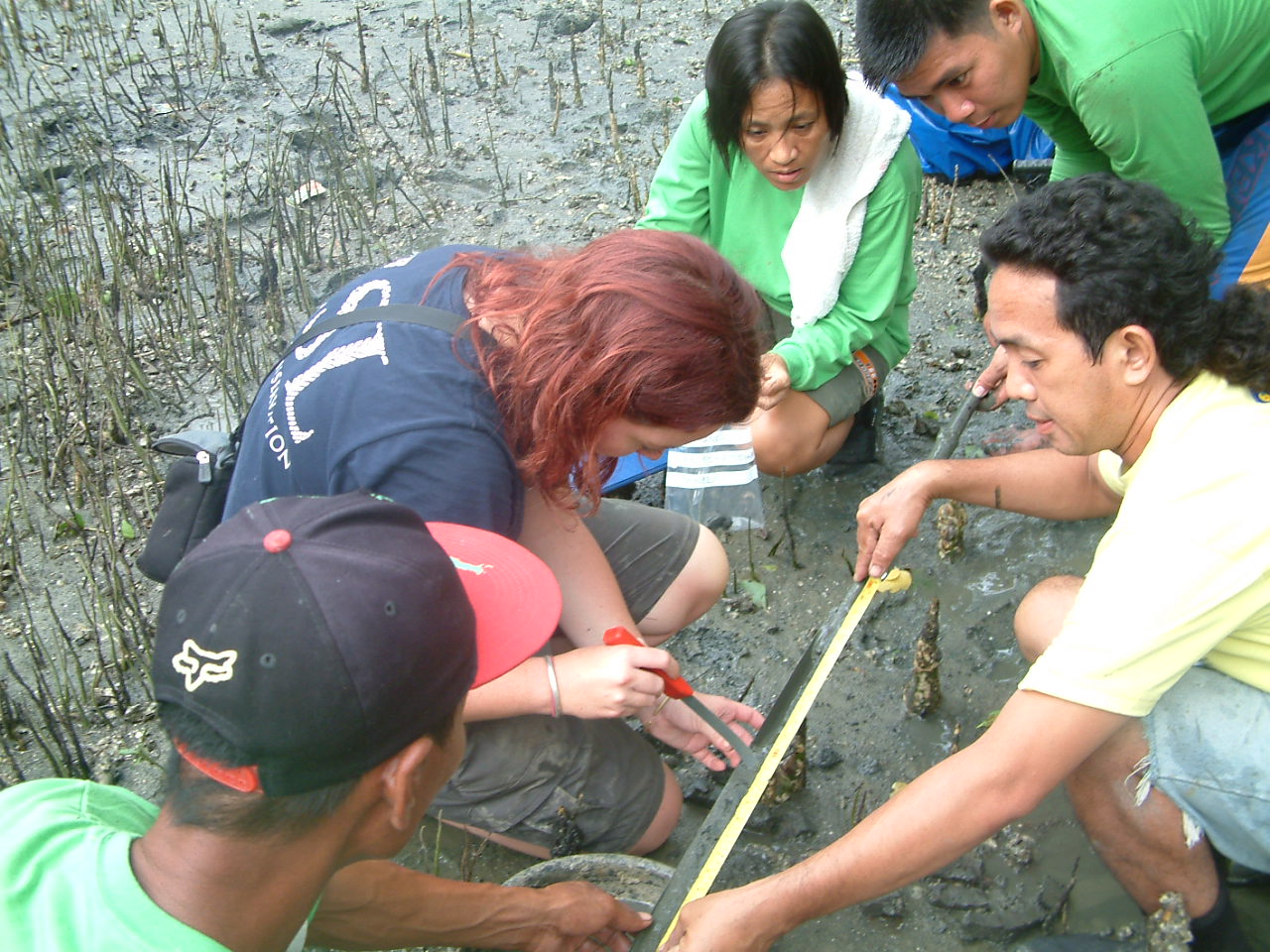
The New Generation of Ecologists in Action: Clare Duncan conducting field measurements in the Philippines to be combined with satellite remote sensing information to monitor ecosystem services delivery. ©Clare Duncan

In spite of this, data collected on the ground are currently difficult to use for mapping and predicting regional or global changes in the spatio-temporal distribution of biodiversity (a problem for those of us trying to tackle these kinds of issues). Ground-based data can also be expensive and tend to come from a single annual time period. This makes it difficult to gather information on temporal changes and phenology. Continue reading “In Defence of Satellite Data: The Perfect Companion to Ground-Based Research”

Flawed Method puts Tiger Rise in Doubt

The following is a press release about the Methods paper ‘An examination of index-calibration experiments: counting tigers at macroecological scales‘ taken from the University of Oxford News and Events page:

Flaws in a method commonly used in censuses of tigers and other rare wildlife put the accuracy of such surveys in doubt, a new study suggests.

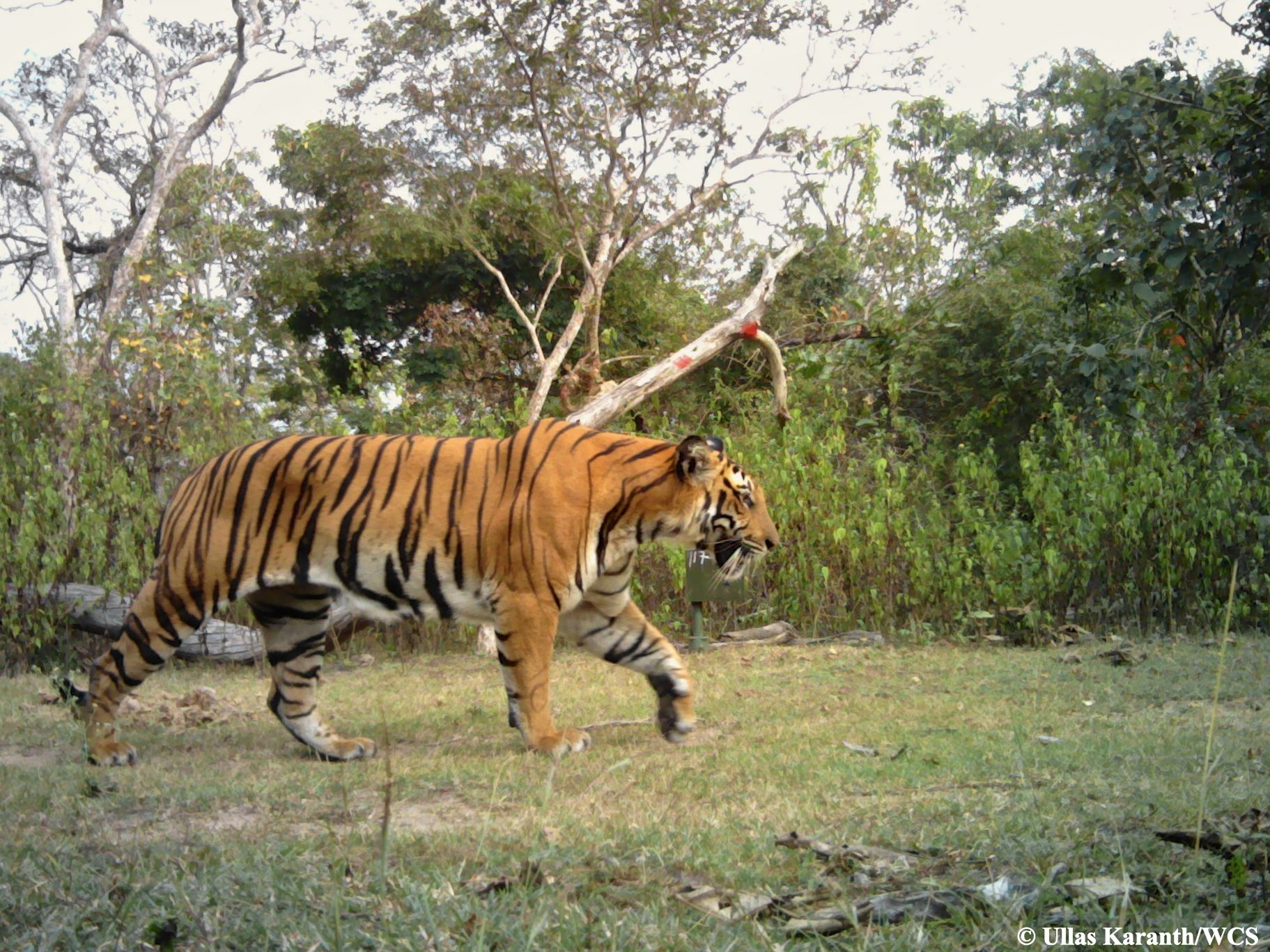
A team of scientists from theNH_QT_K2934024 University of Oxford, Indian Statistical Institute, and Wildlife Conservation Society exposes, for the first time, inherent shortcomings in the ‘index-calibration’ method that means it can produce inaccurate results. Amongst recent studies thought to be based on this method is India’s national tiger survey (January 2015) which claimed a surprising but welcome 30 percent rise in tiger numbers in just four years.

The team urges conservation practitioners to guard against these sources of error, which could mislead even the best conservation efforts, and suggests a constructive way forward using alternative methods of counting rare animals that avoid the pitfalls of the index-calibration approach.

A report of the research is published this week in the journal Methods in Ecology and Evolution.

Continue reading “Flawed Method puts Tiger Rise in Doubt”

Noisy SCUBA bubbles scare fish(shh!)

A new Methods paper comparing SCUBA diving to bubble-free diving suggests that fish are deterred by the sound of SCUBA bubbles, particularly in heavily fished areas, which can result in potentially biased fish counts and research conclusions. Steven Lindfield and colleagues from the University of Western Australia studied coral reef fish populations in Guam using two diving systems: the commonly used SCUBA equipment that produces … Continue reading Noisy SCUBA bubbles scare fish(shh!)

Remote sensing for conservation: uses, prospects and challenges

By Nathalie Pettorelli, Institute of Zoology, Zoological Society of London

For many years, I believed I had a condition. Namely, a relatively short attention span, which prevented me from becoming fully engaged with series’ of talks at any given conference. Last month, however, I realised that there was a cure to this: being an organiser of the conference or symposium I attend. For the first time in my life, I was indeed able to sit and listen to talks from 9am to 5pm for two days in a row, without feeling the need to find excuses to disappear, or relying on coffee to keep me alert and engaged.

Like everybody else, I actually need my fix of “wow” moments, where you look at a slide or listen to a speaker and think “this is really cool”. What does it for me, it appears, is the combination of a good question, an “out-of-the-box” approach to tackle it, and an answer that has clear, applied implications. You can always rely on Conservation Biology to come up with loads of interesting questions whose answers have practical implications, and Remote Sensing as a science tends to provide fertile ground for developing unorthodox approaches – so having a symposium on Remote Sensing for Conservation was bound to get me my “wow” moments, and, indeed, I wasn’t disappointed.

N pettorelli 1
Nathalie Pettorelli, Woody Turner and Martin Wegmann

When Woody Turner, Martin Wegmann and I submitted our proposal for a symposium to the Zoological Society of London nearly two years ago, our vision was to pack our event with examples of how Remote Sensing can support the Conservation agenda. Our idea was to organise these examples around the classical Pressure/State/Response framework adopted by the Convention on Biological Diversity, to highlight the versatility of Remote Sensing approaches in terms of scope and monitoring abilities.

We invited 24 speakers from a range of backgrounds (e.g. Conservation NGO staff, academics, Space Agency employees), and asked them to present some of their latest Continue reading “Remote sensing for conservation: uses, prospects and challenges”