Post provided by Katarina Meramo Bats are extraordinary animals. They fly, echolocate, and navigate in absolute darkness, and produce some of the most complex acoustic signals in the mammalian world. They pollinate, disperse seeds, control insect populations, and quietly hold ecosystems together. Yet, despite their importance, monitoring bats – particularly across large spatial and temporal scales – remains remarkably challenging. Over the past decade, bioacoustic … Continue reading Teaching Models to Listen to Bats: The Story Behind BSG-BATS
Post provided by Jamie Macaulay Entanglement in net fisheries (static and drift) is the largest known cause of direct anthropogenic mortality to many small cetacean species, including harbour porpoise (Phocoena phocoena), in UK waters. Despite this, little is known about the behaviour of small cetaceans in proximity to nets. In this blog post, Jamie Macaulay discusses the findings of his Methods in Ecology & Evolution … Continue reading Tracking harbour porpoises around gill nets
To celebrate UK Pride Month, the British Ecological Society journal blogs are posting a ‘Rainbow Research’ series, which aims to promote visibility of STEM researchers from the LGBTQ+ community. Each post will be connected to a theme represented by one of the colours shown in the Progress Pride flag. In this post, Natalie Yoh discusses their bat conservation research under the flag theme of ‘Nature’.
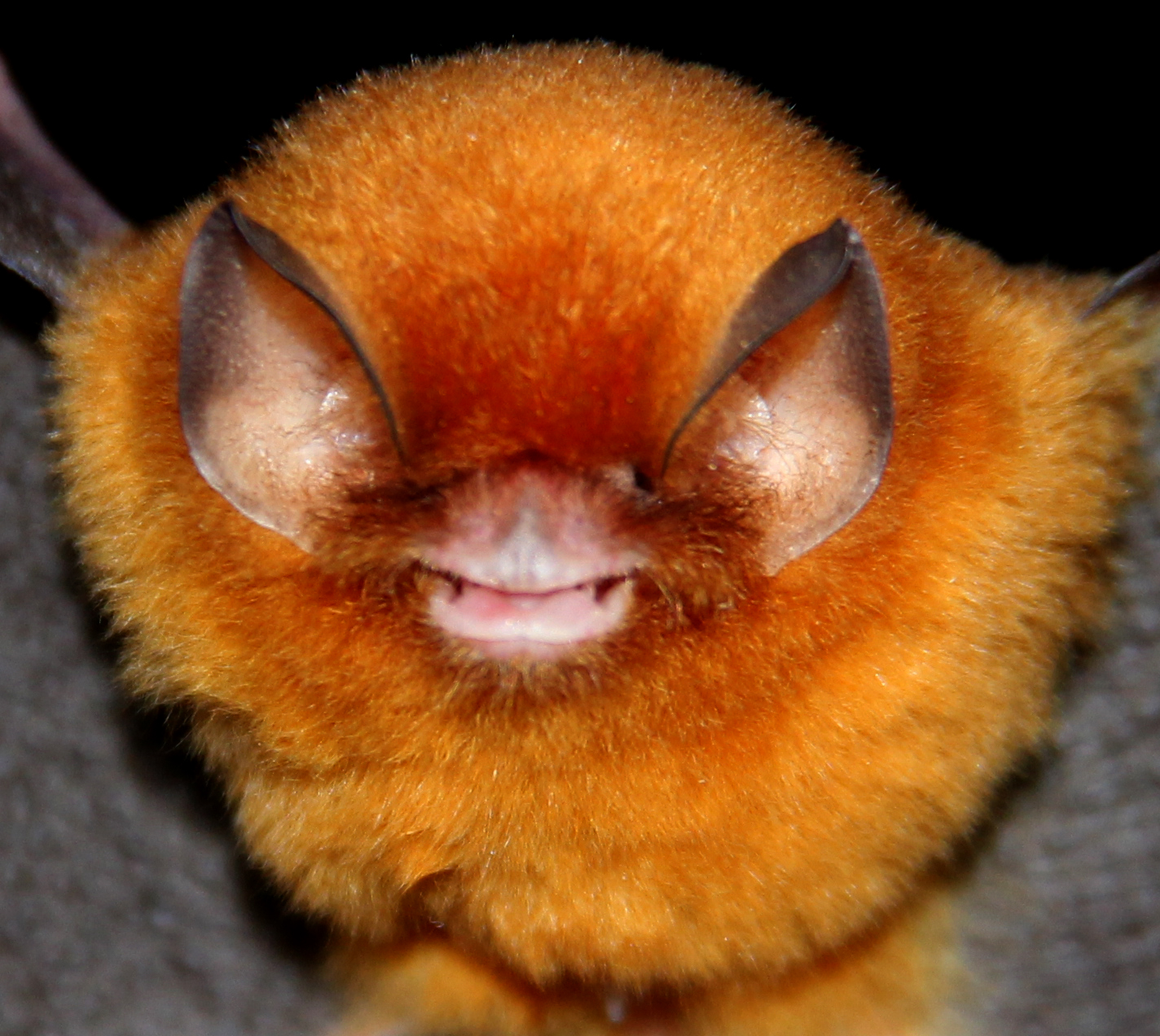
Mexican greater funnel-eared bat (Natalus mexicanus). Credit: Veronica Zamora-Gutierrez.
Bat Conservation International (BCI), founded in 1982, aims to conserve bats and their habitats through a combination of education, conservation, and research. Bats worldwide contribute towards controlling pests, create rich fertilizer for landowners, and pollinate fruit and flowers. BCI introduced International Bat Appreciation Day to increase awareness about bats and what they do for our environment.
In this post, associate editor Chloe Robinson will be summarising the various MEE published methods for bat monitoring and how technological developments have allowed us to further look and listen into the lives of these incredible creatures.
The way that bats acrobatically navigate and forage in complete darkness has grasped the interest of scientists since the 18th century. These seemingly exotic animals make up one in four mammalian species and play important roles in many ecosystems across the globe from rainforests to deserts. Yet, their elusive ways continue to fascinate and frighten people even today. Over the last 200 years, dedicated scientists have worked to uncover how bats hunt and navigate using only their voice and ears while flying at high speed in complete darkness. Still, the inaccessible lifestyle of these small, nocturnal fliers continues to challenge what we know about their activities in the wild.
Understanding the impact bats have on their ecosystems – for example how many insects a bat catches per night – has still not been directly measured. Most of our knowledge on the natural behaviour and foraging ecology is based on elaborate, but ground-based experiments carried out in the wild. These experiments generally track their behaviour using radio-telemetry, record snapshots of their emitted echolocation calls with microphones, or involve extensive observations. Continue reading “Studying Wild Bats with Small On-Board Sound and Movement Recorders”
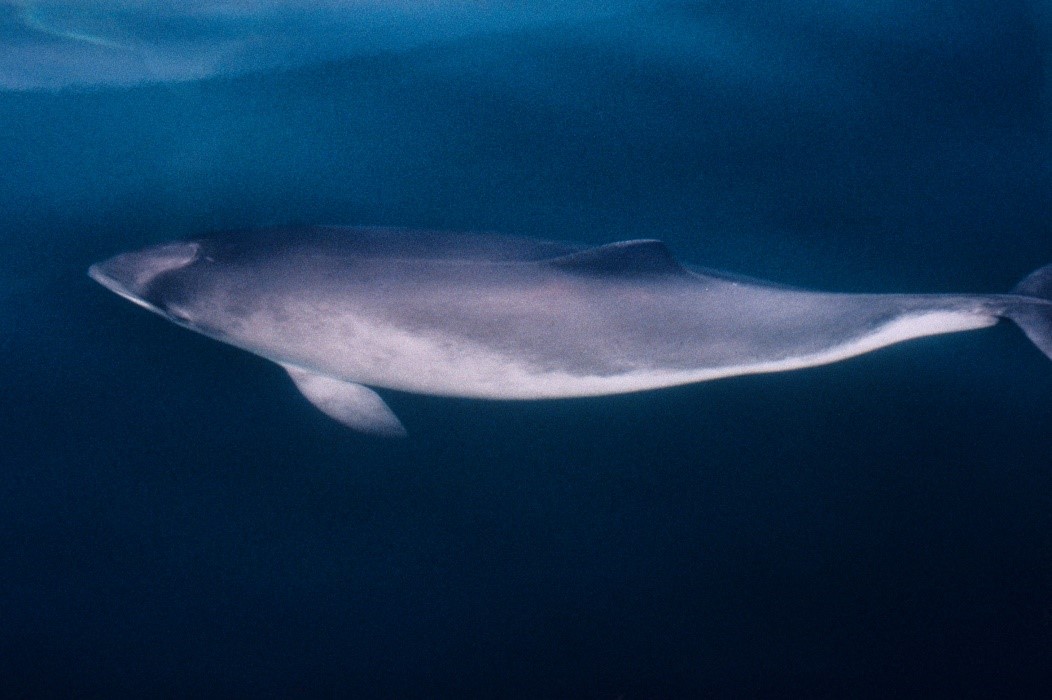
Harbour porpoise under the surface – I. Birks, SeaWatchFoundation
An examination into the detection of harbour porpoises is helping to give new understanding of effective monitoring of species under threat from anthropogenic activities such as fisheries bycatch and coastal pollution.
In a first study of its kind, Dr Hanna Nuuttila, currently at Swansea University’s College of Science – together with scientists from the German Oceanographic Museum, the University of St Andrews and Bangor University – revealed how playing back porpoise sounds to an acoustic logger can be used to assess the detection area of the device, a metric typically required for effective monitoring and conservation of protected species.
This month’s issue contains two Applications articles and two Open Access articles, all of which are freely available.
– MO-Phylogenetics: A software tool to infer phylogenetic trees optimising two reconstruction criteria simultaneously and integrating a framework for multi-objective optimisation with two phylogenetic software packages.
– PHYLOMETRICS: An efficient algorithm to construct the null distributions (by generating phylogenies under a trait state-dependent speciation and extinction model) and a pipeline for estimating the false-positive rate and the statistical power of tests on phylogenetic metrics..







 Methods Blog