The photo that got away: Camera traps may monitor less space than we think

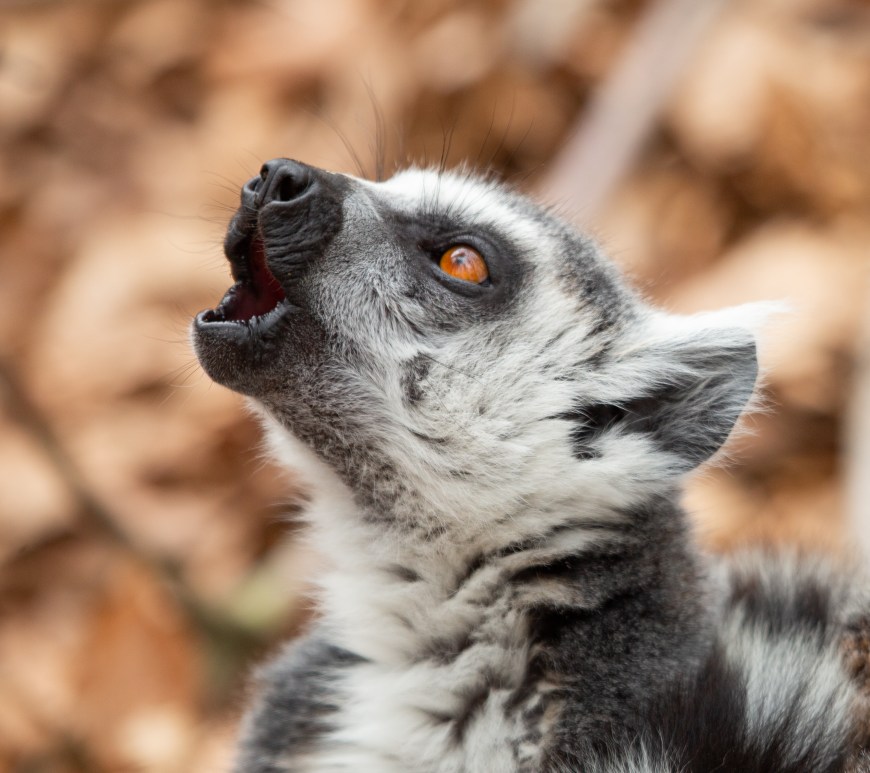
Post provided by Brendan Carswell. Brendan (he/him/his) is currently a PhD student in Biology at the University of Calgary in the Weaving Wildlife and Land Based Knowledges lab. This paper, however, came from Brendan’s Masters work at the Memorial University of Newfoundland and Labrador in the Wildlife Evolutionary Ecology Lab. Motivation Our research team is interested in facilitating inclusive and accessible wildlife management across Canada. … Continue reading The photo that got away: Camera traps may monitor less space than we think

Ten practical guidelines for microclimate research in terrestrial ecosystems

Post provided by  Jonas Lembrechts. Blogpost adapted from: http://www.the3dlab.org: Ten practical guidelines | The 3D lab Ecologists and biogeographers are increasingly recognizing the critical role of microclimate in addressing a wide range of research questions. Consequently, many researchers are incorporating microclimate sensors into their studies. While deploying these sensors might seem straightforward—simply plugging them in and collecting data—there are numerous important factors to consider. Until … Continue reading Ten practical guidelines for microclimate research in terrestrial ecosystems

Unveiling Earth’s Giants: A Lidar-Based Journey into Asia’s Tallest Trees

It has been a few weeks since the 15th Chinese Symposium on Biodiversity Science and Conservation, where the first “Seminar on Methods in Ecology and Evolution in China” was held. In these blog posts, we hear from some of the winners of the “Outstanding Young Scholar Award in Ecological and Evolutionary Methodology in China”. Here, winner Yu Ren discusses their presentation ‘Discovering and measuring giant … Continue reading Unveiling Earth’s Giants: A Lidar-Based Journey into Asia’s Tallest Trees

Inaugural Seminar on Methods in Ecology and Evolution Held in China

Post provided by Xiao Huang This post is also provided in Chinese. On September 24, 2024, the first “Seminar on Methods in Ecology and Evolution in China” was held at the Longzi Lake Campus of Henan Agricultural University. Organized in conjunction with the 15th Chinese Symposium on Biodiversity Science and Conservation, the event was chaired by Professor Huijie Qiao from the Institute of Zoology, Chinese … Continue reading Inaugural Seminar on Methods in Ecology and Evolution Held in China

首届“生态与进化生物学方法讨论会”成功举办

This post is also available in English 2024年9月24日,首届“生态与进化生物学方法讨论会(暨生态学期刊交流会)”在河南农业大学龙子湖校区举行。此次会议依托于第十五届全国生物多样性科学与保护研讨会,由中国科学院动物研究所乔慧捷研究员主持,Methods in Ecology and Evolution杂志高级编辑Natalie Cooper和来自国内的各个领域内专家屈延华、练琚愉、赖江山、斯幸峰、刘春龙、徐武兵等莅临出席。 来自国内多所著名高校及科研机构的青年学者们分享了各自在生态与进化生物学方法研究领域的最新成果,形式丰富,内容精彩。与会专家从科研素养、报告能力等方面对参会报告进行了综合评价。最终,北京大学刘金博士(报告题目:基于个体模型探究迁徙物种的时间生态位共存)、北京大学任淯博士(报告题目:三维视角下巨树寻找与测量的方法学讨论)、西交利物浦大学邹怡博士(报告题目:rarestR: an R package using rarefaction metrics to estimate α- and β-diversity for incomplete samples)、中国科学院武汉植物园黄猇同学(报告题目:“假毛虫”无法反应真实生物互作—人本位的实验设计偏差)荣获由中国科学院生物多样性委员会与Methods in Ecology and Evolution杂志联名颁发的首届“生态与进化生物方法学优秀青年学者”奖。Natalie Cooper教授与赖江山教授共同为获奖者颁发了奖项与纪念品,以鼓励他们在生态与进化生物学方法领域的创新与探索。 除学术报告外,Natalie Cooper还详细介绍了英国生态学会(BES)旗下期刊的相关信息,以及如何在这些期刊上成功投稿及发表学术论文的关键要点。中国科学院植物研究所文献中心主任周玉荣介绍了植物研究所下属期刊在数据共享及科研出版方面的探索与实践,分享了促进科研数据开放与透明的经验。与会者围绕这些话题进行了深入讨论。 本次会议旨在为生态与进化生物学方法研究领域的学者搭建高水平的学术交流平台,促进该领域的研究合作与成果共享。研讨会的主要组织者乔慧捷研究员对“生态与进化生物学方法讨论会”的未来充满期许,期望会议能实现常态化,吸引更多学者参与,共同推动生态与进化生物学方法学的持续发展与进步。 Continue reading 首届“生态与进化生物学方法讨论会”成功举办

The buzzOmeter: Recording buzzing insects in motion

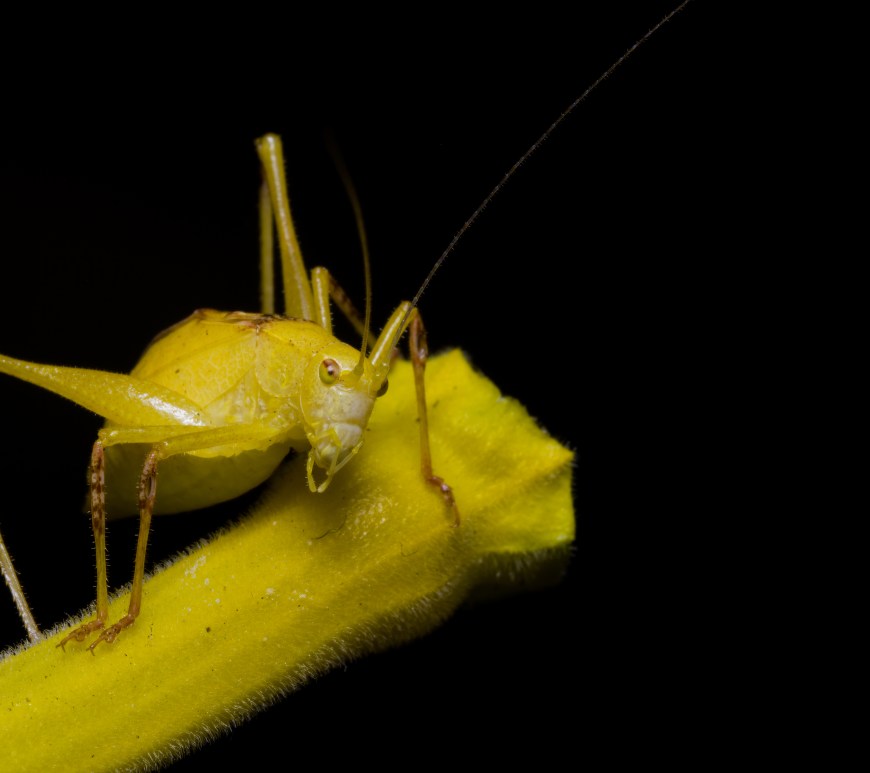
Post provided by Marta Skowron Volponi Has the buzzing sound of a wasp flying past your ear ever made you recoil in fear of being stung? What if these buzzes are a warning display aimed at potential predators, just like the bees’ and wasps’ bright colouration that sends a message: “don’t touch me, I’m dangerous”? Or perhaps they are audio messages meant for other wasps? … Continue reading The buzzOmeter: Recording buzzing insects in motion

July 2022 Issue Out Now!

Our July Issue is now online! This issue contains 20 articles about the latest methods in ecology and evolution, including methods for characterising soil bacterial biodiversity, identifying fish species in fish markets using eDNA, standarising and cleaning biodiversity data and much more! Plus, read the editorial about our switch to a gold open access model this month. Read on to find out about this month’s featured articles … Continue reading July 2022 Issue Out Now!

Hidden Markov models have pitfalls…

…but also opportunities! Hidden Markov models (HMMs) and their extensions are attractive methods for analysing ecological data. In recent years, a variety of extensions of the basic model have been proposed, yielding great opportunities for ecological inference. Yet, as these models become more complex and challenging to understand, it is important to consider what pitfalls these methods have and what opportunities there are for future … Continue reading Hidden Markov models have pitfalls…

2019 Robert May Early Career Researcher Prize Shortlist

Each year Methods in Ecology and Evolution awards the Robert May Prize to the best paper in the journal by an author at the start of their career. Today we present the shortlisted papers for 2019’s award, based on articles published in volume 10 of the journal. The winner will be chosen by the journal’s Senior Editors in a few weeks. Keep an eye on the blog … Continue reading 2019 Robert May Early Career Researcher Prize Shortlist

The Evolution of Love

Post provided by Chloe Robinson

The sending of letters under the pen name ‘St. Valentine’ began back in the middle ages as a way of communicating affection during the practice of courting. Fast forward to 2020 and Valentine’s Day is a day for celebrating romance, but now it typically features the exchange of gifts and cards between lovers.

Credit: Pixabay

Continue reading “The Evolution of Love”