Rainbow Research: Healing

Post provided by Douglas Cirino

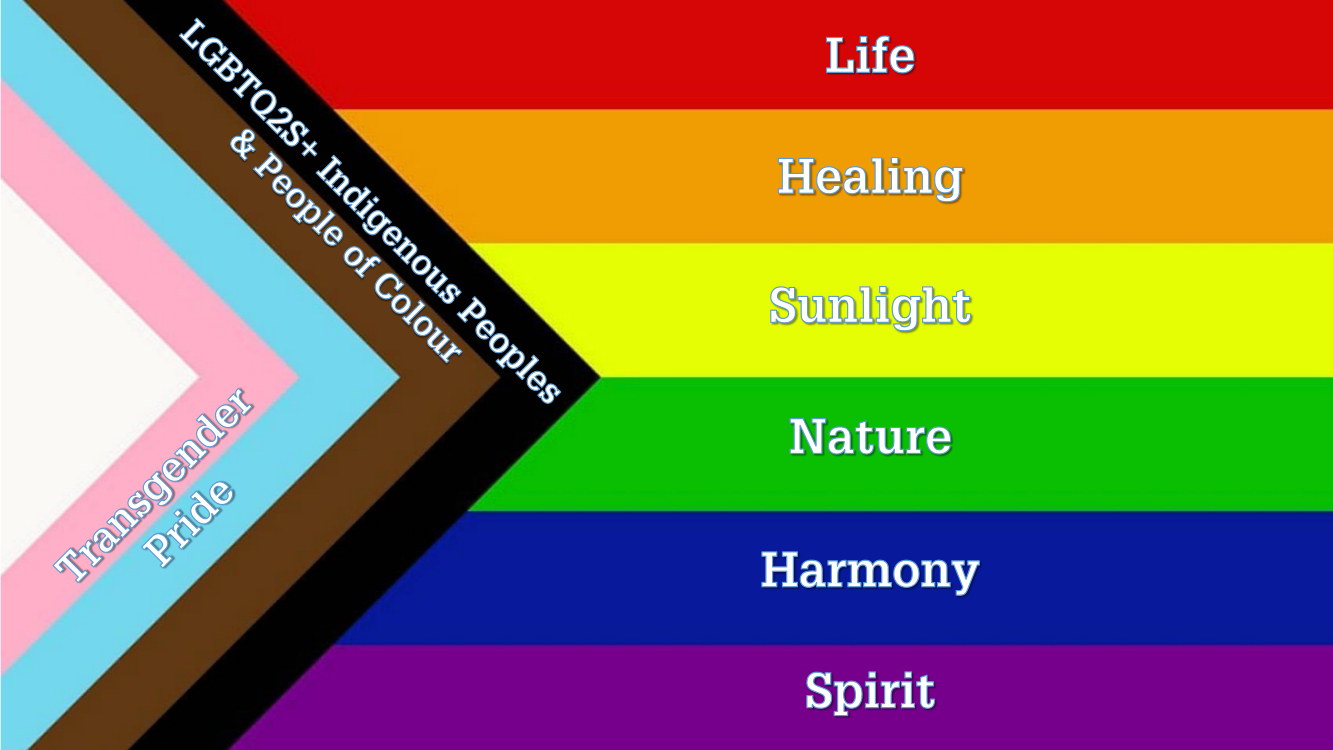
The Rainbow Research series returns to the British Ecological Society to celebrate Pride month 2022! These special posts promote visibility and share stories from STEM researchers who belong to the LGBTQIA2S+ community. Each post is connected to one of the themes represented by the colours in the Progress Pride flag (Daniel Quasar 2018). In this post, Douglas Cirino shares their story of healing in São Paulo.    

Continue reading “Rainbow Research: Healing”

Mosquitoes, Climate Change and Disease Transmission: How the Suitability Index P Can Help Improve Public Health and Contribute to Education

Post Provided by JOSÉ LOURENÇO

Esta publicação no blogue também está disponível em português

©BARILLET-PORTAL David

Vector-borne viruses (like those transmitted by mosquitoes) are (re)emerging and they’re hurting local economies and public health. Some typical examples are the West Nile, Zika, dengue, chikungunya and yellow fever viruses. The eco-evolutionary and epidemiological histories of these viruses differ massively. But they share one important factor: their transmission potential is highly dependent on the underlying mosquito population dynamics.
An ultimate challenge in infectious disease control is to prevent the start of an outbreak or alter the course of an ongoing outbreak. To achieve this, understanding the ecological, demographic and epidemiological factors driving a pathogen’s transmission success is essential. Without this information, public health planning is immensely difficult. To get this information, dynamic mathematical models of pathogen transmission have been successfully applied since the mid-20th century (e.g. malaria and dengue). Continue reading “Mosquitoes, Climate Change and Disease Transmission: How the Suitability Index P Can Help Improve Public Health and Contribute to Education”