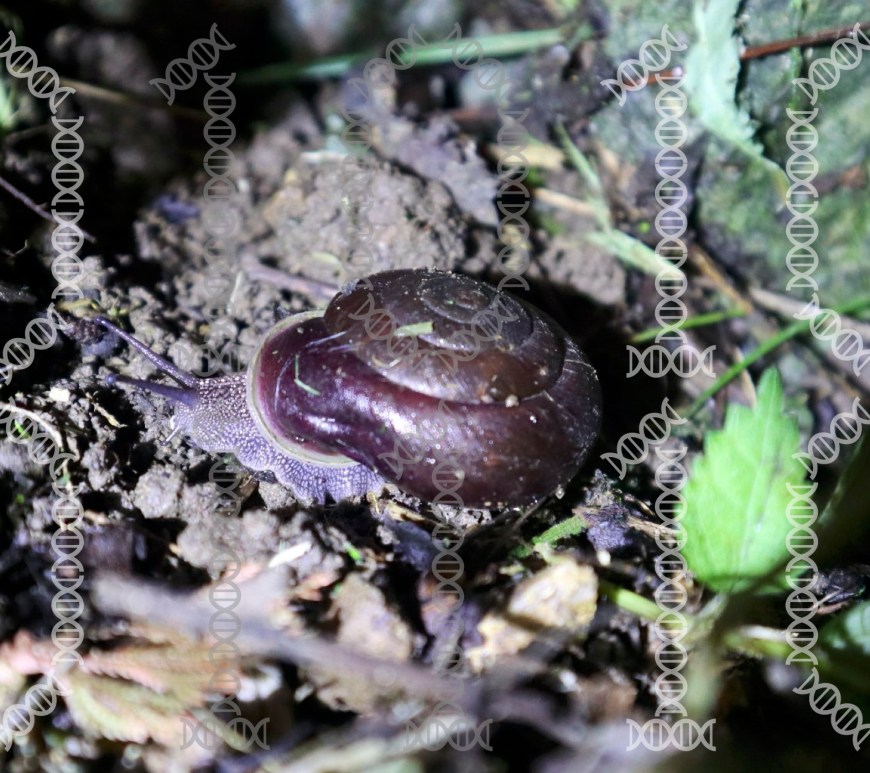
Post provided by Bin Ye Gastropoda animals, such as land, freshwater, and sea snails, have diverse forms and unique life histories, making them an excellent window for exploring biodiversity. In the era of accelerated integration of artificial intelligence and ecology, we have developed the SnailBaLLsp intelligent classification model, aiming to use innovative algorithms to solve traditional classification problems and better serve species identification and evolutionary … Continue reading Integrating multi-gene barcodes with deep learning to classify snails
Artificial intelligence (or AI) is an enormously hot topic, regularly hitting the news with the latest milestone where computers matching or exceeding the capacity of humans at a particular task. For ecologists, one of the most exciting and promising uses of artificial intelligence is the automatic identification of species. If this could be reliably cracked, the streams of real-time species distribution data that could be unlocked worldwide would be phenomenal.
Despite the hype and rapid improvements, we’re not quite there yet. Although AI naturalists have had some successes, they can also often make basic mistakes. But we shouldn’t be too harsh on the computers, since identifying the correct species just from a picture can be really hard. Ask an experienced naturalist and they’ll often need to know where and when the photo was taken. This information can be crucial for ruling out alternatives. There’s a reason why field guides include range maps!
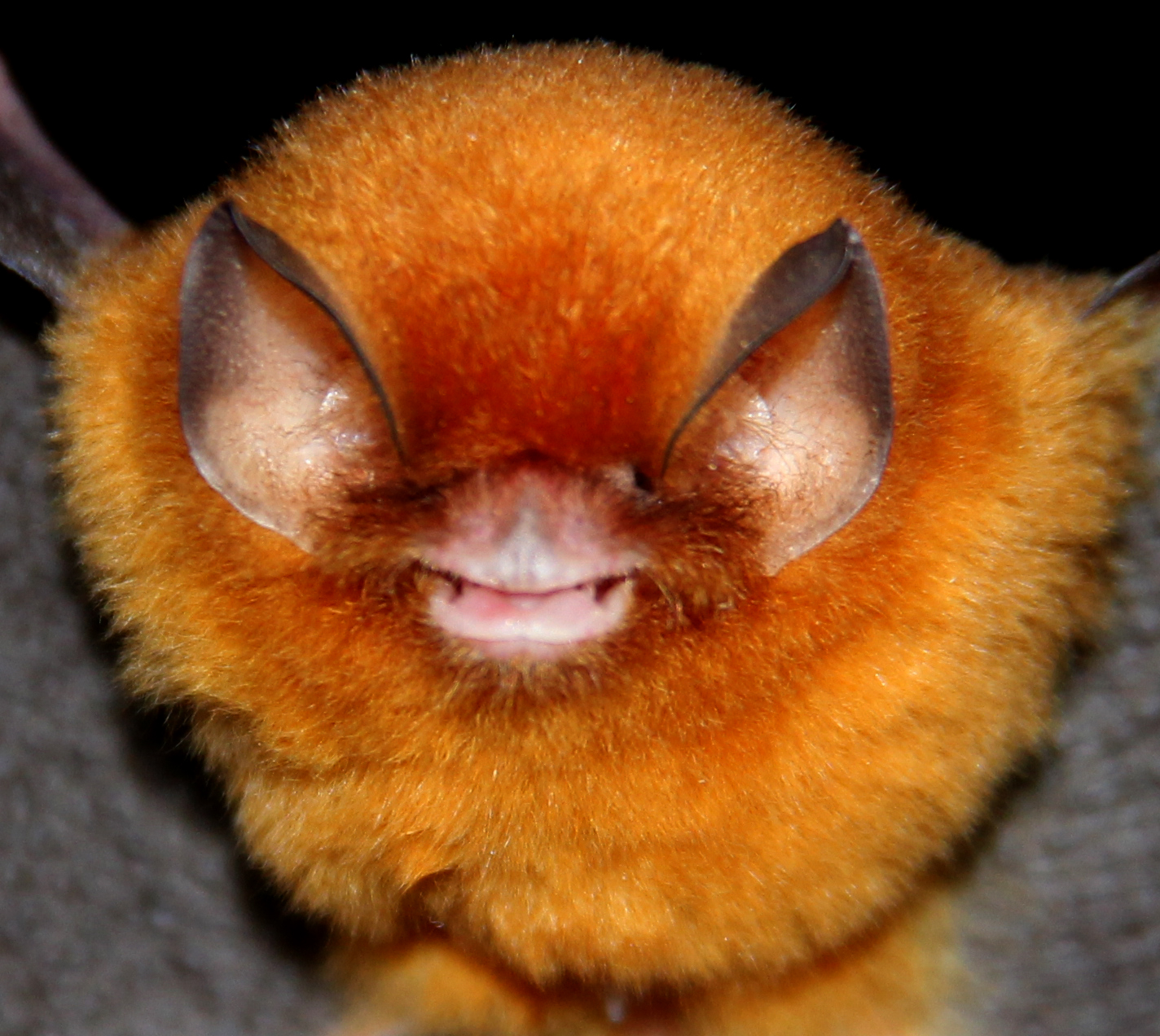
Today (17 April) is Bat Appreciation Day! Yes I know, a whole day to appreciate bats. Although my biodiversity modelling research group at University College London would argue that 24 hours is just not enough time to appreciate these cool, yet misunderstood animals, we wanted to mark the day by giving MEE a round-up of the latest methodological advances in bat monitoring and what we hope to see in the next few years.
Bat Detectives and Machine Learning
Oisin Mac Aodha PostDoc – If you have ever tried to spot bats flying around at night you will know that it can be very difficult. However, bats leak information about themselves into the environment in the form of the sounds they make while navigating and feeding. These calls are often too high for us to hear, but we can use devices known as bat detectors to transform them into a form that we can record and listen to. Monitoring bat populations over wide areas or long periods can result in huge amounts of data which is difficult to analyse though. To address this problem, our group, along with Zooniverse, have setup a citizen science project called Bat Detective which asks members of the public help us find bat calls in audio recordings that have been collected from all over Europe (the infographic below gives a bit more information on this). We have had an amazing response to date and our detectives have already located several thousand bat calls. However, to scale up monitoring, we need more automated methods of detecting calls. Using the analysis provided by our Bat Detectives, we are currently working on building algorithms that can automatically tell us if a recording contains a bat call.
In this video we see a visual representation of an audio signal called a spectrogram that features several bat calls. On top you see the result of an automated method we have developed for detecting bat calls. The larger the value, the more certain the algorithm is that there is a bat call at that point in time.Continue reading “Bat Appreciation Day: The Latest Methodological Advances”




 Methods Blog