
From pattern to process: estimating species interactions and driver-species relationships from count data

Post provided by Quinn Asena Uncovering signals from the past Understanding interactions among organisms, and between organisms and their environment, has been a cornerstone of ecology as long as we have been busying ourselves with the lives of other species. How do plants and animals facilitate or compete with each other? How do they respond to the continuous challenge of changing climates or new neighbors? … Continue reading From pattern to process: estimating species interactions and driver-species relationships from count data

Making the Most of Volunteer Data: Counting the birds and more…

Post provided by Rob Robinson

It’s 6am on a warm spring morning and I’m about to visit the second of my Breeding Bird Survey1 sites. Like 2,500 other volunteers in the UK, twice a year I get up early to record all the birds I see or hear on the two transects in my randomly selected 1km square. Each year I look forward to these mornings almost as much for the comparisons as the actual sightings. Will there be more or fewer sightings of our summer migrants this year? How will numbers in this rolling Norfolk farmland stack up against those I see in urban, central Norwich?

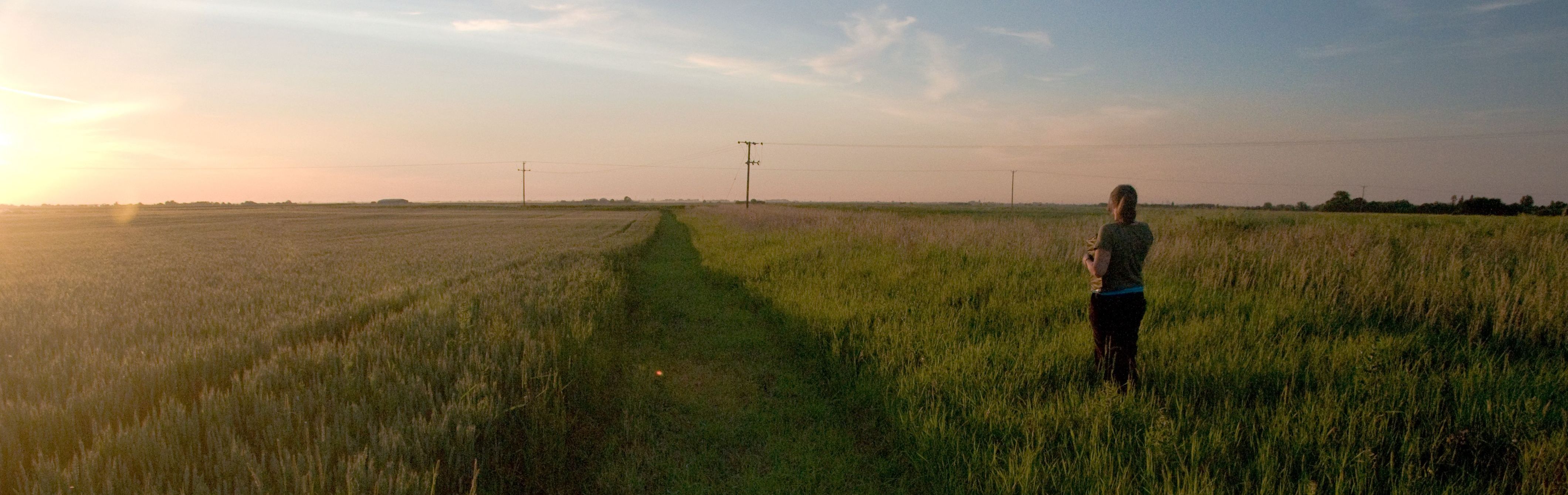
Dawn bird survey in arable farmland. © Rob Robinson/BTO
Dawn bird survey in arable farmland. © Rob Robinson/British Trust for Ornithology (BTO)

The importance of demography

But simply recording these changes is not enough; we need to understand why they occur if action is to be taken. This requires us to quantify the demographic rates (survival, productivity and movements) that underlie them, which in turn requires samples of marked individuals. Simply counting individuals is not enough. Continue reading “Making the Most of Volunteer Data: Counting the birds and more…”