Following an open call for applicants at the beginning of 2026, we are pleased to welcome 44 new Associate Editors to Methods in Ecology and Evolution.
The researchers joining us span 18 different countries. We are really delighted to have further expanded the expertise on our board so that we can continue to promote the development of new methods in ecology and evolution. Welcome aboard!
Find out more about the new editors and their research below:
Nerea Abrego She/her
University of Jyvaskyla, Finland
I am broadly interested in community ecology, with a focus on linking general theory to empirical research. Much of my work has used fungi as model systems, but I have also studied communities of insects, birds, plants, and bacteria. My research seeks to understand how ecological communities are structured across temporal, spatial, and environmental gradients, and to address methodological challenges by developing efficient empirical (e.g., environmental DNA) and statistical (e.g., Joint Species Distribution Modelling) approaches for community data.
Matteo Anderle
Institute for Alpine Environment, Eurac Research, Italy
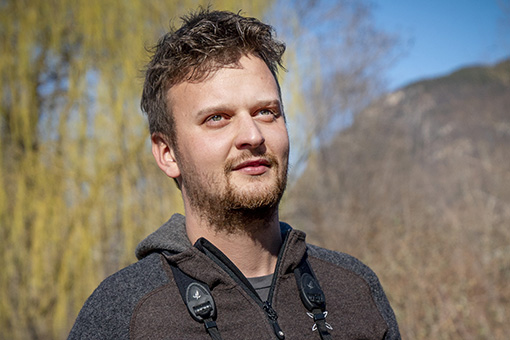
I am an ecologist specialising in biodiversity monitoring and bioacoustics. My research focuses on alpine bird communities, with particular emphasis on how landscape composition and land-use intensity shape species distributions, habitat preferences, and the ecology of high-altitude specialists, as well as migration dynamics. I use a range of complementary field and analytical approaches, including point survey, bird ringing, passive acoustic monitoring. My work aims to integrate multiple data sources to improve the detection, monitoring, and ecological understanding of mountain bird communities.
Artemis Anest She/her
University of Montpellier, France
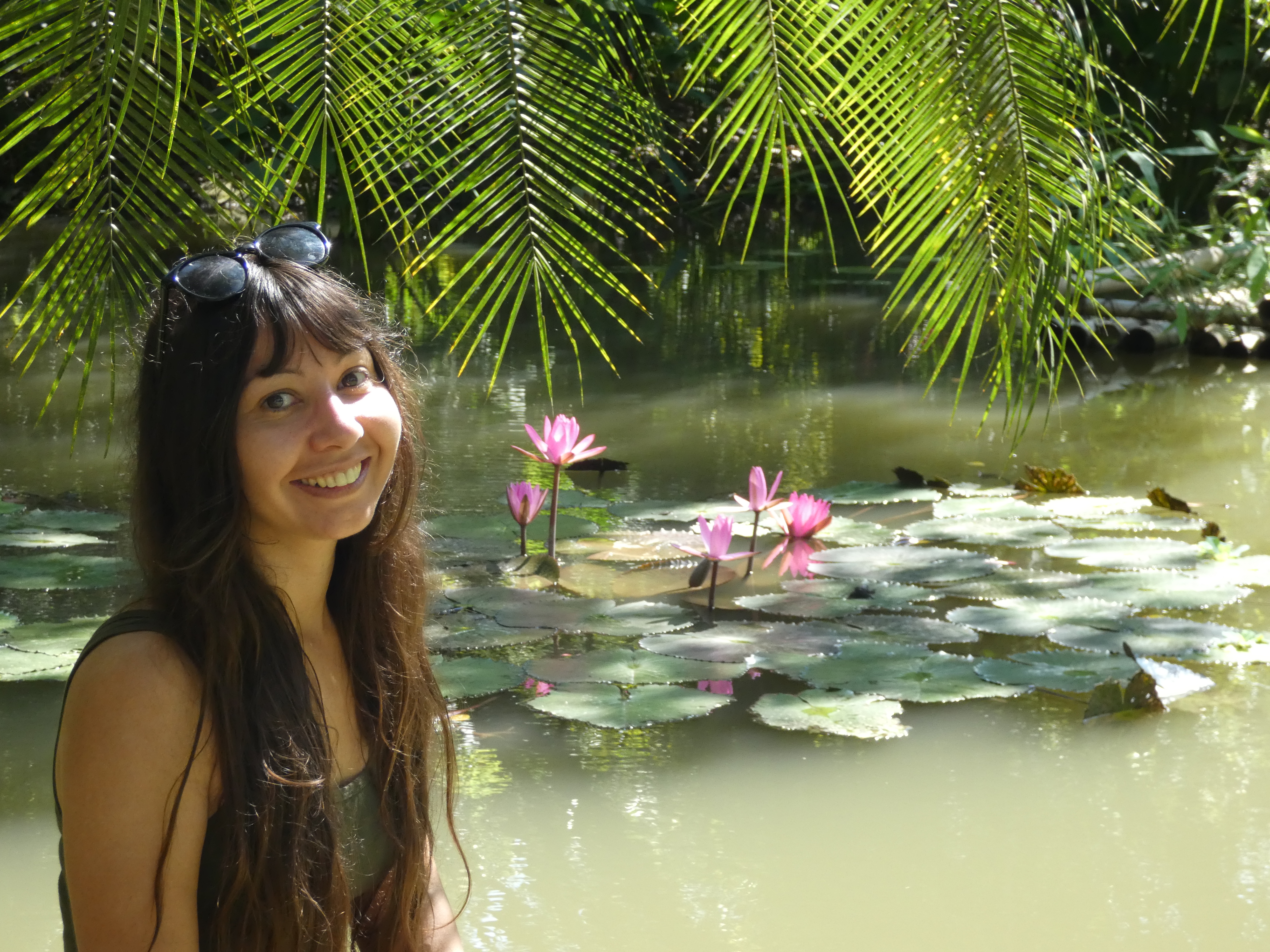
Artemis’s research interest focuses on understanding the drivers of plant morphological and functional diversity. My approach is built on the integration of historical botany, through the use of plant architecture analysis, trait-based ecology, and their integration within a macroevolutionary framework. By reconstructing the ecological history of major plant lineages, my aim is to generate new insights into the evolutionary processes involved in plant dispersal, morphological and functional evolution, lineage diversification, and biodiversity maintenance.
Paulina Arancibia She/her
University of Jyväskylä, Finland
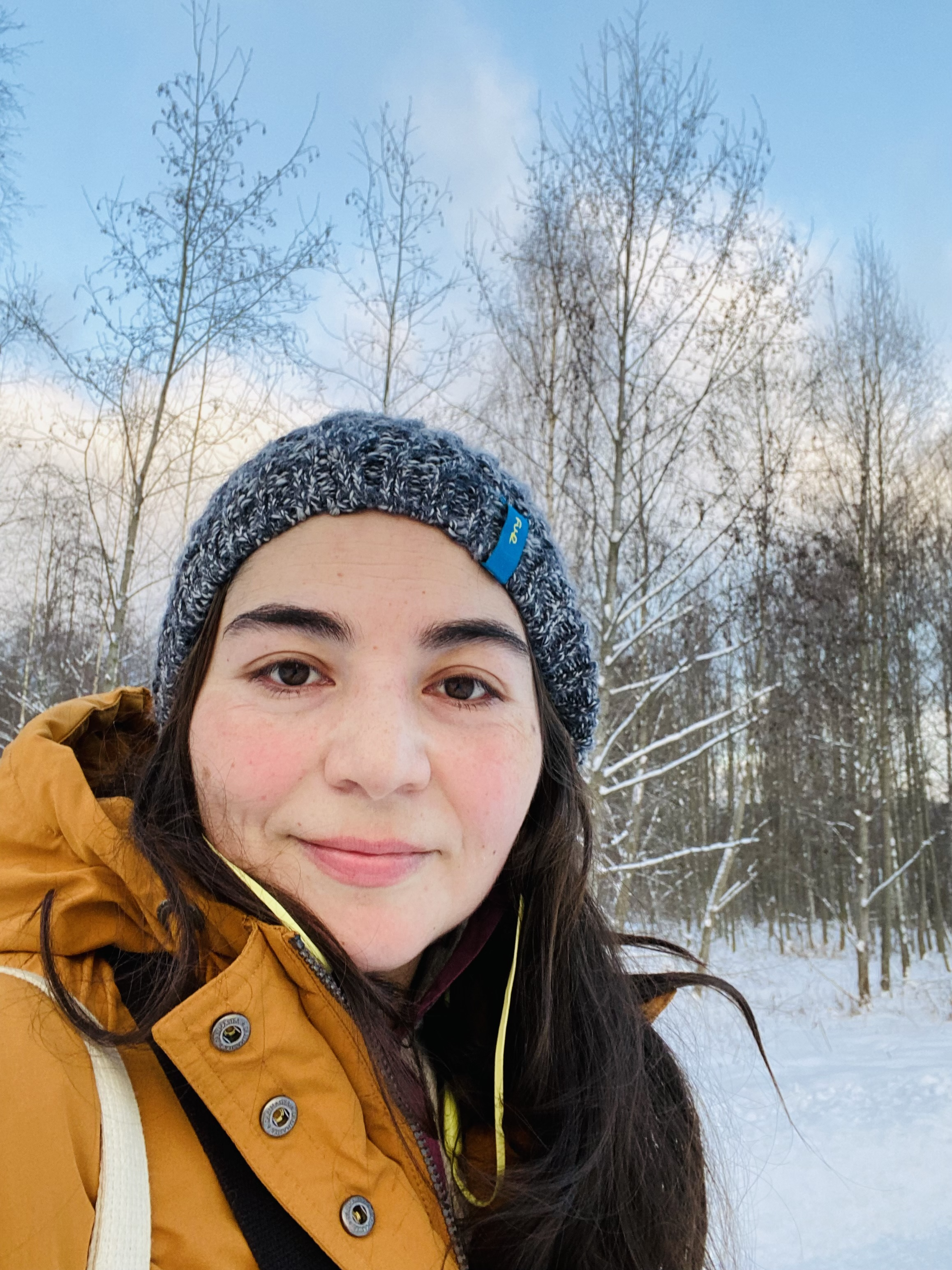
Paulina is a community ecologist studying how spatial processes shape biodiversity and ecosystem dynamics under environmental change. Her work combines experiments, empirical analyses, and theoretical models to uncover how dispersal, connectivity, and landscape structure influence metacommunities. She is interested in linking theory and data, and in advancing experimental and data-intensive approaches to improve mechanistic understanding in ecology.
Iliana Bista
Senckenberg Research Institute and Natural History Museum, Germany
Iliana Bista is a research group leader at the Senckenberg Research Institute and Natural History Museum in Frankfurt, Germany. Her work combines environmental and genomic data for characterisation of biodiversity, and understanding the effects of environmental change from the ecosystem to the genomic level. She uses DNA based methods to study the diversity of animal taxa, especially aquatic and semi-aquatic groups, with a particular interest in method development for eDNA, metabarcoding, metagenomics and bioinformatics for analyses of large datasets.
Mollie Brooks She/ her
National Institute of Aquatic Resources, Danish Technical University, Denmark
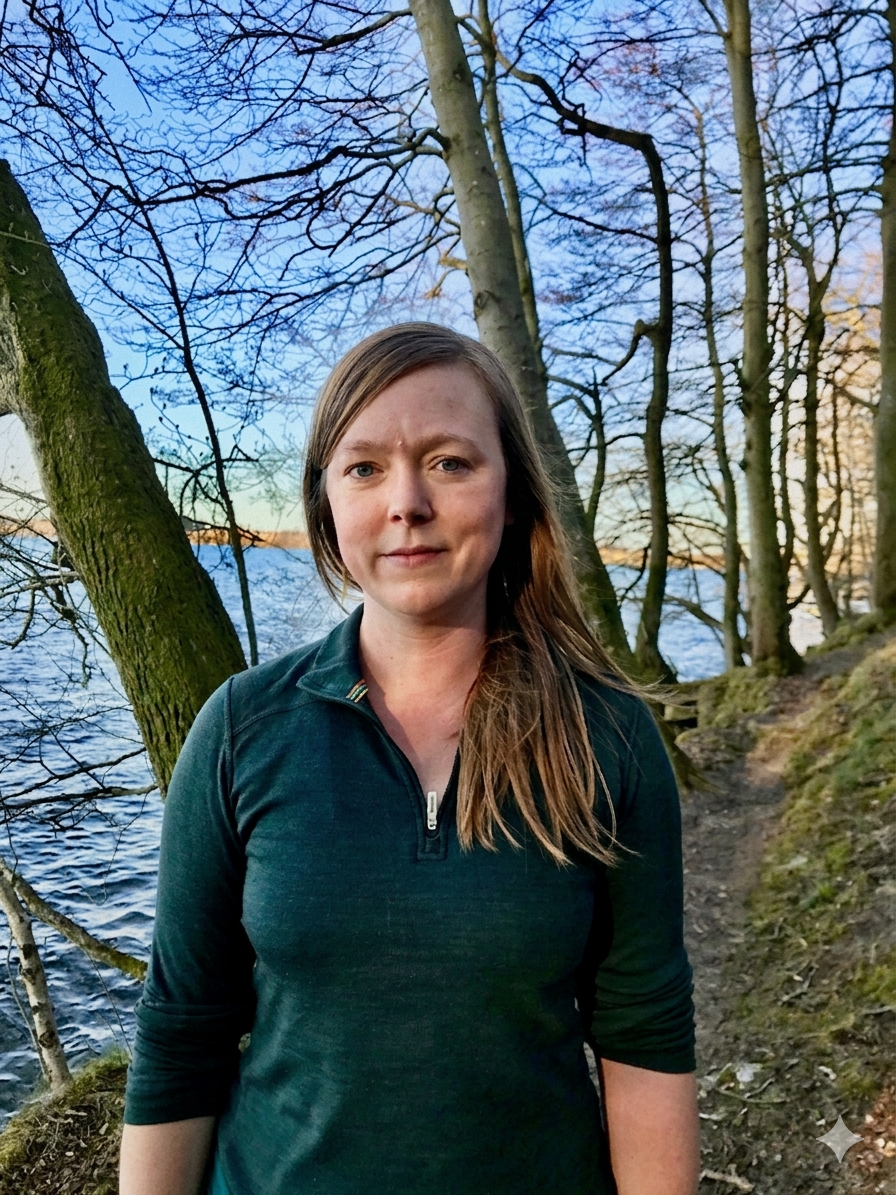
Mollie ‘s research focuses on estimating demographic processes and how they vary among and within populations and species in response to environmental and individual heterogeneity. She aims to develop widely applicable statistical methods, mainly using maximum likelihood estimation.
Luke Brown
King’s College London, UK
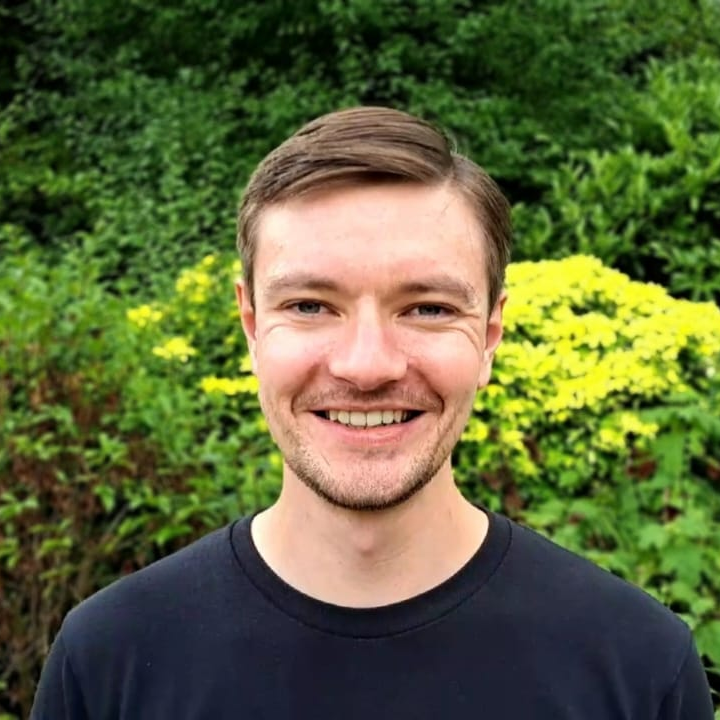
I am an Earth observation scientist interested in methods for terrestrial ecological monitoring using remote and in situ sensors. My background is in the use of optical sensors (multispectral, hyperspectral, LiDAR) for retrieving vegetation biophysical and biochemical properties, and in scaling between field, airborne, and satellite observations. I maintain a keen interest in field measurement approaches. More broadly, I have expertise in the application of physical models and data-driven machine learning for deriving ecologically meaningful information from remote sensing observations.
Alex Hoi Hang Chan He/ him
Centre for the Advanced Study of Collective Behaviour, University of Konstanz, Germany
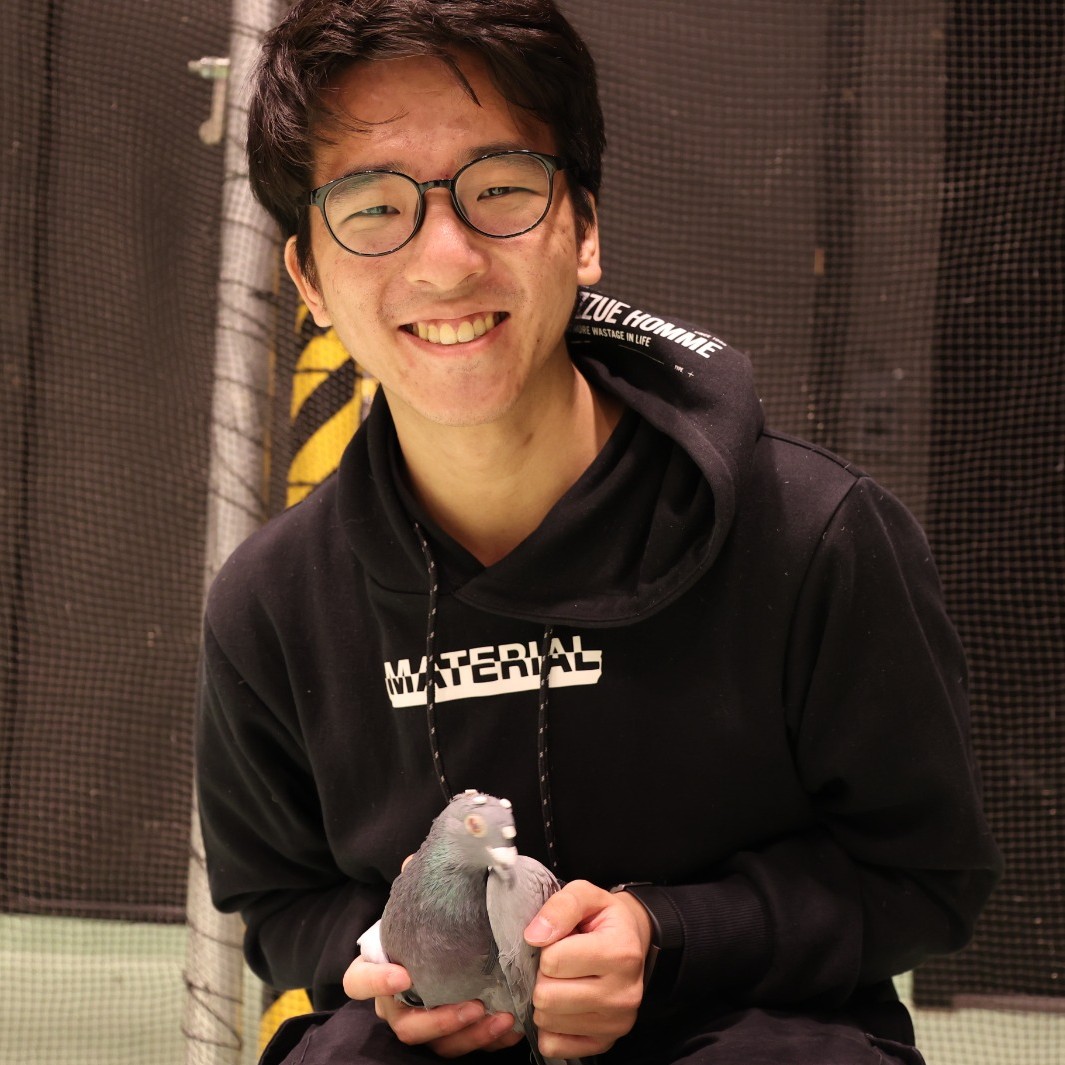
I am a behavioural ecologist focusing on developing computer vision methods for animal behaviour and ecological applications. Working in the intersection between computer science and biology, I am particularly interested in unique ways computer vision algorithms can be applied to generate novel biological insights. Currently, my work involves applying a combination of computer vision algorithms (2D + 3D keypoint estimation, object detection, depth estimation, action recognition, re-id) to measure finescaled behaviours of birds and primates, from gaze to long-term behavioural monitoring.
Hengchi Chen
Institute of Microbiology and Genetics, Germany

I’m an evolutionary biologist interested in the ecological and evolutionary significance of gene and genome duplication in plants. Genome duplication, or polyploidy, can immediately enhance organismal tolerance to stress but also bring reproductive difficulties due to minority cytotype exclusion and unstable meiosis (e.g., aneuploidy). Previously we have shown that polyploidy is coupled with major environmental catastrophic events (e.g., K–Pg boundary). Currently I’m deciphering the role of polyploidy in major evolutionary transitions including multicellularity and plant terrestrialization.
Sarah Christofides She/her
Cardiff University, UK
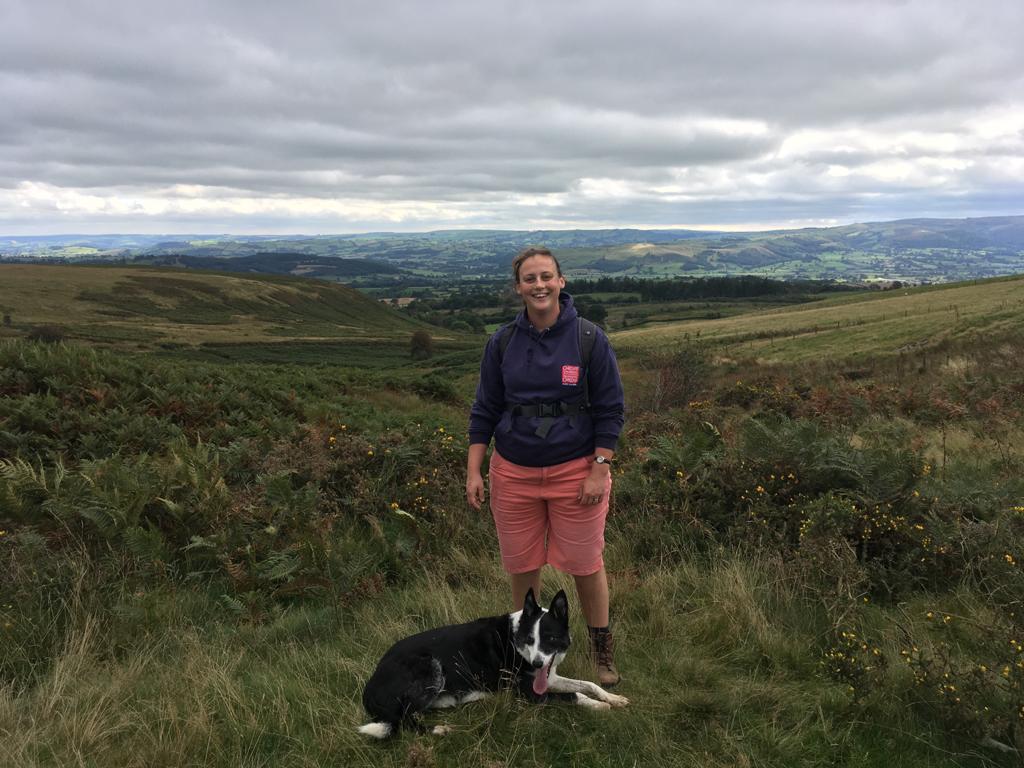
Sarah is a quantitative community ecologist and mycologist with a particular love of wood decay fungi. She especially enjoys applying bioinformatics and biostatistics to tackle ecological problems. Current research in her lab includes developing conservation strategies for tree-associated fungi; modelling fungal growth through the lenses of behaviour ecology and network theory; and exploring the relationships between bacteria and fungi within trees. Sarah is also interested in freshwater ecology and has taken part in several projects looking at microbial processes in freshwater ecosystems.
Maxime Clenet
CNRS, Université de Montpellier, France
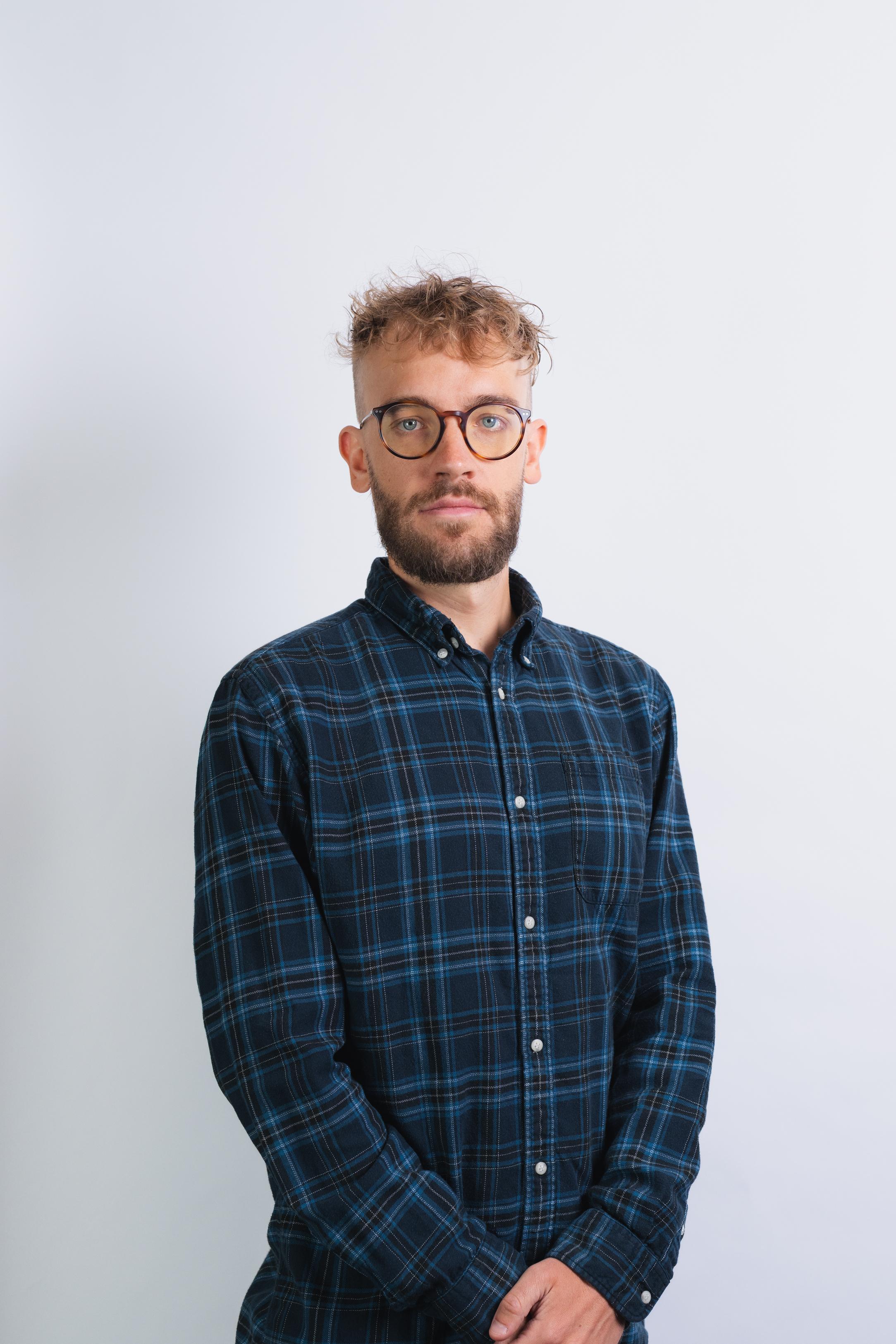
I am a theoretical ecologist with a broad interest in understanding biodiversity through mathematical modelling. My research lies at the intersection of functional ecology, interaction networks, and spatial ecology. It is unified by developing probabilistic methods to formalise ecological theory. Recently, I have focused on the mechanisms underlying unequal species contributions to ecosystem functioning. I am also interested in the application of temporal networks in ecology. I am exploring how quantum computing can be applied to tackle new ecological challenges.
Christophe Coste He/him
NINA, Norway
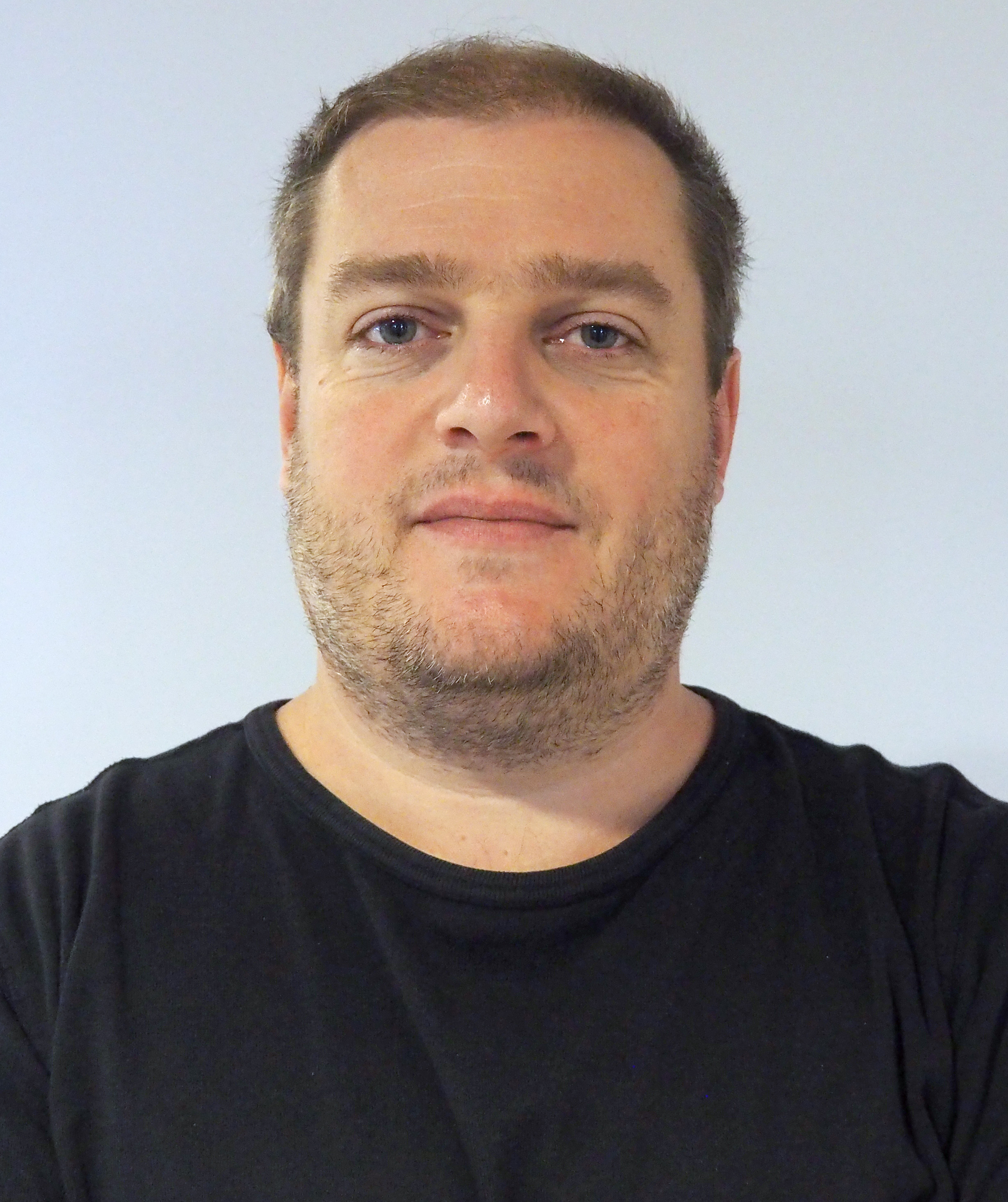
Christophe Coste is a theoretical ecologist at the Norwegian Institute for Nature Research (NINA), Norway. His research focuses on the links between demography, kinship and genetics in structured populations. He develops projection-based frameworks to study how stochastic vital rates, such as survival and reproduction, shape population dynamics, genetic diversity and relatedness structure. His interests include stochastic demography, evolutionary ecology, life-history theory and eco-evolutionary dynamics, combining mathematical modelling with empirical applications.
Claudio Cucini He/him
University of Siena, Italy
I am a molecular biologist and bioinformatician working at the interface of genomics, evolution, and biodiversity. My research combines high-throughput sequencing, genome assembly, and comparative analyses to study evolutionary processes in arthropods, with a focus on Collembola and invasive species. I have contributed to tools and methods in mitogenomics and phylogenomics, and my empirical work spans metabarcoding to population genomics. I am broadly interested in reproducible computational workflows bridging methodological innovation with evolutionary and conservation questions.
Szymon Drobniak He/him
Jagiellonian University, Poland
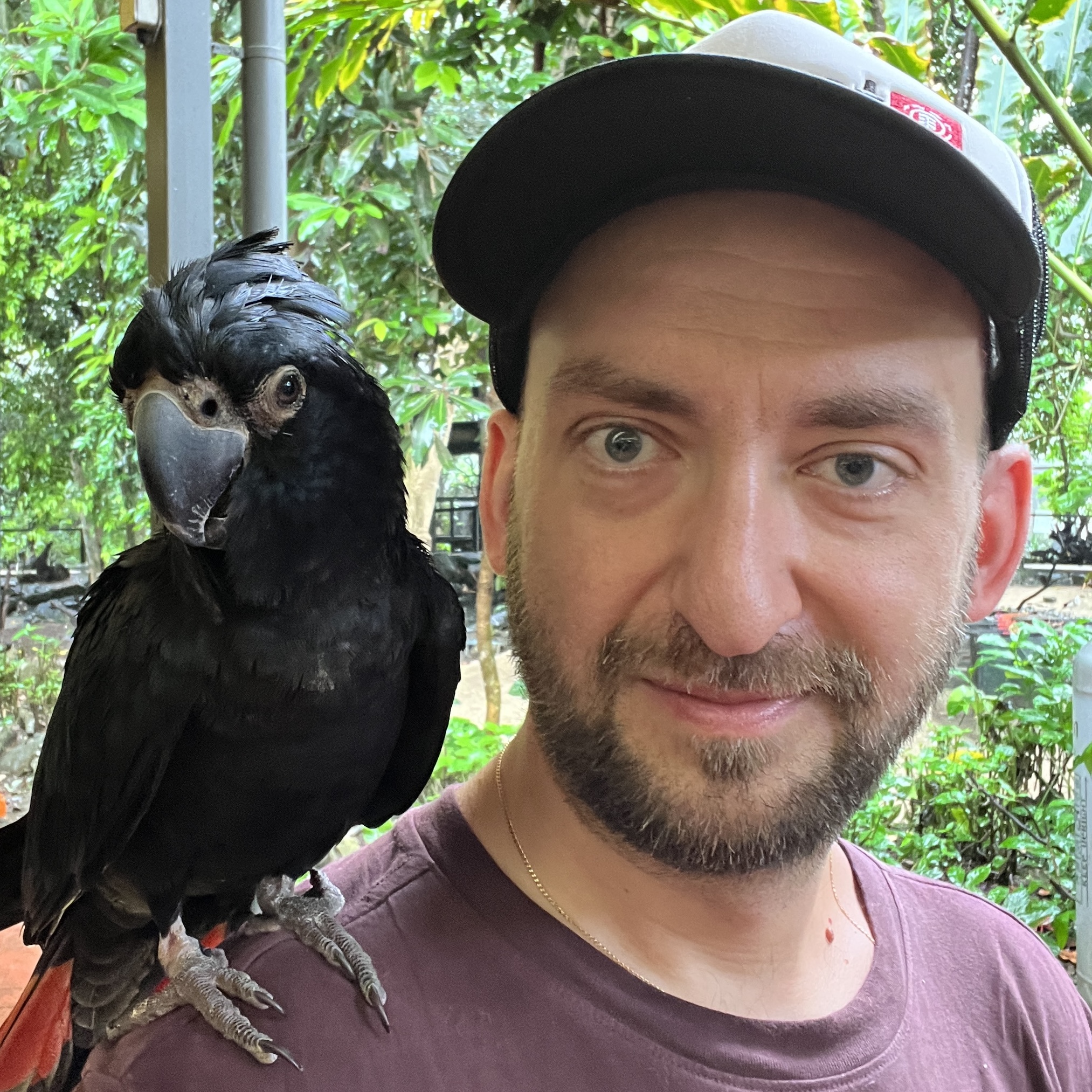
I’m an evolutionary biologist and biostatistician interested in synthetic and empirical approaches to evolution. In my research, I focus on microevolution (in particular, sexual selection, evolution of colouration, response to climatic changes in birds) and macroecological patterns shaping phenotypic and genetic diversity both in space and time. I combine field work (long-term flycatcher study on Gotland), molecular & quantitative genetics, and comparative meta-analyses. I use my research to understand phenotypic diversity and to develop new statistical approaches to studying complex traits.
Jasper Eikelboom
Wageningen University & Research, Netherlands
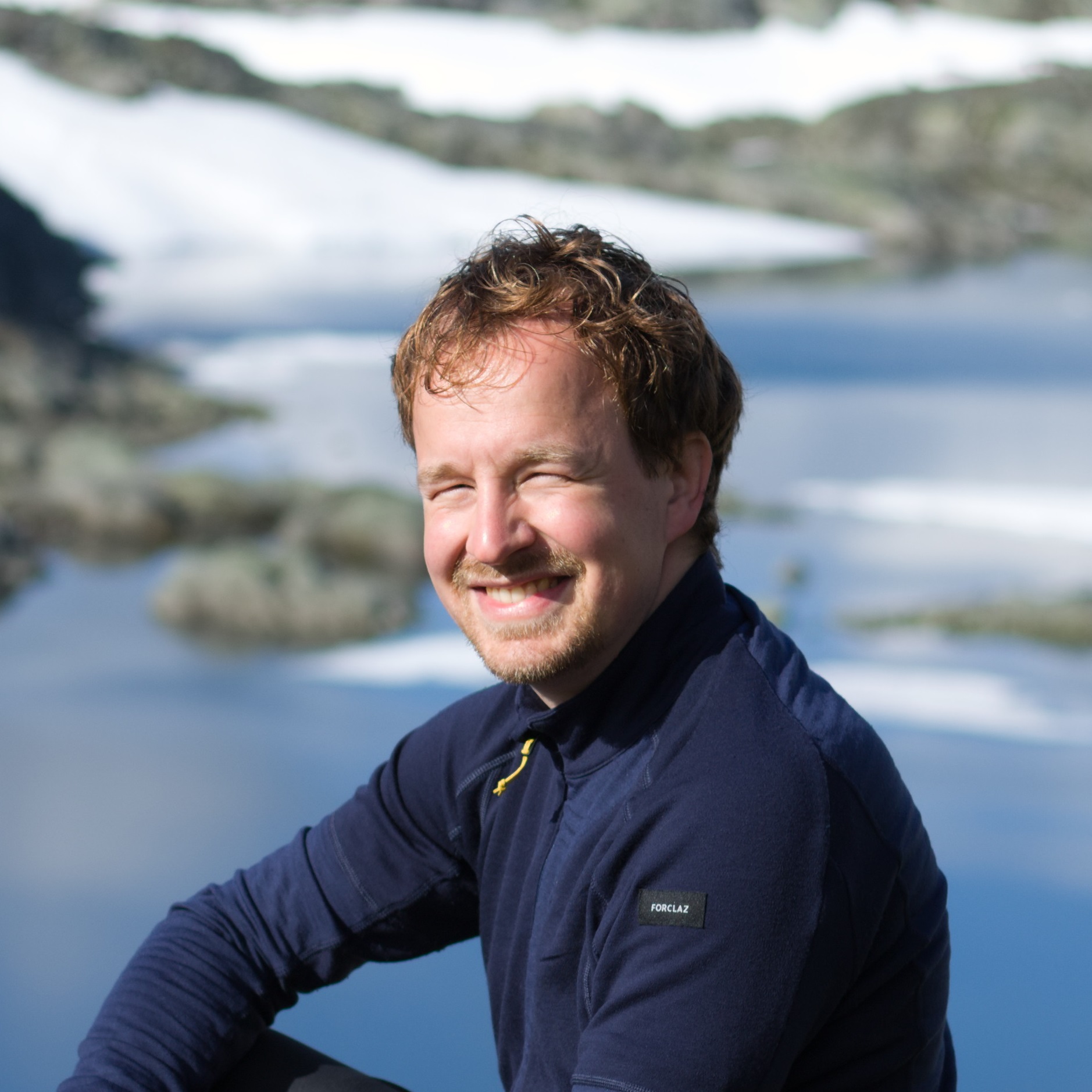
Jasper is a quantitative ecologist who works on the intersection of GIS, data science and wildlife ecology. He is mainly interested in advancing machine learning methods to analyse bio-logging and image data, but also has a soft spot for statistics and mathematical simulations. Most of his work focuses on African wildlife, often linked to their conservation.
Alberto Garcia Jimenez
Technical University of Denmark, Denmark
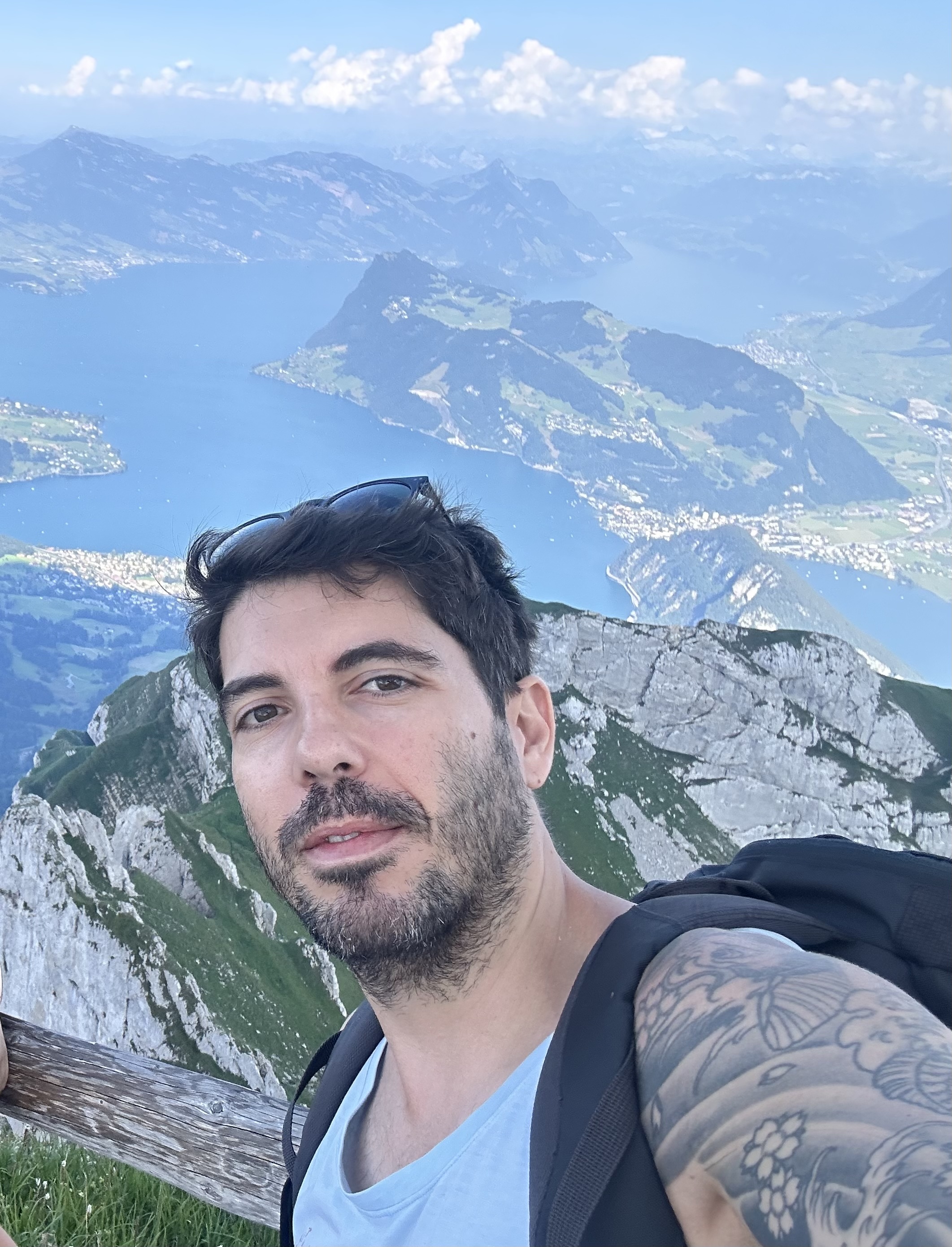
I am a quantitative evolutionary ecologist working at the interface of evolutionary genomics and eco-evolutionary dynamics. My research examines how genetic variation, selection, and demography interact in non-equilibrium systems, linking genomic patterns to underlying processes. I integrate theory, simulation, and empirical data to study population dynamics and evolutionary responses to environmental change, and to develop frameworks that improve inference and prediction of population persistence and extinction risk.
Tamara Hartke She/her
Leibniz Institute for the Analysis of Biodiversity Change, Germany
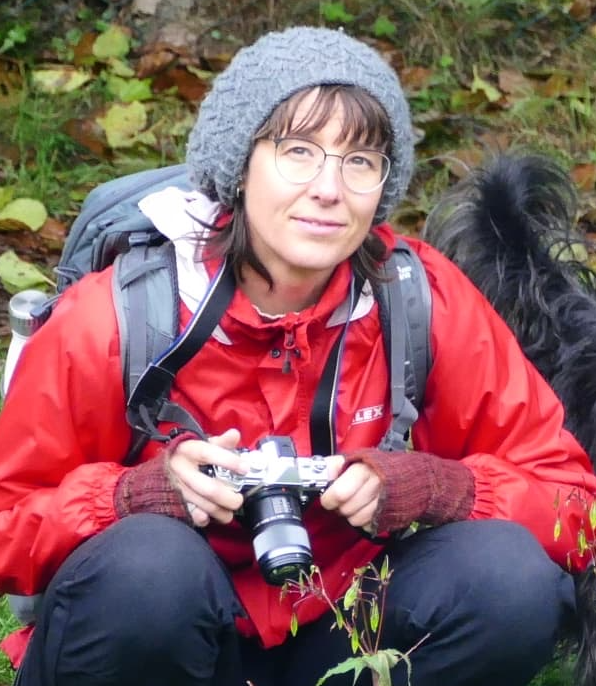
Tamara’s research focuses on the ecology and evolution of arthropods and their communities, and the causes and consequences of biodiversity change in natural and human-impacted systems, such as temperate and tropical agroecosystems. Her research includes developing new methods for collecting data such as eDNA and acoustic or optical sensors, and analysing complex or messy data to provide insights into ecological processes or guide biodiversity-friendly management decisions. She loves getting her hands dirty, observing insects and spiders large or small, and clean data and well-annotated code.
Cayetano Herrera
University of the Balearic Islands, Spain
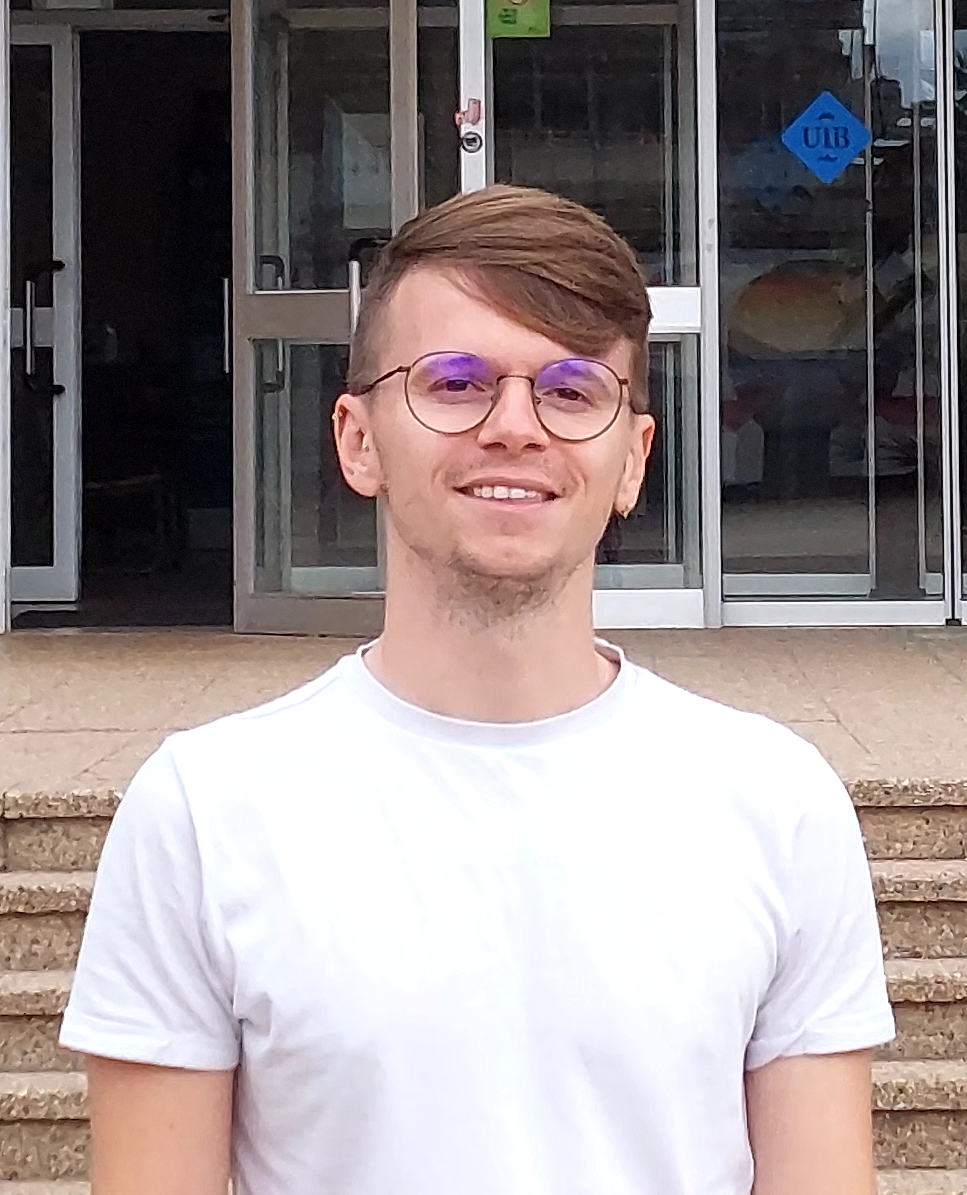
I am an entomologist interested in the eco-evolutionary dynamics of agroforestry and beekeeping systems. My methodological approach is fully multidisciplinary, integrating population genetics, ecological niche modelling, and machine-learning-assisted systems applied to crop pollinators, pests, and invasive alien species, as well as to the management of biological resources and ecological systems. My work aims to provide robust quantitative tools to enhance biological resource management and conservation.
Emma Higgins
University of South Wales, UK
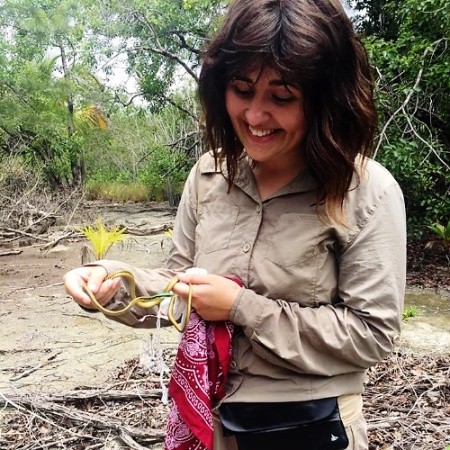
Emma’s research focuses on the development of remote sensing techniques and workflows for ecology research and wildlife conservation. She is particularly interested in how technology can improve habitat change monitoring to better inform mitigation and restoration decisions. She works with a variety of taxa across different systems, integrating technology responsibly to monitor species and habitats at relevant spatial scales.
Boyang Ji
BioInnovation Institute, Denmark
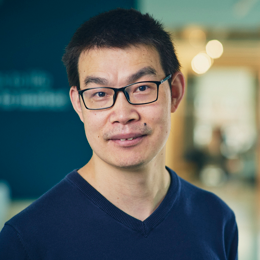
My research interests lie at the intersection of computational methods and biology, with a particular focus on microbial ecology and evolution. My recent work centers on biomedical data science, especially the application of computational approaches across diverse contexts, including multi-omics integration, drug discovery, landscape analysis, and community dynamics.
Jennifer Kampe
University of Jyväskylä, Finland
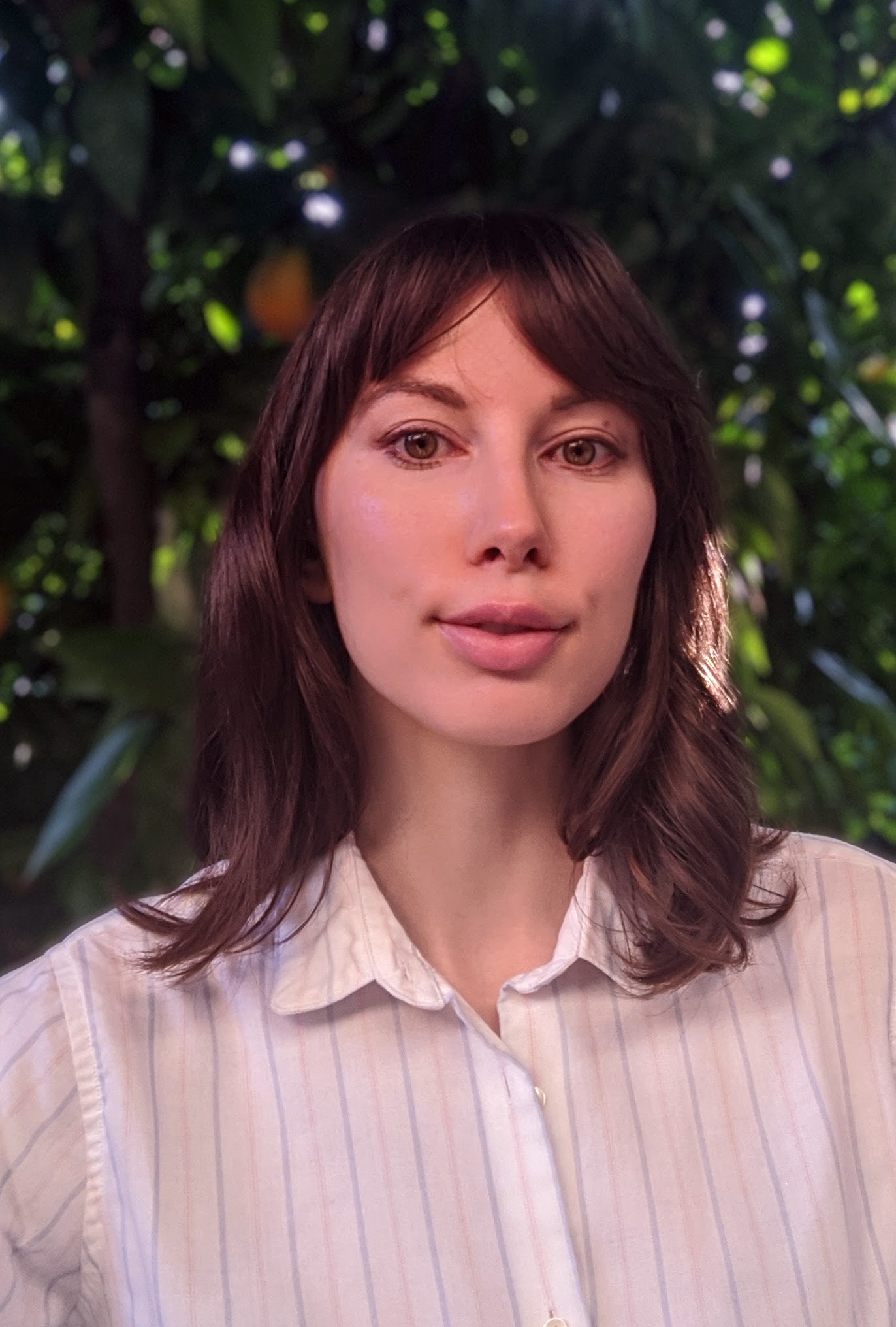
Jennifer is a statistician working on Bayesian methods for ecological, biological, and environmental health data, with a focus on supporting biodiversity monitoring and inference at scale. Her work involves developing network and relational models for complex systems such as ecological meta-networks, gut microbiomes, and brain connectomes. Her current research includes both network modeling and statistical and machine-learning approaches for passive acoustic monitoring, including sound source localization and classification of bird and bat vocalizations.
Rachel Kuzmich She/her
Norwegian University of Life Sciences, Norway
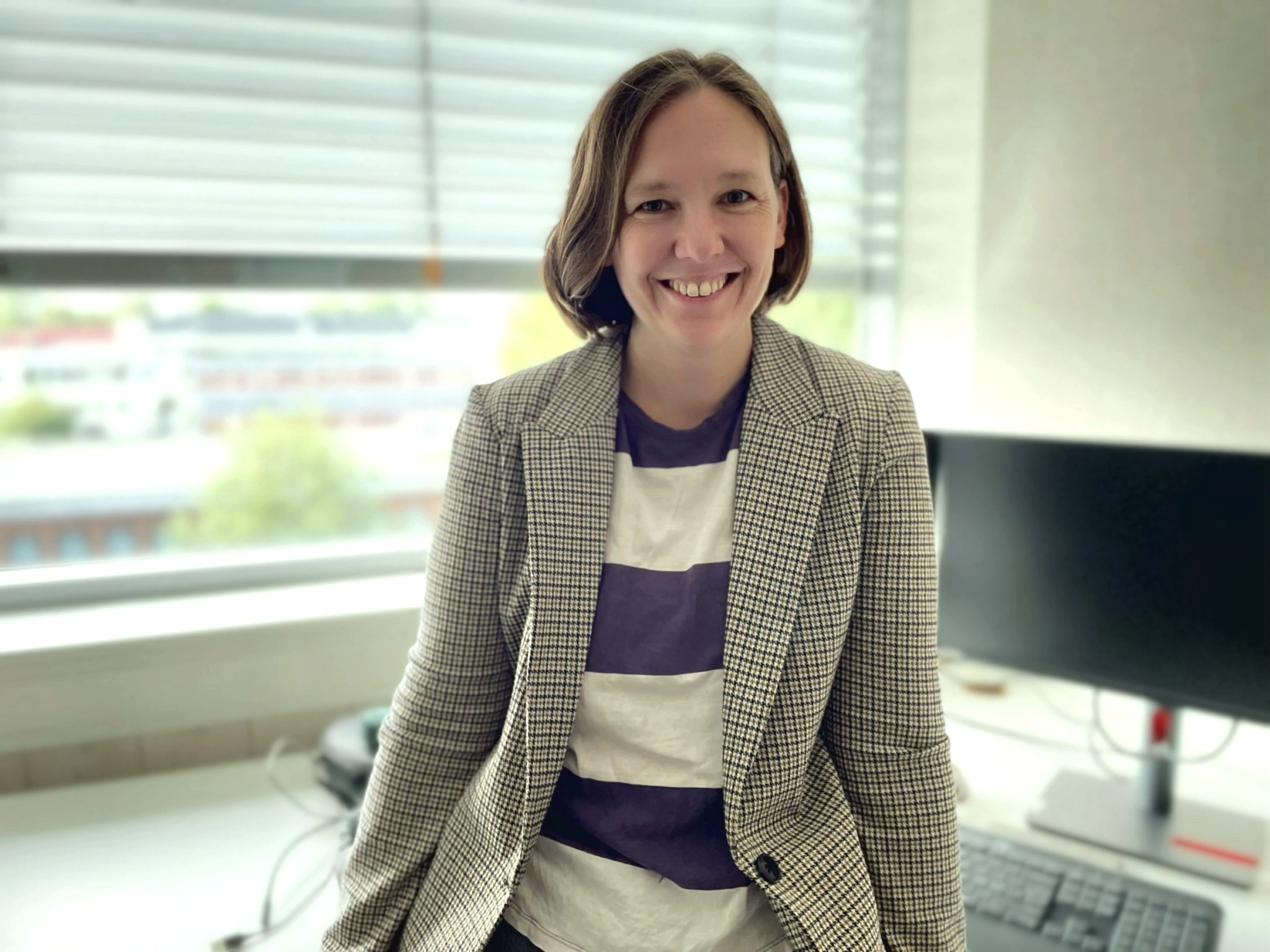
I am a cross-scale ecologist interested in the drivers, patterns, and impacts of forest change across spatiotemporal scales, environmental gradients, and organizational levels. My work is grounded in ecological theory, informed by my interdisciplinary training in geography, biology and international development, and developed through collaborations. I expertise integrating field and remote sensing data, and in advanced statistical modeling such as time series analysis, machine learning, and multivariate methods. My current research examines climate impacts in managed boreal forests in Norway.
Christopher Laumer He/him
The Natural History Museum, UK
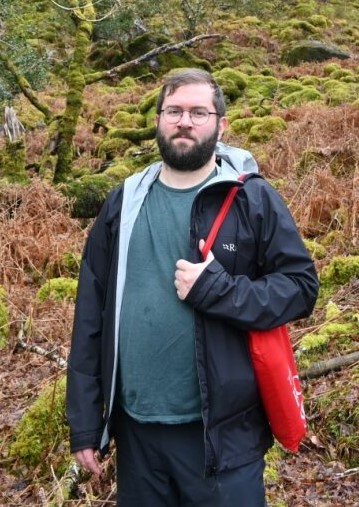
I am foremost an invertebrate zoologist, with a special interest in meiofauna, especially flatworms. My lab uses innovative genomics tools to to answer questions about meiofaunal ecology, evolution, and genome biology. Using phylogenomics to place rare lineages remains an active area of research. In 2015 I defended my PhD, “Isolated branches in the phylogeny of Platyhelminthes”, at Harvard University in the lab of Gonzalo Giribet. From 2015-2021 I was a postdoc at the Wellcome Genome Campus with John Marioni and later Mark Blaxter. I am now a Royal Society URF at the Natural History Museum.
Edward Lavender
Edinburgh Napier University, UK
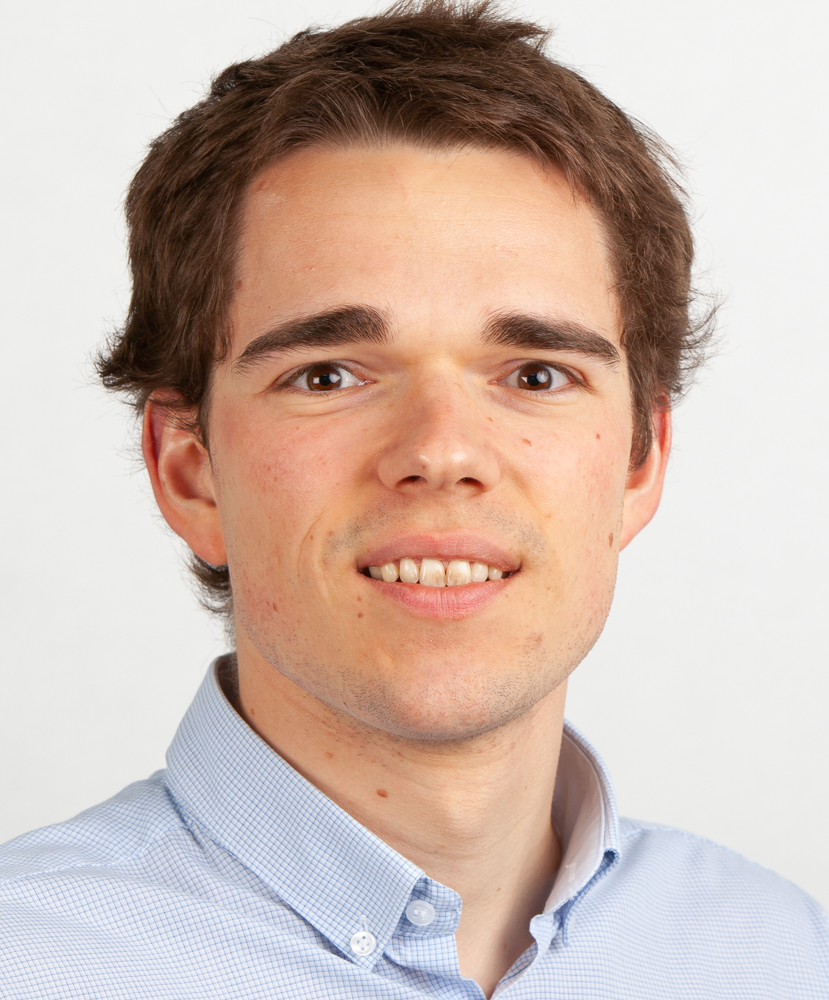
Edward is a quantitative ecologist and conservation biologist. His research revolves around the use of animal-tracking datasets to advance our understanding of the movement ecology and conservation requirements of mobile aquatic species. A key area of work is the development of state-space models and inference algorithms for animal geolocation. Edward has specific experience with passive acoustic telemetry and biologging sensors.
Thomas Luypaert He/him/his
Norwegian University of Life Sciences, Norway
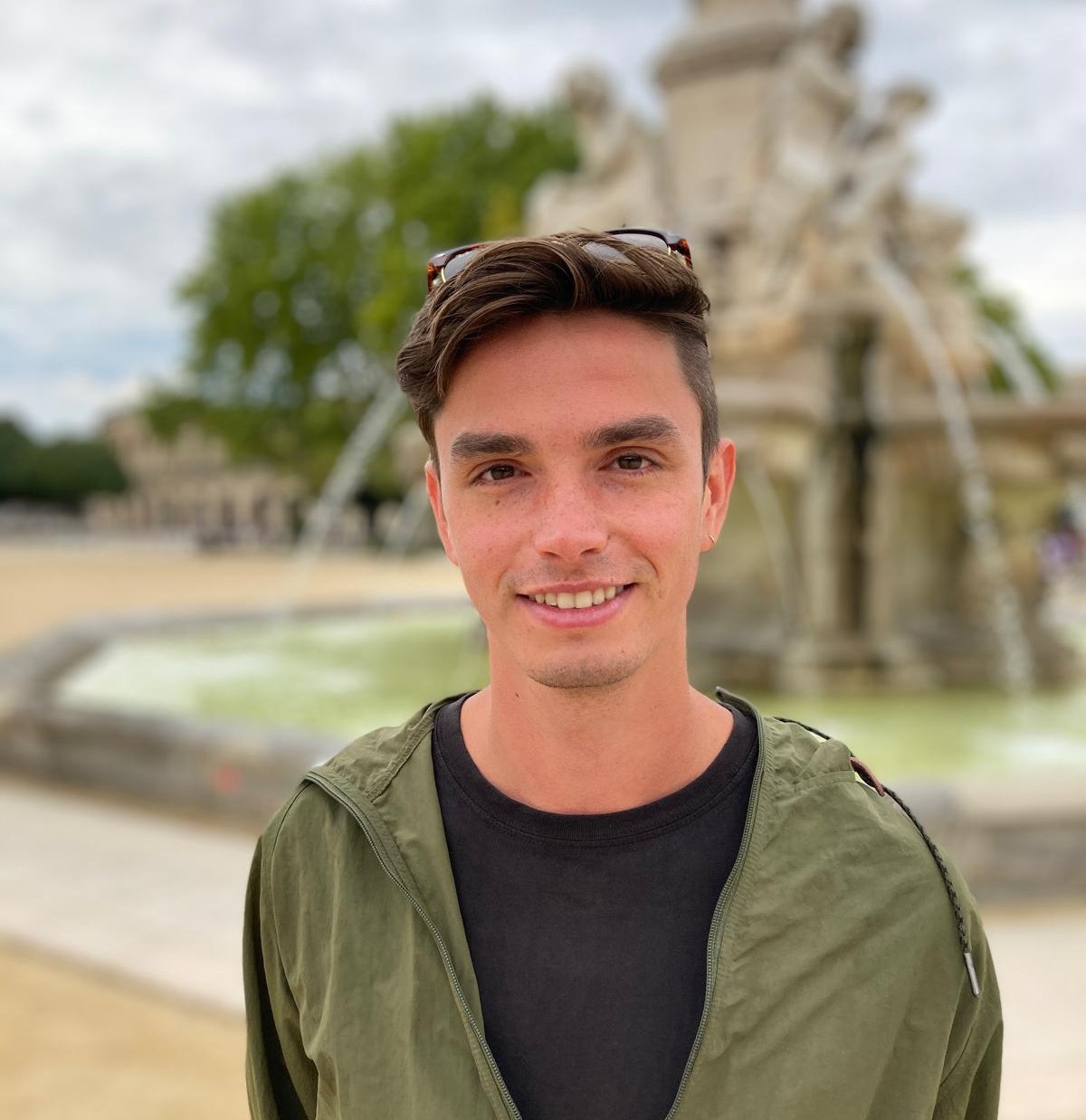
Thomas is a tropical ecologist working to remove barriers to scalable biodiversity monitoring in tropical forests. His research focuses primarily on passive acoustic monitoring, complemented by environmental DNA, camera trapping, and machine learning, to quantify biodiversity patterns and population dynamics in complex ecosystems. He develops analytical pipelines, open-source software, and deep learning algorithms that make technology-assisted monitoring more accessible to researchers and practitioners, with the goal of informing ecology and conservation action.
Hugo Magaldi
Muséum National d’Histoire Naturelle, France
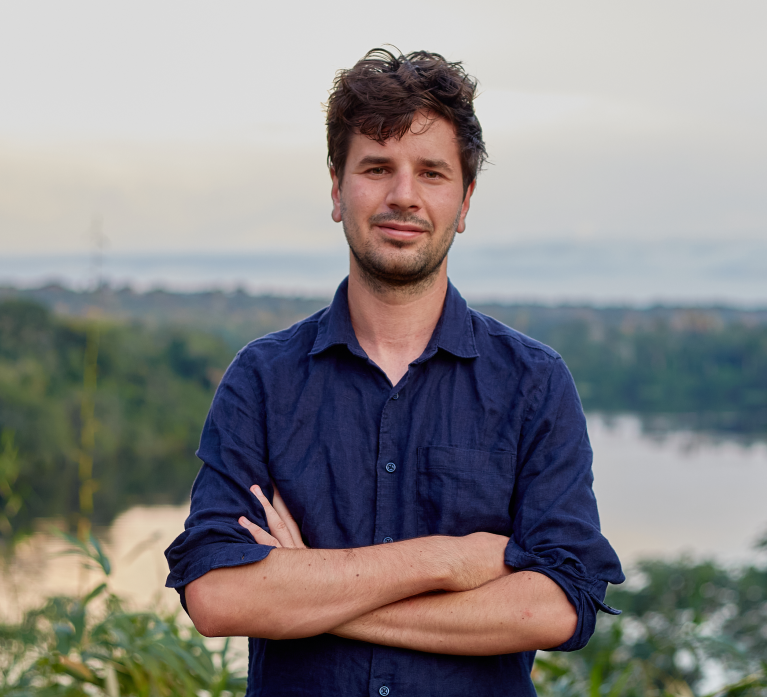
Hugo is a quantitative ecologist developing mathematical and artificial intelligence approaches to study animal biodiversity. His work spans automatic species and individual identification using camera-trap images and eco-acoustic recordings, the design of operational tools for field deployment, and the production of decision-support indicators for ecological applications. He combines mathematics, machine learning, and ecological data to support wildlife monitoring and conservation action, particularly in tropical forest systems
Torcuato Pulido Mantas He/him/his
Univertà Politecnica delle Marche, Italy

Torcuato is a marine biologist working at the intersection of benthic ecology and conservation, with a particular focus on climate-driven changes in biogenic reef ecosystems. His research focuses on marine animal forests, bioerosion processes, and the ecology of key structural organisms such as sponges and octocorals. A central theme of his work is the development and application of innovative, non-destructive field methods, particularly Structure from Motion (SfM) photogrammetry to quantify biodiversity, structural complexity, and morphological change in challenging habitats.
Tiago Marques He/him
University of St Andrews, Portugal
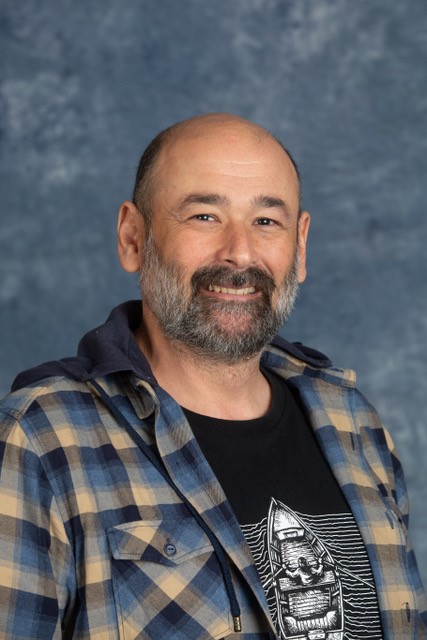
Tiago works as an Ecological Statistician on topics revolving around animal abundance estimation, with a focus on distance sampling and the use of passive acoustics for density estimation. He is interested in efficiently using ecological data to promote effective management and conservation of wildlife. Tiago was once an ecologist that became more and more attracted to the dark side of the force and after an MSc and a PhD in statistics feels more of a fraud as a biologist than as a statistician.
Lin Na She/her
Nanjing Institute of Geology and Palaeontology, Chinese Academy of Sciences, China
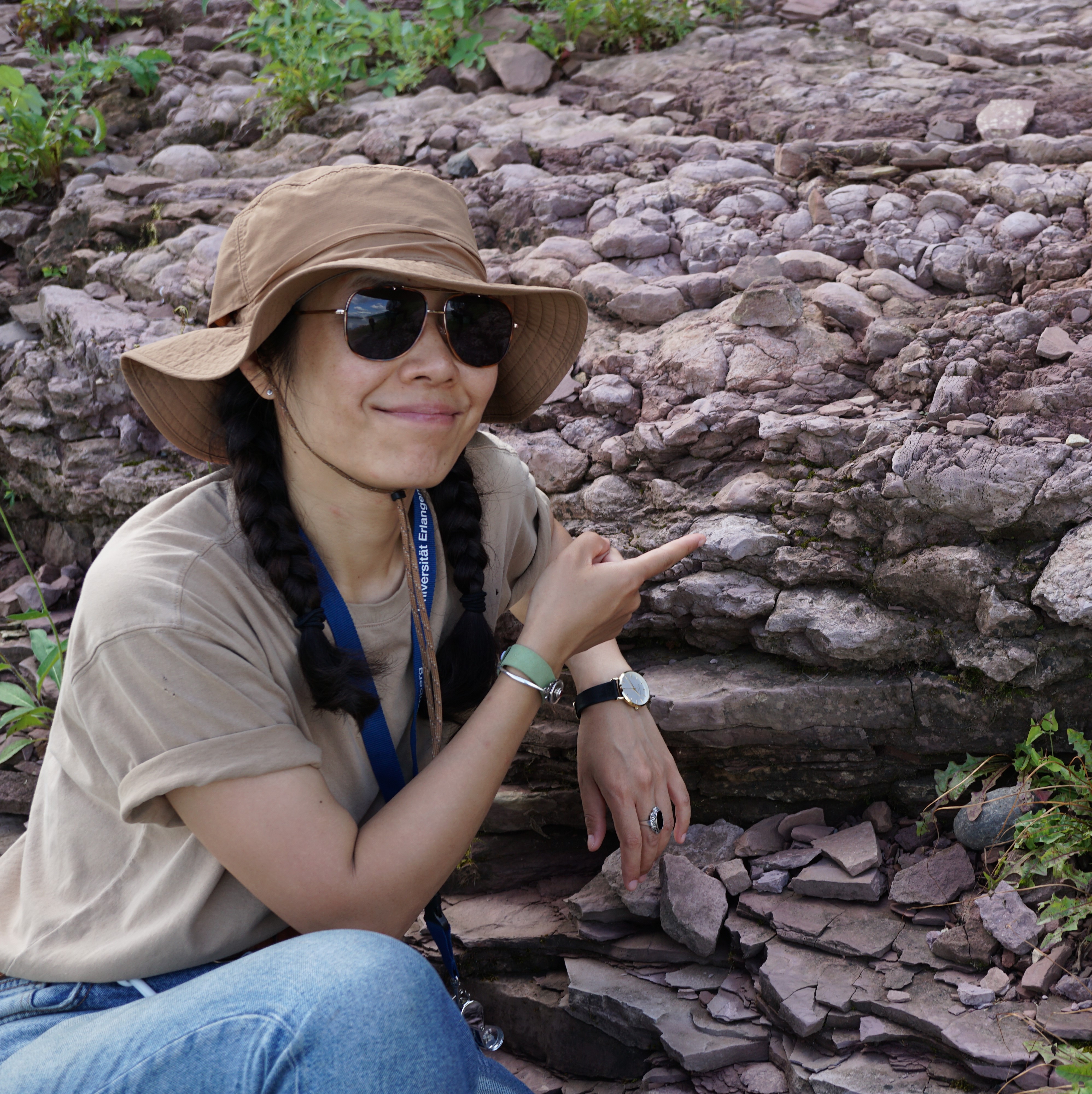
I am a palaeobiologist with interests in biodiversity informatics. My research mainly applies quantitative approaches to large-scale datasets to understand how marine biodiversity patterns have been shaped by ecological shifts and evolutionary processes throughout Earth’s history. I am particularly interested in early metazoan diversification, as well as analytical methods for assessing the robustness of diversity estimates. Alongside my work in database development and management, I am also committed to improving interoperability across biodiversity data infrastructures.
Daniel Redhead He/him
University of Groningen, Netherlands

Daniel Redhead is Assistant Professor of Sociology at the University of Groningen, where he studies the evolution of social behaviour, cooperation, and inequality in humans and other social species. His research combines social network analysis, longitudinal fieldwork, and statistical modelling to understand how social hierarchies and cooperative relationships emerge across diverse ecological and cultural settings. He is particularly interested in developing methodological tools for analysing complex social network data, including Bayesian and latent network models for human and animal societies.
Lucy Roberts She/her/hers
Natural History Museum, London, UK
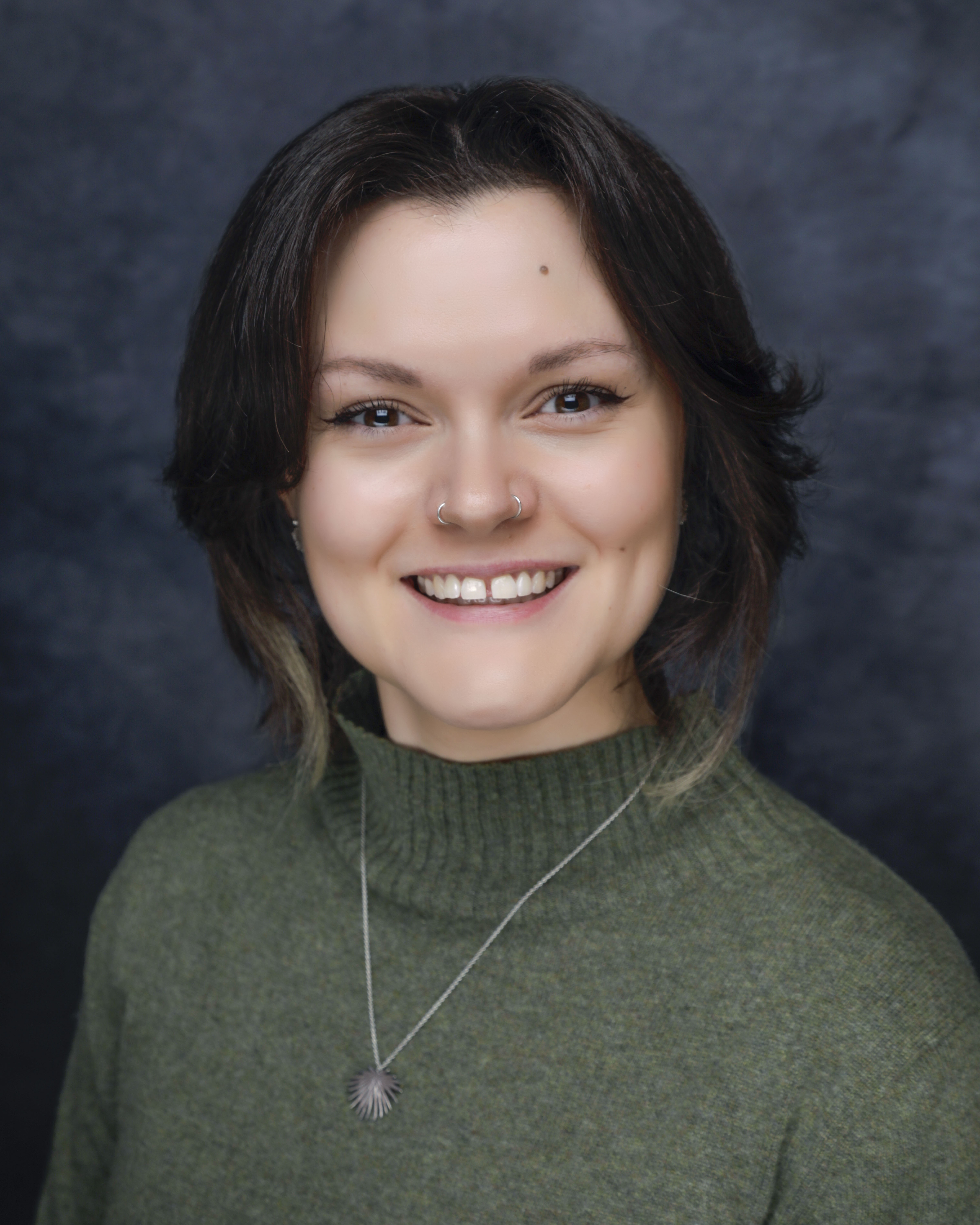
Lucy is an evolutionary biologist interested in the origins, drivers, and constraints of morphological diversity in vertebrates. Her principal research foci are the axial skeleton of tetrapods, especially reptiles, and the appendicular skeleton of domestic dogs and their relatives. Her expertise lies in morphological analysis, image segmentation, and phylogenetic comparative methods, and she has a particular interest in the ways in which our methodological choices impact our results and inferences.
Samuel R.P-J. Ross He/him
Kyoto University, Japan
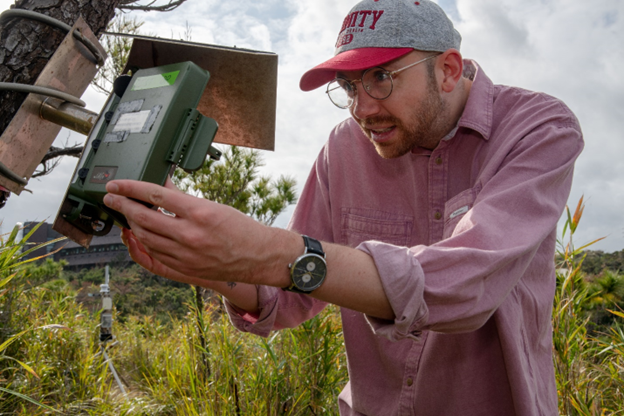
Sam’s research broadly aims to understand how ecological communities respond to global change, with a specific focus on ecological stability. Particularly, he develops methods and concepts around “response diversity” (variation in organismal responses to environmental change) and applies them to test classical diversity-stability theory. Sam works across a range of study systems, but often uses data derived from passive acoustic monitoring. In his current work, he’s focusing on using ecoacoustic data to measure and understand ecological resilience and other aspects of stability.
Naiara Sales She/her/hers
University of Salford, UK
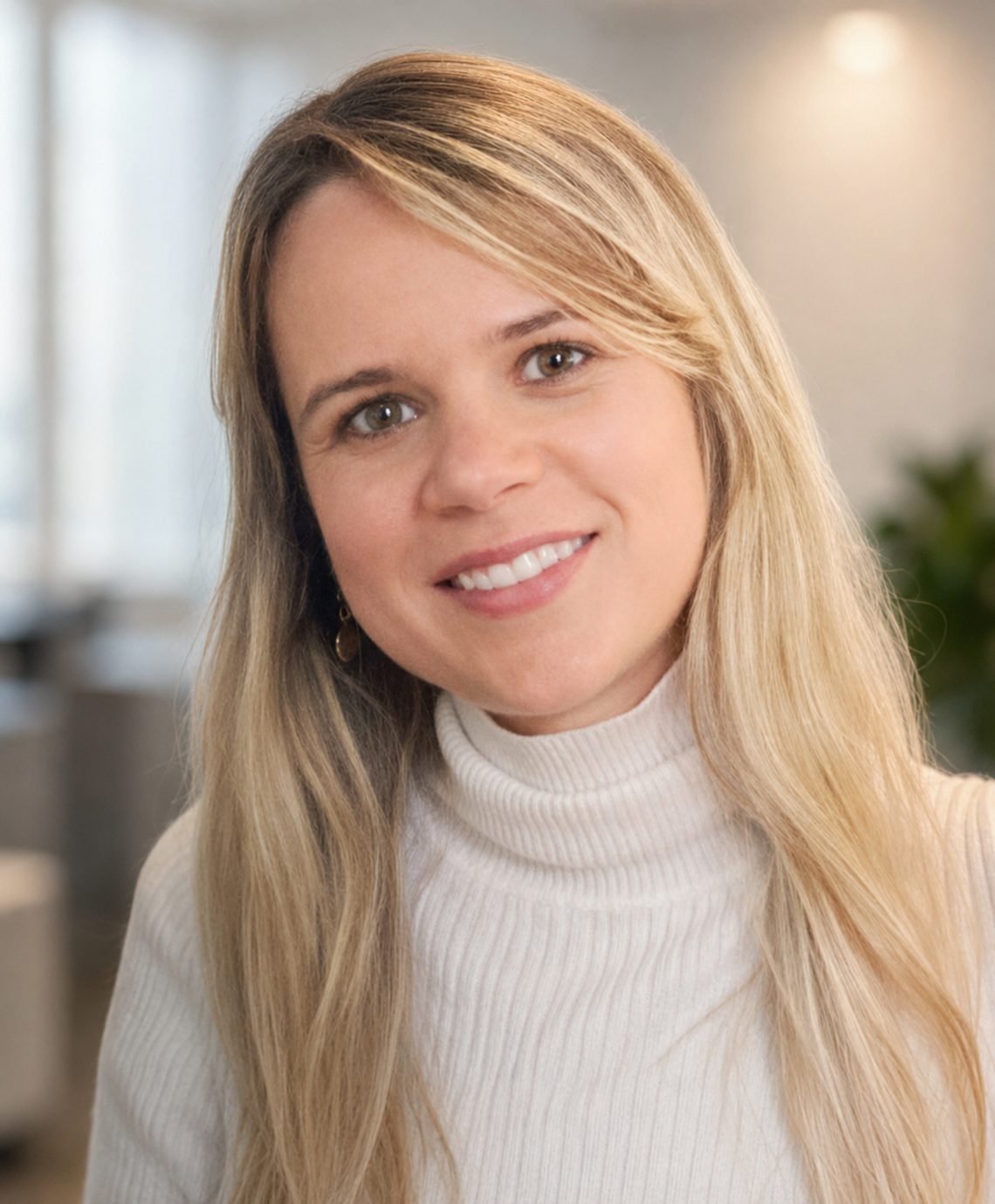
Naiara is a molecular ecology and environmental genomics researcher with expertise in DNA-based biodiversity monitoring, metabarcoding, eDNA/eRNA, and metagenomic approaches for wildlife and biodiversity conservation. Her work focuses on applying novel sequencing technologies to understand biodiversity, particularly across tropical and conservation-relevant systems.
Wiebke Sickel
Thünen Institute of Biodiversity, Germany
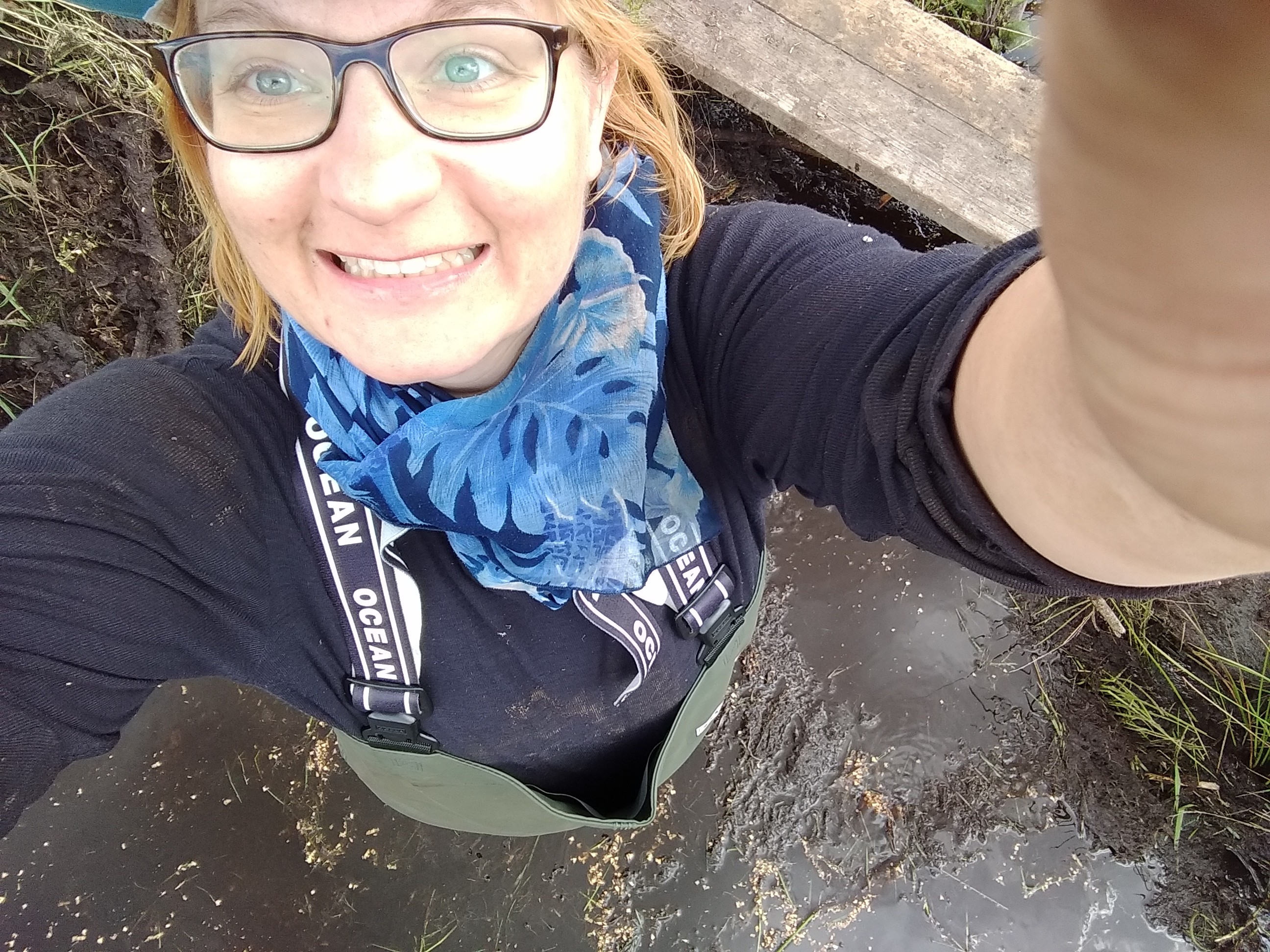
Wiebke is a molecular ecologist, leading a multidisciplinary lab that integrates molecular ecology, citizen science and modelling to understand wild bee (genetic) diversity, ecology and behaviour in agricultural landscapes. One of her research foci is (e)DNA-based wild bee monitoring with a particular emphasis on integrating DNA analysis with citizen science approaches. Her research combines high throughput DNA sequencing with robust bioinformatic pipelines to describe species communities, quantify (phylo-)genetic and functional diversity, and model species interaction networks.
Thiago Simon Marques
University of Sorocaba, Brazil
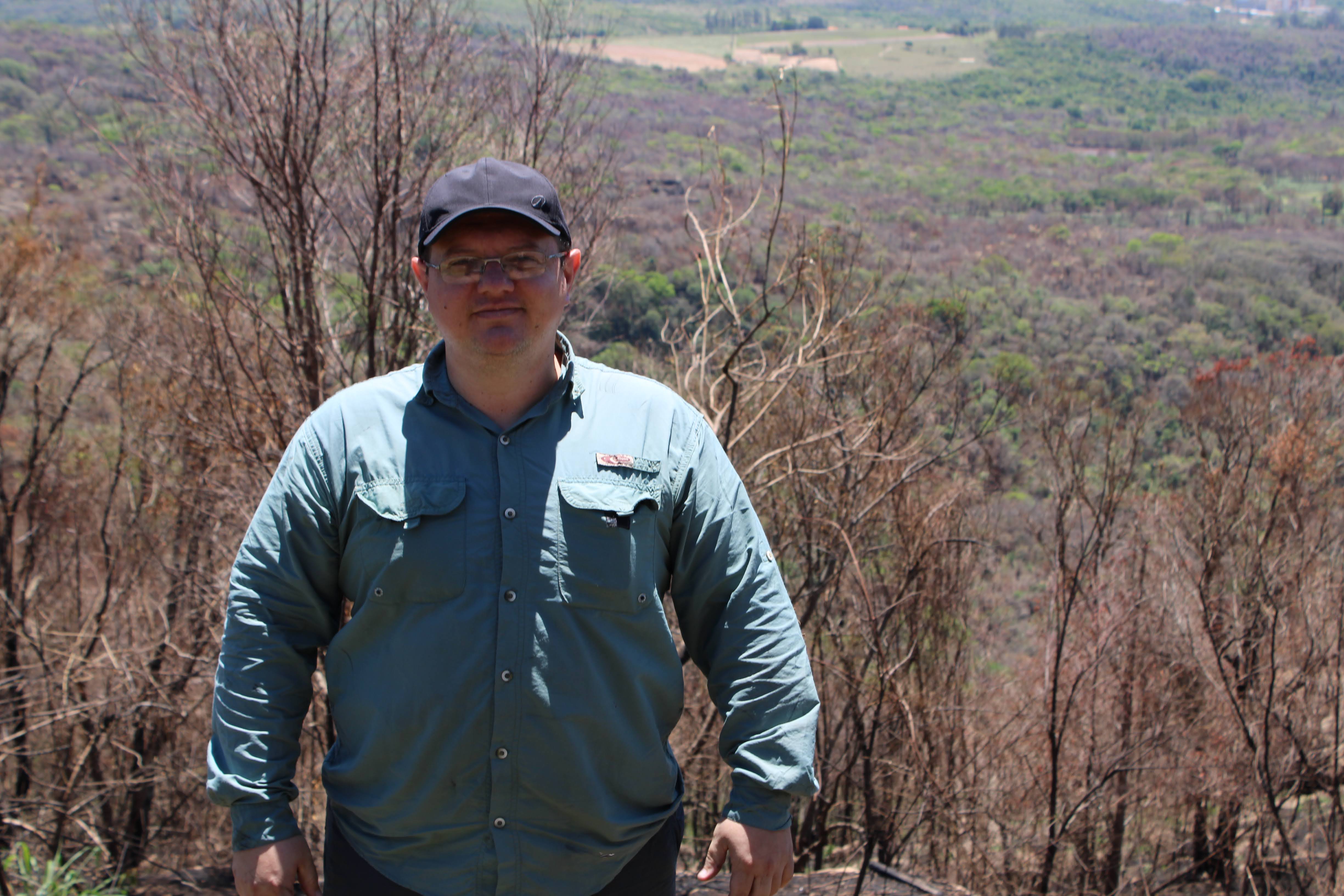
My research focuses on the application of stable isotope analysis to investigate trophic ecology, resource use, and ecological interactions across diverse ecosystems. My work integrates field-based sampling with quantitative approaches to understand dietary patterns, niche dynamics, and energy flow. I’m particularly interested in the development and application of robust methodological frameworks using stable isotopes to address ecological questions related to biodiversity, ecosystem functioning, and environmental change.
Tara Spencer-Drakes
Barbados Living Laboratory Inc., Barbados
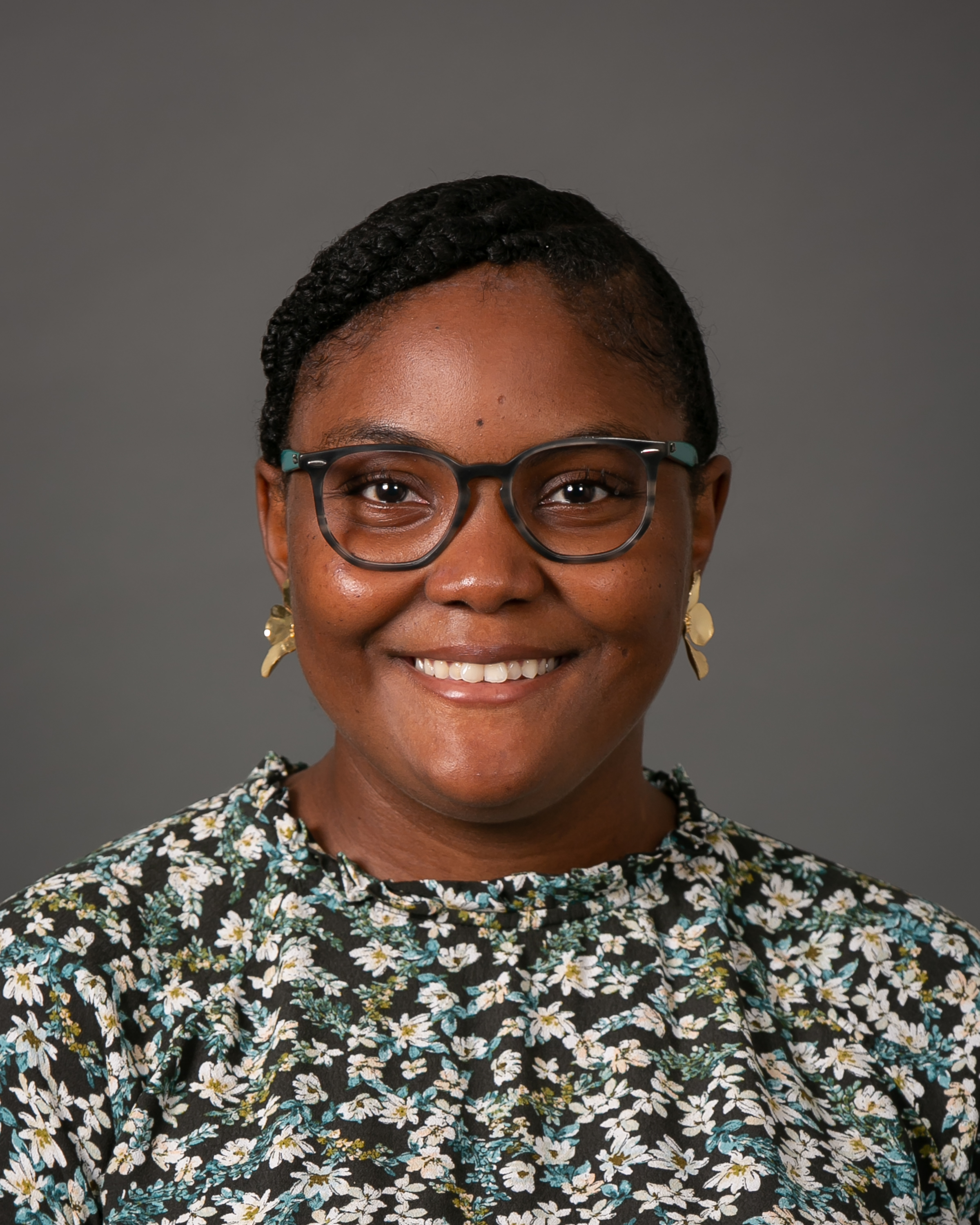
I am interested in how the interactions between bacteria, bacteriophages, and fungi shape microbial communities across natural and food-associated ecosystems. My research combines genomic, metagenomic, and functional genetic approaches to investigate microbial ecology, evolution, and community resilience. I am particularly interested in applying these tools to address public health challenges in the Caribbean, including noncommunicable diseases and other regionally important health issues.
Amy Sweeny She/they
University of Edinburgh, UK

I am an ecologist whose research combines empirical and computational approaches to understand the role of commensal and parasitic communities for the ecology and evolution of their hosts. My background lies in disease ecology, using field and experimental approaches to investigate how environmental variation shapes wildlife disease dynamics. In my current role as a University Research Fellow at the University of Edinburgh, my research asks how changing environments interact with wildlife microbiomes, how these relationships affect host fitness, and how generalisable they are across species.
Lauren Talluto She/her/hers
International Institute for Applied Systems Analysis, Austria
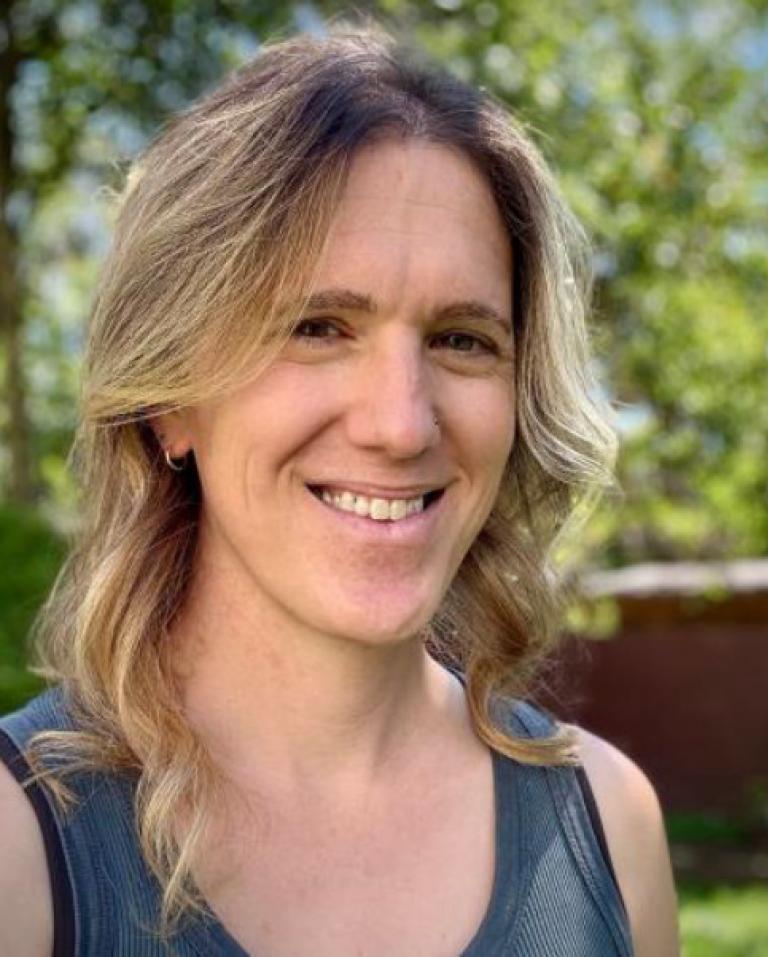
Lauren is an ecological modeller, focusing on biodiversity spatial scales ranging from (meta-) ecosystems to global. She is especially focused on how biodiversity in terrestrial and freshwater systems responds to stressors such as climate and land use change. Her work tends to blend mechanistic and statistical modelling techniques to address shortcomings in purely phenomenological models, often using Bayesian methods to integrate multiple modelling frameworks.
Orianne Tournayre
University of Montpellier, France
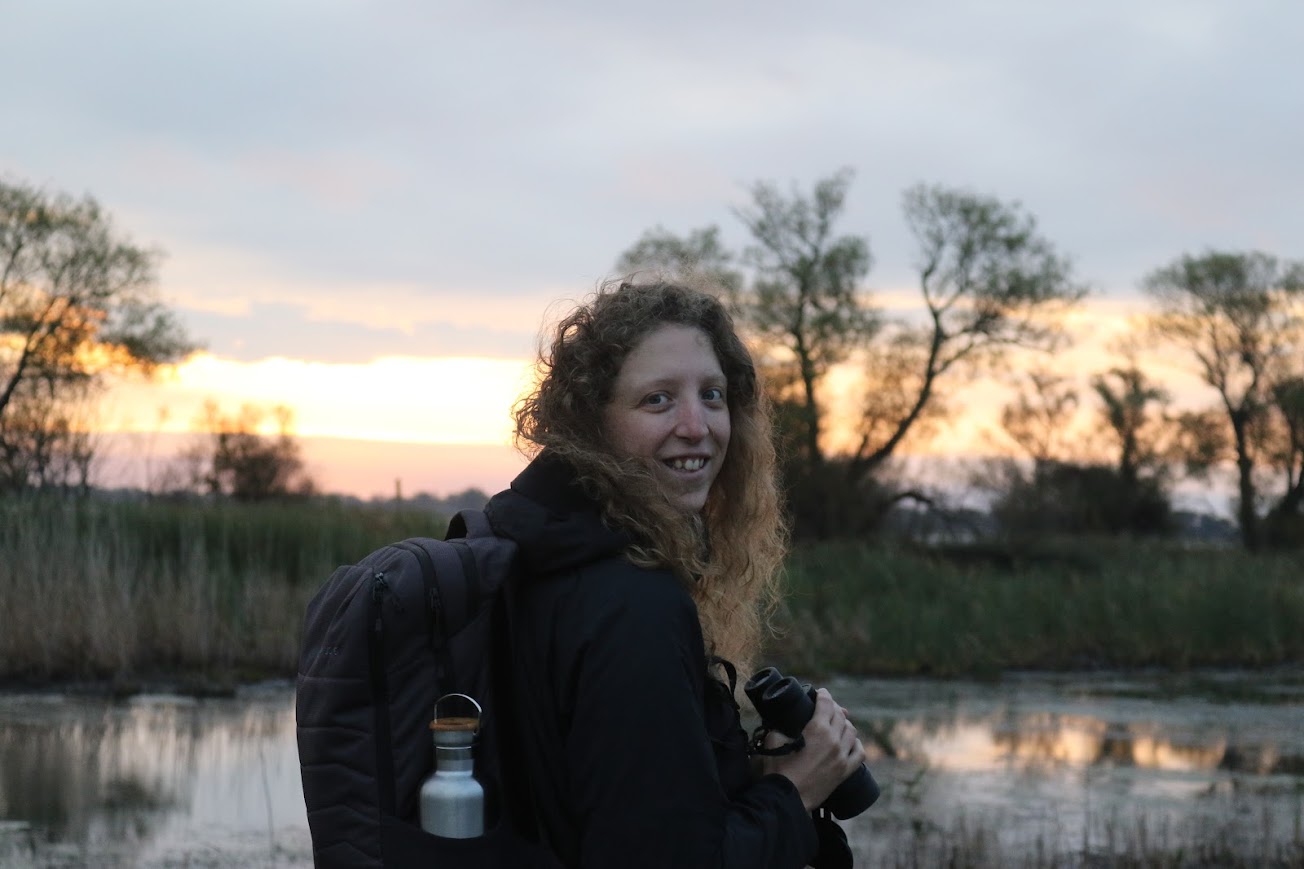
Orianne is a molecular ecologist specializing in community ecology, with a focus on understanding how human activities impact biotic communities. She develops and applies eDNA-based approaches – including metabarcoding, qPCR, and ddPCR – using air, water, and fecal samples to assess biodiversity across aquatic and terrestrial ecosystems, spanning multiple biological levels and spatial scale
Ravi Umadi
Technical University of Munich, Germany
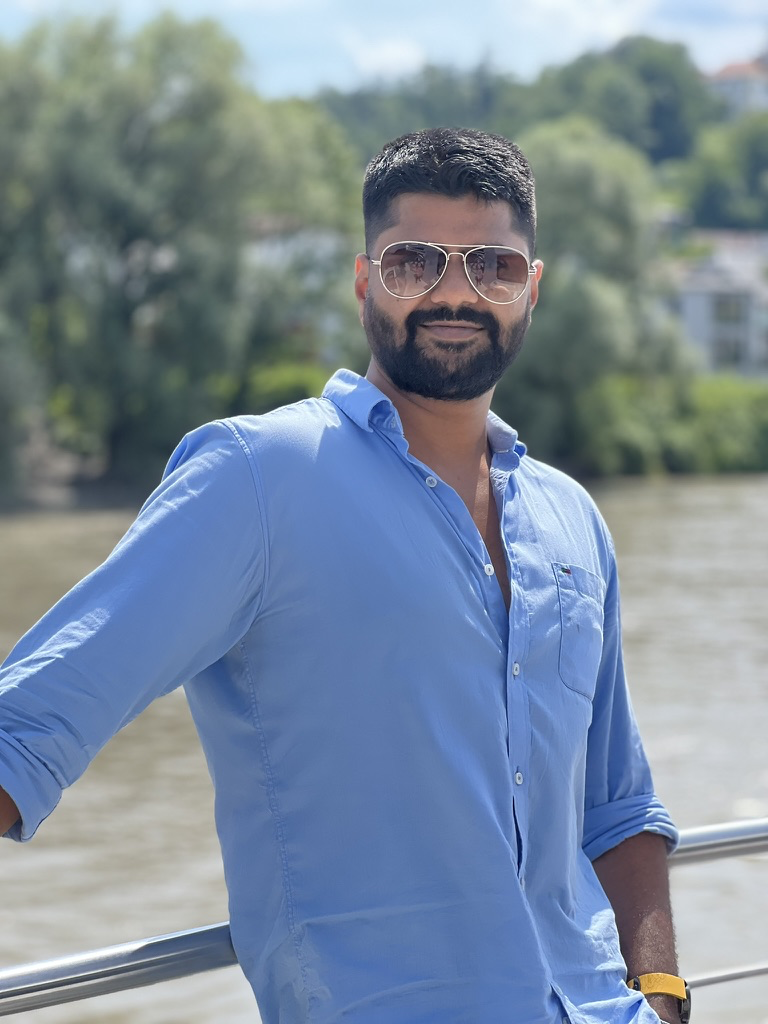
Ravi’s research in behavioural bioacoustics integrates laboratory and field studies of ultrasound, alongside the development of hardware, software, and open-source tools that advance data collection and analysis. His primary focus is bat echolocation, including biosonar dynamics, acoustic and temporal control, beam projection modelling, sensory processing, and behavioural coordination. He also develops mathematical and signal-processing approaches to complex behavioural systems, drawing connections between physics and biology.
Sishuo Wang
The Chinese University of Hong Kong, Hong Kong

My research lies at the intersection of molecular evolution, bioinformatics, and statistics. I am particularly interested in developing statistical models and computational methods for phylogenetic inference, molecular clock dating, and comparative analyses, and in applying these approaches to study the evolution of diverse microbes, including their adaptation to different environments and biodiversity across lineages and timescales.
Cai-qing Yang
Capital Normal University, China
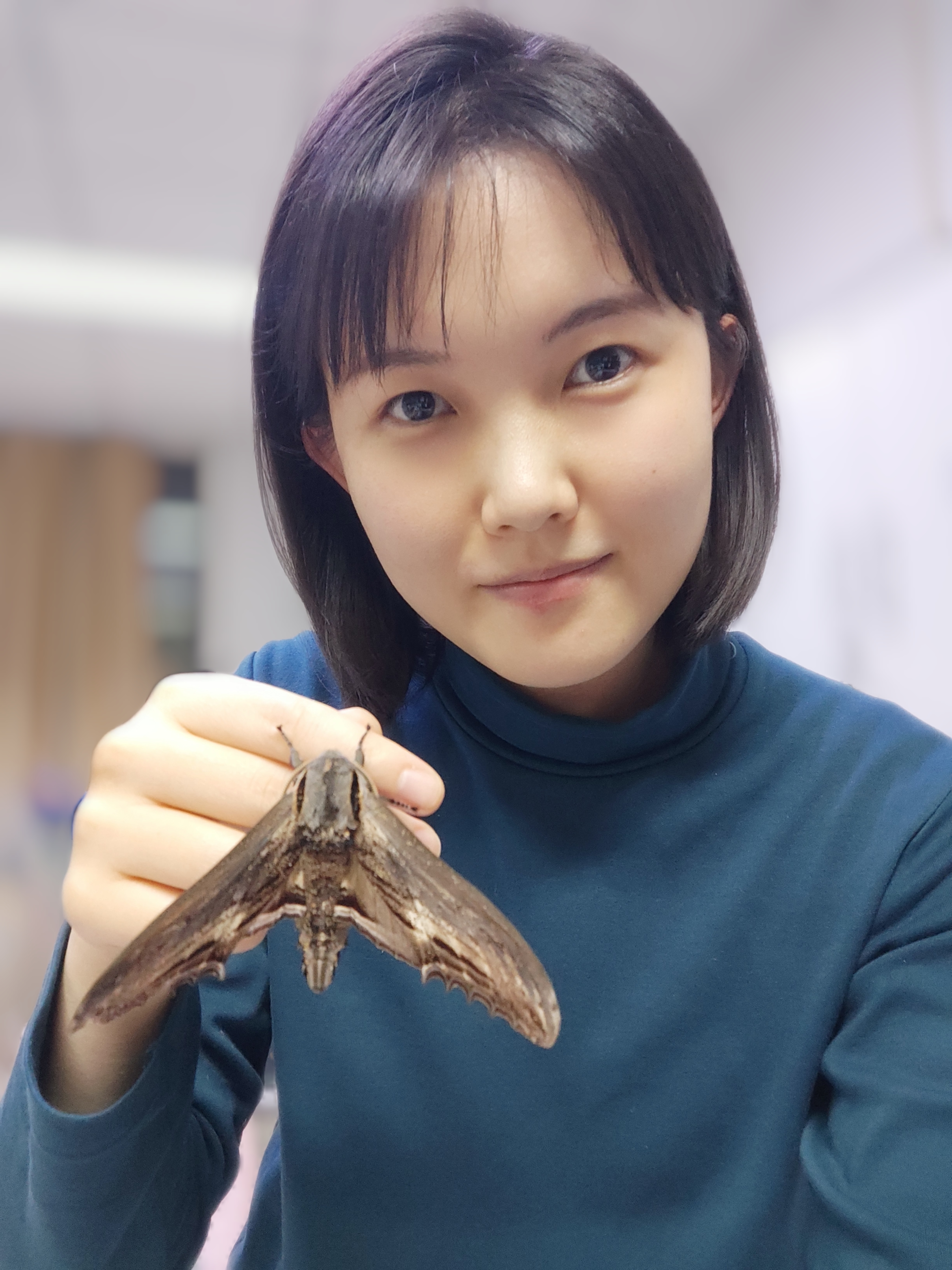
We want to conduct research on the biodiversity of Lepidopterans by developing integrated taxonomic intelligent recognition algorithms. By combining multi-omics sequencing analysis, community ecology, and molecular biology approaches, we seek to understand the defensive interactions between Lepidopterans and their host plants, as well as the arms race between Lepidopterans and their predators, bats, which constitute a ‘plant-insect-predator’ three-trophic-level interactive relationship.
Wei Zhang
University of Sydney, Australia
Wei’s research interest lies in ecological modelling and statistical computing. More specifically, Wei’s work focuses on modelling mark-recapture and spatial capture-recapture data, and developing efficient model-fitting methodology (Bayesian or frequentist) for complex hierarchical models.Wei also contributes to a few general-purpose / ecological software packages including nimble, nimbleQuad, and nimbleSCR.
Lei Zhao
China Agricultural University, China
Lei is a theoretical ecologist. His research is driven by a fundamental curiosity about the mechanisms that govern biodiversity and stability in ecological systems. His work integrates mathematical modeling, network theory, and empirical data analysis to address questions in three core areas: ecological networks and food web dynamics, biodiversity and community stability, and response of ecosystems to climate change.

