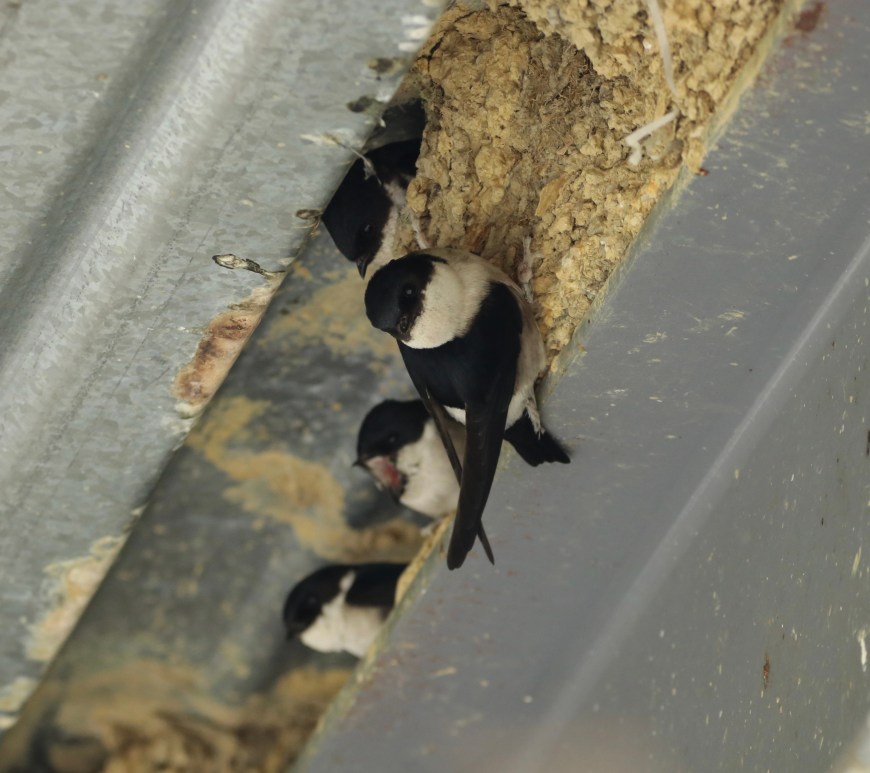
Look inside: a handy tool for casting the enclosed nest structure of birds

Post provided by Jing-Chia Guo. To understand something, we often describe its appearance and shape: The ball is round, the can is cylinder, and the pillow is kind of rectangle. However, most natural creatures are irregular in shape, so it’s difficult for people to quantify or define them. Sometimes, scientists are even unable to get their hands on the objects they need, and that is … Continue reading Look inside: a handy tool for casting the enclosed nest structure of birds

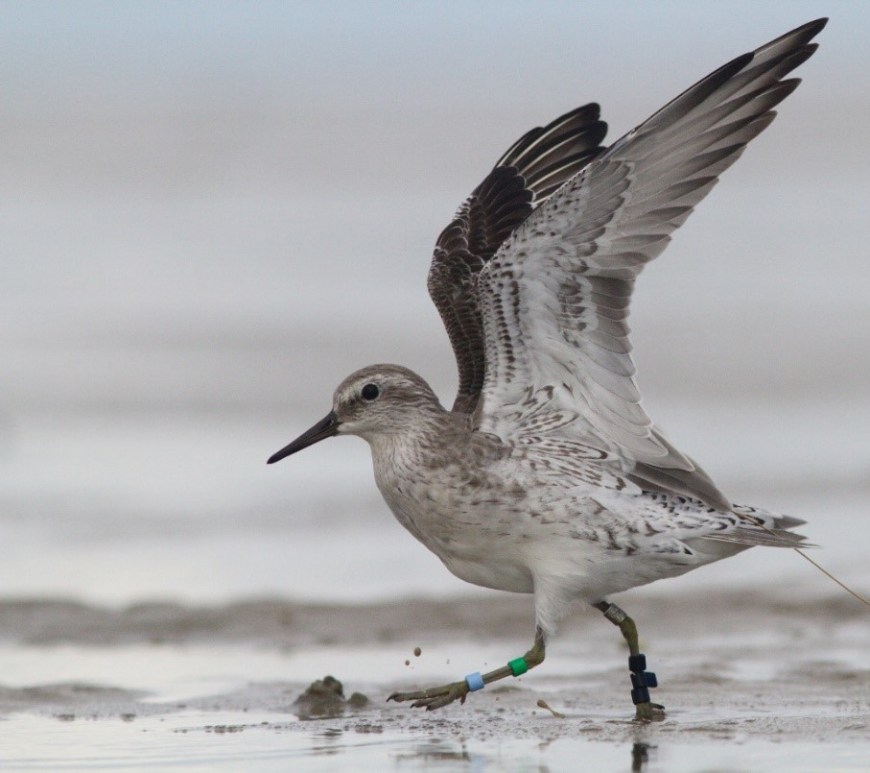
For worse and for better: the complicated marriage between biologging and wild animal welfare

Post provided by Michaël Beaulieu A cold Encounter in the Wild When talking about animal welfare to scientists who commonly use biologging tools to monitor the behaviour or physiology of wild animals in an ecological or conservation context, I have noticed that the first thing that usually comes to mind for them is the unwanted impact that biologging may have on animal welfare. Much has … Continue reading For worse and for better: the complicated marriage between biologging and wild animal welfare

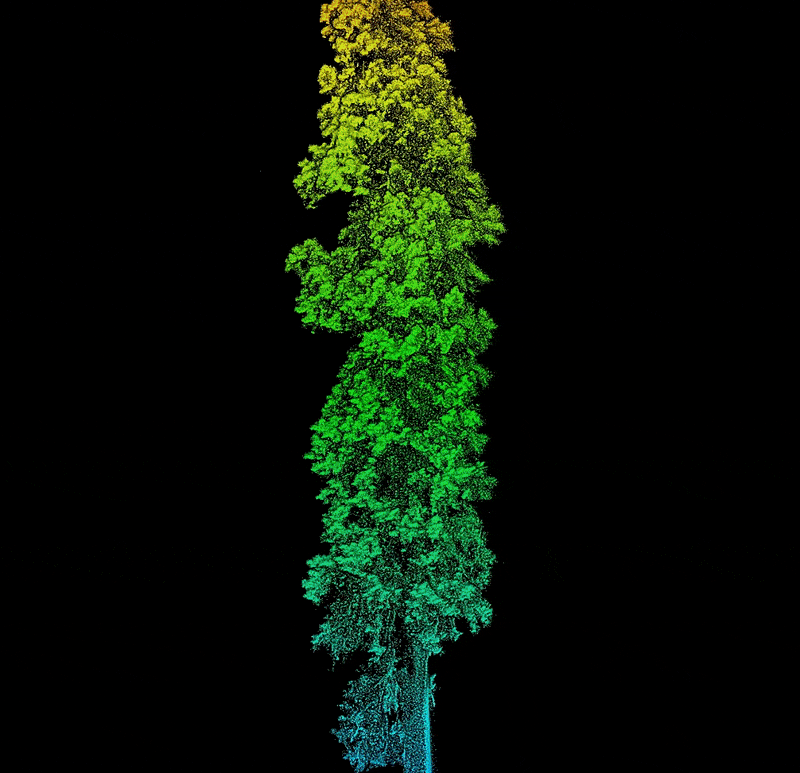
Unveiling Earth’s Giants: A Lidar-Based Journey into Asia’s Tallest Trees

It has been a few weeks since the 15th Chinese Symposium on Biodiversity Science and Conservation, where the first “Seminar on Methods in Ecology and Evolution in China” was held. In these blog posts, we hear from some of the winners of the “Outstanding Young Scholar Award in Ecological and Evolutionary Methodology in China”. Here, winner Yu Ren discusses their presentation ‘Discovering and measuring giant … Continue reading Unveiling Earth’s Giants: A Lidar-Based Journey into Asia’s Tallest Trees

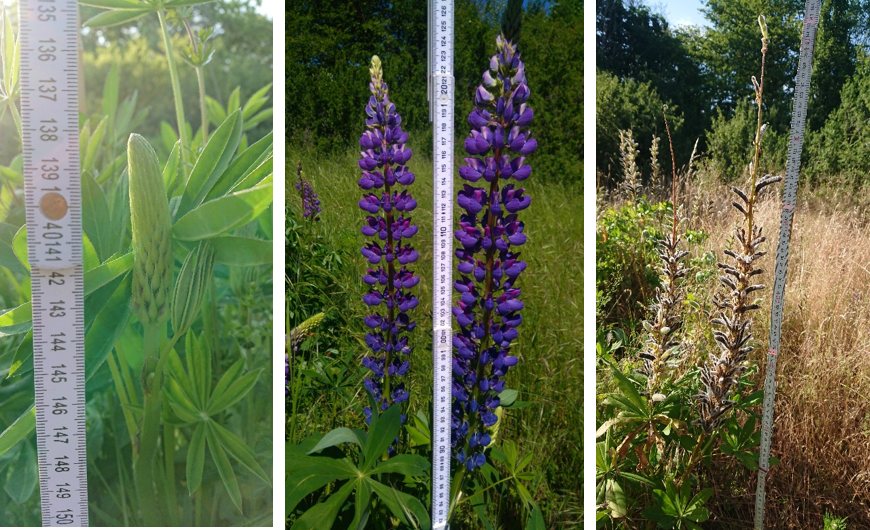
Using citizen science photos to perform phenological studies

Post provided by Yves P. Klinger (he/him)

Photos collected by citizen scientists are a rich source of information that is still relatively unexplored. Phenology, the study of recurring biological events, could make use of photos taken by citizen scientists at different times, but accessing and preparing the plethora of publicly available data is challenging. In this post, Yves P. Klinger describes the motivation behind developing a workflow for using citizen science photos for phenological research, as featured in the paper “iPhenology – using open-access citizen science photos to track phenology at continental scale”.

Continue reading “Using citizen science photos to perform phenological studies”

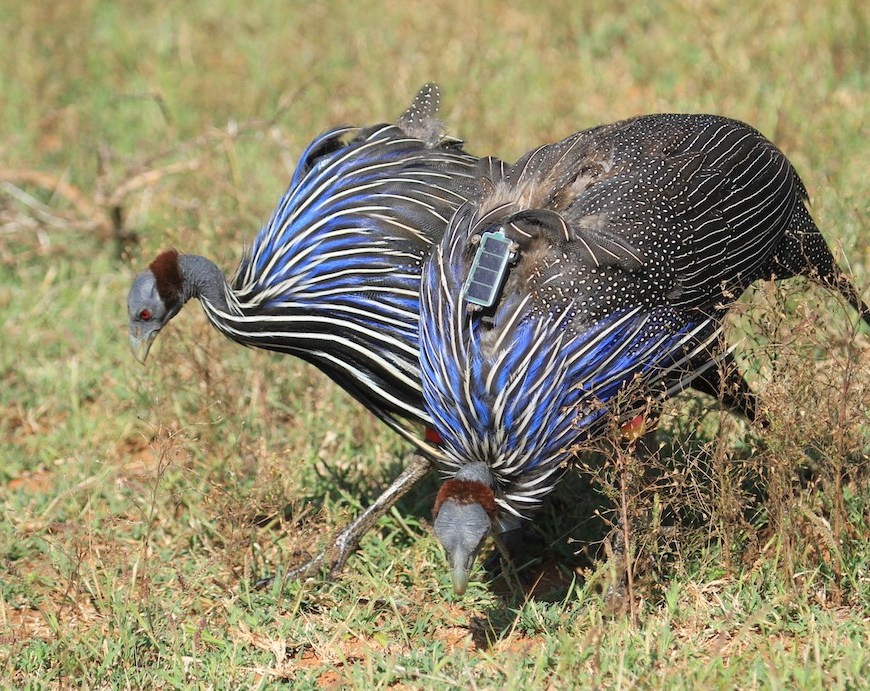
A guide to sample design for GPS-based studies in animal societies

Post provided by Charlotte Christensen (she/her) and Damien Farine (he/him)

Miniaturisation of technology has made GPS tags increasingly accessible for studying animal behaviour. However, limitations in battery life introduces challenging trade-offs in data collection. In this blog post, Charlotte Christensen and Damien Farine discuss how these sampling trade-offs can impact studies that use GPS tags to study social animals.

Continue reading “A guide to sample design for GPS-based studies in animal societies”

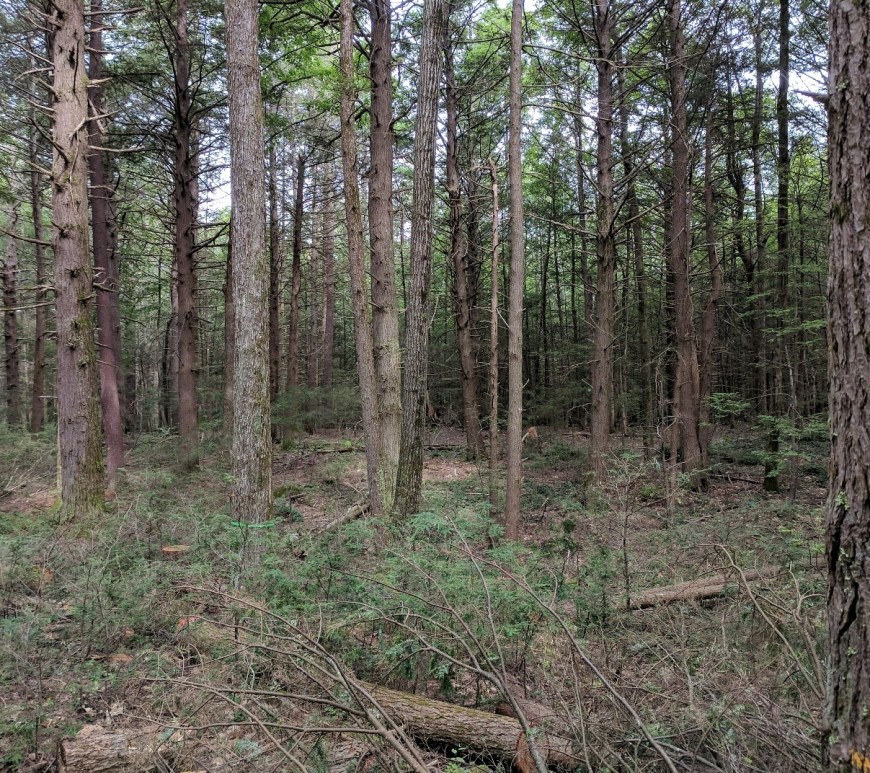
Reconsidering how we measure forests with LiDAR

Post provided by Jeff W. Atkins (he/him)

Ecological researchers have adopted light detection and ranging (LiDAR) as a means of quantifying ecosystem structure over the past 25+ years. This is especially true in forest-related research, as LiDAR provides the ability to estimate ecosystem structure with incredibly fine detail, over broad areas. LiDAR can work at the scale of individual trees—for example crown delineation algorithms that identify singular tree canopies—or the stand-level with aggregate structural metrics. In this blog post, Jeff shares insight from he and his co-author’s recent publication “Scale dependency of LiDAR-derived forest structural diversity,” which proposes that using LiDAR requires statistical reassessment to ensure we are measuring what we think we are.

Continue reading “Reconsidering how we measure forests with LiDAR”

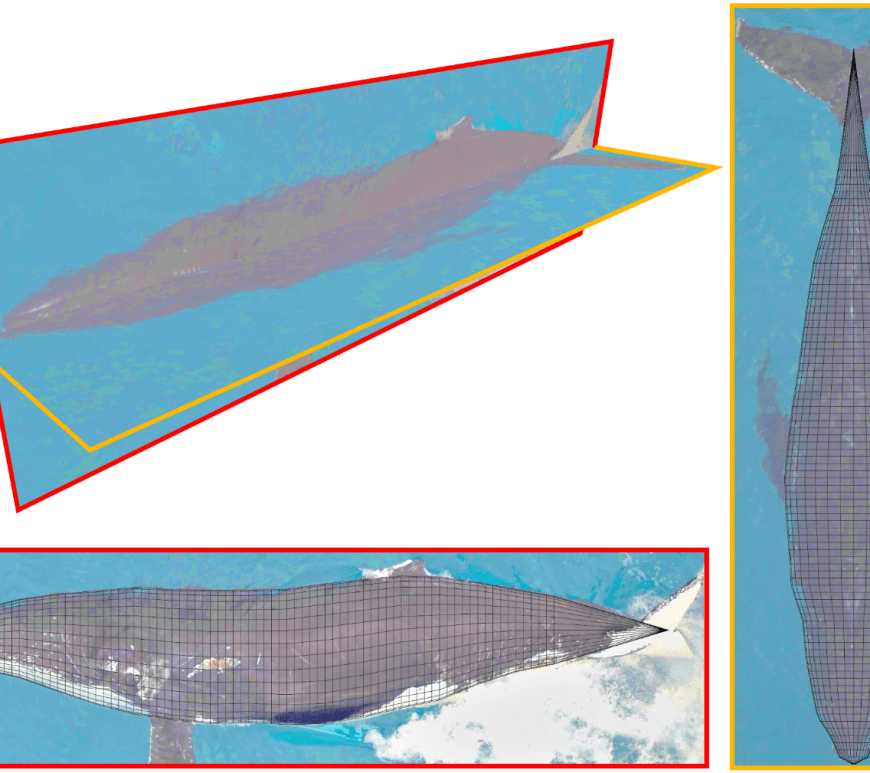
How to weigh a whale

Post provided by Nathan Hirtle (he/him)

A whale’s size not only provides information on its own health, but also the status of the marine ecosystem in which it lives. So how do scientists weigh the biggest creatures on planet? In this blog post, Nathan Hirtle shares insight from his recent paper on measuring the volume of whales using drone images.

Continue reading “How to weigh a whale”

Understanding climate change through animal song

Post provided by Diego Llusia (he/him), Camille Desjonquères (she/her) and Sara Víllen-Peréz (she/her)

Many species produce sound as a means of communication, emitting calls or songs to broadcast information to others in the surrounding area. In this blog post, Diego Llusia, Camille Desjonquères, and Sara Víllen-Peréz discuss their research on recording animal calls and how these soundtracks can be used to help monitor the impacts of climate change. 

Continue reading Understanding climate change through animal song

ATLAS: a regional-scale tracking system

Post provided by Christine Beardsworth

Tracking the movement of animals is important for informing conservation practices but can present logistical obstacles, especially when attempting to track smaller species with large GPS tags. Using existing technologies in new ways may help overcome these obstacles and provide alternative approaches for accurately tracking large numbers of relatively small sized species. In this blog post, Christine Beardsworth discusses findings from her recent Methods in Ecology and Evolution paper “Validating ATLAS: a regional-scale, high-throughput tracking system”.

Continue reading “ATLAS: a regional-scale tracking system”

Tracking harbour porpoises around gill nets

Post provided by Jamie Macaulay Entanglement in net fisheries (static and drift) is the largest known cause of direct anthropogenic mortality to many small cetacean species, including harbour porpoise (Phocoena phocoena), in UK waters. Despite this, little is known about the behaviour of small cetaceans in proximity to nets. In this blog post, Jamie Macaulay discusses the findings of his Methods in Ecology & Evolution … Continue reading Tracking harbour porpoises around gill nets