Post fornecido por Catarina Vila Pouca. This post is also available in English Olá! O meu nome é Catarina Vila Pouca e investigo como e por que razão os animais apresentam diferentes comportamentos e formas de aprendizagem. Sempre tive uma paixão por tubarões e pela natação, e por isso, ao longo da minha carreira, foquei-me principalmente em estudar tubarões e peixes. O meu projeto mais … Continue reading Para além do laboratório: estudar aprendizagem em peixes directamente no meio selvagem
This post is also available in English 2024年9月24日,首届“生态与进化生物学方法讨论会(暨生态学期刊交流会)”在河南农业大学龙子湖校区举行。此次会议依托于第十五届全国生物多样性科学与保护研讨会,由中国科学院动物研究所乔慧捷研究员主持,Methods in Ecology and Evolution杂志高级编辑Natalie Cooper和来自国内的各个领域内专家屈延华、练琚愉、赖江山、斯幸峰、刘春龙、徐武兵等莅临出席。 来自国内多所著名高校及科研机构的青年学者们分享了各自在生态与进化生物学方法研究领域的最新成果,形式丰富,内容精彩。与会专家从科研素养、报告能力等方面对参会报告进行了综合评价。最终,北京大学刘金博士(报告题目:基于个体模型探究迁徙物种的时间生态位共存)、北京大学任淯博士(报告题目:三维视角下巨树寻找与测量的方法学讨论)、西交利物浦大学邹怡博士(报告题目:rarestR: an R package using rarefaction metrics to estimate α- and β-diversity for incomplete samples)、中国科学院武汉植物园黄猇同学(报告题目:“假毛虫”无法反应真实生物互作—人本位的实验设计偏差)荣获由中国科学院生物多样性委员会与Methods in Ecology and Evolution杂志联名颁发的首届“生态与进化生物方法学优秀青年学者”奖。Natalie Cooper教授与赖江山教授共同为获奖者颁发了奖项与纪念品,以鼓励他们在生态与进化生物学方法领域的创新与探索。 除学术报告外,Natalie Cooper还详细介绍了英国生态学会(BES)旗下期刊的相关信息,以及如何在这些期刊上成功投稿及发表学术论文的关键要点。中国科学院植物研究所文献中心主任周玉荣介绍了植物研究所下属期刊在数据共享及科研出版方面的探索与实践,分享了促进科研数据开放与透明的经验。与会者围绕这些话题进行了深入讨论。 本次会议旨在为生态与进化生物学方法研究领域的学者搭建高水平的学术交流平台,促进该领域的研究合作与成果共享。研讨会的主要组织者乔慧捷研究员对“生态与进化生物学方法讨论会”的未来充满期许,期望会议能实现常态化,吸引更多学者参与,共同推动生态与进化生物学方法学的持续发展与进步。 Continue reading 首届“生态与进化生物学方法讨论会”成功举办
Pasaste meses laboriosamente colectando datos de artículos científicos acerca de tu pregunta favorita, tienes decenas de artículos perfectamente organizados en una base de datos, ya encontraste el programa o código para analizar los datos, y entonces imaginas como tu publicación va a ser la más citada en tu campo de investigación mientras haces unos gráficos lindísimos. Si esto te suena familiar, seguramente has hecho un meta-análisis. Un meta-análisis usa modelos estadísticos para combinar datos de distintas publicaciones para responder a una pregunta específica.
Lo que quizás no te diste cuenta mientras navegabas los pasos del meta-análisis, es que pequeñas decisiones (a veces pareciendo de muy poca importancia) pueden tener grandes efectos en los resultados. Si quieres saber más acerca de una de estas decisiones en particular… ¡sigue leyendo!
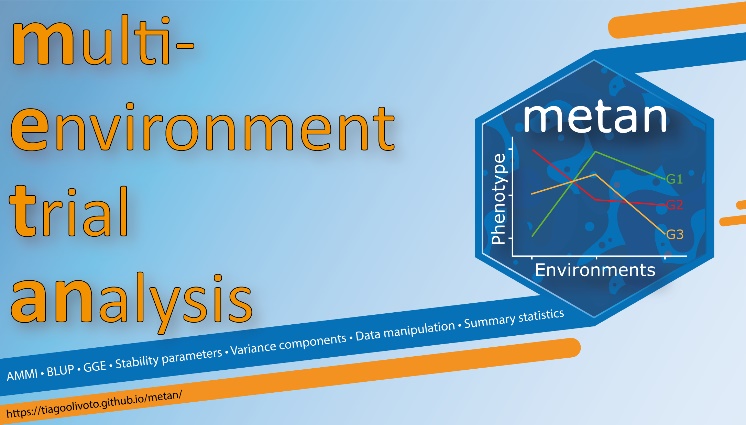
Em nosso recente artigo na Methods in Ecology and Evolution, Alessandro D. Lúcio e eu descrevemos um novo pacote R para análise de ensaios multi-ambientes chamado metan. Ensaios multi-ambientes são um tipo de ensaio em programas de melhoramento de plantas, onde vários genótipos são avaliados em um conjunto de ambientes. A análise desses dados requer a combinação de várias abordagens, incluindo manipulação, visualização e modelagem de dados. A versão estável mais recente do metan (v1.5.1) está disponível agora no repositório CRAN. Então, pensei em compartilhar a história da minha primeira incursão no uso do R criando um pacote e submetendo um artigo para uma revista que nunca havia submetido antes.
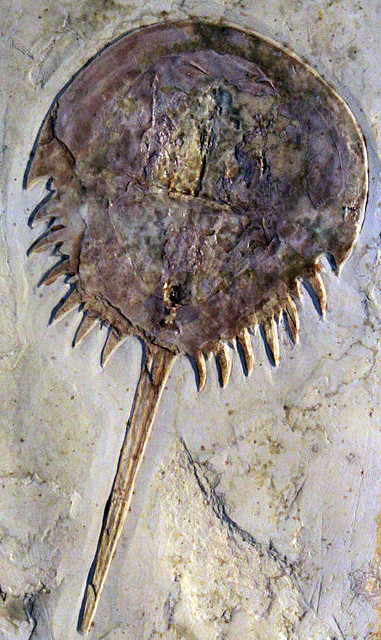
Fóssil de caranguejo-ferradura (Museu de História Natural de Berlin)
Há alguns dias, me deparei com um interessante vídeo sobre os chamados “fósseis vivos”. O vídeo focou mais nos problemas de usá-los como argumentos contra a teoria da evolução, e aproveitei a oportunidade para falar mais sobre essas linhagens longevas.
‘Fóssil vivo‘ é um termo usado para descrever linhagens que acredita-se terem se originado há muito tempo e que mantêm características que se assemelham a seus parentes fósseis. Alguns exemplos bem conhecidos dessas linhagens são os Tuatara da Nova Zelândia (Sphenodon punctatus) e as árvores Gingkos (Gingko biloba).
Fossil of a Horseshoe crab (Museum of Natural History Berlin)
A couple of days ago I came across a nice video (in Portuguese only, sorry) about so-called “living fossils”. The video focused on the problems of using them as arguments against evolution. But I’d like to take the opportunity to talk more about these long-lived lineages.
‘Living fossil’ is a term used to describe lineages that are thought to have been around for a very long time and retain characteristics that resemble of their fossil relatives. A couple of well-known examples of these lineages are the Tuatara of New Zealand (Sphenodon punctatus) and the Gingko tree (Gingko biloba).
Climate change is threatening biodiversity and ecosystems around the world. We urgently need to better understand how species and ecosystems respond to these changes. There are already thousands of climate change experiments and observational studies out there that could be used to synthesise findings across systems and regions. But it turns out that making meaningful syntheses isn‘t always so straightforward!
The Need for Standardised Methods and Reporting
There are two major challenges (and some minor ones too) for synthesising data across different experiments. First, the data are not always available. This problem arises because key study information – such as metadata, covariates or methodological details – are often not adequately or consistently reported across studies.
The second problem is that scientists use different protocols. This leads to a diversity of ways of measuring and quantifying the same variables. Different protocols may measure or report the same variables in slightly different ways, so the data are not compatible. Consistency in measurements and protocols is one reason why working in large networks – such as ITEX, Herbivory, or NutNet – to name only a few, is so powerful. In these networks, experiments and observations are repeated across large regions or worldwide using strict protocols for experimental design and measurements. Continue reading “Standardising Methods in Climate Change Experiments: A Community Effort”
Michael Phelps yw un o’r athletwyr Olympaidd mwyaf clodfawr erioed, ynghyd â’r nofiwr cyflymaf yn y byd. Ac eto, gallai nofio’n gyflymach. Gan wisgo siwt arbennig LZR Racer Speedo, gallai Michael Phelps leihau’i lusgiad hydrodynamig, neu’i wrthiant dŵr, 40% neu fwy. O ganlyniad gallai ei gyflymdra nofio gynyddu dros 4%! Mewn cystadleuaeth, dyna’r gwahaniaeth rhwng gwobrau arian ac aur. Ond, petai Phelps yn anghofio tynnu’i “hosanau llusgo” – sef hosanau rhwystrus a ddyluniwyd i gynyddu gwrthiant dŵr er mwyn cynyddu cryfder y nofiwr – caiff ei gyflymder ei leihau’n sylweddol. Byddai’n ffodus i ennill gwobr efydd!
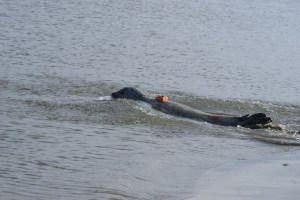
Mae nofwyr proffesiynol yn gyfarwydd â defnyddio technolegau i wella eu perfformiad drwy leihau eu llusgiad ond ni all hynny gymharu â’r addasiadau a wnaed gan anifeiliaid gwyllt. Mae creaduriaid yn y môr wedi esblygu addasiadau anghredadwy i leihau llusgiad, megis lliflinio eithafol mewn mamaliaid ac adar y môr. Mae hyn yn eu galluogi i symud dan y dŵr mor gyflym ac effeithlon â phosib. Mae morloi, er enghraifft, yn eithaf afrosgo ar y tir ond maent yn osgeiddig ac yn gyflym o dan y dŵr. Mae siâp eu cyrff wedi’i ddylunio er mwyn iddynt symud yn gyflymaf pan fyddant yn nofio.




 Methods Blog