What the Past Can Tell Us About the Future: Notes from Crossing the Palaeontological – Ecological Gap

Post provided by Karen Bacon

I had the pleasure of delivering one of the plenary talks at the first (hopefully of many) Crossing the Palaeontological – Ecological Gap meeting held in the University of Leeds on August 30th and 31st. I’m a geologist and a botanist, so this is a topic that’s close to my heart and my professional interests.

How Palaeoecology Can Help Us Today

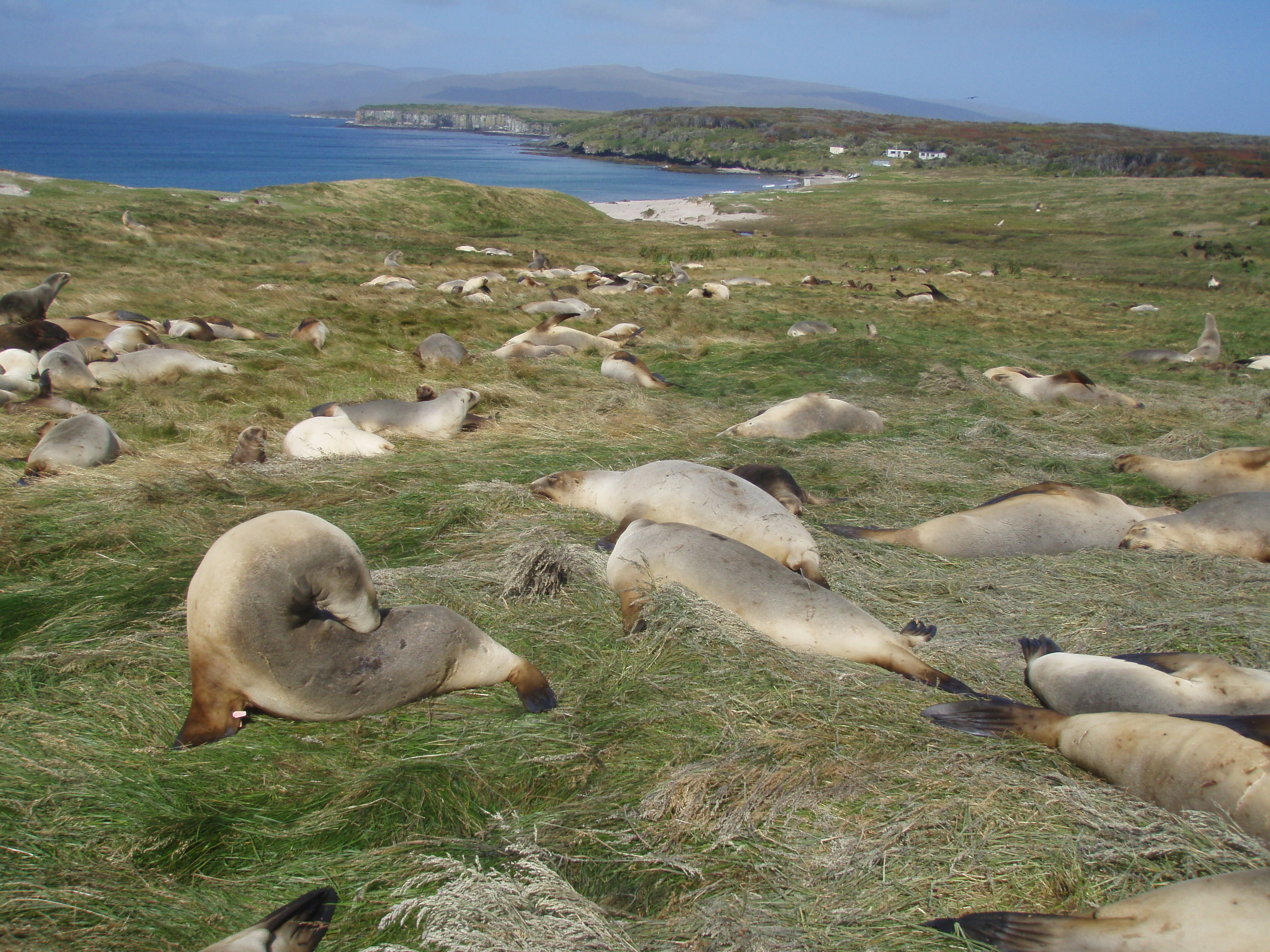
©Gail Hampshire
©Gail Hampshire

As we move into an ecologically uncertain future with pressures of climate change, land-use change and resource limitations, the fossil record offers the only truly long-term record of how Earth’s ecosystems respond to major environmental upheaval driven by climate change events. The fossil record is, of course, not without its problems – there are gaps, not everything fossilises in the same way or numbers, and comparisons to today’s ecology are extremely difficult.  It’s these difficulties (and other challenges) that make the uniting of palaeontology and ecology essential to fully address how plants, animals and other organisms have responded to major changes in the past. Perhaps uniting them could give us an idea of what to expect in our near-term future, as carbon dioxide levels return to those not previously experienced on Earth since the Pliocene, over 2 million years ago. Continue reading “What the Past Can Tell Us About the Future: Notes from Crossing the Palaeontological – Ecological Gap”

Poles Apart Yet Poles Together

Post provided by Matt Davey

Earlier this summer, I attended a rather unique conference – Polar2018 in Davos, Switzerland. This conference brought together the two major committees that help govern and coordinate Arctic, Alpine and Antarctic research around the globe – the Scientific Committee for Antarctic Research (SCAR) – who also celebrates their 60th Anniversary this year – and the International Arctic Science Committee (IASC).

With nearly 2500 delegates over one week it was impressive how talks and sessions kept to time, posters went up and came down, and coffee (good coffee, served with correctly cooked croissants!) was served. The level of organisation you’d hope to see at all conferences, big or small. The venue for Polar2018 was also home to the G7 world economic forum summits and staff seemed at ease with only having 2500 delegates to deal with…

From day one, there was persistent message throughout the conference. Not only does the rest of the human populated world affect the polar environments, but in response, any change in polar ecosystem and environment functioning (biological and non-biological) has a large knock-on effect on the rest of the world. Continue reading “Poles Apart Yet Poles Together”

Improving Biodiversity Monitoring using Satellite Remote Sensing

Increased access to satellite imagery and new developments in remote sensing data analyses can support biodiversity conservation targets by stepping up monitoring processes at various spatial and temporal scales. More satellite imagery is becoming available as open data. Remote sensing based techniques to capitalise on the information contained in spatially-explicit species data, such as Global Biodiversity Information Facility (GBIF), are developing constantly. Current free and open data policy will have a dramatic impact on our ability to understand how biodiversity is being affected by anthropogenic pressures, while improving our ability to predict the consequences of changes at different scales.

In our latest Special Feature, ‘Improving Biodiversity Monitoring using Satellite Remote Sensing‘, Sandra Luque, Nathalie Pettorelli, Petteri Vihervaara and Martin Wegmann explain why tackling this challenge is worth doing. The articles demonstrate how combining satellite remote sensing data with ground observations and adequate modelling can help to give us a better understanding of natural systems, leading to improved management practices. They focus on three key conservation challenges:

  1. Monitoring of biodiversity
  2. Developing an improved understanding of biodiversity patterns
  3. Assessing biodiversity’s vulnerability to climate change

Continue reading “Improving Biodiversity Monitoring using Satellite Remote Sensing”

TV Coverage of Cycling Races Can Help Document the Effects of Climate Change

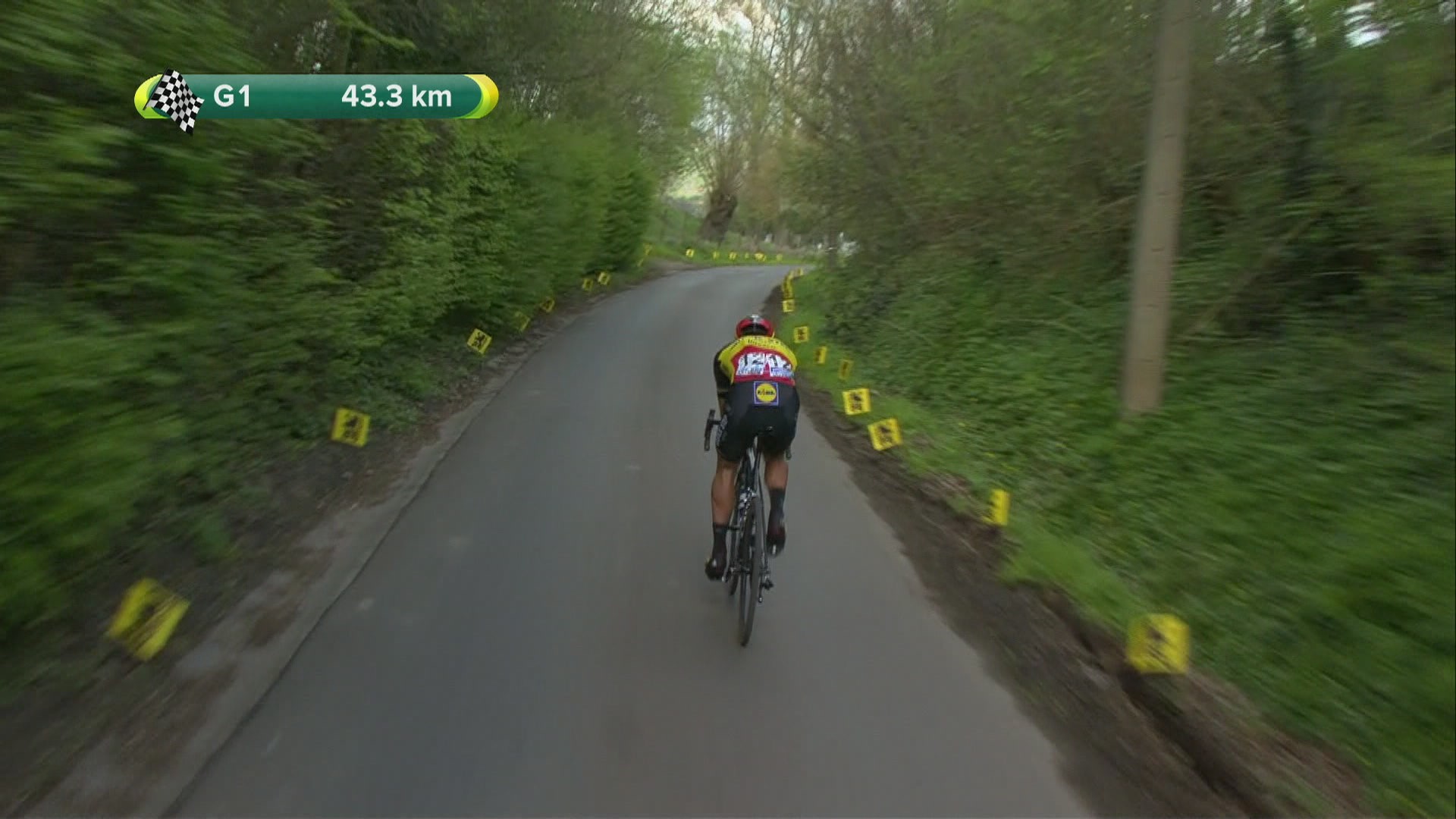
Archive footage of the Tour of Flanders obtained by Flemish broadcaster VRT - Flanders Classics
Archive footage of the Tour of Flanders obtained by Flemish broadcaster VRT – Flanders Classics

Analysing nearly four decades of archive footage from the Tour of Flanders, researchers from Ghent University have been able to detect climate change impacts on trees. Their findings were published today in the journal Methods in Ecology and Evolution.

Focusing on trees and shrubs growing around recognisable climbs and other ‘landmarks’ along the route of this major annual road cycling race in Belgium, the team looked at video footage from 1981 to 2016 obtained by Flemish broadcaster VRT. They visually estimated how many leaves and flowers were present on the day of the course (usually in early April) and linked their scores to climate data. Continue reading “TV Coverage of Cycling Races Can Help Document the Effects of Climate Change”

Editor Recommendation: A Multi-State Species Distribution Modelling Framework for Species Using Distinct Habitats

Post provided by Jana McPherson

© Amélie Augé
© Amélie Augé

Correlative distribution models have become essential tools in conservation, macroecology and ecology more generally. They help turn limited occurrence records into predictive maps that help us get a better sense of where species might be found, which areas might be critical for their protection, how large their range currently is, and how it might change with climate change, urban encroachment or other forms of habitat conversion.

It can be frustrating, however, when species distribution models (and the predictive maps they produce) don’t adequately capture what we already know about the habitat needs of a species. A major challenge to date has been to represent the environmental needs of species that require distinct habitats during different life stages or behavioural states. Rainbow parrotfish (Scarus guacamaia), for example, spend their youth sheltered from predators in mangrove areas before moving onto coral reefs, and European nightjars (Caprimulgus europaeus) breed in heathland but require access to grazed grassland for foraging. Correlative distribution models confronted with occurrence records from both life stages or behavioural modes tend to produce poor predictive maps because they confound these distinct requirements. Continue reading “Editor Recommendation: A Multi-State Species Distribution Modelling Framework for Species Using Distinct Habitats”

Issue 9.2

Issue 9.2 is now online!

The February issue of Methods is now online!

This double-size issue contains six Applications articles (one of which is Open Access) and two Open Access research articles. These eight papers are freely available to everyone, no subscription required.

 Temperature Manipulation: Welshofer et al. present a modified International Tundra Experiment (ITEX) chamber design for year-round outdoor use in warming taller-stature plant communities up to 1.5 m tall.This design is a valuable tool for examining the effects of in situ warming on understudied taller-stature plant communities

 ZoonThe disjointed nature of the current species distribution modelling (SDM) research environment hinders evaluation of new methods, synthesis of current knowledge and the dissemination of new methods to SDM users. The zoon R package aims to overcome these problems by providing a modular framework for constructing reproducible SDM workflows.

 BEIN R Package: The Botanical Information and Ecology Network (BIEN) database comprises an unprecedented wealth of cleaned and standardised botanical data. The bien r package allows users to access the multiple types of data in the BIEN database. This represents a significant achievement in biological data integration, cleaning and standardisation.

Continue reading “Issue 9.2”

What About Winter? Accounting for the Snow Season When We Simulate Climate Warming

Post provided by Rebecca Sanders-DeMott and Pamela Templer

Processes that occur in winter are a significant component of annual carbon and nutrient cycles. ©Travel Stock Photos

The climate is changing throughout the globe with consequences for the biogeochemical processes and ecological relationships that drive ecosystems. Scientists have been conducting manipulative experiments to determine the effect of climate warming on ecosystems for several decades. These experiments allow us to observe ecosystem responses before the climate changes occur and have yielded invaluable insight that has expanded our understanding of the natural world.

There is a wide range of creative approaches to mimicking climate warming that have been used, for example open-topped chambers which passively heat small areas of soil and small stature plants (like the ITEX global network), burying heating cables in the soil to directly increase soil temperatures (e.g. Harvard Forest experiments), infrared heating lamps (like Jasper Ridge), or even large scale chambers that can encompass taller stature plants like trees and actively warm the air (like the SPRUCE experiment). The focus of much of these inquiries has been on changes that occur during the growing season, when biological activity is at its peak. Continue reading “What About Winter? Accounting for the Snow Season When We Simulate Climate Warming”

Two More New Associate Editors

Today we are welcoming two more Associate Editors to the Methods in Ecology and Evolution who were invited to work with the journal following our open call earlier this year. Jessica Royles joins from the University of Cambridge, UK and Simon Blomberg is coming to us from the University of Queensland, Australia. You can find out more about both of them below. Simon Blomberg “I am a statistician who started out … Continue reading Two More New Associate Editors

Issue 8.8

Issue 8.10 is now online!

The October issue of Methods is now online!

This double-sized issue contains three Applications articles and two Open Access articles. These five papers are freely available to everyone, no subscription required.

 Phylogenetic TreesThe fields of phylogenetic tree and network inference have advanced independently, with only a few attempts to bridge them. Schliep et al. provide a framework, implemented in R, to transfer information between trees and networks.

 Emon: Studies, surveys and monitoring are often costly, so small investments in preliminary data collection and systematic planning of these activities can help to make best use of resources. To meet recognised needs for accessible tools to plan some aspects of studies, surveys and monitoring, Barry et al. developed the R package emon, which includes routines for study design through power analysis and feature detection.

 Haplostrips: A tool to visualise polymorphisms of a given region of the genome in the form of independently clustered and sorted haplotypes. Haplostrips is a command-line tool written in Python and R, that uses variant call format files as input and generates a heatmap view.

Continue reading “Issue 8.8”

Birds and Climate in Space and Time: Separating Spatial and Temporal Effects of Climate Change on Wildlife

Post provided by Cornelia Oedekoven

The Standard Method

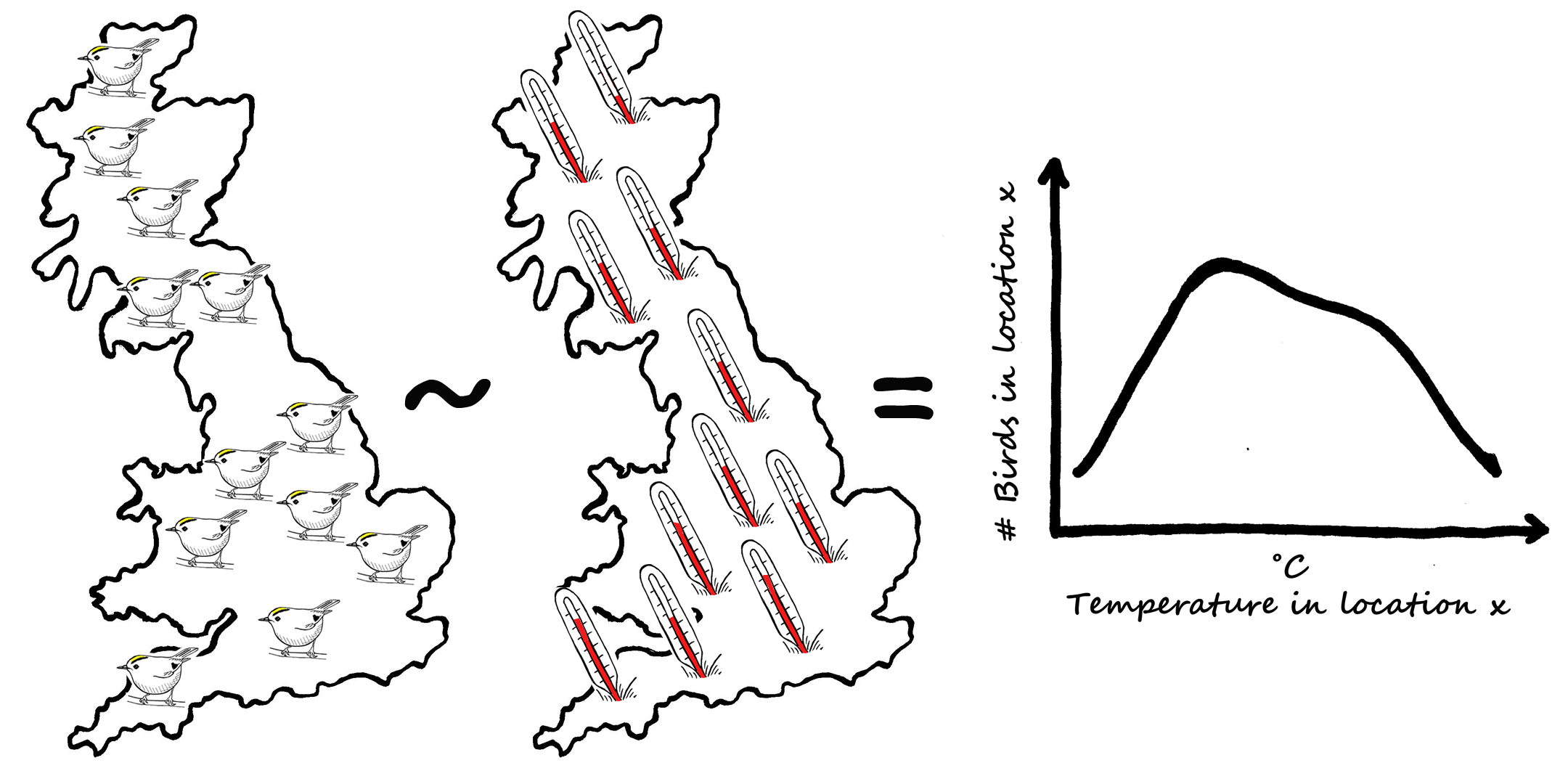
When trying to understand how wildlife, for example a bird species, may react to climate change scientists generally study how species numbers vary in relation to climatic or weather variables (e.g. Renwick et al. 2012, Johnston et al. 2013). The way this tends to be done is by gathering information (data!) about bird numbers as well as the weather variables (for example temperature) in several locations (i.e. in space) and fitting a regression model to these data to detect and illustrate how bird numbers go up or down with temperature.

Data on bird numbers and temperatures in several locations lets researchers see the relationship between the two.

This relationship is then used to forecast how bird numbers may change along with potential temperature changes in the future (i.e. in time), for example due to climate change.

Relationships between bird numbers and temperature in a given location are often used to forecast changes in bird numbers with expected changes in temperatures over time.

Continue reading “Birds and Climate in Space and Time: Separating Spatial and Temporal Effects of Climate Change on Wildlife”