Our December issue is out now!

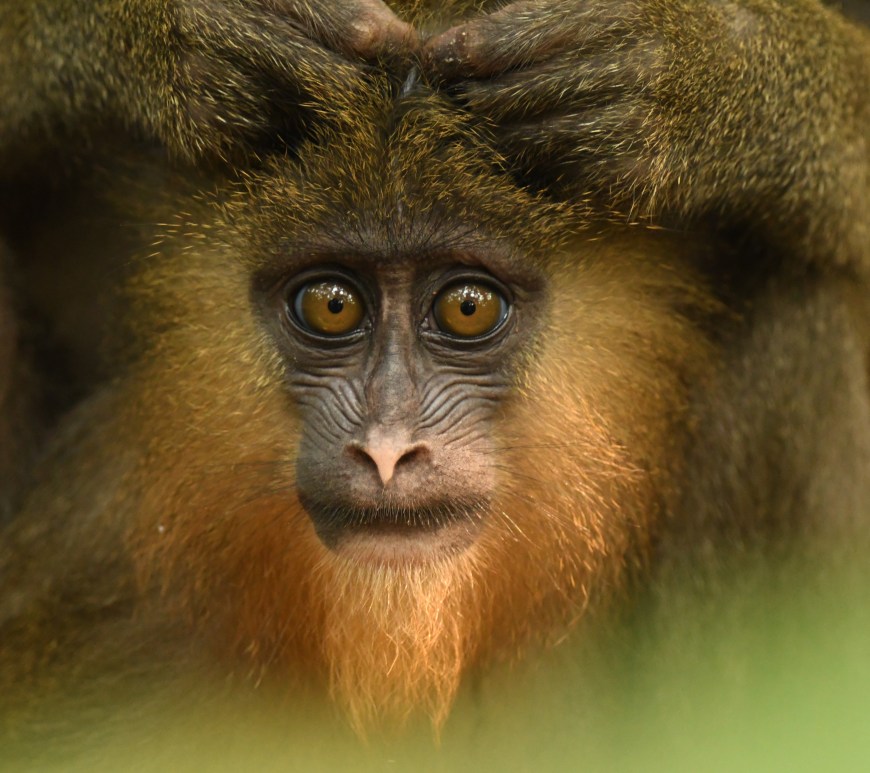
This issue contains the latest methods in ecology and evolution. Read the last issue of the year to find out about this month’s featured articles and the article behind our cover! Featured Fast‐tracking ecological interpretation using bespoke quantitative large language models There is untapped potential to apply large language models (LLMs) to quantitative ecological and environmental datasets. Here, authors present a roadmap for designing and … Continue reading Our December issue is out now!

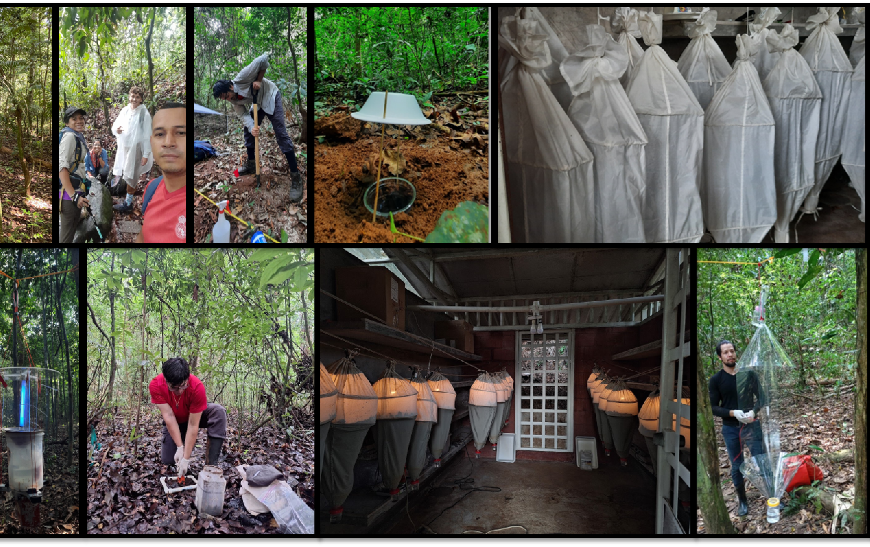
10,000 Arthropods in a Hectare: What We Found Crawling, Flying, and Hiding in Panama’s Rainforest

Post provided by Daniel Souto-Vilarós. I’m a molecular ecologist who currently works as a postdoctoral researcher at the University of Utah, with a long-standing obsession with biodiversity. While much of my work has focused on plant-pollinator interactions, this project took me down a very different path: into the leaf litter, soil, and night sky of a tropical forest to try and find out how many … Continue reading 10,000 Arthropods in a Hectare: What We Found Crawling, Flying, and Hiding in Panama’s Rainforest

Catching Biodiversity in the Wind: How a Simple Dust Cloth Revolutionizes Airborne eDNA Monitoring

Post provided by Meng Yao Biodiversity is disappearing at an alarming rate worldwide. To protect it, we first need to monitor it—but tracking species traditionally requires significant time, expertise, and often expensive equipment. What if we could detect the presence of plants and animals just by sampling the air around us? As the principal investigator of the molecular ecology and biodiversity laboratory at Peking University, … Continue reading Catching Biodiversity in the Wind: How a Simple Dust Cloth Revolutionizes Airborne eDNA Monitoring

Expanding Our View: The Benthic Observation Survey System (BOSS).

Post provided by Brooke Gibbons. Marine scientists often rely on underwater cameras to survey seabed habitats, but traditional methods come with limitations—small fields of view, restricted coverage, and logistical constraints. Enter the Benthic Observation Survey System (BOSS): a new wide-field, self-righting drop-camera system that significantly expands our ability to survey and map the seafloor. The Need for Better Benthic Surveys Most existing platforms use downward … Continue reading Expanding Our View: The Benthic Observation Survey System (BOSS).

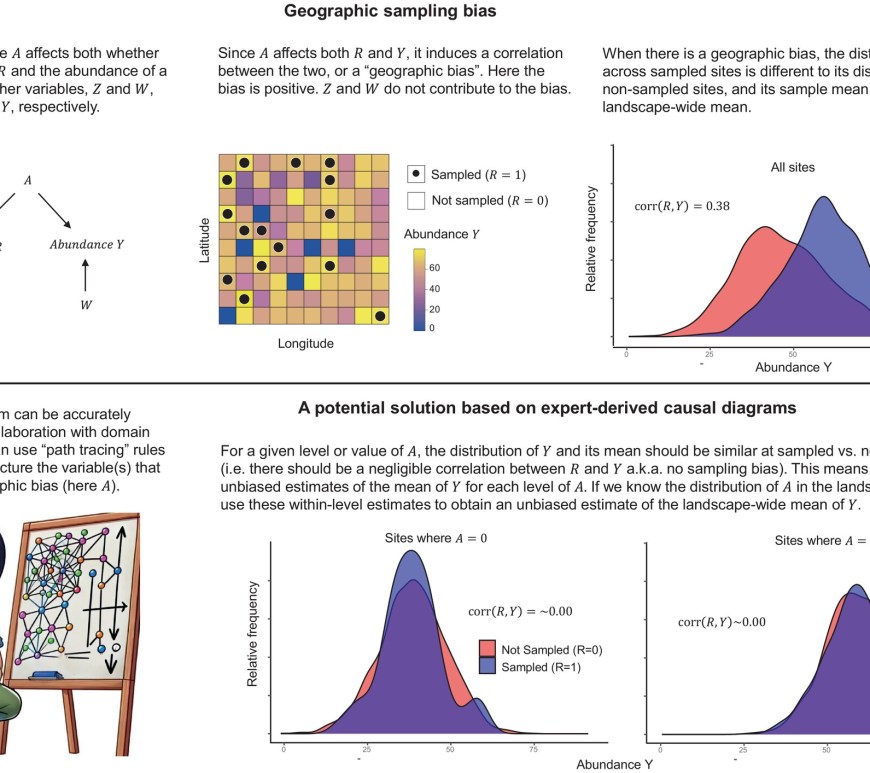
It is only by understanding what causes sampling bias that we can correct it

Post provided by Rob J. Boyd Colleagues and I recently published a paper in MEE, and its title might induce a bit of head scratching: “Using causal diagrams … to correct geographic sampling biases in biodiversity monitoring data” (Boyd et al., 2025). If you’re familiar with causal inference, you might be wondering, “What have causal diagrams got to do with sampling biases?” And if you’re … Continue reading It is only by understanding what causes sampling bias that we can correct it

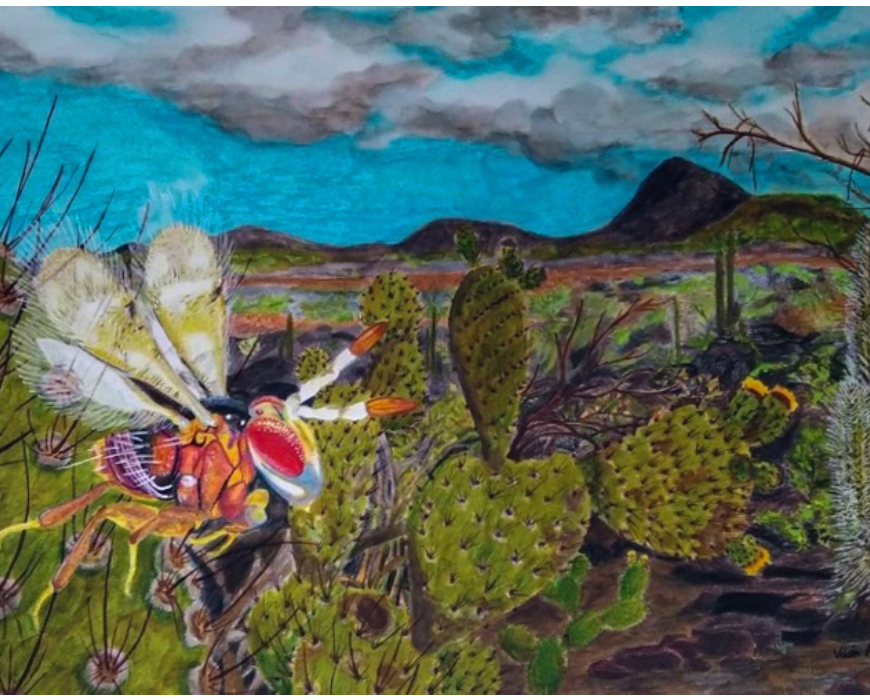
From the Field to Museums: Uncovering the Hidden Insect World of the Galápagos Islands.

In this series, we explore the unique experiences of field ecologists conducting research in remote field stations during the holiday season. Through personal stories and reflections, our contributors share what it’s like to conduct scientific work in remote, biodiverse environments, where the challenges of research intersect with the spirit of the holidays. From the solitude of secluded field stations to unexpected festive moments in the … Continue reading From the Field to Museums: Uncovering the Hidden Insect World of the Galápagos Islands.

A Remote Holiday Season: Research and Reflections at the Succulent Karoo Station.

In this series, we explore the unique experiences of field ecologists conducting research in remote field stations during the holiday season. Through personal stories and reflections, our contributors share what it’s like to conduct scientific work in remote, biodiverse environments, where the challenges of research intersect with the spirit of the holidays. From the solitude of secluded field stations to unexpected festive moments in the … Continue reading A Remote Holiday Season: Research and Reflections at the Succulent Karoo Station.

September 2022 Issue Out Now!

Our September issue is now online! This issue contains 22 articles about the latest methods in ecology and evolution, including methods for using the US National Ecological Observatory Network (NEON), measuring understory vegetation structure, inducing cancer in invertebrates and much more! Read on to find out about this month’s featured articles and the article behind our magical marine cover. National Ecological Observatory Network (NEON) In this … Continue reading September 2022 Issue Out Now!

July 2022 Issue Out Now!

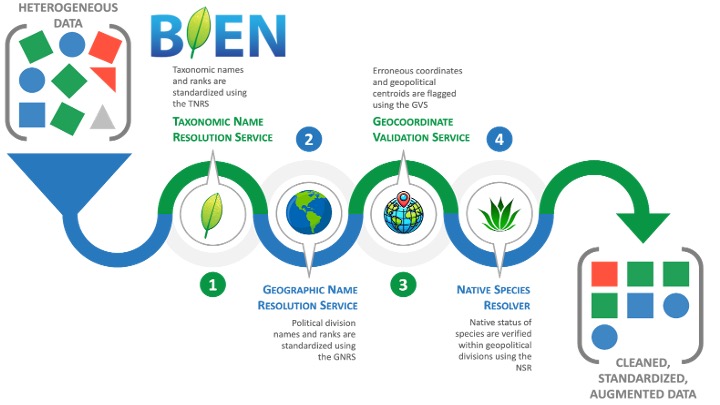
Our July Issue is now online! This issue contains 20 articles about the latest methods in ecology and evolution, including methods for characterising soil bacterial biodiversity, identifying fish species in fish markets using eDNA, standarising and cleaning biodiversity data and much more! Plus, read the editorial about our switch to a gold open access model this month. Read on to find out about this month’s featured articles … Continue reading July 2022 Issue Out Now!

Best practices for taxonomic harmonization, an overlooked yet crucial step in biodiversity analyses

Post provided by Matthias Grenié, Emilio Berti, Juan Carvajal-Quintero, Gala Mona Louise Dädlow, Alban Sagouis and Marten Winter.

Merging taxonomic datasets from diverse sources for use in macroecological studies can prove challenging, as there is no standardised methodology, taxonomic names often change over time, and even close colleagues can format the exact same data using different approaches. Researchers at iDiv, the German Centre for Integrative Biodiversity, held a workshop to discuss strategies for harmonizing taxonomy which led to a review of best practice being published in Methods in Ecology and Evolution. In this post, Matthias Grenié and co-authors share insight on this process.    

Continue reading “Best practices for taxonomic harmonization, an overlooked yet crucial step in biodiversity analyses”